

Understanding the Core Purpose: What Are Headphones Used For?
Headphones are primarily used for private audio consumption, allowing individuals to listen to music, podcasts, or videos without disturbing others. Beyond simple listening, they are essential tools for professional audio engineering, competitive gaming, high-stakes communication, and noise management in chaotic environments. By creating a localized soundstage directly against the ears, headphones provide a level of detail and isolation that traditional speakers cannot match.
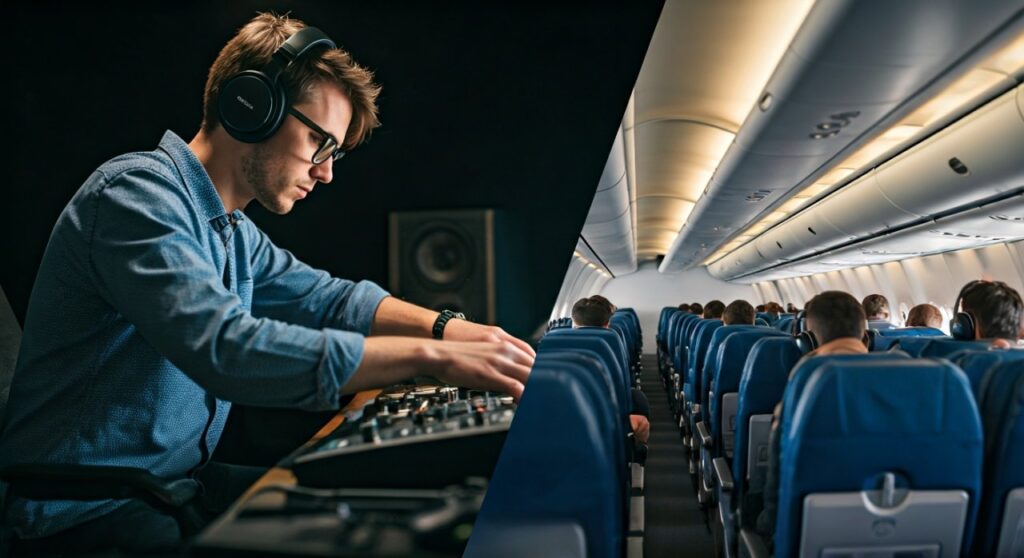
Whether you are a frequent traveler seeking silence or a producer mixing a hit record, headphones serve as a bridge between digital data and human emotion. They translate electrical signals into acoustic energy, enabling a portable and immersive auditory experience that adapts to your specific lifestyle needs.
Key Takeaways: Quick Summary of Usage
- Privacy: Enjoying content in public spaces like buses, planes, or shared offices.
- Audio Precision: Essential for studio monitoring, mixing, and mastering music.
- Immersion: Enhancing the gaming experience through spatial awareness and 3D audio.
- Focus: Utilizing Active Noise Cancellation (ANC) to block out environmental distractions.
- Communication: Facilitating clear voice calls and video conferences via integrated microphones.
The Primary Functions: What Are Headphones Used For in Daily Life?
In our modern, always-connected world, headphones have transitioned from luxury accessories to essential daily drivers. They solve the fundamental problem of wanting to be “plugged in” while remaining physically present in a shared world.
Personal Entertainment and Portability
The most common answer to what are headphones used for is personal entertainment. Before the rise of the Sony Walkman and later the Apple iPod, high-quality audio was tethered to a living room. Today, headphones allow you to carry a high-fidelity concert hall in your pocket.
Portable audio gear like Apple AirPods Pro or Sony WH-1000XM5 enables users to consume media during commutes, workouts, or chores. This “personal bubble” allows for a seamless transition between public and private life.
Active Noise Cancellation (ANC) and Focus
Modern life is loud. What are headphones used for besides music? Many people use them specifically for silence. Active Noise Cancellation technology uses internal microphones to listen to outside noise and “cancel” it out by producing an opposite sound wave.
This is a lifesaver for:
- Office Workers: Blocking out the hum of air conditioners and chatter to enter a “deep work” state.
- Travelers: Reducing the low-frequency drone of airplane engines, which significantly lowers travel fatigue.
- Neurodivergent Individuals: Managing sensory overload by controlling the auditory environment.
Professional Audio Production and Engineering
In the professional realm, headphones are precision instruments. Engineers use Open-Back Headphones like the Sennheiser HD 600 to achieve a neutral frequency response. This allows them to hear tiny imperfections in a recording that a normal speaker might hide.
Studio Monitoring requires headphones that do not “color” the sound. While consumer headphones often boost the bass, professional studio monitors aim for “flat” response to ensure the audio sounds good on all playback systems.
Comparing Different Types of Headphone Usage
To better understand what are headphones used for, it is helpful to look at how different designs serve specific needs.
| Headphone Type | Best Used For | Key Feature | Popular Model Example |
|---|---|---|---|
| Over-Ear (Closed-Back) | Commuting, Office, Travel | Maximum Isolation | Bose QuietComfort Ultra |
| Over-Ear (Open-Back) | Critical Mixing, Hi-Fi Listening | Wide Soundstage | HIFIMAN Sundara |
| In-Ear Monitors (IEMs) | Stage Performance, Commuting | Portability & Detail | Moondrop Blessing 3 |
| Bone Conduction | Running, Cycling, Safety | Situational Awareness | Shokz OpenRun Pro |
| Gaming Headsets | Competitive Play, Chatting | Integrated Mic & 7.1 Surround | SteelSeries Arctis Nova Pro |
Specialized Applications: What Are Headphones Used For in Niche Fields?
Beyond the average consumer, many industries rely on specialized headphone technology to function safely and efficiently.
Gaming and Spatial Awareness
In the world of competitive gaming (eSports), headphones are just as important as a high-refresh-rate monitor. Games like Counter-Strike 2 or Call of Duty rely on “footstep audio.”
Headphones with Spatial Audio or Virtual Surround Sound allow players to pinpoint exactly where an enemy is located in a 3D space. This provides a massive competitive advantage that traditional stereo speakers simply cannot replicate.
Aviation and Communication
Pilots use specialized headsets to communicate with Air Traffic Control. These headsets, such as those from Bose Aviation or David Clark, feature extreme noise reduction and high-gain microphones. In a cockpit where noise levels can reach 100+ decibels, these headphones are a matter of safety and hearing protection.
Health and Fitness
Exercise-focused headphones are designed for durability. They are typically IP-rated for water and sweat resistance. Many runners prefer Bone Conduction Headphones, which sit outside the ear canal. This allows them to hear traffic and ambient noise while listening to music, ensuring safety on busy roads.
Professional Insights: How to Choose Based on Utility
I have tested hundreds of audio devices, and I always tell people: “Don’t buy the most expensive pair; buy the pair that fits your primary use case.” If you are wondering what are headphones used for in your specific life, consider these scenarios:
- The Content Creator: You need a mix of comfort and accuracy. Look for Closed-Back headphones with a detachable cable so you don’t trip over it while filming.
- The Remote Worker: Prioritize microphone quality and multipoint Bluetooth. This allows you to stay connected to both your laptop (for Zoom) and your phone (for calls) simultaneously.
- The Audiophile: You are looking for “Micro-dynamics.” You need Planar Magnetic drivers and a dedicated DAC/Amp setup to extract every ounce of detail from high-resolution FLAC files.
Step-by-Step Guide: Optimizing Your Headphone Experience
Regardless of what are headphones used for in your routine, following these steps will ensure you get the best performance and longevity out of your gear.
Step 1: Match the Impedance
Before plugging in high-end headphones, check their Impedance (measured in Ohms).
- Low Impedance (under 32 Ohms): Can be powered by a smartphone.
- High Impedance (above 100 Ohms): Requires a dedicated headphone amplifier to reach proper volume levels and sound quality.
Step 2: Set the Correct Sample Rate
If using headphones for PC gaming or music, go to your Sound Settings. Ensure the output is set to at least 24-bit, 48kHz. This prevents the operating system from “downsampling” your audio, which can lead to a loss in clarity.
Step 3: Practice Proper Maintenance
To extend the life of your headphones:
- Wipe the Earpads: Sweat and skin oils degrade leather and foam over time.
- Store in a Case: Avoid throwing them loosely into a backpack, which can snap the hinges.
- Manage the Cable: Never wrap cables tightly around the headphones; use a “figure-eight” wrap to prevent internal wire breakage.
Frequently Asked Questions (FAQs)
What are headphones used for in the gym?
In the gym, headphones are used to provide motivation through music and to block out the “gym noise” (clanking weights and loud speakers). Most gym-goers prefer In-Ear Monitors (IEMs) or earbuds because they stay secure during vigorous movement and offer sweat resistance.
Is it better to use headphones or speakers?
It depends on the goal. Headphones are better for detail, privacy, and eliminating room acoustics. Speakers are better for physical “impact” (feeling the bass in your chest), social listening, and long-term comfort since nothing is touching your ears.
Can headphones damage your hearing?
Yes, if used improperly. The general rule is the 60/60 rule: Listen at no more than 60% volume for no more than 60 minutes at a time. High volumes (above 85 decibels) for extended periods can cause permanent Tinnitus or hearing loss.
Why do some people use only one earphone?
This is common in professional environments or while walking in public. It allows the user to monitor their audio feed while remaining aware of their surroundings or hearing their own voice clearly during a conversation.









