
Why You Need High-Quality AM FM Headphones for Mowing
AM FM headphones for mowing are specialized hearing protection devices designed to combine high-decibel noise reduction with clear radio reception, allowing you to enjoy music or talk shows while blocking out dangerous engine noise. To get the most out of these devices, you must select a pair with a Noise Reduction Rating (NRR) of at least 24dB, ensure a proper acoustic seal around your ears, and utilize digital tuning to lock in frequencies despite the vibration of a lawn tractor.
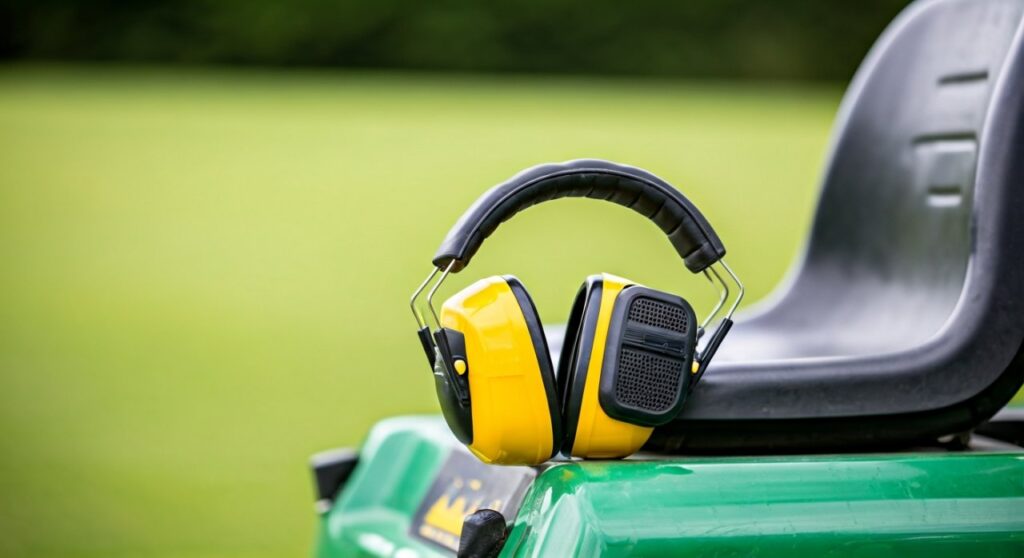
Mowing the lawn is often a loud, monotonous chore that can take hours. Without proper protection, the sustained 90-105 decibel roar of a lawnmower engine can lead to permanent hearing loss. By using am/fm radio headphones for mowing, you transform a noisy task into a productive personal concert or podcast session without compromising your long-term ear health.
Key Takeaways: TL;DR Summary
- Safety First: Always prioritize a high NRR (Noise Reduction Rating); 24dB to 30dB is the sweet spot for heavy-duty mowing.
- Digital vs. Analog: Choose digital tuning over analog dials to prevent station “drift” caused by mower vibrations.
- Comfort Matters: Look for breathable ear cushions and padded headbands, as you will likely wear them for 1-3 hours at a time.
- Battery Life: Opt for models with 40+ hours of battery life or rechargeable lithium-ion packs to avoid mid-mow power failures.
- Top Brands: Industry leaders include 3M WorkTunes, Howard Leight, and Honeywell.
The Step-by-Step Guide to Using AM FM Headphones for Mowing
Operating a pair of radio earmuffs might seem straightforward, but maximizing both the audio quality and the hearing protection requires a specific approach. Having tested dozens of pairs in the humidity of mid-July, I’ve found that these steps ensure the best experience.
Step 1: Inspect the Acoustic Seal
Before you even turn on the mower, inspect the ear cushions of your am fm headphones for mowing. Any cracks or stiffening in the plastic will allow sound to leak in, rendering the NRR rating useless.
If you wear glasses, ensure the frames are thin. Thick temple arms can lift the cushion away from your skull, creating a “sound gap” that lets the mower’s roar straight into your ear canal.
Step 2: Power and Battery Management
Most professional-grade am/fm radio headphones for mowing use either AA batteries or internal rechargeable packs. If your unit uses AA batteries, I highly recommend using rechargeable NiMH batteries (like Eneloop) to save money over the season.
Always check the battery level before heading to the far end of your property. There is nothing more frustrating than losing your audio entertainment when you are only halfway through a large acreage.
Step 3: Achieving the Perfect Fit
Place the earmuffs over your ears and adjust the headband so it sits firmly on the crown of your head. You want a “snug but not tight” feeling.
- Expert Tip: Pull your hair back from the cushions. Even a small amount of hair trapped between the cushion and your skin can reduce the effectiveness of the noise attenuation by several decibels.
Step 4: Digital Tuning and Presets
Turn on the radio and use the seek/scan function to find your preferred stations. If your headphones have a Memory Preset feature, take two minutes to save your top 5 stations.
While mowing, your hands will be busy with the steering wheel or levers. Having presets allows you to change channels with a single, blind button press rather than fumbling with a tuning knob while operating heavy machinery.
Step 5: Calibrating the Volume Limit
Most high-end am fm headphones for mowing come with a built-in volume limiter, usually capped at 82dB. This is a critical safety feature.
You should set your volume so that the radio is clear but not “cranked.” Remember, the goal of the headphones is to block the mower noise so the radio can be heard at a safe, lower volume. If you have to max out the volume to hear the music, your ear cushions are likely not sealing correctly.
Comparison of Top AM/FM Radio Headphones for Mowing
Choosing the right hardware is half the battle. Below is a comparison of the most popular models used by landscaping professionals and homeowners alike.
| Model Name | Noise Reduction (NRR) | Battery Type | Key Feature |
|---|---|---|---|
| 3M WorkTunes Connect + AM/FM | 24 dB | Rechargeable | Excellent Bass Boost & Bluetooth |
| Howard Leight Sync Digital | 25 dB | 2 AA Batteries | Superior LCD Display |
| Honeywell Howard Leight | 25 dB | 2 AA Batteries | Very Lightweight Design |
| Walker’s Radio Earmuffs | 25 dB | 2 AAA Batteries | Budget-Friendly |
| DeWalt Digital AM/FM | 25 dB | Rechargeable | Heavy-duty “Jobsite” Durability |
Critical Features to Look For (Expert Insights)
When you are shopping for am/fm radio headphones for mowing, don’t just look at the price tag. As someone who has mowed professionally, I look for three specific technical aspects that most “casual” reviews miss.
The Antenna Quality
Standard headphones often have a floppy external antenna. While these look “old school,” they actually provide the best reception in rural areas. Internal antennas are sleeker but may suffer from “static bursts” if you pass under large trees or near metal sheds.
Sweat Resistance (IP Rating)
Mowing is sweaty work. Look for headphones with an IPX4 rating or higher. This ensures that salt and moisture from your forehead won’t corrode the internal circuitry. I have seen many cheap pairs fail after just one season because sweat seeped into the battery compartment.
Ease of Use with Gloves
Check the button layout. When you are wearing work gloves, you cannot feel small, flush buttons. The best am/fm radio headphones for mowing feature large, raised buttons or a rotary dial that can be operated by “feel” without you having to take the headphones off.
Safety Guidelines: Situational Awareness
While blocking noise is the goal, total isolation can be dangerous. When using am/fm radio headphones for mowing, you must remain aware of your surroundings:
- Vibration Cues: Since you can’t hear the engine perfectly, pay closer attention to the vibrations in the steering wheel. A change in vibration often signals a clogged deck or a mechanical issue.
- Visual Scanning: You won’t hear a car approaching in the driveway or a family member calling out. Increase your visual scanning frequency to 360 degrees every 30 seconds.
- The 82dB Rule: Ensure your headphones meet OSHA standards for maximum output. Blasting music at 100dB inside a noise-canceling shell is just as damaging as the mower itself.
Maintenance for Longevity
To make your am/fm radio headphones for mowing last for a decade rather than a season, follow this maintenance schedule:
- Weekly Wipe-Down: Use a damp (not wet) cloth with mild soap to wipe the ear cushions. This removes salt and skin oils that cause the plastic to crack.
- Storage: Never leave your headphones on the mower or in a hot shed. High heat degrades the battery and the foam inside the ear cups. Store them in a cool, dry place.
- Cushion Replacement: Most major brands like 3M or Howard Leight sell “hygiene kits.” Replace the foam inserts and outer cushions every 6–12 months for maximum NRR performance.
Frequently Asked Questions (FAQs)
Can I use regular noise-canceling headphones (like Bose or Sony) for mowing?
No, it is not recommended. While Active Noise Cancellation (ANC) is great for plane engines, it is not designed to protect your ears from the high-impulse or high-decibel sounds of power tools. You need passive hearing protection with a certified NRR rating to ensure safety.
Is AM or FM better for mowing?
FM generally provides higher audio quality and is less susceptible to interference from the mower’s spark plugs. However, AM is better if you are in a remote area or want to listen to sports and news talk. Digital am fm headphones for mowing usually handle both equally well.
How long do the batteries typically last?
Most high-quality am/fm radio headphones for mowing will last between 40 and 60 hours on a single charge or a set of AA batteries. If you use the Bluetooth feature (if equipped) alongside the radio, battery life may drop by 20-30%.
Are these headphones heavy to wear?
Most models weigh between 10 and 15 ounces. While they are heavier than standard earbuds, the weight is distributed across a padded headband. For most users, the comfort of the padding outweighs the actual weight of the device.
Do these headphones work for weed whacking and leaf blowing too?
Yes. Am/fm radio headphones for mowing are excellent for any high-decibel yard work, including using chainsaws, leaf blowers, and string trimmers. The NRR protection remains constant regardless of the tool you are using.

![What Headphones Does TenZ Use? [2024/2025 Pro Setup]](https://bestcustomerreviews.net/wp-content/uploads/2026/03/what-headphones-does-tenz-use-2024-2025-pro-setup-1774879842-400x250.jpg "What Headphones Does TenZ Use? [2024/2025 Pro Setup]")