
Are noise cancelling headphones bad for your ears? No, noise-cancelling headphones are not inherently bad for your ears; in fact, they are generally safer than standard headphones because they allow you to listen at lower volumes by eliminating background noise. While they do not cause hearing loss or brain damage, some users may experience a temporary sensation of “ear pressure” or mild dizziness due to how the technology interacts with the inner ear.
Key Takeaways: Noise Cancelling and Ear Health
If you are looking for a quick summary of whether are noise canceling headphones bad for your ears, here are the essential facts:
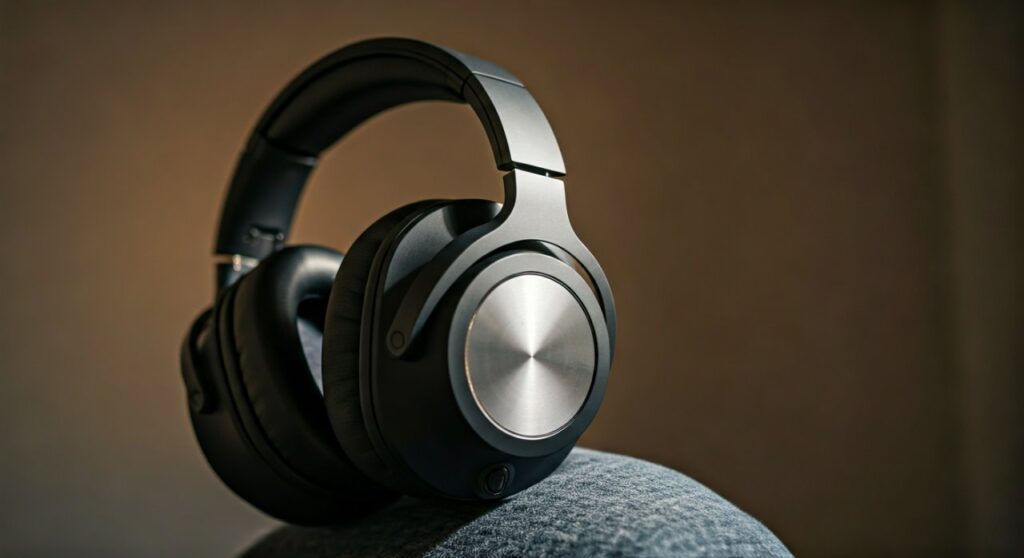
- Volume Control: ANC (Active Noise Cancellation) helps prevent Noise-Induced Hearing Loss (NIHL) by reducing the need to “crank up” the volume in loud environments.
- Safety Profile: These headphones do not emit harmful radiation and are not bad for your brain or bad for your head.
- Common Side Effects: A small percentage of users feel “eardrum pressure” or motion sickness, which is a sensory illusion, not physical damage.
- Hygiene Risks: Like all headphones, prolonged use can lead to earwax buildup or ear infections if the ear canal isn’t allowed to breathe.
- Expert Verdict: They are actually good for your ears when used to protect against high-decibel ambient environments like airplanes or construction zones.
Understanding How Active Noise Cancellation (ANC) Works
To understand why people wonder are noise cancelling headphones bad for you, we must first look at the technology. Unlike standard headphones that simply block sound physically (Passive Isolation), ANC headphones use electronics to “fight” noise.
Inside the earcups, tiny microphones listen to the external environment. They then produce a “mirror image” sound wave (known as anti-phase) that cancels out the incoming noise.
When these two waves meet, they neutralize each other. This process happens entirely within the audible frequency range and involves no harmful rays or high-pressure blasts that could be bad for your hearing.
Are Noise Cancelling Headphones Bad for Your Ears? The Science of Sound Pressure
Many users ask, “is wearing headphones bad for you?” The answer usually depends on the Sound Pressure Level (SPL). Most hearing damage occurs when we try to drown out a loud subway or airplane engine by pushing our music to 90dB or 100dB.
Noise-cancelling headphones solve this. Because they remove the 70-80dB of background “hum,” you can enjoy your music at a comfortable 50-60dB. In this regard, are headphones good for your ears? Yes, specifically ANC models, because they serve as a barrier against excessive volume.
| Feature | Standard Headphones | Noise-Cancelling (ANC) Headphones |
|---|---|---|
| Volume Requirement | High (to drown out noise) | Low (noise is canceled) |
| Hearing Loss Risk | Higher (due to volume) | Lower (safer listening levels) |
| Ear Pressure Feeling | Low | Moderate (for some users) |
| External Awareness | Varies | Often lower (can be a safety risk) |
| Long-term Safety | Safe at low volumes | Safer for frequent commuters |
Addressing the “Eardrum Pressure” Sensation
A common complaint is that noise canceling headphones feel bad for your ears because of a “sucking” sensation. This is often referred to as “eardrum pressure,” similar to what you feel during a plane’s takeoff.
However, this is a physiological illusion. Your brain receives a signal that the low-frequency noise has vanished, but your inner ear’s balance system (the vestibular system) doesn’t detect a change in air pressure.
This conflict causes your brain to think there is a pressure change, even though your eardrum is perfectly safe. If you experience this, it does not mean the headphones are bad for you; it simply means your brain is sensitive to the ANC algorithm.
Are Noise Cancelling Headphones Bad for Your Brain?
One of the most persistent myths is that are headphones bad for your brain due to electromagnetic fields (EMF) or the “anti-noise” waves. Scientific consensus is clear: ANC headphones use non-ionizing radiation, which lacks the energy to damage cells or DNA.
The “anti-noise” waves are just sound waves. They are no more bad for your head than the sound of a person talking or a fan spinning. There is zero clinical evidence suggesting that ANC technology affects brain function, cognitive health, or neurological pathways.
Potential Downsides: When Headphones Become Bad for You
While the technology is safe, how we use them can make headphones bad for ears. As someone who has tested dozens of flagship models like the Sony WH-1000XM5 and Bose QuietComfort Ultra, I have observed a few habits that can cause issues:
- The Occlusion Effect: Over-ear headphones trap moisture and heat. This can lead to outer ear infections (Otitis Externa) or excessive earwax impaction.
- Lack of Situational Awareness: Because they are so good at their job, you might not hear an approaching vehicle or an emergency siren. This makes noise cancelling headphones bad for you if used while cycling or walking in high-traffic areas.
- Tinnitus Masking: Some people with tinnitus find that the silence of ANC makes their internal ringing louder. While it doesn’t cause tinnitus, it can make it more noticeable.
How to Use Noise Cancelling Headphones Safely: A Step-by-Step Guide
To ensure your headphones are good for your ears and won’t cause long-term damage, follow this professional safety protocol:
Step 1: Follow the 60/60 Rule
Limit your listening to 60 minutes at a time at no more than 60% of the maximum volume. ANC makes this easier because the noise floor is lower.
Step 2: Keep the Ear Pads Clean
Use a microfiber cloth and a tiny amount of isopropyl alcohol to wipe down the cushions weekly. This prevents bacteria from migrating into your ear canal, which is a major reason why headphones are bad for ears in terms of hygiene.
Step 3: Take “Air Breaks”
Every hour, remove the headphones for at least 5 minutes. This allows the ear canal to dry out and the air pressure to equalize naturally.
Step 4: Use “Transparency Mode” in Public
Most modern ANC headphones have a “Transparency” or “Ambient” mode. Use this when walking outdoors to stay aware of your surroundings, ensuring that is wearing headphones bad for you never becomes a question of physical safety.
Choosing the Right Pair for Ear Health
If you are concerned that are headphones bad for hearing, look for models with built-in volume limiters. Brands like Sony, Apple, and Sennheiser now include “Hearing Health” features in their apps that track your decibel exposure over time.
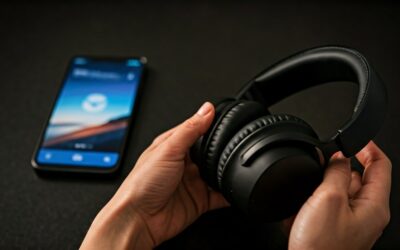
- Over-Ear (Circumaural): These are generally better than in-ears because they don’t sit directly in the ear canal and offer better passive isolation.
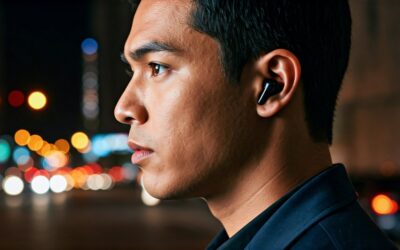
- In-Ear (Canal): If you prefer earbuds, ensure the silicone tips fit perfectly. A poor seal leads to turning the volume up, which is bad for your hearing.
Expert Perspective: Why Audiologists Recommend ANC
Most audiologists actually view noise-cancelling technology as a breakthrough for hearing preservation. In a loud world, we often suffer from Temporary Threshold Shift (TTS) after being in a noisy office or airport.
By wearing ANC headphones—even without music playing—you are essentially wearing high-tech earplugs. This reduces the total “noise load” on your ears throughout the day, proving that are noise cancelling headphones bad for your ears is a myth—they are actually a protective tool.
Frequently Asked Questions
Are noise cancelling headphones bad for your hearing in the long run?
No. In fact, they protect your hearing by allowing you to listen to audio at lower, safer volumes. They eliminate the need to compete with loud external environments.
Why do my ears hurt after using noise cancelling headphones?
This is usually due to the “clamping force” of the headband or the “occlusion effect” trapping air. It is rarely caused by the noise-cancelling technology itself.
Can noise cancelling headphones cause vertigo?
For a small number of people, the lack of low-frequency sound can confuse the inner ear, leading to feelings of dizziness or vertigo. If this happens, try a model with “Adjustable ANC” levels.
Are noise cancelling headphones safer than regular earbuds?
Generally, yes. Because regular earbuds often require higher volumes to drown out the world, they pose a higher risk of Noise-Induced Hearing Loss than ANC models.
Do noise cancelling headphones emit radiation?
They emit extremely low levels of non-ionizing radiation (via Bluetooth), which is the same as standard wireless headphones and is considered safe by global health organizations.
**
**
**
**