
Are Noise Cancelling Headphones Safe? A Complete Health and Safety Guide
Are noise cancelling headphones safe? Yes, they are absolutely safe for your ears and general health, as they do not emit harmful radiation and actually help prevent hearing loss by allowing you to listen at lower volumes. However, their safety depends on your situational awareness—using them while driving or walking in high-traffic areas can be dangerous because they block out essential environmental cues.
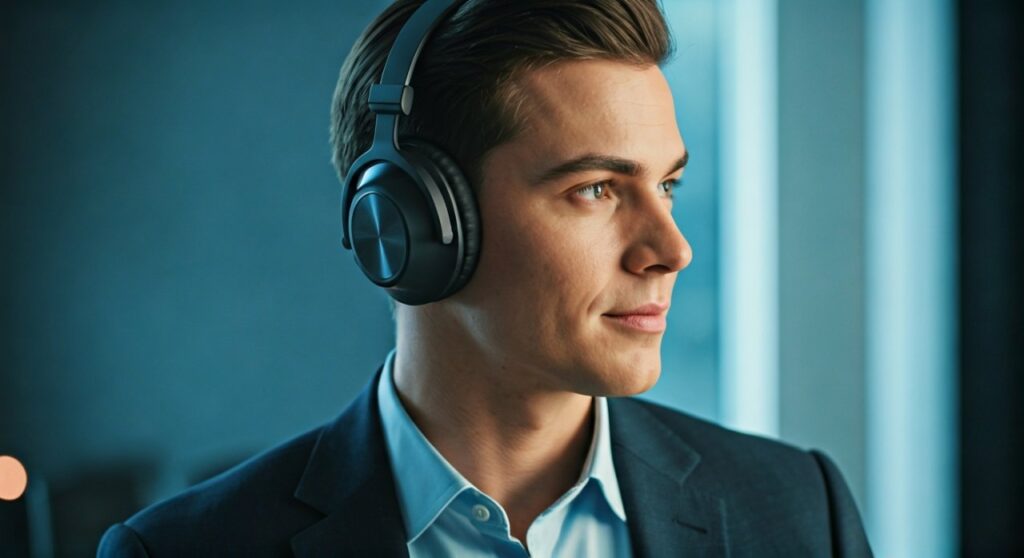
In my years of testing audio gear, from the early Bose QuietComfort models to the latest Sony WH-1000XM5, I’ve found that the “danger” isn’t in the technology itself, but in how we use it. This guide breaks down the science, the myths, and the best practices to ensure your ears stay protected.
Key Takeaways: Safety at a Glance
If you are in a hurry, here is the essential information regarding the safety of Active Noise Cancellation (ANC) technology:
- Hearing Protection: They protect your hearing by reducing the need to “crank up the volume” to drown out background noise.
- No Radiation: Are active noise cancelling headphones safe from radiation? Yes, they use non-ionizing electromagnetic fields, similar to standard headphones.
- Situational Risk: The primary danger is “auditory blindness”—not hearing a car horn or emergency siren.
- Physical Comfort: Some users experience “ear pressure” or dizziness due to how the brain processes the lack of low-frequency sound.
- Safe Habits: Use the 60/60 rule (60% volume for 60 minutes) and utilize Transparency Mode in public.
Understanding the Technology: Are Noise Cancellation Headphones Safe?
To understand if are noise cancellation headphones safe, we must look at how they function. Unlike passive headphones that simply block sound with foam, Active Noise Cancelling (ANC) headphones use electronics to “cancel” sound.
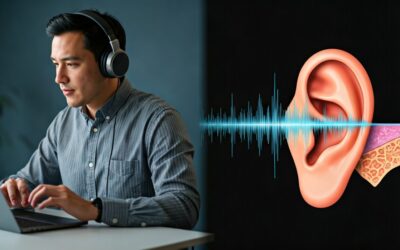
They feature internal microphones that listen to outside ambient noise. The internal circuitry then creates a “mirror image” sound wave (180 degrees out of phase) to cancel out the intrusion.
This process is purely acoustic. There is no “laser” or “harmful ray” entering your ear canal. From a physics perspective, you are simply hearing the result of two sound waves neutralizing each other.
The Radiation Myth
Many users worry about “brain radiation.” Modern Bluetooth headphones, including Bose noise cancelling headphones, use low-level non-ionizing radiation.
The World Health Organization (WHO) and the FCC have found no conclusive evidence that the low-energy Bluetooth signals used in these devices cause any cellular damage. In fact, your smartphone emits significantly more radiation during a voice call than your headphones do over several hours of music playback.
The Benefits: How They Actually Save Your Hearing
Most people suffer from Noise-Induced Hearing Loss (NIHL) because they try to overpower loud environments. If you are on a noisy subway, you might turn your volume up to 90% or 100% just to hear your podcast.
By using active noise cancelling headphones, you can keep your volume at a safe 40% to 50%. The headphones eliminate the “floor” of background noise, making the music clear at much lower decibel levels.
Comparison: Standard vs. Noise Cancelling Headphones
| Feature | Standard Earbuds | ANC Headphones |
|---|---|---|
| Volume Level in Traffic | High (85dB+) | Low/Medium (60dB) |
| Ear Fatigue | High | Low |
| Concentration | Low | High |
| Situational Awareness | Moderate | Low (unless in Transparency Mode) |
| Primary Safety Risk | Hearing Damage | Lack of Awareness |
Potential Side Effects and Discomforts
While are noise cancelling headphones safe for the majority, some individuals experience physiological reactions. These are usually temporary and not damaging to the ear’s structure.
The “Eardrum Pressure” Sensation
Many people report a feeling of “pressure” when they first turn on a pair of Bose noise cancelling headphones. This is a psychoacoustic illusion.
Because the headphones remove low-frequency sounds, your brain thinks there has been a change in atmospheric pressure (like being in an airplane). Your eardrums aren’t actually under pressure; your brain is just confused by the sudden silence.
Dizziness and Vertigo
The balance system in your inner ear (the vestibular system) relies on both fluid movement and sound cues. When you suddenly remove all ambient sound, it can cause a slight sense of dizziness or “sea sickness” in sensitive users.
Tinnitus Masking and Perception
If you suffer from tinnitus (ringing in the ears), ANC headphones can be a double-edged sword. While they protect you from loud triggers, the extreme silence can make your internal ringing sound louder because there is no external noise to mask it.
Step-by-Step Guide: How to Use ANC Headphones Safely
To maximize the benefits and minimize the risks, follow this professional safety protocol:
Step 1: Limit the Volume (The 60/60 Rule)
Even with the best active noise cancelling headphones, high volume is dangerous.
- Never exceed 60% of the maximum volume.
- Limit your listening sessions to 60 minutes at a time to give your ears a “breathing” break.
Step 2: Enable “Transparency Mode” in Public
Most premium models, such as the Bose QuietComfort Ultra, have a “Transparency” or “Ambient” mode.
- This uses the external microphones to feed outside sound into your ears.
- Use this mode whenever you are crossing streets, in a train station, or walking alone at night.
Step 3: Monitor for Ear Fatigue
If you feel a dull ache inside your ear or a “stuffed” feeling, take the headphones off immediately. This is your body’s way of signaling that the acoustic environment is unnatural and your ears need rest.
Step 4: Keep the Ear Pads Clean
Safety isn’t just about sound; it’s about hygiene. ANC headphones create a warm, moist environment in the ear canal.
- Wipe down the ear pads weekly with a non-alcoholic disinfectant.
- Ensure your ears are dry before putting them on to prevent fungal infections.
Are Bose Noise Cancelling Headphones Safe?
A common question is: are bose noise cancelling headphones safe specifically? Bose is the pioneer of this technology, originally developing it for pilots to protect their hearing from jet engine roar.
From a medical and safety standpoint, Bose products are among the most rigorously tested in the world. They utilize high-quality digital signal processors (DSP) that ensure the “anti-noise” signal is precise and doesn’t create unwanted artifacts that could irritate the ear.
If you use Bose noise cancelling headphones, you are using industry-standard tech that is used by professional pilots and frequent flyers globally. They are widely considered safe for daily use.
Situational Safety: When to Turn ANC Off
The biggest risk of noise cancelling headphones is not what they do to your ears, but what they prevent you from hearing in your environment.
- Cycling and Running: Never use full ANC. You cannot hear vehicles approaching from behind.
- Parenting: If you are home alone with an infant, ANC can prevent you from hearing a baby monitor or a cry.
- Driving: In many regions, it is illegal to wear headphones while driving because it prevents you from hearing emergency sirens or mechanical failures in your vehicle.
- Walking at Night: Stay alert. Silence can make you a target as you lose the ability to hear footsteps behind you.
Expert Insights: The Future of Ear Safety
As a specialist in audio technology, I have observed a shift toward “Adaptive Noise Cancellation.” This new tech automatically adjusts the level of cancellation based on your surroundings.
This is a massive safety win. If the headphones detect a sudden loud sound (like a siren), they can automatically switch to transparency mode to alert you. When asking are active noise cancelling headphones safe, the answer is increasingly becoming “Yes, and they are getting smarter at keeping you safe.”
FAQs: Common Questions About ANC Safety
Can noise cancelling headphones cause hearing loss?
No, they do not cause hearing loss. In fact, they help prevent it by allowing users to listen at lower, safer volumes. Hearing loss is caused by high decibel levels (volume), not the cancellation technology.
Do noise cancelling headphones emit EMF?
Yes, like all electronic devices, they emit low-level Electromagnetic Fields (EMF). However, the levels are extremely low and fall well within the safety guidelines set by international health organizations.
Why do my ears hurt when I use ANC?
This is likely “eardrum pressure,” a psychological effect where your brain misinterprets the silence as a pressure change. It can also be caused by a physical fit that is too tight. Try adjusting the headband or using them for shorter periods to acclimate.
Are they safe for children?
Yes, but with caution. Children’s ears are more sensitive to volume. Ensure the “volume limit” feature is turned on and that the child understands they must be able to hear you when you speak to them.
Is it safe to sleep with noise cancelling headphones?
It is generally safe, but bulky over-ear headphones can cause neck strain. If you are a side sleeper, consider specialized ANC sleep buds which are designed to be low-profile and safe for all-night wear.
![What Headphones Does TenZ Use? [2024/2025 Pro Setup]](https://bestcustomerreviews.net/wp-content/uploads/2026/03/what-headphones-does-tenz-use-2024-2025-pro-setup-1774879842-400x250.jpg "What Headphones Does TenZ Use? [2024/2025 Pro Setup]")