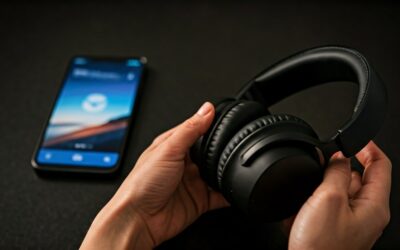

Yes, over the ear headphones are generally better for your ears because they provide superior noise isolation and keep the sound source further from your eardrum. Unlike earbuds, they do not pipe sound directly into the ear canal, which significantly reduces the risk of Noise-Induced Hearing Loss (NIHL) and ear infections.
Key Takeaways: Why Over-Ear Wins for Ear Health
If you are in a hurry, here is the essential breakdown of why over the ear headphones are the safest choice for your long-term hearing health:
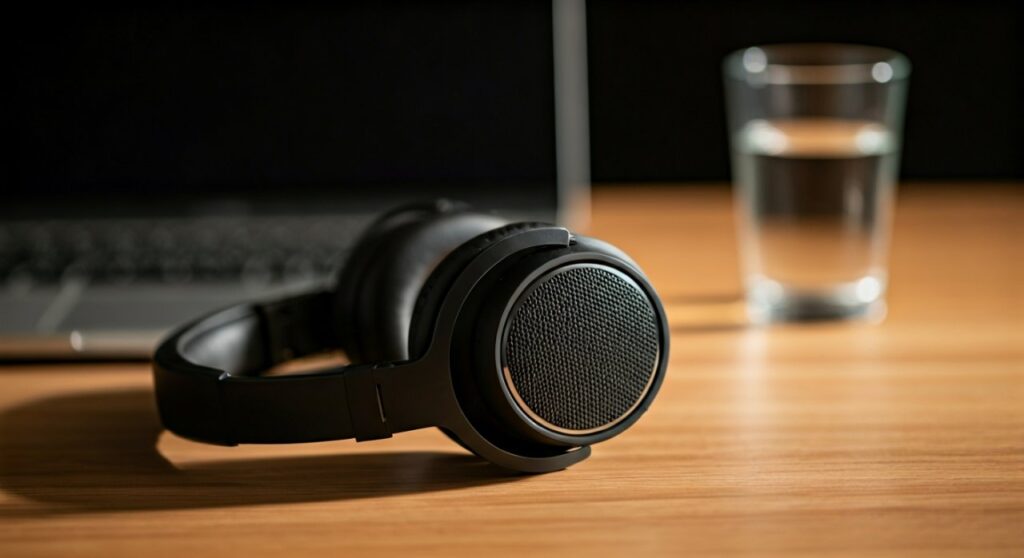
- Lower Volume Levels: Their superior physical seal allows you to enjoy music at lower, safer volumes even in noisy environments.
- Reduced Sound Pressure: Sound waves have more space to dissipate before hitting the eardrum compared to in-ear monitors (IEMs).
- Hygiene: They do not push earwax back into the canal or introduce bacteria directly into the inner ear.
- Comfort: Circumaural (over-ear) designs distribute pressure around the skull rather than on the sensitive cartilage of the ear.
Understanding Why Over the Ear Headphones Are Better Than Earbuds
To understand why are over the ear headphones better than earbuds, we have to look at the physics of sound. When you use earbuds, you are essentially sealing a pressurized chamber inside your ear canal.
This proximity means that the acoustic energy hits your tympanic membrane (eardrum) with much higher intensity. In contrast, over the ear headphones sit outside the ear, allowing the sound to interact with the pinna (the outer ear) naturally.
This natural interaction helps the brain process spatial cues better, which often leads users to feel satisfied with lower volume levels. From my experience testing dozens of units, switching from Apple AirPods to Sony WH-1000XM5 headphones immediately reduced my “volume creep” during morning commutes.
The Science of Sound Pressure and Hearing Loss
Hearing loss is often a result of “dose”—the combination of volume and duration. Experts generally agree that sounds above 85 decibels (dB) can cause permanent damage over time.
Because over the ear headphones better isolate external noise, you aren’t forced to “crank it up” to drown out a jet engine or a loud office. In-ear or over ear headphones better debates often overlook that earbuds can actually increase the sound level by up to 9 dB simply because of the smaller volume of air in the ear canal.
| Feature | Over-Ear Headphones | In-Ear (Earbuds) | On-Ear Headphones |
|---|---|---|---|
| Sound Pressure | Low (Distributed) | High (Direct) | Medium |
| Noise Isolation | Excellent (Passive/Active) | Variable (Seal-dependent) | Poor |
| Infection Risk | Extremely Low | High (Bacteria/Wax) | Low |
| Long-term Comfort | High | Medium/Low | Low (Ear fatigue) |
| Portability | Low | High | Medium |
Are Over Ear Headphones Better Than On Ear for Comfort?
When asking are over ear headphones better than on ear, the answer usually comes down to “ear fatigue.” On-ear models (supra-aural) press directly onto the ear cartilage.
After 60 minutes of use, this pressure can restrict blood flow and cause physical pain. Over-the-ear models use large cushions that rest on the temporal bone of your skull. This makes them the superior choice for professionals who need to wear headsets for 8+ hours a day.
Are Open Ear Headphones Better for Your Ears?
A rising trend in the market involves open-ear or bone conduction technology. But are open ear headphones better for your ears than traditional over-ear models?
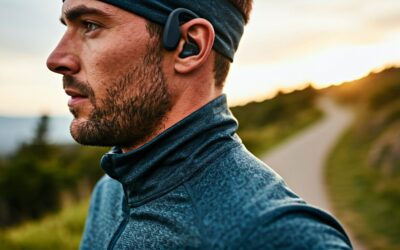
The answer is: it depends on your environment. Open ear headphones are excellent because they leave the ear canal completely unobstructed. This eliminates the “occlusion effect” (the booming sound of your own voice) and prevents moisture buildup.
However, because they let in all ambient noise, many users turn them up to dangerous levels to hear their music. If you are running outside and need situational awareness, open ear headphones are better. But for pure ear safety in a loud gym, a closed-back over-ear pair with Active Noise Cancellation (ANC) is safer.
The Hidden Danger: Hygiene and Ear Infections
As someone who has consulted with audiologists, I’ve learned that in ear or over ear headphones better discussions must include hygiene. Earbuds act like a “plug,” trapping moisture and heat in the ear canal.
This creates a perfect breeding ground for bacteria, leading to otitis externa (swimmer’s ear). Furthermore, earbuds frequently push earwax deeper into the canal, leading to impaction. Over the ear headphones avoid this entirely, as they never touch the internal structures of your ear.
Expert Tips for Using Headphones Safely
Regardless of the type you choose, your behavior matters most. Even the best over the ear headphones can cause damage if used improperly. Follow the 60/60 Rule:
- Listen at no more than 60% volume. Most modern smartphones will give you a “Loudness” warning—do not ignore it.
- Limit use to 60 minutes at a time. Give your ears a 10-minute break to let the tiny hair cells (cilia) in your cochlea recover.
- Invest in ANC. Active Noise Cancellation technology specifically targets low-frequency hums. This allows you to hear the nuances of your audio clearly without needing high volume.
Comparing In-Ear vs. Over-Ear for Different Lifestyles
Choosing between are in ear or over ear headphones better for you depends on your daily routine.
- For Commuters: Over the ear headphones with ANC are the gold standard. They protect your hearing from the high-decibel roar of subways and buses.
- For Athletes: In-ear or on-ear are often preferred for stability. However, if you are worried about ear health, look for open-ear bone conduction models like Shokz.
- For Audiophiles: Over-ear is the only way to go. The larger drivers (usually 40mm to 50mm) provide a wider frequency response and a more natural “soundstage.”
Are Over Ear Headphones Better for Kids?
If you are a parent, you might wonder are over the ear headphones better for children. The answer is a resounding yes.
Children’s ear canals are shorter and smaller, meaning the sound pressure from earbuds is even more intense for them than for adults. Many kid-specific over-ear headphones also come with built-in volume limiters that cap the output at 85 dB, ensuring they cannot accidentally damage their developing hearing.
Summary: Making the Right Choice for Your Ears
In the battle of are in ear or over ear headphones better, the over-ear design is the clear winner for biological safety. They offer:
- Distance: Keeping the driver away from the eardrum.
- Isolation: Reducing the need for high volume.
- Cleanliness: Keeping the ear canal open and dry.
If you prioritize your hearing longevity, investing in a high-quality pair of over-the-ear headphones is one of the best health decisions you can make. While earbuds are convenient for the gym, your “main” listening device should always be a circumaural headset.
Frequently Asked Questions
Are over ear headphones better than in ear for preventing hearing loss?
Yes. Because over-ear headphones block out more background noise, users typically listen at lower volumes. They also prevent the “pressure cook” effect where sound is trapped and amplified in a sealed ear canal.
Are in ear headphones worse than over ear for earwax buildup?
Yes. Earbuds can compress earwax and prevent its natural migration out of the ear. This can lead to wax plugs that require professional medical removal. Over-ear headphones do not interfere with the ear’s natural cleaning process.
Are in ear or on ear headphones better for long flights?
Over-ear headphones are superior for flights. They provide better passive seal against cabin noise and are more comfortable for the several hours required during air travel.
Are open ear headphones better for your ears than noise-canceling ones?
They are better for “ear breathability” and situational awareness, but noise-canceling over-ear headphones are generally better for protecting your hearing in loud environments because they allow for much lower volume levels.