
Yes, are wired headphones making a comeback? The short answer is a resounding yes. After years of Bluetooth dominance, wired headphones are resurging due to the demand for lossless audio quality, the rise of the “wired aesthetic” on social media, and a growing “battery fatigue” among users tired of charging every device they own.
Key Takeaways: Why the Cord is Cool Again
If you are looking for a quick summary of why people are ditching their AirPods for cables, here are the essential points:
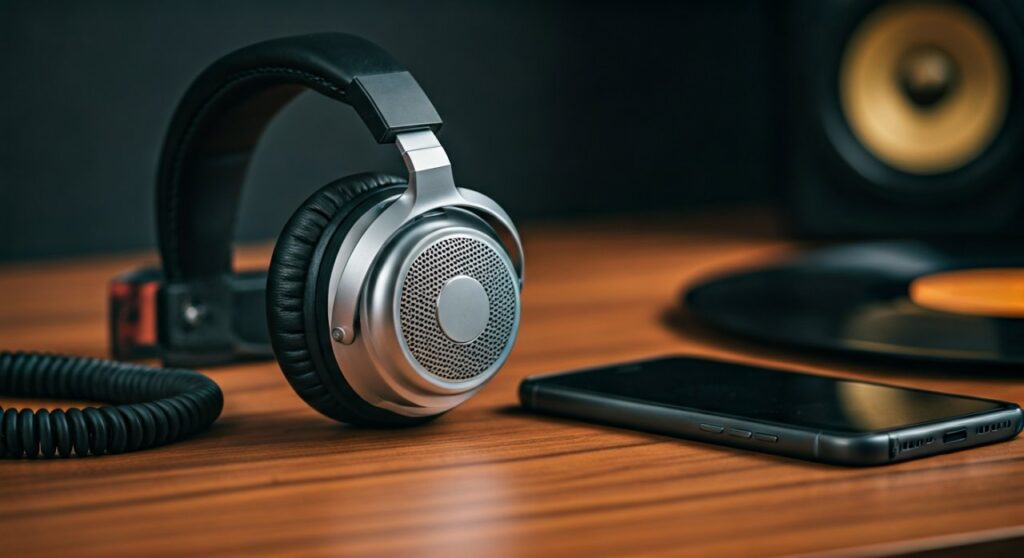
- Superior Sound Quality: Wired connections support Hi-Res and Lossless audio (up to 24-bit/192kHz), which Bluetooth cannot currently handle without compression.
- Zero Latency: Essential for gamers and video editors who need perfectly synced audio.
- Economic Value: A $100 pair of wired headphones often outperforms a $300 wireless pair in terms of raw audio fidelity.
- Sustainability: Wired headphones lack lithium batteries, meaning they don’t become “e-waste” after two years of battery degradation.
- The Aesthetic Factor: Influencers and celebrities have turned the “tangled cord” into a fashion statement, often referred to as “Vintage Core” or “Retro-Tech.”
Why are Wired Headphones Coming Back in 2024?
The movement isn’t just about nostalgia; it’s a calculated shift toward intentional consumption. For years, tech giants pushed the “wireless future,” but users are now rediscovering the practical benefits of analog hardware.
The Quest for High-Fidelity (Hi-Fi) Audio
Streaming platforms like Apple Music, Tidal, and Amazon Music now offer Lossless Audio at no extra cost. However, Bluetooth technology relies on codecs (like AAC or SBC) that compress data to travel through the air. Even the best Bluetooth headphones lose about 20-40% of the original audio data.
To hear Studio Quality sound, you need a physical connection. This has led to a massive spike in sales for In-Ear Monitors (IEMs) and open-back headphones from brands like Sennheiser and Beyerdynamic.
Battery Anxiety and Longevity
We live in an era of “rechargeable fatigue.” Between smartphones, smartwatches, and laptops, users are tired of their headphones dying mid-flight or mid-meeting. Wired headphones are “plug and play.” They draw minimal power from the source device, ensuring you are never left in silence.
Furthermore, AirPods and other wireless buds have a finite lifespan. Once the tiny lithium battery inside them degrades (usually after 2-3 years), the product is effectively dead. A high-quality wired pair like the Sony MDR-7506 can easily last 20 years with simple earpad replacements.
The “Wired Girl” Aesthetic
Social media platforms like TikTok and Instagram have seen a surge in creators wearing wired EarPods. High-profile celebrities like Bella Hadid and Lily-Rose Depp have been photographed frequently with tangled white cords, signaling that being “plugged in” is a stylistic choice. It represents a “cool, lo-fi” vibe that contrasts with the sterile, corporate look of high-end wireless gear.
Are Wired Headphones Making a Comeback: Wired vs. Wireless Comparison
To understand the shift, we must look at how the two technologies stack up across critical categories.
| Feature | Wired Headphones | Wireless (Bluetooth) Headphones |
|---|---|---|
| Audio Quality | Lossless / Hi-Res (Max Bitrate) | Compressed (Lossy) |
| Latency | Zero Latency | 30ms to 200ms Lag |
| Battery Life | Infinite (No charging needed) | 5 to 50 hours (Requires charging) |
| Lifespan | 10 – 30+ Years | 2 – 5 Years (Battery death) |
| Microphone Quality | Clear, Analog signal | Often muffled due to Bluetooth bandwidth |
| Price for Performance | Excellent (High value) | Expensive (Paying for tech) |
| Convenience | Cord can tangle | Total freedom of movement |
A Step-by-Step Guide to Returning to Wired Audio
If you have been using Bluetooth for years, jumping back into the wired world requires a bit of updated knowledge, especially since most modern smartphones lack a dedicated 3.5mm headphone jack.
Step 1: Choose Your Style
- In-Ear Monitors (IEMs): These sit inside the ear canal. They offer incredible isolation and detail. Look at the Moondrop Aria or 7Hz Salnotes Zero for affordable entry points.
- Closed-Back Over-Ear: Best for commuting and office work. They block outside noise. The Audio-Technica ATH-M50x is the industry standard here.
- Open-Back Over-Ear: These are for home use. They leak sound but provide a massive “soundstage” that feels like you are in the room with the band. The Sennheiser HD600 series is legendary for this.
Step 2: Solve the “No Jack” Problem
Since iPhones and many Androids ditched the jack, you will need a DAC (Digital-to-Analog Converter).
- The “Dongle”: The official Apple USB-C to 3.5mm Adapter is surprisingly high quality and costs less than $10.
- Portable DAC/Amps: For higher-end headphones, devices like the FiiO BTR15 or iFi Go Link boost power and clarity significantly.
Step 3: Source High-Quality Files
Using $500 wired headphones with low-quality Spotify settings is like putting cheap gas in a Ferrari.
- Switch your streaming settings to “Very High” or “Lossless.”
- Consider platforms like Qobuz or Tidal for the highest possible bitrates.
The Environmental Impact: Why Wired is the Ethical Choice
As an expert who has consulted on e-waste reduction, I cannot overstate the importance of the wired comeback for the planet.
Every pair of wireless earbuds contains two to three lithium-ion batteries that are nearly impossible to recycle because they are glued into plastic housings. Millions of these are hitting landfills every year. By choosing wired headphones, you are investing in a product that:
- Does not contribute to chemical battery waste.
- Is often user-repairable (cables can be swapped, pads can be replaced).
- Reduces the demand for “planned obsolescence” in the tech industry.
Are Wired Headphones Making a Comeback for Gaming and Productivity?
In the professional world, the comeback never really stopped; it just intensified. Gamers are moving away from “Gaming Headsets” toward studio-wired headphones paired with external mics.
Why? Because in competitive games like Valorant or Counter-Strike, a 100ms delay in audio (common in Bluetooth) means the difference between hearing an enemy and being eliminated.
In Productivity, Zoom fatigue is real. Bluetooth microphones often switch to a low-bitrate “Hands-Free AG” mode during calls, making your voice sound robotic. A wired headset ensures your voice remains crisp and professional during important board meetings.
FAQ: Frequently Asked Questions about Wired Headphones
Do wired headphones sound better than AirPods Pro?
Yes. While AirPods Pro are excellent for convenience and noise cancellation, a pair of $100 wired IEMs or over-ear studio headphones provides more detail, better frequency response, and a more accurate representation of the music.
How do I connect wired headphones to an iPhone 15 or 16?
Since these models use USB-C, you simply need a USB-C to 3.5mm Headphone Jack Adapter. You can buy the official Apple version or a third-party “Dongle DAC” for better sound amplification.
Are wired headphones safer for your brain?
There is no conclusive scientific evidence that Bluetooth RF (Radio Frequency) waves are harmful at the low levels used in headphones. However, some users prefer wired headphones to reduce overall EMF exposure, which is a personal health preference rather than a medically mandated one.
Why are celebrities wearing wired headphones now?
It is a mix of fashion and privacy. Wired headphones are a visual “Do Not Disturb” sign. They also imply that the wearer is an “audiophile” or someone who appreciates “vintage” tech, fitting into the popular Y2K fashion trend.
Can I use wired headphones with a PS5 or Xbox Series X?
Yes. Both consoles feature a 3.5mm jack directly on the controller. This is often the easiest and highest-quality way to get immersive audio without buying expensive proprietary wireless headsets.
**
**
**
**
![What Headphones Does TenZ Use? [2024/2025 Pro Setup]](https://bestcustomerreviews.net/wp-content/uploads/2026/03/what-headphones-does-tenz-use-2024-2025-pro-setup-1774879842-400x250.jpg "What Headphones Does TenZ Use? [2024/2025 Pro Setup]")