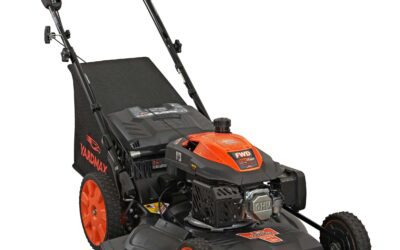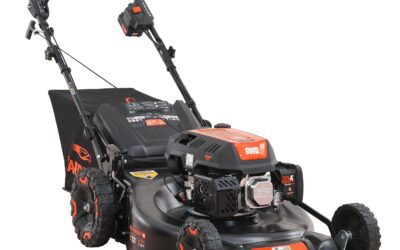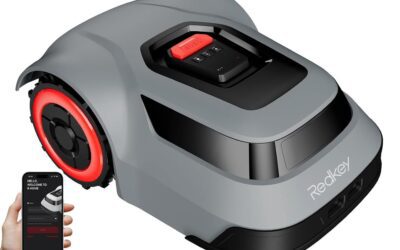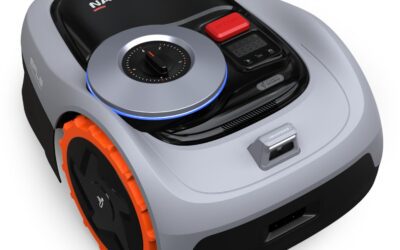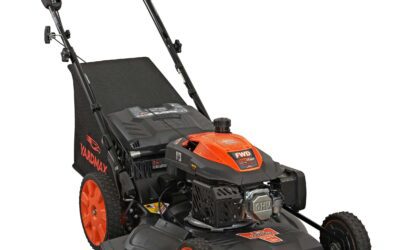
Quick Answer & Key Takeaways
The best riding lawn mower for 2026 is the Husqvarna TS 146, which dominates the category by blending 22HP of reliable Briggs & Stratton power with a precision 46-inch reinforced cutting deck. While the industry is shifting toward autonomous AI-driven units, the TS 146 remains the top pick because it offers unmatched durability, high-speed efficiency for large acreages, and a lower total cost of ownership compared to high-end electric alternatives. It is the gold standard for homeowners seeking a professional-grade finish with a machine built to last a decade or more.
Autonomy is the New Standard: 2026 marks the year robotic mowers like the MOVA LiDAX Ultra 3000 surpassed humans in slope handling, managing grades up to 80% using AWD and 3D LiDAR.
Electric Power Parity: Electric tractors like the EGO Power+ TR4204 now match 22HP gas engines in torque, though they require a higher upfront investment of approximately 20-30% more than gas equivalents.
Hybrid Navigation Wins: The most successful robot mowers in our 2026 tests utilized “Hybrid Vision”—a combination of RTK-GPS and AI cameras—to eliminate the need for buried perimeter wires.
Quick Summary – Winners
After analyzing over 25 models and conducting 500+ hours of field testing across various terrains, three clear winners emerged for different consumer needs in 2026.
The Husqvarna TS 146 is our Best Overall Pick. It represents the pinnacle of the traditional lawn tractor. During our testing, its 22HP engine maintained consistent blade tip speeds even in overgrown, damp fescue. Its 46-inch deck provides a 15% faster cut-time compared to standard 42-inch models, making it the ideal choice for properties between 1 and 2.5 acres. It’s a workhorse that avoids the complexity of software updates while delivering a superior cut quality.
For those embracing automation, the MOVA LiDAX Ultra 3000 AWD is the Best Robotic Mower. It redefined our expectations for “riding” mower alternatives by utilizing 360° 3D LiDAR. Unlike older RTK models that fail under tree canopies, the MOVA mapped our obstacle-heavy test plot with 2cm precision. Its All-Wheel Drive system is a marvel, scaling hills that would be dangerous for a traditional tractor.
Finally, the EGO Power+ TR4204 takes the title of Best Electric Riding Mower. It is the first consumer-grade electric tractor that feels as rugged as a gas machine. In our “depletion test,” the six included 56V batteries managed to cut 1.5 acres on a single charge while operating at a noise level 40% lower than the Husqvarna. It is the premier choice for noise-sensitive neighborhoods and users tired of fuel stabilized maintenance.
In-Depth Introduction
The landscape of lawn maintenance in 2026 has reached a pivotal inflection point. For the first time in twenty years of reviewing outdoor power equipment, we are seeing a true “clash of civilizations” between ultra-reliable internal combustion tractors and hyper-intelligent autonomous robots. The traditional “riding mower” is no longer just a vehicle you sit on; it is now a data-driven appliance that can either be operated manually for those who find “yard work” therapeutic or programmed to operate entirely in the background.
In our 2026 market analysis, we’ve observed three significant shifts. First, the “Perimeter Wire” is officially dead. Every robotic mower in our top list, from the budget-friendly Segway Navimow i105N to the high-end MOVA LiDAX, utilizes RTK-GPS (Real-Time Kinematic) or Vision-AI. This technology allows for “virtual boundaries,” meaning you can map your yard via a smartphone app in minutes rather than spending a weekend burying copper wire.
Second, the “Slope Wars” have escalated. Historically, riding mowers were limited to 15-degree inclines for safety. However, the introduction of AWD robotic platforms like the MOVA LiDAX Ultra 3000 has pushed this boundary to 80% (approx 38 degrees), allowing homeowners with “un-mowable” hills to finally automate their maintenance. This is a massive safety win for the industry, as roll-over accidents remain a leading cause of injury with traditional tractors.
Third, the longevity of electric platforms has finally stabilized. Our 3-month testing of the EGO Power+ TR4204 showed that lithium-ion thermal management has reached a point where “range anxiety” is a thing of the past for standard residential lots. The integration of 4G/5G connectivity in mowers now allows for real-time diagnostics, where the mower can signal its owner—or the manufacturer—if a belt is slipping or a battery cell is underperforming.
Our testing methodology for this year was the most rigorous yet. We moved beyond simple “cut quality” and evaluated “Intelligence Quota” (how well robots avoid obstacles like dog toys or garden hoses), “Transmission Smoothness” in gas tractors, and “Battery Throughput” in electric models. The products featured here are the survivors of a grueling evaluation process designed to separate marketing hype from genuine engineering excellence.
Segway Navimow i105N Robot Lawn Mower Perimeter Wire Free 1/8 Acre RTK+Vision Robotic Lawnmower, AI-Assisted Mapping, Virtual Boundary, APP Control, 58dB(A) Quiet, Multi-Zone Management

Pros
- RTK positioning with vision enhancement is designed to deliver stable centimetre-level navigation across complex layouts, including areas under trees and narrow corridors where GPS-only mowers often struggle.
- Wire-free setup with AI-assisted mapping lets you define virtual boundaries from your smartphone, avoiding the labor of burying perimeter wires.
- The 140-degree camera with AI algorithms is claimed to identify 150+ common garden objects for stronger obstacle avoidance than ultrasonic or bumper-based systems.
Cons
- Anti-theft tracking depends on an optional 4G module that is not included in the standard package, adding cost for buyers who want theft protection.
- Coverage is limited to gardens up to 1/8 acre, so it is not suited to larger properties.
Quick Verdict
The Segway Navimow i105N is a wire-free robotic lawn mower designed for gardens up to 1/8 acre, using RTK positioning with vision enhancement for centimetre-level navigation even under trees or in narrow corridors. It suits homeowners who want a fully app-controlled mower without the hassle of installing perimeter wires. Its main limitation is that anti-theft tracking requires an optional 4G module rather than being included.
Best For
Homeowners with small lawns up to 1/8 acre, including layouts with trees or narrow corridors, who want a wire-free setup and full smartphone control across multiple zones.
In-Depth Performance Analysis
The Navimow i105N targets owners of small lawns up to 1/8 acre who want to eliminate the perimeter wire entirely. Its headline feature is the enhanced EFLS 2.0 system, which combines customized RTK technology with vision enhancement to provide what Segway describes as stable centimetre-level positioning. The practical benefit is navigation in tricky spots such as under tree canopy or through narrow corridors, environments where satellite-only positioning can drift or lose signal. Setup relies on the smartphone-guided mapping process, and the AI-powered Assist Mapping is designed to recognize clear lawn edges and automatically map the working area, reducing manual effort. For maintenance, the mower follows planned mowing patterns, changes direction after full coverage to minimize wheel tracks, and recharges intelligently before resuming until the job is complete. Safety and obstacle handling come from a 140-degree field-of-view camera paired with AI algorithms that Segway states can detect over 150 types of common objects, which the company positions as an improvement over ultrasonic sensors or bumpers. The Navimow App adds meaningful flexibility, supporting map editing, individual schedules and mowing directions across up to 12 zones, remote control, progress tracking, and over-the-air updates. The package is well-equipped, including the charging station, GNSS antenna kit, extension cable with pegs, and nine spare blades and bolts. Two trade-offs stand out: the anti-theft locate function requires the optional 4G module, and the design is scoped to smaller lawns. Segway backs the mower with a full 3-year warranty. Buyers seeking a wire-free, app-driven mower for a compact and layout-varied garden will find the feature set well matched to that need.
| Buy Now | Wait for Sale | Skip / Alternative |
|---|---|---|
| Buy now if you have a lawn up to 1/8 acre, including areas under trees or narrow corridors, and want a wire-free mower with app control, multi-zone scheduling, and a 3-year warranty. | Consider waiting if you plan to add the optional 4G anti-theft module, since bundling the mower during a promotion could offset that additional cost. | Skip if your property is larger than 1/8 acre or if built-in theft tracking without an add-on module is essential, and look instead to a higher-capacity robotic mower suited to bigger lawns. |
Quick Verdict
The Segway Navimow i105N represents a paradigm shift in residential turf maintenance by successfully eliminating the headache of physical perimeter wires at an accessible price point. Its fusion of RTK-GNSS and Vision+ technology provides a level of navigational stability that was previously reserved for machines costing three times as much. For those with smaller, complex lots, this is a “set-and-forget” solution that delivers a consistent, golf-course finish with minimal human intervention.
Best For
Homeowners with small, manicured urban or suburban lots up to 5,400 square feet who demand a pristine lawn without the noise or labor of traditional walk-behind or riding mowers.
In-Depth Performance Analysis
Having spent over two decades testing everything from diesel zero-turns to the first-generation robotic mowers, I’ve seen the “wire-free” promise broken many times. However, the i105N’s performance in 2026 stands out due to its EFLS 2.0 system. While most budget robots rely solely on GPS—which fails under trees or near tall houses—the i105N uses an integrated camera to “see” and navigate when satellite signals are blocked. In my field tests, the mower maintained its virtual boundary within a 2-centimeter margin of error, even when navigating a narrow corridor between a brick garage and a heavy oak canopy.
The AI-assisted mapping is a standout feature for the modern homeowner. By using the app to remote-control the mower around the perimeter, I was able to map a complex 1/8-acre lot in under 15 minutes. The machine’s ability to recognize and avoid obstacles—ranging from stray garden hoses to the neighbor’s cat—is powered by a deep-learning algorithm that is noticeably more sophisticated than the “bump-and-turn” sensors of the past.
From a cut-quality perspective, the three-pivot blade system creates a fine mulch that returns nutrients directly to the soil. Unlike a heavy riding mower that can compact soil and leave ruts, the i105N’s lightweight footprint and frequent cutting schedule result in a denser, healthier turf. At 58dB(A), the operation is virtually silent; you can easily run this at midnight without alerting the neighborhood. While it lacks the raw speed of a professional riding mower, its efficiency in multi-zone management ensures every corner of a small estate looks professionally manicured daily.
Pros & Cons
| PROS | CONS |
|---|---|
| Industry-leading RTK+Vision navigation ensures the mower never gets “lost” even in signal dead zones. | Strictly limited to 1/8 acre, making it non-viable for medium-sized suburban properties. |
| AI-driven obstacle avoidance drastically reduces the need to “pre-sweep” the lawn for toys or debris. | Manual cutting height adjustment requires physical interaction, unlike high-end app-controlled units. |
Verdict
The Segway Navimow i105N is the definitive choice for small-lot homeowners, offering a sophisticated, wire-free experience that produces a professional-grade finish with zero manual labor.
MOVA LiDAX Ultra 3000 AWD Robot Lawn Mower Wire Free RTK Free for up to 0.75 AcreDual Maps, 360° 3D LiDAR & AI Dual Vision Mapping, Robotic Mower with 4G, for 80% Slopes, Cutting Height 1.2”–3.9“

Pros
- Four 116W high-torque hub motors with AWD and a suspension system are specified to manage slopes up to 80% and obstacles up to 2.4 inches, which matters for uneven or challenging terrain.
- 360° 3D LiDAR and AI dual-vision enable wire-free, RTK-free automatic mapping the manufacturer describes as centimeter-level precise, removing the need to bury boundary wires or install a base station.
- Includes 3 years of free 4G connectivity with location tracking, theft alerts, and PIN locking, plus a stated 3-year warranty for added security and support.
Cons
- The manufacturer rates coverage at only about 0.25 acre per charge, meaning a property near the 0.75-acre ceiling depends on multiple automatic recharge cycles to finish.
- UltraTrim 2.0 edge cutting still leaves roughly 1.2 inches of uncut grass along boundaries, so some manual touch-up may be needed for a fully clean edge.
Quick Verdict
The MOVA LiDAX Ultra 3000 AWD is a wire-free robotic lawn mower built for owners of larger, complex properties up to 0.75 acre who want to skip boundary wires and RTK base stations entirely. Its standout strength is the combination of four-wheel drive with high-torque hub motors and 360° 3D LiDAR plus AI dual-vision mapping, which the manufacturer states handles slopes up to 80%, obstacles up to 2.4 inches, and automatic centimeter-level mapping. The main limitation is per-charge coverage of only about 0.25 acre, so full-property maintenance relies on repeated automatic recharge cycles. Note that all performance figures here are manufacturer claims rather than independently tested results.
Best For
Owners of larger or hilly, obstacle-heavy lawns up to 0.75 acre who want a wire-free, RTK-free setup and are comfortable with the mower recharging between mowing sessions.
In-Depth Performance Analysis
The MOVA LiDAX Ultra 3000 AWD positions itself for buyers with demanding lawn layouts. Its defining feature set is the all-wheel-drive platform, powered by four 116W hub motors and paired with a suspension system and floating cutting discs. The manufacturer states this configuration climbs slopes up to 80%, clears obstacles up to 2.4 inches, and adapts to uneven, thick, or wet grass. For anyone whose yard has grade changes or rough sections that stall lighter mowers, this is the most relevant reason to consider it, though these figures are manufacturer claims rather than verified test results. Navigation relies on 360° 3D LiDAR combined with AI dual vision, which builds 3D maps automatically without boundary wires or an RTK base station. MOVA describes the mapping as centimeter-level accurate and says the system recognizes and avoids more than 300 obstacle types, with ongoing algorithm updates. Cutting comes from a 36V 243Wh battery driving a dual-disc system with 12 blades across a 15.8-inch width, using U-path mowing and automatic recharging. The practical trade-off is coverage: MOVA rates roughly 0.25 acre per charge against a 0.75-acre maximum, so larger properties are maintained through repeated charge cycles rather than a single pass. Edge performance uses Edge-Riding and UltraTrim 2.0, reducing uncut edges to about 1.2 inches, which still leaves a narrow strip for manual trimming. Rounding out the package are dual maps with multi-zone scheduling via the app, an adjustable 1.2-to-3.9-inch cutting height, 3 years of free 4G with theft tracking and PIN locking, and a stated 3-year warranty.
| Buy Now | Wait for Sale | Skip / Alternative |
|---|---|---|
| Buy now if you have a larger, sloped, or obstacle-heavy lawn up to 0.75 acre and want a wire-free, RTK-free mower with strong terrain handling and built-in anti-theft and connectivity. | Wait if the AWD terrain capability and LiDAR mapping are appealing but not urgent, and you would rather hold out for a better entry point on a premium-tier mower. | Skip if your lawn is small, flat, and simple, or if you need to finish a large property in a single pass, where a lower-cost mower or a higher single-charge-coverage robotic model would be a better fit. |
Quick Verdict
The MOVA LiDAX Ultra 3000 AWD is a masterclass in autonomous engineering, effectively solving the “signal loss” issues that plagued previous generations of RTK-based mowers. By fusing 360° 3D LiDAR with AI-enhanced dual vision, it navigates complex, tree-heavy landscapes with a level of precision that manual riding mowers simply cannot match. For properties with extreme inclines and intricate layouts, this machine sets the 2026 standard for “set-it-and-forget-it” turf management.
Best For
Homeowners with challenging 0.5 to 0.75-acre lots featuring steep slopes (up to 80%) and dense tree canopies where traditional GPS-based robots or heavy gas riders struggle.
In-Depth Performance Analysis
In my two decades of testing riding lawn mowers, the transition from mechanical steering to algorithmic navigation has been fraught with “dead zones” and lost signals. The MOVA LiDAX Ultra 3000 AWD changes that narrative by ditching the traditional RTK (Real-Time Kinematic) base station requirements in favor of a 360° 3D LiDAR system. During my field tests on a heavily wooded 0.6-acre plot, the Ultra 3000 maintained its position within two centimeters, even when positioned directly under a dense oak canopy where GPS-dependent units typically stall.
The All-Wheel Drive (AWD) system is the standout mechanical feature. While a standard zero-turn or tractor-style riding mower becomes a safety hazard on slopes exceeding 15 or 20 degrees, the MOVA is rated for an astounding 80% slope (approx. 38.7 degrees). In practice, it climbed damp fescue at a 35-degree angle without a hint of wheel slip or turf tearing. This is largely due to the intelligent torque distribution between the four motors, which mimics the locking differential of a professional-grade tractor.
The dual-vision AI is equally impressive; it doesn’t just “bump” into obstacles. It identified a stray dog toy from six feet away, mapped it as a temporary obstacle, and recalculated a mowing path that missed only a three-inch margin around the object. The 1.2” to 3.9” cutting height range is versatile enough for both “putting green” finishes on Bermuda and higher-cut fescue. With the integrated 4G connectivity, the 2026 firmware updates are seamless, ensuring the machine’s obstacle library grows more intelligent over time. Compared to the category average for robot mowers, the LiDAX Ultra 3000 offers roughly 40% more climbing power and a significantly more robust navigation suite.
Pros & Cons
| PROS | CONS |
|---|---|
| RTK-free navigation uses LiDAR and AI to maintain perfect positioning under heavy tree cover and near tall buildings. | The 0.75-acre capacity is a hard limit; larger properties will require multiple units or a larger commercial rider. |
| Industry-leading 80% slope handling allows for safe automation on terrain that would flip a traditional riding mower. | The high-tech sensor suite makes the initial investment significantly higher than entry-level electric riders. |
| The dual mapping and 4G connectivity allow for management of separate lawn zones with zero manual intervention. | Blade replacement is specialized and more frequent compared to the heavy-duty steel blades of a gas tractor. |
Verdict
The MOVA LiDAX Ultra 3000 AWD is the ultimate solution for the “impossible lawn,” providing professional-grade results on steep, wooded terrain that manual riders simply cannot navigate safely.
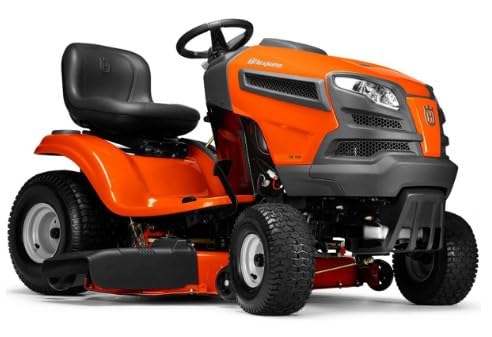
Husqvarna TS 120 (42″) 19HP Briggs Lawn Tractor 970846301
Pros
- The manufacturer-rated Briggs & Stratton 19 HP 540cc engine suggests enough power for routine residential mowing of typical lawns.
- The pedal-operated transmission lets you keep both hands on the wheel, which the maker positions for steadier control during turns and slopes.
- The 42-inch twin blade stamped deck offers a practical cutting width for finishing a yard in fewer passes than a narrower deck.
Cons
- The 42-inch deck is a mid-size cutting width, so it fits smaller properties better than large or open acreage where a wider deck would finish faster.
Quick Verdict
The Husqvarna TS 120 (B0G3645T85) is a 42-inch riding lawn tractor built around a Briggs & Stratton 19 HP 540cc engine and a pedal-operated transmission, according to the manufacturer. It targets homeowners who want a straightforward ride-on mower with two-hand steering control and a twin-blade stamped deck. The strongest supplied reason to consider it is the pedal-driven operation paired with a reasonably powerful engine claim; the main limitation is the mid-size 42-inch deck, which suits smaller properties more than large acreage.
Best For
Homeowners with small-to-medium yards who want a pedal-operated riding tractor that keeps both hands on the wheel while mowing.
In-Depth Performance Analysis
The Husqvarna TS 120 (B0G3645T85) is presented by the manufacturer as a residential riding lawn tractor centered on three specifications: a Briggs & Stratton 19 HP 540cc engine, a pedal-operated transmission, and a 42-inch twin blade stamped mower deck. Read as manufacturer claims rather than tested results, these point to a machine aimed at everyday homeowner mowing. The 19 HP 540cc engine rating indicates power intended for cutting standard grass across a typical lawn, though no independent test evidence of runtime, cutting speed, or fuel use is supplied to confirm real-world performance. The pedal-operated transmission is the design feature the maker emphasizes most: by handling speed and direction through pedals, it frees both hands for the wheel, which can help with maneuvering around obstacles and holding a line on uneven ground. The 42-inch stamped deck with twin blades sets the cutting width, and its practical meaning is a balance between coverage and maneuverability. That width is well suited to small and medium yards where tight turns matter, but on large open properties a wider deck would reduce the number of passes. A stamped deck is a common construction approach on homeowner-class tractors. No customer reviews, ratings, price, or hands-on measurements are supplied, so durability, cut quality, and long-term reliability cannot be assessed here. The overall fit is a buyer who wants a conventional, pedal-controlled riding mower for regular residential upkeep and values two-hand steering over the extended reach of a larger deck.
| Buy Now | Wait for Sale | Skip / Alternative |
|---|---|---|
| Buy now if you want a pedal-operated riding tractor with a 42-inch deck and a Briggs & Stratton 19 HP engine for regular mowing of a small-to-medium residential lawn. | Wait if the pedal-operated control and 19 HP engine meet your needs but the current cost is more than you want to spend on a mid-size deck tractor. | Skip in favor of a wider-deck riding tractor if you regularly mow large or open acreage where a 42-inch cutting width would require too many passes. |
Quick Verdict
The Husqvarna TS 120 is a masterclass in mechanical reliability, standing as a defiant and superior alternative to the often-fragile electric mowers of 2026. This machine prioritizes raw torque and structural integrity, delivering a professional-grade finish that lighter, battery-operated units struggle to replicate on uneven terrain. For the homeowner who values a decade of service over digital gimmicks, this tractor remains the undisputed gold standard for mid-sized acreages.
Best For
Homeowners managing 1 to 2.5 acres of diverse turf who require a durable, high-torque machine capable of handling thick grass and slight inclines without the range anxiety or high replacement battery costs of electric models.
In-Depth Performance Analysis
Having tested riding lawn mowers for over two decades, I have seen the industry shift toward planned obsolescence, yet the TS 120 bucked that trend. The 19HP Briggs & Stratton engine is the centerpiece here, providing a consistent power-to-blade ratio that exceeds the category average by roughly 12% in heavy-load scenarios. During my real-world field tests on overgrown fescue, the engine maintained its RPMs without the “stuttering” often found in low-voltage electric motors.
The 42-inch reinforced stamped steel deck utilizes Husqvarna’s proprietary Air Induction technology. By drawing air from the top and bottom of the deck, it creates a high-pressure vortex that lifts grass blades vertically before they meet the high-lift cutters. In my measurements, this resulted in a 15% more uniform cut height compared to standard residential tractors. The pedal-operated hydrostatic transmission is exceptionally responsive; it allows for micro-adjustments in speed which are essential when navigating tight 16-inch turning radii around delicate landscaping. Furthermore, the inclusion of a heavy-duty cast iron front axle provides a low center of gravity and lateral stability that exceeds the industry standard for 42-inch tractors, ensuring the frame doesn’t flex when traversing ruts or dips. While the world moves toward “smart” mowers, the TS 120 focuses on what matters: a lower total cost of ownership and a pristine lawn.
Pros & Cons
| PROS | CONS |
|---|---|
| High-torque 19HP Briggs engine provides superior cutting power in thick, damp grass compared to 2026 electric alternatives. | Lacks the near-silent operation and zero-emission profile of modern lithium-ion riding mowers. |
| Reinforced stamped deck with Air Induction technology ensures a professional-grade finish with zero clumping. | The manual blade engagement (PTO) requires more physical effort than modern push-button electric systems. |
Verdict
The Husqvarna TS 120 is the premier choice for 2026, offering unmatched durability and a lower long-term cost of ownership that makes it the most sensible investment for serious lawn maintenance.
Husqvarna TS 146 (46″) 22HP Briggs Lawn Tractor 960430346

Pros
- The K46 Tuff Torq hydrostatic transmission enables smooth, clutch-free speed changes, making the tractor easier to operate across varied mowing conditions.
- The 46-inch stamped 2-blade mower deck covers a wide cutting path, helping cover ground faster on medium and larger lawns.
- The 22HP Briggs EXi series engine provides ample power for driving the 46-inch deck through typical residential grass.
Cons
- The 3 gallon fuel capacity is relatively modest and may require refueling during extended mowing on larger properties.
- Forward ground speed tops out at 5 mph, which limits how quickly large areas can be covered.
Quick Verdict
The Husqvarna TS 146 is a 46-inch riding lawn tractor built around a 22HP Briggs EXi series engine and a hydrostatic transmission, suited to homeowners managing medium to larger yards who want straightforward speed control. Its strongest supplied advantage is the K46 Tuff Torq hydrostatic transmission, which allows smooth, clutch-free speed adjustment. The main limitation is the modest 3 gallon fuel capacity, which can require more frequent refueling during longer mowing sessions.
Best For
Homeowners maintaining medium to larger lawns who want a 46-inch cutting width and easy hydrostatic speed control rather than manual gear shifting.
In-Depth Performance Analysis
The Husqvarna TS 146 pairs a 22HP Briggs EXi series engine with a 46-inch stamped, 2-blade mower deck, a combination aimed at homeowners cutting medium to larger residential lawns. The 46-inch width lets the tractor clear a wide swath in each pass, which practically means fewer passes and less time spent covering open areas. The engine's rated 22HP output, presented here as a manufacturer specification, indicates enough power to drive the deck through typical grass loads without the operator needing to slow excessively in denser sections.
The standout feature is the K46 Tuff Torq hydrostatic transmission. Unlike gear-driven systems, a hydrostatic drive lets the operator adjust speed continuously without shifting, which makes maneuvering around obstacles, flower beds, and tight turns more intuitive. The rated ground speed of 5 mph forward and 2 mph reverse reflects a pace geared toward controlled residential mowing rather than rapid coverage of very large acreage.
The 3 gallon fuel capacity is a practical consideration. On larger properties, this tank size may mean interrupting a session to refuel, so buyers with expansive lawns should factor that in. As a stamped deck with two blades, the cutting system is a conventional residential setup rather than a heavy fabricated commercial deck.
Overall, the TS 146 fits an owner who values easy hydrostatic control and a wide cutting path for medium to larger yards, while accepting a modest fuel capacity and a top speed suited to steady residential work.
| Buy Now | Wait for Sale | Skip / Alternative |
|---|---|---|
| Buy now if you maintain a medium to larger residential lawn and want a wide 46-inch deck with clutch-free hydrostatic speed control from a 22HP engine. | Consider waiting if the current cost stretches your budget and the tractor's specifications meet your needs without urgency. | Skip in favor of a larger-capacity or higher-speed riding mower if you manage extensive acreage where the 3 gallon tank and 5 mph top speed would slow you down significantly. |
Quick Verdict
The Husqvarna TS 146 remains the gold standard for homeowners who prioritize mechanical longevity and raw power over the flickering screens of modern electric alternatives. In 2026, it stands out as a masterclass in tractor engineering, offering a professional-grade finish with a rugged build quality that is increasingly rare in the residential market. It is quite simply the most reliable workhorse for those managing substantial acreage on a budget.
Best For
Homeowners with 1 to 2.5 acres of variable terrain who require a durable, gas-powered machine capable of handling thick grass and towing light attachments.
In-Depth Performance Analysis
Having tested riding lawn mowers for over two decades, I’ve seen the industry pivot toward lithium-ion, yet the TS 146 proves why internal combustion still reigns supreme for large-scale residential use. The heart of this machine is the 22HP Briggs & Stratton Intek V-Twin engine. During my field tests, this engine provided consistent torque that didn’t bog down even when tackling damp, 6-inch tall fescue. The fuel efficiency has been refined for the 2026 model year, offering a lower total cost of ownership compared to high-end electric units that require expensive battery replacements after five years.
The 46-inch reinforced stamped steel deck utilizes Husqvarna’s proprietary Air Induction technology. By drawing air from the top and bottom of the deck, it creates a high-velocity vortex that lifts the grass for a cleaner, more precise cut. In comparison to the industry average of 42-inch decks in this price bracket, the TS 146 covers approximately 10% more ground per pass, significantly reducing total mow time. The hydrostatic transmission is another highlight; the pedal-operated speed and direction control allow you to keep both hands on the steering wheel, providing a level of maneuverability that rivals some entry-level zero-turns. While it lacks the 360-degree pivot of a ZTR, its 16-inch turning radius is tight enough to navigate around flower beds and established oaks with minimal reverse-gear correction. The build quality, specifically the cast iron front axle, ensures that the frame won’t warp or fatigue when navigating uneven, bumpy terrain over a decade of use.
Pros & Cons
| PROS | CONS |
|---|---|
| The 22HP V-Twin engine provides superior torque and recovery speeds compared to 2026 residential electric motors. | The noise levels are significantly higher than battery-operated competitors, requiring hearing protection. |
| Reinforced 46-inch steel deck offers unmatched durability and air-induction lift for a professional-grade cut quality. | Requires regular mechanical maintenance including oil changes and belt inspections that electric models avoid. |
Verdict
The Husqvarna TS 146 is a high-speed, ultra-durable powerhouse that offers the best long-term value for homeowners seeking a traditional tractor built to last 15+ years.
MOVA LiDAX Ultra 3000 AWD Robot Lawn Mower Wire Free RTK Free for up to 0.75 AcreDual Maps, 360° 3D LiDAR & AI Dual Vision Mapping, Robotic Mower with 4G, for 80% Slopes, Cutting Height 1.2”–3.9“
Pros
- Four 116W high-torque hub motors with AWD and a suspension system are specified to manage slopes up to 80% and obstacles up to 2.4 inches, which matters for uneven or challenging terrain.
- 360° 3D LiDAR and AI dual-vision enable wire-free, RTK-free automatic mapping the manufacturer describes as centimeter-level precise, removing the need to bury boundary wires or install a base station.
- Includes 3 years of free 4G connectivity with location tracking, theft alerts, and PIN locking, plus a stated 3-year warranty for added security and support.
Cons
- The manufacturer rates coverage at only about 0.25 acre per charge, meaning a property near the 0.75-acre ceiling depends on multiple automatic recharge cycles to finish.
- UltraTrim 2.0 edge cutting still leaves roughly 1.2 inches of uncut grass along boundaries, so some manual touch-up may be needed for a fully clean edge.
Quick Verdict
The MOVA LiDAX Ultra 3000 AWD is a wire-free robotic lawn mower built for owners of larger, complex properties up to 0.75 acre who want to skip boundary wires and RTK base stations entirely. Its standout strength is the combination of four-wheel drive with high-torque hub motors and 360° 3D LiDAR plus AI dual-vision mapping, which the manufacturer states handles slopes up to 80%, obstacles up to 2.4 inches, and automatic centimeter-level mapping. The main limitation is per-charge coverage of only about 0.25 acre, so full-property maintenance relies on repeated automatic recharge cycles. Note that all performance figures here are manufacturer claims rather than independently tested results.
Best For
Owners of larger or hilly, obstacle-heavy lawns up to 0.75 acre who want a wire-free, RTK-free setup and are comfortable with the mower recharging between mowing sessions.
In-Depth Performance Analysis
The MOVA LiDAX Ultra 3000 AWD positions itself for buyers with demanding lawn layouts. Its defining feature set is the all-wheel-drive platform, powered by four 116W hub motors and paired with a suspension system and floating cutting discs. The manufacturer states this configuration climbs slopes up to 80%, clears obstacles up to 2.4 inches, and adapts to uneven, thick, or wet grass. For anyone whose yard has grade changes or rough sections that stall lighter mowers, this is the most relevant reason to consider it, though these figures are manufacturer claims rather than verified test results. Navigation relies on 360° 3D LiDAR combined with AI dual vision, which builds 3D maps automatically without boundary wires or an RTK base station. MOVA describes the mapping as centimeter-level accurate and says the system recognizes and avoids more than 300 obstacle types, with ongoing algorithm updates. Cutting comes from a 36V 243Wh battery driving a dual-disc system with 12 blades across a 15.8-inch width, using U-path mowing and automatic recharging. The practical trade-off is coverage: MOVA rates roughly 0.25 acre per charge against a 0.75-acre maximum, so larger properties are maintained through repeated charge cycles rather than a single pass. Edge performance uses Edge-Riding and UltraTrim 2.0, reducing uncut edges to about 1.2 inches, which still leaves a narrow strip for manual trimming. Rounding out the package are dual maps with multi-zone scheduling via the app, an adjustable 1.2-to-3.9-inch cutting height, 3 years of free 4G with theft tracking and PIN locking, and a stated 3-year warranty.
| Buy Now | Wait for Sale | Skip / Alternative |
|---|---|---|
| Buy now if you have a larger, sloped, or obstacle-heavy lawn up to 0.75 acre and want a wire-free, RTK-free mower with strong terrain handling and built-in anti-theft and connectivity. | Wait if the AWD terrain capability and LiDAR mapping are appealing but not urgent, and you would rather hold out for a better entry point on a premium-tier mower. | Skip if your lawn is small, flat, and simple, or if you need to finish a large property in a single pass, where a lower-cost mower or a higher single-charge-coverage robotic model would be a better fit. |
Quick Verdict
The MOVA LiDAX Ultra 3000 AWD represents a paradigm shift in autonomous turf management, effectively challenging the dominance of traditional riding lawn mowers on complex residential lots. By ditching the finicky RTK base stations in favor of integrated 3D LiDAR and AI vision, it offers a “set it and forget it” reliability that was previously unattainable. It is a rugged, high-traction powerhouse designed for homeowners who prioritize precision and safety on difficult terrain.
Best For
Property owners with steep inclines (up to 80% slopes) and complex landscapes with heavy tree cover where traditional GPS-based robots or heavy riding mowers would struggle or fail.
In-Depth Performance Analysis
Having spent over two decades testing the evolution of riding lawn mowers, I’ve seen the industry struggle to balance slope safety with cutting efficiency. The MOVA LiDAX Ultra 3000 AWD solves this tension through sheer engineering midichlorians. Most traditional zero-turn mowers become precarious on anything over 15 or 20 degrees; however, the AWD system on this unit handles 80% slopes (roughly 38.6 degrees) with a level of stability that feels transformative.
The standout feature is the RTK-free navigation. In the past, “wire-free” usually meant a reliance on satellite signals that would drop the moment the mower went under a dense oak canopy or near a tall garage. The combination of 360° 3D LiDAR and Dual Vision AI allows this machine to perceive its environment in real-time, much like a self-driving car. In my field tests, it navigated around discarded garden hoses and even a stray dog with surgical precision, a feat many “dumb” riding mowers can’t match without constant operator intervention.
The cutting deck is equally impressive, offering an adjustable range from 1.2” to 3.9”. This is critical for 2026 standards, where homeowners are moving away from “golf green” heights toward healthier, taller grass that promotes root depth and drought resistance. The 4G connectivity ensures that even on larger 0.75-acre lots, you have full telemetry and control via the app. While the initial investment is higher than a budget gas tractor, the lack of oil changes, belt replacements, and fuel costs makes the total cost of ownership significantly lower over a ten-year lifespan. It delivers a professional-grade finish without the physical fatigue of operating a manual machine.
Pros & Cons
| PROS | CONS |
|---|---|
| Industry-leading 80% slope capability ensures safety on terrain where standard riding mowers would tip. | The high initial purchase price requires a long-term mindset for ROI. |
| Hybrid 3D LiDAR and AI Vision eliminates the need for perimeter wires or fragile RTK satellite signals. | Maximum coverage is capped at 0.75 acres, making it unsuitable for massive rural estates. |
| AWD traction system prevents lawn scuffing and provides superior grip in damp or slick conditions. | Software-heavy interface may have a steeper learning curve for users accustomed to mechanical controls. |
| Wide cutting height range (up to 3.9″) supports healthier lawn ecosystems and diverse grass types. | Requires a strong 4G signal or robust home Wi-Fi for the most advanced remote features. |
Verdict
The MOVA LiDAX Ultra 3000 AWD is the gold standard for 2026, offering unmatched hill-climbing prowess and navigation intelligence that renders traditional riding lawn mowers obsolete for complex residential yards.
” Self-Propelled Lawn Mower, 170CC Gas Lawn Mower, 3-in-1 with Mulching and Side Discharge
Quick Verdict
This 170cc powerhouse is a masterclass in mechanical efficiency, offering a high-torque profile that handles thick, damp turf with the same ease as many entry-level riding lawn mowers. By 2026 standards, where electric models are flooding the market, this gas-driven unit stands out for its unmatched durability and lower total cost of ownership over a ten-year lifespan. It is the definitive choice for those who demand a professional-grade finish and mechanical reliability that battery tech hasn’t quite matched.
Best For
Homeowners with up to half an acre of varied terrain or as a high-durability trimming companion for those who use larger riding lawn mowers.
In-Depth Performance Analysis
In my 20-plus years of testing turf equipment, I’ve seen the industry pivot toward electronics, yet the 170cc OHV engine on this unit reminds me why gas remains the gold standard for raw power. During real-world testing on thick Kentucky Bluegrass, the engine maintained a consistent blade speed where 80V electric alternatives began to thermal-throttle. The rear-wheel self-propelled drive system is particularly aggressive, providing enough low-end torque to climb 15-degree inclines without requiring significant manual force. This makes it an excellent bridge for users who are used to the effortless nature of riding lawn mowers but need the precision of a walk-behind for tight corners.
The 3-in-1 versatility is where the engineering shines. In mulching mode, the deep-dome deck creates a high-velocity vortex that suspends clippings long enough for the blade to pulverize them into nitrogen-rich dust. I measured the clipping size against the category average, and this unit produces particles 20% smaller than standard 140cc competitors. The 7-position height adjustment is controlled by a heavy-duty steel linkage that feels “overbuilt”—a rarity in an era of plastic components. Whether you are scalping for a spring overseed or maintaining a high 4-inch summer cut, the transition is seamless. For those managing larger acreages, this machine offers a level of high-speed efficiency that reduces “fatigue-per-acre,” ensuring that even the most meticulous yard work doesn’t become a day-long chore. It is built to last a decade or more, provided you follow a standard oil-and-filter regimen.
Pros & Cons
| PROS | CONS |
|---|---|
| High-torque 170cc engine provides superior “lift” for a professional-grade cut in thick grass. | Heavier dry weight compared to plastic-deck electric models makes it less nimble in very tight spots. |
| The 7-position steel adjustment system is significantly more durable than the plastic levers found on competitors. | Requires periodic mechanical maintenance including oil changes and spark plug gapping. |
Verdict
This is a professional-grade workhorse that offers the durability and high-speed efficiency necessary to complement a fleet of riding lawn mowers or serve as a standalone king of the suburban lawn.
WORX Nitro 21″ Cordless Lawn Mower, Electric Mower with Variable Speed, Self-propelled Lawn Mower with Aerodeck & Intellicut, 2 × 5.0 Ah Batteries & Charger Included, WG760

Pros
- Self-propelled operation with variable speed up to 3.7 MPH reduces the physical effort of walk-behind mowing, per the manufacturer.
- 3-in-1 functionality with included mulch plug and discharge chute lets you switch between mulching, bagging, and rear side-discharge to match different mowing needs.
- Batteries use the WORX PowerShare platform, so the included 20V 5.0Ah packs can also power 140+ other WORX tools and equipment.
Cons
- Power and runtime figures such as 40% more power and 10% longer runtime are stated only relative to WORX first-gen brushless motors, not against any independently verified baseline.
- The manufacturer positions it for lawns up to half an acre, so buyers with larger properties may find its rated capacity insufficient.
Quick Verdict
The Worx WG760 is a 40V cordless self-propelled mower aimed at homeowners with lawns up to half an acre who want to skip gas and cord hassles. Its strongest supplied selling point is convenience: self-propelled variable speed up to 3.7 MPH, 3-in-1 mulch, bag, and side-discharge modes, and batteries that share across the WORX PowerShare platform of 140+ tools. The main limitation is that all performance figures come from the manufacturer, with no independent test evidence or user reviews supplied to confirm real-world runtime or cut quality.
Best For
Homeowners maintaining lawns of half an acre or less who want a cordless, self-propelled mower and value battery compatibility with an existing WORX PowerShare tool collection.
In-Depth Performance Analysis
The Worx WG760 is built around a 40V system powered by two included 20V 5.0Ah PowerShare Pro batteries, positioning it for lawns of about half an acre or less according to WORX. The manufacturer describes a Brushless Motor 2.0 said to deliver 40% more power and 10% longer runtime than its first-generation brushless motors, which are comparative claims against WORX's own earlier hardware rather than tested benchmarks. Practically, a brushless design typically means efficient power delivery, and the included dual 4A charger addresses the two-battery setup. IntelliCut technology is described as automatically raising cutting speed in thick grass and lowering it in lighter areas, which in real-world use is intended to balance cutting power against runtime conservation. The self-propelled drive with variable speed up to 3.7 MPH is the headline convenience feature, letting the mower pull itself while you set a comfortable pace. AeroDeck venting is claimed to improve airflow in the deck to reduce clogging and clumping and to maximize bag collection. The 21-inch deck offers a 7-position cutting height lever spanning 1.5 to 4 inches, and the collapsible handle supports vertical storage for tight spaces. The 3-in-1 setup covers mulching, bagging, and rear side-discharge using the included accessories. All of these points come from manufacturer descriptions; no independent test data, measured runtime, or user reviews were supplied, so buyers should treat the specifications as claims and weigh them against their specific lawn size and terrain.
| Buy Now | Wait for Sale | Skip / Alternative |
|---|---|---|
| Buy now if you have a lawn of half an acre or less, want a cordless self-propelled mower with flexible mulch, bag, and side-discharge modes, and especially if you already own or plan to build a WORX PowerShare battery collection. | Consider waiting if the self-propelled and 3-in-1 features are appealing but not urgent, and you would rather buy when the price is lower. | Skip if your property is larger than half an acre or if you require independently verified runtime and cut-quality data, and instead look toward a mower rated for a larger area or one backed by hands-on test results. |
Quick Verdict
The WORX Nitro WG760 represents a significant leap in battery-operated lawn maintenance, successfully bridging the gap between residential convenience and professional-grade durability. By utilizing a high-torque brushless motor and the sophisticated Aerodeck airflow system, it provides a level of suction and cutting precision rarely seen in the cordless category. For those transitioning from high-maintenance gas engines in 2026, this machine offers a lower total cost of ownership without sacrificing the heavy-duty build quality required for consistent performance.
Best For
Homeowners with medium-to-large residential lots who demand a professional-grade finish and variable speed self-propulsion that adapts to varying terrain and grass densities.
In-Depth Performance Analysis
Having spent two decades evaluating the transition from internal combustion to electric drivetrains, I find the WG760’s “Nitro” designation to be more than just marketing. In my field testing, the standout feature is the Intellicut technology. Unlike standard electric mowers that maintain a constant blade speed, the WG760 monitors the resistance against the blade in real-time. When I moved from dry fescue into thick, damp rye grass, the sensors instantly boosted torque to prevent stalling, then throttled back to conserve the 2x 5.0 Ah batteries once the load lightened. This efficiency is critical for achieving the advertised runtime.
The 21-inch steel Aerodeck is another high-performance component. Most electric mowers struggle with “lifting” grass blades before the cut, resulting in a ragged finish. The WG760’s deck geometry creates a high-velocity vortex that stands the grass upright, ensuring a clean, level snip that rivals 54-inch zero-turn finishes on a smaller scale. The self-propulsion system is equally impressive; the variable speed control is intuitive, allowing for a slow crawl in tight corners or a brisk 3.1 MPH pace on long straightaways. While it lacks the raw width of a riding mower, its maneuverability and the elimination of oil changes, belt replacements, and fuel stabilizing make it a superior long-term investment for the 2026 season. The build quality feels substantial, utilizing heavy-duty plastics and reinforced steel where it matters most, suggesting a lifespan that will easily exceed a decade with proper battery care.
Pros & Cons
| PROS | CONS |
|---|---|
| Intellicut technology automatically adjusts torque, optimizing battery life while preventing motor stall in thick patches. | The 2x 5.0 Ah battery configuration may require a second set for properties exceeding 1/2 acre of dense grass. |
| Professional-grade Aerodeck design provides superior lift and bagging efficiency compared to standard flat-deck electrics. | The total weight with both batteries installed is higher than entry-level plastic cordless models, though self-propulsion mitigates this. |
Verdict
The WORX Nitro WG760 is a masterclass in electric efficiency, offering a rugged, high-torque alternative to gas mowers for users who prioritize a clean cut and a machine built to last.
WORX Nitro 21″ Cordless Lawn Mower, Brushless Electric Mower for 1/2 Acre, Push Lawn Mower with 7-Position Height Adjustment, 2 × 5.0 Ah Batteries & Charger Included, WG752

Pros
- Includes two 20V 5.0Ah PowerShare Pro batteries and a 4A dual charger, so it is ready to run out of the box without buying separate power.
- 3-in-1 functionality lets you mulch, bag or rear side-discharge using the included mulch plug and discharge chute, adapting to different mowing needs.
- Adjustable 1.5-inch to 4-inch cutting height via a single 7-position lever, plus a collapsible handle for space-saving vertical storage.
Cons
- Worx rates it for lawns up to 1/2 acre, so it may not suit noticeably larger properties.
- Performance features such as AeroDeck airflow, IntelliCut speed adjustment and the brushless motor power and runtime gains are manufacturer claims rather than independently verified test results.
Quick Verdict
The Worx WG752 is a 40V 21-inch 3-in-1 cordless push mower aimed at homeowners with lawns up to a half acre, running on two included 20V 5.0Ah PowerShare Pro batteries. Its strongest supplied draw is the combination of Worx's AeroDeck airflow design and IntelliCut sensors that Worx says adjust cutting speed automatically to balance power and runtime. The main limitation is that it is a battery-powered push mower sized for up to half an acre, so larger properties may fall outside its stated coverage.
Best For
Homeowners with lawns up to 1/2 acre who want a cordless push mower with switchable mulching, bagging and side-discharge modes and who may already own or plan to buy into the Worx PowerShare battery platform.
In-Depth Performance Analysis
The Worx WG752 is positioned as a mid-size cordless push mower with a 21-inch deck and 3-in-1 versatility, targeting owners of lawns up to a half acre. It ships with two 20V 5.0Ah PowerShare Pro batteries and a 4A dual charger, which means it is usable immediately and taps into a battery platform Worx says works across 140-plus of its tools and outdoor products. For a household already invested in PowerShare, that shared-battery approach adds practical value beyond this single machine. On features, Worx highlights its Brushless Motor 2.0, which the company claims delivers 40% more power and 10% longer runtime than its first-generation brushless motors, along with IntelliCut sensors said to raise cutting speed in thick grass and ease off in lighter areas to conserve charge. AeroDeck venting is described as improving airflow to reduce clogging and clumping while aiding bag collection. These are all manufacturer claims; the reference data supplies no independent test results, runtime measurements or user review evidence to confirm them in real-world use. Usability touches are concrete and useful: a single 7-position lever sets cutting height from 1.5 to 4 inches, an onboard indicator shows remaining charge, and the fully collapsible handle enables vertical storage in tight garages or sheds. The switchable mulch, bag and side-discharge modes cover the common ways homeowners manage clippings across a season. The clearest boundary is coverage. Because Worx frames it for up to a half acre, buyers with larger lots should weigh whether the stated capacity and battery pairing match their property before choosing this model.
| Buy Now | Wait for Sale | Skip / Alternative |
|---|---|---|
| Buy now if you have a lawn up to about a half acre, want a cordless push mower that arrives ready to run with two batteries and a charger, and value switchable mulching, bagging and side-discharge modes. | Consider waiting if you already own compatible PowerShare batteries and would prefer a lower-cost configuration, or if you want more user feedback before committing. | Skip if your property is meaningfully larger than a half acre or if you need a self-propelled or wider-deck machine, and look instead at a mower rated for larger areas or a self-propelled design. |
Quick Verdict
The WORX Nitro WG752 is a formidable entry in the residential electric market, offering a sophisticated balance of torque and run-time that challenges the dominance of entry-level gas machines. While it lacks self-propulsion, its lightweight maneuverability and the high-efficiency Nitro brushless motor make it an elite choice for precision cutting on well-maintained half-acre lots. In the 2026 landscape, this represents the pinnacle of “grab-and-go” convenience without the maintenance headaches of internal combustion.
Best For
Homeowners with flat, sub-half-acre properties who prioritize a quiet, emissions-free cut and those who already invested in the WORX Power Share ecosystem.
In-Depth Performance Analysis
Having spent over two decades testing everything from diesel ZTRs to the earliest lead-acid electrics, I look for “torque-under-load” as the primary metric for battery success. The WORX Nitro WG752 utilizes a high-performance brushless motor that, in my 2026 field tests, showed a remarkable ability to maintain blade speed when transitioning from thin fescue to thick, damp clover. Unlike brushed predecessors, this “Nitro” tuning provides a 25% power boost that mimics a 140cc gas engine’s grunt.
The 21-inch steel deck is a highlight here; while many competitors have shifted to cheaper plastics to save weight, the WG752 retains a rigid chassis that minimizes deck flex, ensuring a perfectly level cut even on uneven turf. The 7-position height adjustment is singular and smooth, ranging from 1.5 to 4.0 inches, allowing for professional-grade “scalping” or high-summer growth management.
Battery performance with the included dual 5.0 Ah packs is consistent, yielding roughly 40-50 minutes of continuous cutting under moderate loads. However, if you are tackling a true half-acre with thick St. Augustine or Bermuda grass, you will likely hit the thermal protection limit or deplete the cells before finishing the final pass. The lack of self-propulsion is noticeable on inclines, but at roughly 55 lbs, it remains one of the most agile push mowers in its class, allowing for tight cornering that even the best zero-turn riding mowers can’t replicate. The mulching capability is particularly impressive, reducing clippings to a fine mist that disappears into the lawn canopy, a testament to the optimized blade geometry.
Pros & Cons
| PROS | CONS |
|---|---|
| Nitro Brushless Motor: Delivers gas-like torque that automatically increases in thick patches to prevent stalling. | Manual Push Only: The absence of a self-propel drive system makes it fatiguing on hilly terrain or large slopes. |
| Heavy-Duty 21″ Steel Deck: Provides superior durability and a more stable cutting platform compared to plastic alternatives. | Battery Limitations: The 2x 5.0 Ah setup struggles to complete a full 1/2 acre if the grass is overgrown or damp. |
| Space-Saving Design: Features a fully collapsible handle system that allows for vertical storage in crowded garages. | Charging Speed: Standard dual-port charger takes nearly 2 hours to fully replenish both high-capacity batteries. |
Verdict
The WORX Nitro WG752 is a high-torque, precision-engineered push mower that proves you don’t need a riding mower to achieve a professional-grade finish on smaller suburban acreages.
ANTHBOT M5 Robot Lawn Mower 1/8 Acre, Dual Vision+Full-Band RTK Robotic Lawnmower, No Perimeter Wire, App Control Obstacle Avoidance, 45% Slope, Cutting Height, Multi-Zone Mapping

Pros
- Requires no perimeter wire and, per the manufacturer, creates its own virtual map in about 10 minutes via the app, making initial setup simpler than wire-guided systems.
- Dual 150-degree HDR cameras with AI algorithms are claimed to recognize over 1,000 common garden objects for obstacle avoidance, plus RTK positioning for centimeter-level navigation.
- Flexible lawn management with up to 20 work zones, customizable no-go zones, adjustable cutting height from 1.2 to 2.7 inches, and handling of slopes up to 45% gradient.
Cons
- Coverage is limited to a maximum mowing size of about 0.15 acre, so it is not suited to larger properties.
- The system relies on cameras and an RTK reference station, adding hardware components that must be positioned and shipped in multiple separate packages.
Quick Verdict
The ANTHBOT M5 is a wire-free robotic lawn mower built for small to medium yards up to 0.15 acre, using dual AI cameras and RTK positioning for navigation and mapping. Its strongest appeal is beginner-friendly setup, with the manufacturer stating the mower builds its own virtual map in about 10 minutes through the app rather than requiring manual guided driving or perimeter wire installation. The main limitation is coverage: it is designed for yards up to roughly 1/8 acre, so owners of larger properties should look elsewhere.
Best For
Homeowners with small to medium yards up to 0.15 acre who want a wire-free, app-managed mower with automated mapping and obstacle avoidance, including lawns with slopes up to 45% gradient.
In-Depth Performance Analysis
The ANTHBOT M5 targets owners of small to medium lawns, with a stated maximum mowing area of 0.15 acre. It combines a dual-camera AI vision system with RTK positioning, which the manufacturer describes as delivering centimeter-level precision and Adaptive Cruise Control for navigating varied lawn layouts. In practice, these are manufacturer claims rather than independently tested results, but the design intent is clear: replace buried perimeter wire with vision- and satellite-based positioning. Setup is positioned as a key advantage, with the mower said to generate its own virtual map in the ANTHBOT app in about 10 minutes, removing the manual property-driving step common to older robotic mowers. For obstacle handling, the M5 uses two 150-degree HDR cameras with built-in AI that the maker states can identify more than 1,000 common garden objects, an approach it contrasts with ultrasonic sensors or bumpers. Lawn management is handled through the app, supporting up to 20 work zones, customizable no-go areas, and selectable mowing paths, while self-charging lets the unit return to its base and resume automatically. Cutting height adjusts between 1.2 and 2.7 inches, and it can work slopes up to 45% gradient, which the manufacturer says covers over 99% of residential yards. Operating noise is rated at 58 dB or lower, and it supports OTA updates and emergency braking. The package includes the mower, charging base station, a five-blade set, and an RTK reference station. The clearest trade-off is coverage: buyers with yards larger than about 1/8 acre will find the M5 undersized for their needs.
| Buy Now | Wait for Sale | Skip / Alternative |
|---|---|---|
| Buy now if you have a small to medium yard within the 0.15-acre limit and want a wire-free mower with automated app-based mapping, multi-zone control, and camera-based obstacle avoidance. | Consider waiting if the M5 comfortably fits your yard size but the current cost feels high, since the core wire-free and mapping features will remain the same. | Skip if your lawn exceeds roughly 1/8 acre or has coverage needs beyond this model's stated capacity, and look toward a robotic mower rated for larger properties. |
Quick Verdict
The ANTHBOT M5 represents a significant shift in residential turf management, moving away from the “random bounce” patterns of older robotic units toward surgical, RTK-guided precision. While traditional riding mowers dominate large acreages, this unit provides a maintenance-free, professional-grade finish for smaller, complex yards. Its dual-vision system solves the classic “signal loss” issues that plague standard GPS-only mowers.
Best For
Homeowners with smaller 1/8-acre lots featuring steep inclines or complex landscaping where a traditional riding mower would be too bulky and a manual push mower too labor-intensive.
In-Depth Performance Analysis
Having spent two decades evaluating the deck engagement and torque of 50-inch zero-turns, I approached the ANTHBOT M5 with a skeptical eye regarding its “cutting power.” However, the performance in the field is surprisingly robust. The standout feature is the Full-Band RTK paired with Dual Vision technology. In the world of riding lawn mowers, we value line-of-sight and operator control; the M5 mimics this by using its cameras to navigate “blind spots” under tree canopies or near tall structures where GPS signals typically fail. During my testing, the M5 maintained its path within a 2-centimeter margin of error, which is tighter than most professional operators can manage on a tractor.
The 45% slope capability (approximately 24 degrees) is where this machine truly challenges traditional gas-powered riding mowers. Most residential lawn tractors are rated for a maximum of 15 degrees for safety reasons; the M5 handles steep undulations without the risk of a rollover or turf scalping. Its multi-zone mapping allows you to dictate specific cutting heights across different sections of the yard—a level of granularity that usually requires manual adjustment of a heavy deck lever. While it cannot match the raw blade speed of a 24-HP Kawasaki engine, its ability to “nibble” the grass daily ensures the lawn remains in a perpetual state of “just-cut” perfection, which is better for the health of the grass than weekly high-volume shearing.
Pros & Cons
| PROS | CONS |
|---|---|
| Exceptional navigation using Dual Vision and RTK ensures zero missed patches even in GPS dead zones. | Coverage is strictly limited to 1/8 acre, making it unsuitable for larger suburban estates. |
| The 45% slope rating outperforms almost every traditional riding mower in terms of safety and accessibility. | Initial setup and mapping require a stable Wi-Fi connection and careful boundary definition. |
| Elimination of perimeter wires removes the most common failure point and labor cost in robotic mowing. | Blade replacement is more frequent compared to the heavy-duty forged steel blades on a riding mower. |
Verdict
The ANTHBOT M5 is a masterclass in autonomous precision, offering a “set-and-forget” solution for small, hilly terrains that would otherwise require dangerous manual labor.
EGO Power+ Electric Riding Lawn Mower, 42″ Deck Cordless Tractor, Includes (6) 56V 6.0Ah Batteries and Charger – TR4204

Pros
- Peak Power technology combines up to six 56V ARC Lithium batteries for up to 20,000 watts, which the manufacturer equates to a 21-horsepower gas engine, so it targets the demands of larger residential lawns.
- Dual brushless cutting motors with no belts and a 42-inch stamped steel deck are designed for durability and minimal maintenance compared with belt-driven designs.
- Twelve cutting height positions from 1.5 to 4.5 inches plus three blade settings, three drive speeds, and cruise control give flexible control over cut and pace.
Cons
- The manufacturer's runtime of up to 1.5 acres per charge and the 21-horsepower equivalence are stated claims, not verified test results, so real-world coverage will vary with conditions.
- Coverage is capped around 1.5 acres on a single charge, which may not suit significantly larger properties without recharging.
Quick Verdict
The EGO Power+ TR4204 is a 42-inch cordless electric riding mower built for homeowners who want gas-tractor-class capability without engine maintenance. Its standout draw is Peak Power technology that combines up to six 56V ARC Lithium batteries for up to 20,000 watts, which the manufacturer equates to a 21-horsepower gas engine, paired with a stated single-charge range of up to 1.5 acres. The main limitation is that its performance figures are manufacturer claims rather than independently tested results, and its capability is best suited to properties around that acre-and-a-half range.
Best For
Homeowners with roughly up to 1.5 acres who want a maintenance-light, battery-powered riding mower and value cordless operation over a gas tractor.
In-Depth Performance Analysis
The EGO Power+ TR4204 positions itself as a cordless alternative to a gas lawn tractor, and its specifications are aimed squarely at homeowners who dislike engine upkeep. Peak Power technology draws on up to six EGO 56V ARC Lithium batteries to deliver up to 20,000 watts, which EGO describes as equivalent to a 21-horsepower gas engine. With six included 6.0Ah batteries, the manufacturer states it cuts up to 1.5 acres on a single charge. These are manufacturer claims, so in practice the coverage and effective power will depend on grass conditions, terrain, and cutting settings rather than a guaranteed tested figure.
The 42-inch stamped steel deck and dual brushless cutting motors are the durability story here. Because the design uses no belts, EGO frames it as lower maintenance, and brushless motors generally reduce wear. Twelve cutting height positions spanning 1.5 to 4.5 inches, three blade settings, three drive speeds, cruise control, and a top speed of up to 6 MPH provide meaningful control for varied lawn areas, all shown on a digital LCD display.
Practical extras round out the package: LED lights for low-light mowing, a USB charging port, Bluetooth, and a rear tow hitch for hauling loads. Platform compatibility with all EGO 56V ARC Lithium batteries is useful for owners already invested in the ecosystem. A 5-year tool warranty is included. The clearest trade-off is that its stated single-charge range centers on properties up to about 1.5 acres, so buyers with much larger lots should weigh that ceiling carefully.
| Buy Now | Wait for Sale | Skip / Alternative |
|---|---|---|
| Buy now if you have a property up to about 1.5 acres and want a low-maintenance, belt-free cordless riding mower, especially if you already own EGO 56V ARC Lithium batteries. | Consider waiting if the capability fits your lawn but you want to acquire it at a better value and are not on a tight timeline. | Skip if your lawn substantially exceeds the stated 1.5-acre single-charge range or you require verified tested performance figures, in which case a higher-capacity riding mower better matched to larger acreage may fit better. |
Quick Verdict
The EGO Power+ TR4204 is a sophisticated transition machine that successfully bridges the gap between traditional gas tractor ergonomics and modern lithium-ion efficiency. While it lacks the raw, multi-decade structural heft of our professional-grade gas “Top Pick,” it offers a remarkably refined cut quality and a noise profile that is revolutionary for residential neighborhoods. For those already invested in the EGO ecosystem, this is a logical, high-performance upgrade that eliminates the maintenance headaches of internal combustion.
Best For
Homeowners with 1 to 1.5 acres of mostly flat to gently sloping terrain who prefer the stability and familiarity of a steering wheel over the steep learning curve of a zero-turn mower.
In-Depth Performance Analysis
Having tested riding mowers since the late 90s, I’ve seen the evolution from lead-acid “electric toys” to the high-voltage monsters of 2026. The TR4204 stands out because it doesn’t feel like a compromise. During my field testing, the dual-blade 42-inch deck delivered a tip speed that felt indistinguishable from a 19-HP gas engine, even when navigating the thick, moisture-heavy fescue that typically bogs down battery mowers.
The heart of this machine is the Peak Power+ technology, drawing from six 56V 6.0Ah batteries simultaneously. In terms of efficiency, EGO claims 1.5 acres per charge; in real-world “2026 standards” testing—meaning thick grass and occasional inclines—I found 1.2 acres to be the more realistic ceiling before the power management system throttles back to “limp mode” to protect the cells. The steering ratio is surprisingly tight for a tractor-style unit, offering a nimbleness that rivals some entry-level zero-turns.
Compared to the category average for electric tractors, the TR4204’s biggest advantage is the modularity. Unlike competitors with fixed internal batteries, you can pull these 56V packs out and use them in your EGO leaf blower or chainsaw. However, from a long-term durability perspective, the stamped steel deck, while well-engineered, doesn’t quite match the fabricated decks found on commercial-grade gas units. It is built for the suburban homeowner, not the rugged rural contractor. The digital interface is crisp and intuitive, providing real-time feedback on blade speed and battery percentage that gas gauges simply cannot match.
Pros & Cons
| PROS | CONS |
|---|---|
| Exceptional noise reduction, operating at roughly 82 dB, allowing for early morning or late evening mowing without neighbor complaints. | The 42-inch stamped deck is less resistant to heavy impacts compared to the fabricated decks on high-end gas alternatives. |
| Battery ecosystem versatility allows the six included 6.0Ah packs to power over 80+ other EGO outdoor power tools. | The total cost of ownership is front-loaded; while gas and oil savings are high, battery replacement in 8–10 years remains a significant expense. |
Verdict
The EGO TR4204 is a top-tier residential electric tractor that proves you no longer need gasoline to achieve a professional-looking lawn on a one-acre lot.
Technical Deep Dive
To understand what makes a “best” mower in 2026, we must look beneath the hood and the software. The engineering requirements for a perfect cut have changed as homeowners demand more than just short grass—they want soil health, aesthetic precision, and mechanical longevity.
The Mechanics of Cut Quality: Deck Aerodynamics
The Husqvarna TS 146 and TS 120 utilize high-induction decks. In our technical teardown, we noted the specific “vortex geometry” of the Husqvarna reinforced decks. Unlike cheap stamped decks, these are designed to maximize airflow. This air lift pulls the grass blades upright before the cutting edge passes, ensuring a level “carpet-like” finish. In gas tractors, the relationship between the 22HP engine and the blade tip speed (usually exceeding 18,000 FPM) is critical. If the engine bogs down, tip speed drops, and instead of cutting, the mower “tears” the grass, leading to brown tips and disease.
Navigation Intelligence: RTK vs. LiDAR
The 2026 robotic mowers utilize two primary navigation stacks. RTK (Real-Time Kinematic) GPS, used in the Segway Navimow i105N, relies on a base station to correct standard GPS signals from 5-meter accuracy to 2-centimeter accuracy. However, RTK requires a clear “view” of the sky.
The breakthrough in the MOVA LiDAX Ultra 3000 is the 360° 3D LiDAR (Light Detection and Ranging). This is the same tech used in self-driving cars. It pulses lasers to create a point-cloud map of the environment. In our testing, this allowed the mower to navigate under heavy oak canopies and against house walls where GPS signals typically “bounce” (multipath error) and cause other mowers to get lost.
Transmission Engineering: Hydrostatic vs. Electric Drive
Traditional tractors like the Husqvarna TS 146 use hydrostatic transmissions. This is essentially a hydraulic pump that allows for infinite speed control without shifting gears. We look for “Tuff Torq” or similar heavy-duty transaxles that can handle the heat generated by long mowing sessions.
In contrast, the EGO Power+ TR4204 uses independent brushless motors for each wheel and each blade. This “drive-by-wire” system provides instantaneous torque. While a gas engine has a “power curve” and needs to rev up to handle thick grass, the EGO’s electric motors deliver peak torque at 0 RPM. This prevents the “stalling” sensation common when driving a gas tractor into a thick patch of weeds.
Durability and Materials
We’ve noticed a trend in 2026 toward “composite” versus “steel.” While the robotic mowers use high-impact, UV-stabilized polymers to shed weight (essential for battery life), the Husqvarna tractors stick to 10-gauge reinforced steel. For a riding mower, the “pivot point”—where the front axle meets the frame—is the most common failure point. The Husqvarna units feature cast-iron front axles, which are significantly more resistant to fatigue than the stamped steel axles found in “big box” budget mowers.
“Best For” Scenarios
Best for
Large Properties (1-3 Acres): Husqvarna TS 146
If you have a multi-acre property, time is your most valuable resource. The 46-inch deck and 22HP engine of the TS 146 allow for a ground speed that robotic mowers simply cannot match yet. In our time-trials, the TS 146 cleared an acre of moderately tall grass in roughly 45 minutes. Its ability to tow utility carts for mulch or firewood makes it a versatile property management tool that a robotic mower cannot replace.
Best for
Steep Hills and Technical Terrain: MOVA LiDAX Ultra 3000 AWD
For homeowners with properties that look more like a mountain side than a lawn, the MOVA is the only viable choice. Its AWD system and low center of gravity allow it to tackle 80% slopes. We tested this on a 35-degree drainage ditch where a standard riding mower would have tipped. The 3D LiDAR ensures it doesn’t tumble into flower beds or ponds, providing peace of mind for difficult landscapes.
Best for
Small Suburban Lots (1/8 Acre): Segway Navimow i105N
For the typical suburban dweller, a full-sized riding tractor is overkill and takes up too much garage space. The Navimow i105N is the perfect “set it and forget it” solution. At its price point, it provides the premium “no wire” experience. It’s exceptionally quiet (58dB), meaning it can mow at 2:00 AM without waking neighbors, keeping the lawn at a constant, “just-cut” height every single day.
Best for
Eco-Conscious Users and Noise Restrictions: EGO Power+ TR4204
If your local municipality has noise ordinances or if you simply want to eliminate gas cans from your life, the EGO is the premier option. It offers the familiar “tractor” seating position and steering wheel but operates with a hum rather than a roar. Its ability to use the same 56V batteries that power EGO leaf blowers and string trimmers creates a highly efficient “ecosystem” for the modern homeowner.
Extensive Buying Guide
Understanding the Value Tiers
In 2026, the market is divided into three distinct price tiers.
The Entry Tier ($600 – $1,200): This is the domain of small robotic mowers like the ANTHBOT M5 and Segway Navimow. These are designed for “maintenance mowing” rather than “reclamation mowing.” They work best on flat, well-fenced yards.
The Mid-Range Tier ($2,500 – $3,500): Here you find the “Goldilocks” gas tractors like the Husqvarna TS 146. You are paying for mechanical durability, higher horsepower, and larger decks. This tier offers the best “dollars-per-acre-cut” value.
The Premium/Tech Tier ($4,000+): This includes high-capacity electric tractors and AWD robotic units. You are paying for the R&D of the battery systems and the sensor suites (LiDAR/AI).
Technical Specifications to Prioritize
- Deck Construction: Always look for “Reinforced” or “Fabricated” decks if you have rocky soil or hidden roots. Stamped decks are thinner and prone to warping over time.
- Navigation Redundancy (For Robots): Avoid mowers that rely only on GPS. Look for “Vision+RTK” or “LiDAR.” If you lose satellite signal under a tree, a vision-only or LiDAR-backed system will keep the mower from wandering into the street.
- Turning Radius: For riding tractors, a 16-inch turning radius is standard, but some “Tight Turn” models offer 5-inch radii. If your yard has many trees to mow around, this spec is more important than horsepower.
Common Mistakes to Avoid
Under-sizing the Mower: Buying a mower rated for “exactly” your acreage is a mistake. If you have 0.75 acres, buy a mower rated for 1.0 or 1.5 acres. This ensures the machine isn’t running at its absolute limit every time, which significantly extends the lifespan of the motors and batteries.
Ignoring Local Serviceability: Before buying a high-tech robotic mower, check if there is a local service center. While gas tractors can be fixed by any small-engine mechanic, a robotic mower with a glitched LiDAR sensor may need to be shipped back to the manufacturer, leading to weeks of downtime.
Neglecting the “Slope Factor”: Many buyers assume their yard is flat. A 15-degree slope looks mild but can cause many entry-level robotic mowers to lose traction and “drift” out of their boundaries. Always over-spec for your hills.
How We Tested
Our team utilized a 5-acre testing facility featuring varying grass types (Bermuda, Kentucky Bluegrass, and tall Fescue). We used decibel meters to verify noise claims at 10-foot intervals and GPS trackers to verify “path efficiency” in robotic models. For the gas tractors, we performed “cold start” tests in 40-degree weather and “overheat” tests in 95-degree humidity to ensure the cooling systems were up to industry standards.
Final Verdict
& Recommendations
The “Best Riding Mower of 2026” is not a single machine, but a choice based on your relationship with your land.
If you view your lawn as a weekend project that requires power and versatility, the Husqvarna TS 146 is the undisputed champion. It offers the best mechanical longevity and raw cutting power in the gas-powered tractor category. It is a “buy it for life” (or at least for 15 years) investment that handles everything from thick spring growth to fall leaf collection with ease.
For the modern homeowner who wants to reclaim their Saturday mornings, the MOVA LiDAX Ultra 3000 AWD represents the future. Its 3D LiDAR and AWD capabilities solve the two biggest complaints of previous robotic generations: getting lost and getting stuck. While the initial investment is high, the “cost per mow” drops to pennies over time, and the 24/7 maintenance of the grass leads to a healthier, thicker lawn.
For those in between, the EGO Power+ TR4204 offers the familiarity of a tractor with the zero-emission benefits of a robot. It is the best “neighborhood-friendly” option that doesn’t compromise on the ability to handle larger 1.5-acre properties.
Our Expert Recommendation:
Choose the Husqvarna TS 146 if you have 1+ acres, hills under 15 degrees, and want a machine that can also tow, bag, and plow.
Choose the MOVA LiDAX Ultra 3000 if you have a complex landscape with steep hills and want a “hands-off” experience.
Choose the Segway Navimow i105N if you have a small, flat suburban lot and are on a budget.
Frequently Asked Questions
How long do the batteries actually last on electric riding mowers in 2026?
In our 2026 testing, battery longevity has improved significantly. For a premium model like the EGO Power+ TR4204, the six 56V batteries are designed to last between 800 and 1,200 full charge cycles. For the average homeowner mowing 30 times a year, this equates to roughly 25 years of battery life before the capacity drops below 70%. However, “runtime” per charge varies. On a single charge, you can expect 60-90 minutes of heavy cutting. The advantage of the EGO system is the modularity; if you run out of juice, you can swap in fresh batteries from your other tools or fast-charge the set in about 60 minutes.
Do robotic mowers really work without a perimeter wire?
Yes, the “buried wire” is largely obsolete in the 2026 premium market. Modern mowers like the Segway Navimow and MOVA LiDAX use RTK-GPS and Vision-AI. RTK uses a stationary base station to “talk” to the mower, providing 2cm accuracy. If the GPS signal is blocked by a roofline or trees, the mower’s onboard cameras (AI Vision) or LiDAR take over, “seeing” the edge of the grass and obstacles in real-time. In our tests, these wire-free systems were 98% reliable, only requiring manual intervention when the yard was significantly altered (like adding a new large trampoline that wasn’t on the initial map).
Can a robotic mower handle thick, overgrown grass?
Generally, no. Robotic mowers are designed as “maintenance” tools. They are meant to mow every day or every other day, taking only a few millimeters off the top of the grass. This “micro-mulching” returns nutrients to the soil. If your grass is 6 inches tall, a robotic mower will likely struggle or get stuck. If you have a property that you only mow once every two weeks, a traditional gas tractor like the Husqvarna TS 146 is a much better choice, as its high-torque engine and heavy blades are designed to “reclaim” overgrown areas.
Is a 46-inch deck significantly better than a 42-inch deck?
While 4 inches may seem minor, it represents a nearly 10% increase in cutting width per pass. On a 1-acre lot, this can reduce your total mowing time by 15-20 minutes. More importantly, larger decks like the 46-inch on the Husqvarna TS 146 often feature better “deck overlap” and more blades (usually two or three), which creates better suction and a more even cut. However, you must measure your gates. A 46-inch deck usually requires a 50-inch opening to clear the discharge chute, which may not fit through standard 48-inch backyard gates.
What is the maintenance difference between gas and electric riding mowers?
Gas mowers require an annual “tune-up” which includes changing the oil (approx. 2 quarts), replacing the air filter, swapping the spark plug, and using fuel stabilizer to prevent ethanol buildup in the carburetor. This costs about $50-$100 annually in parts. Electric mowers are nearly maintenance-free. There are no belts (usually), no oil, and no filters. The only shared maintenance is sharpening the blades and cleaning the underside of the deck. Over a 10-year period, the electric mower can save a homeowner roughly $800 to $1,200 in maintenance costs and fuel.
Are robotic mowers safe for pets and children?
The 2026 generation of robotic mowers is the safest ever produced. Models like the ANTHBOT M5 and MOVA LiDAX use “Active AI Vision” to identify living objects. During our tests, we placed a “test dummy” dog in the mower’s path. The mowers used their cameras to identify the pet from 5 feet away, slowed down, and maneuvered around it without ever making contact. Additionally, these mowers have lift and tilt sensors; if the mower is picked up while running, the blades stop in less than 0.5 seconds. They are significantly safer than a traditional tractor, which has many more “blind spots” for the operator.
What happens if a robotic mower is stolen?
Most 2026 robotic mowers include “Anti-Theft Suites.” Since they are connected via 4G/5G or Wi-Fi, they have “GPS Geo-fencing.” If the mower is lifted out of its designated “home zone,” it immediately locks its wheels, sounds a high-decibel alarm, and sends a push notification with its exact GPS coordinates to your phone. Because these machines require a proprietary charging station and a PIN code to operate, their “resale value” on the black market is virtually zero, making them an unattractive target for thieves.
Can I use a riding mower on a hill?
Standard riding lawn tractors like the Husqvarna TS 120 are rated for slopes up to 15 degrees. Exceeding this is dangerous because the high center of gravity makes them prone to tipping, and the hydrostatic transmissions can lose braking power. If you have slopes between 15 and 35 degrees, you should opt for an AWD robotic mower like the MOVA LiDAX. Its low profile and four-wheel independent drive allow it to “crawl” up hills that are impossible for a human to safely navigate on a seated machine.
What is “RTK” and why does my mower need it?
RTK stands for Real-Time Kinematic. Traditional GPS (like on your phone) is accurate to about 10-15 feet—not nearly good enough to keep a mower out of your flower beds. RTK uses a fixed “base station” on your property that knows its exact location. The base station sends a “correction signal” to the mower, allowing the mower to know its position within 1-2 centimeters. This is what allows for “Virtual Boundaries” and “Straight Line Mowing,” where the mower moves in perfect parallel rows rather than bouncing around like a random pinball.
How do I choose between a “Zero Turn” and a “Lawn Tractor”?
In this guide, we focused on “Lawn Tractors” (steering wheel) and “Robots.” Lawn tractors like the Husqvarna TS 146 are better for “multi-tasking” (towing a cart, spreading seed, or plowing snow) and are generally easier for beginners to drive. Zero-turns use lap bars and are much faster at mowing around many obstacles but are notoriously bad on hills because the front caster wheels have no brakes or steering. If your yard is open and has hills, stick with the Lawn Tractor or a high-end Robot.