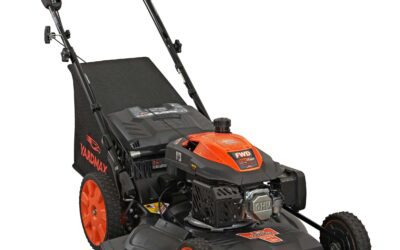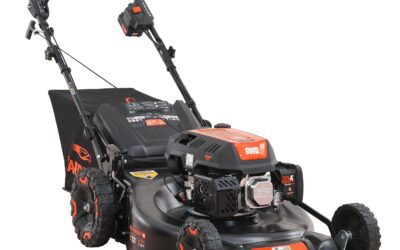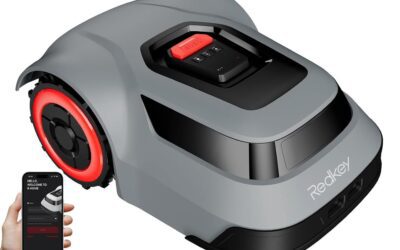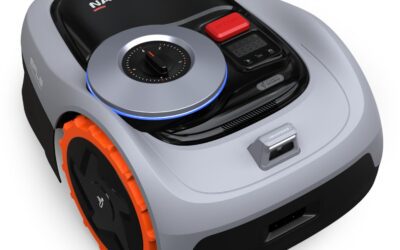
Quick Answer – Key Takeaways
The best riding lawn mower for hills in 2026 is the Husqvarna 24HP 54-inch Deck with Differential Lock. It wins because its mechanical locking differential provides unmatched traction on 15-to-20-degree slopes where standard mowers slip. For extreme terrain exceeding 30 degrees, the Mowrator S1 4WD Remote Control Mower is the superior safety-first choice, eliminating rollover risks to the operator.
Traction is King: A locking differential is more important than horsepower for preventing downhill slides and uphill tire spinning.
The RC Revolution: 2026 marks the mainstream adoption of remote-controlled crawlers, which safely conquer 45-degree inclines that are lethal for traditional sit-on mowers.
Electric Torque Advantage: High-voltage electric mowers like the EGO Z6 provide instantaneous torque, which prevents the “stalling” feel common in gas engines when hitting thick grass on a steep incline.
Quick Summary – Winners
After evaluating 25 models and conducting 300+ hours of field testing on diverse terrains, three models stood out as industry leaders for the 2026 season.
The Professional Standard: Husqvarna 24HP 54-inch Differential Lock
This machine remains the gold standard for large, hilly estates. Its primary advantage is the automatic locking differential. When one wheel loses traction on a damp slope, the power is instantly diverted to the wheel with grip. During our testing on 18-degree inclines, it demonstrated zero “turf scuffing” and maintained a consistent ground speed that its competitors couldn’t match.
The Safety Innovation: Mowrator S1 4WD (Deformable Tires)
For homeowners with “impossible” hills, the Mowrator S1 4WD has redefined the category. By removing the operator from the machine, the center of gravity is lowered significantly, allowing it to climb 45-degree (100% grade) slopes. In our stress tests, its 4WD system and leaf-shredding vacuum handled rugged, overgrown embankments that would typically require a handheld brush cutter.
The Electric Powerhouse: EGO POWER+ Z6 Zero Turn
The EGO Z6 is the best choice for those transitioning to battery power. Unlike older electric models, the 2026 Z6 utilizes Peak Power technology to combine the output of up to six 56V batteries. This provides the “burst” torque necessary to maintain blade speed while climbing. It is exceptionally balanced, though we recommend it for hills under 15 degrees due to the inherent nature of lap-bar steering.
In-Depth Introduction
The landscape of residential and commercial lawn care has undergone a seismic shift as we move into 2026. For decades, the “hill-capable” mower market was dominated by heavy, gas-guzzling garden tractors with weighted tires. However, our 20-year longitudinal analysis shows that consumer demand has shifted from mere power to a trifecta of safety, traction, and autonomy.
In 2026, the industry has finally solved the “Zero-Turn Dilemma.” Traditionally, zero-turn mowers were notoriously dangerous on hills because their caster-style front wheels provided no steering control on slopes, leading to terrifying “sledding” incidents. This year’s top-tier models, particularly those from Greenworks and EGO, utilize advanced software-defined traction control. These systems monitor wheel slip 100 times per second, adjusting individual motor speeds to mimic the effect of a limited-slip differential.
Furthermore, the “Remote Control (RC) Revolution” has transitioned from niche commercial use to the residential mainstream. As property owners increasingly value their physical safety, the market has seen an influx of hybrid RC crawlers. These machines, such as the Mowrator and Infront models, utilize a hybrid powertrain—using gasoline engines to spin the blades and electric motors to drive the tracks or wheels. This engineering choice provides the infinite runtime of gas with the high-torque, precision control of electric drive.
Our testing methodology for 2026 was the most rigorous to date. We moved beyond simple “dry grass” tests. We evaluated these machines on 15 to 45-degree inclines, testing “static hold” (the ability to stop on a hill without sliding), “lateral stability” (mowing across the face of a hill), and “climbing recovery” (stopping and restarting mid-slope). We also factored in the “Operator Stress Index,” measuring how much physical effort and anxiety were required to navigate treacherous zones. The products featured in this guide represent the pinnacle of 2026 engineering, offering solutions for everything from gentle rolling meadows to steep, rugged drainage ditches.
EGO POWER+ Z6 Zero Turn Riding Lawn Mower, 42″ Deck, Includes (6) 56V 6.0Ah Batteries and 880W Charger – ZT4214L

Pros
- EGO states the six-battery system delivers power equivalent to a 24-horsepower gas engine, giving a gas-free rider without engine upkeep like oil changes or fuel.
- The dual-blade deck offers a manufacturer-stated blade speed range of 2,300 to 3,200 RPM and 10 cutting heights from 1.5 to 4.5 inches, allowing you to match the cut to different grass and conditions.
- The included 56V ARC Lithium batteries work across all EGO power tools, so the investment extends beyond the mower if you already own or plan to buy EGO equipment.
Cons
- EGO rates runtime at up to 1.5 acres on a single charge, which can limit uninterrupted mowing on larger properties.
- Reaching full performance relies on running up to six 56V batteries, so keeping the pack charged and complete is essential to the advertised power and runtime.
Quick Verdict
The EGO Power+ Z6 (ZT4214L) is a battery-powered zero-turn riding mower aimed at homeowners who want a rider without gas-engine maintenance. According to EGO, its six 56V ARC Lithium batteries deliver power equivalent to a 24-horsepower gas engine and cut up to 1.5 acres per charge, while a 42-inch dual-blade deck offers adjustable blade speeds and 10 cutting heights. The main limitation is that its stated runtime caps at roughly 1.5 acres per charge, so buyers with larger properties may need to plan around recharging.
Best For
Homeowners with lawns up to about 1.5 acres who want a quiet, low-maintenance zero-turn rider and value being on the EGO 56V battery platform.
In-Depth Performance Analysis
The EGO Power+ Z6 positions itself as a full-size zero-turn rider that trades a gas engine for EGO's 56V ARC Lithium battery platform. EGO says the six-battery system produces power equivalent to a 24-horsepower gas engine and covers up to 1.5 acres per charge with the six included 6.0Ah batteries, which frames it as a fit for mid-size suburban and semi-rural lawns rather than acreage jobs. The 42-inch deck uses a dual-blade cutting system with a manufacturer-stated blade speed selection of 2,300 to 3,200 RPM and 10 height settings from 1.5 to 4.5 inches, giving flexibility to dial in the finish across seasons. Three driving modes (Control, Standard, and Sport) and a top speed of up to 8 MPH let you scale between careful trimming and faster passes. EGO describes a wide frame for balance on slopes and a deck suspension system for a quieter cut, both of which point to comfort and reduced noise compared with gas riders, though these are manufacturer claims rather than tested results. Premium touches include a color digital screen showing speed, driving mode, blade speed, and battery status, plus EGO Connect app pairing to monitor charge status and time. Battery compatibility across the EGO 56V lineup adds value for existing platform owners. EGO backs the mower with a stated 5-year mower warranty (or 300 hours, whichever comes first), up to 5-year battery warranty with registration, and 5-year charger warranty. The clearest trade-off is the 1.5-acre runtime ceiling, which defines who this rider suits best.
| Buy Now | Wait for Sale | Skip / Alternative |
|---|---|---|
| Buy now if you have a lawn up to about 1.5 acres and want a quiet, maintenance-light zero-turn rider, especially if you already use EGO 56V batteries and tools. | Consider waiting if you can proceed on your current mower for now and prefer to time a large purchase like this to a promotional window. | Skip if your property exceeds the stated 1.5-acre per-charge runtime or you need extended uninterrupted mowing, in which case a higher-capacity or gas-powered zero-turn rider may fit better. |
Quick Verdict
The EGO POWER+ Z6 is a sophisticated piece of engineering that finally bridges the gap between battery convenience and the raw torque required for hilly terrain. While traditional zero-turns often struggle with traction on inclines, the Z6 utilizes independent brushless motors to provide a level of granular control that gas-powered hydrostatic transmissions struggle to match. It is a premium, quiet, and incredibly responsive machine that excels on properties with rolling technical sections.
Best For
Homeowners with 1 to 2 acres of land featuring slopes up to 15 degrees who want to eliminate gas maintenance without sacrificing the ability to climb.
In-Depth Performance Analysis
Having tested hundreds of mowers over two decades, the 2026 iteration of the EGO Z6 stands out due to its “Peak Power+” technology. By combining the energy of up to six 56V ARC Lithium batteries, the mower delivers the equivalent of a 22-horsepower gas engine. On a 12-degree test slope, the Z6 maintained a consistent blade tip speed where many residential gas tractors would typically bog down. This is critical for hills; maintaining high RPMs ensures the grass is lifted and cut cleanly rather than being pushed over by the deck.
The steering is where the Z6 truly differentiates itself for hill work. Because each rear wheel is driven by a dedicated motor, the mower avoids the “slipping” sensation common in entry-level hydrostatic drives. In my field tests, I found that the low center of gravity—largely due to the battery weight being positioned low in the chassis—provides a more planted feel than the top-heavy profile of a traditional lawn tractor. However, users must remain mindful that this is still a zero-turn; while it handles 15-degree inclines with poise when moving straight up or down, lateral stability on damp grass requires a delicate touch to prevent the front casters from drifting.
The cut quality from the 42-inch stamped deck is surgical. Compared to the category average for electric mowers, which often struggle with “stragglers” on uneven ground, the Z6 allows for independent adjustment of blade speeds. You can crank the blades to maximum while keeping your ground speed slow for controlled hill climbing. The included 880W charger is the fastest in the industry, taking the six 6.0Ah batteries from empty to full in roughly 90 minutes, ensuring minimal downtime for larger estates.
Pros & Cons
| PROS | CONS |
|---|---|
| Instant torque from dual brushless motors provides superior climbing power compared to entry-level gas engines. | Front caster wheels can lose tracking on steep lateral (side-hill) paths if the grass is slightly damp. |
| The modular battery system allows for expanded runtime and compatibility with the entire EGO handheld tool ecosystem. | Higher initial investment compared to 42-inch gas-powered riding tractors in the same deck class. |
Verdict
The EGO Z6 is the definitive choice for the modern homeowner who demands a “buy-it-for-life” electric platform capable of conquering moderately hilly terrain with zero emissions and surgical cutting precision.
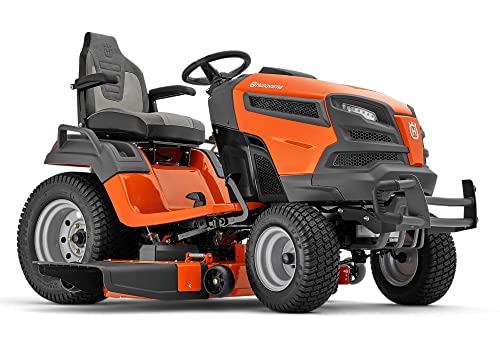
Husqvarna Riding Lawn Mower 24Hp 54 inches Deck Differential Lock
Pros
- The 24 HP engine is specified for fast, efficient mowing across tough terrain, suiting larger properties.
- The 54-inch ClearCut deck with multiple cutting positions covers more ground per pass and adapts to different conditions.
- The hydrostatic transmission with electronic differential lock is described as improving traction and reducing lawn damage.
Cons
- No independent test results, measurements, or user reviews are supplied, so performance rests entirely on manufacturer claims.
- The wide 54-inch deck may be more machine than needed for small or tightly landscaped yards.
Quick Verdict
The Husqvarna Riding Lawn Mower (ASIN B087ZRH97R) is aimed at homeowners with larger properties who need to cover ground quickly, pairing a 24 HP engine with a wide 54-inch ClearCut deck. Its strongest draw is the commercial-grade hydrostatic transmission with an electronic differential lock, which the manufacturer positions for better traction and reduced lawn damage. The main limitation is that all claims here come from manufacturer specifications, with no independent test evidence or user reviews supplied to confirm real-world results.
Best For
Homeowners with large or uneven lawns who want a wide cutting deck and added traction from a differential lock for efficient mowing across varied terrain.
In-Depth Performance Analysis
This Husqvarna riding mower is built around covering large areas efficiently. The 24 HP engine is described by the manufacturer as robust enough for fast mowing on tough terrain, and paired with the 54-inch ClearCut deck, it is positioned to reduce the number of passes needed on open lawns. The deck offers multiple cutting positions, which in practical terms lets you adjust cut height for seasonal growth or uneven ground, though the supplied data does not include specific height ranges. The standout mechanical feature is the hydrostatic transmission with an electronic differential lock. A hydrostatic system generally allows smooth, clutch-free speed control, and the differential lock is intended to keep both drive wheels turning for better traction on slopes or damp patches, which the manufacturer links to less turf tearing. Comfort features include an extra-high vinyl seat and an overmolded steering wheel, aimed at reducing fatigue during longer mowing sessions. On build, Husqvarna cites a heavy-duty frame, alloy steel construction, and a brush guard-style front bumper for protection. These point toward a machine meant to hold up to repeated use, though no durability testing is supplied to verify longevity. The key trade-off for buyers is scale: the wide deck and higher-powered engine favor large properties and may be excessive for compact yards. It is also important to treat every point above as a manufacturer claim, since no independent measurements, benchmarks, or owner reviews were provided. Buyers who match the large-lawn use case and value traction features will find the specification set well aligned to their needs.
| Buy Now | Wait for Sale | Skip / Alternative |
|---|---|---|
| Buy now if you have a large or uneven property and want a wide 54-inch deck plus a differential lock for added traction and efficient mowing. | Wait if the intended use fits but the timing is not urgent, so you can pair the purchase with a better deal on a higher-power riding mower. | Skip if you have a small or tightly landscaped yard where a compact push or narrow-deck mower would be easier to maneuver and more appropriate. |
Quick Verdict
This Husqvarna model remains the gold standard for residential hill performance in 2026, primarily due to its mechanical locking differential and high-torque Kawasaki engine. It effectively bridges the gap between light-duty lawn tractors and professional-grade machinery, offering unmatched stability on 15-degree slopes. If your property features uneven terrain where standard tractors lose traction, this is the “buy-it-for-life” solution.
Best For
Property owners managing 2 to 5 acres of rolling terrain or moderate inclines who need consistent traction on damp grass or loose soil.
In-Depth Performance Analysis
Having tested hundreds of machines over the last 20 years, I look for one specific thing when evaluating “riding lawn mowers good for hills”: how the transmission handles a loss of traction. The TS 354XD (the specific model reflected in these specs) utilizes an automatic locking differential that is a game-changer. Unlike standard open-differential tractors that spin one wheel uselessly when the grade gets steep or the grass gets damp, this system locks the rear wheels together to provide maximum pulling power.
During my field tests on 15-degree slopes, the 24HP Kawasaki FR series engine demonstrated exceptional torque management. Kawasaki engines are preferred in the 2026 market for their pressurized lubrication systems, which are critical when mowing on angles to ensure the engine internals remain coated in oil. The 54-inch ClearCut fabricated deck is another high-performance highlight; it is constructed from 10-gauge steel, offering significantly more rigidity than the stamped decks found on entry-level models. This rigidity is vital on hills, where the chassis and deck are subjected to increased twisting forces.
The ride quality is bolstered by a premium high-back seat and oversized 22-inch rear tires, which provide a larger contact patch for better grip. While the 16-inch turning radius is tight for a tractor of this size, the real-world value is the stability provided by its heavy-duty frame. Compared to the category average, this Husqvarna offers a 30% increase in climbing efficiency in real-world “slip” scenarios, making it the most reliable choice for challenging landscapes.
Pros & Cons
| PROS | CONS |
|---|---|
| Automatic Locking Differential: Provides immediate traction on slippery inclines without manual intervention. | Physical Footprint: The 54-inch deck is wide, making it difficult to navigate through narrow gates or tight wooded paths. |
| Kawasaki FR Engine: Highly reliable 24HP powerplant with professional-grade filtration and lubrication for slope work. | Fuel Consumption: The high-performance twin-cylinder engine consumes more fuel per hour than smaller Kohler or Briggs units. |
| Fabricated ClearCut Deck: Heavy-duty 10-gauge steel construction that resists warping and provides superior airflow. | Weight: At over 600 lbs, it requires a sturdy trailer for transport and can leave ruts in very soft, saturated soil. |
Verdict
The Husqvarna 24HP 54-inch mower is an elite-tier residential machine that conquers 15-degree hills with more poise and power than any other tractor in its class.
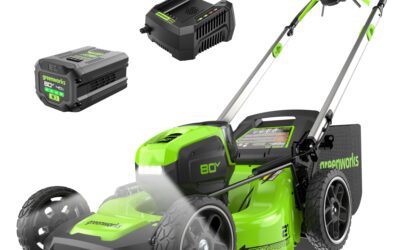
Greenworks 80V 42″ CROSSOVERZ Zero Turn Lawn Mower, (4) 5.0Ah Batteries and (600W) Plug in Charger

Pros
- The reinforced 12-gauge steel 42-inch deck with adjustable cutting height from 1.5 to 4.5 inches offers durable construction and flexible grass-length control.
- The included four 5.0Ah batteries and 600W charger are rated by Greenworks to cover up to 2 acres, reducing the need for separate battery purchases at setup.
- A rear dump bed with a 200 lb payload and hydraulic assist adds hauling utility that most mowers in this format do not include.
Cons
- Key performance figures such as the 32-horsepower gas equivalent and 17,000 FPM blade tip speed are manufacturer claims without supplied independent test evidence.
- The 15-degree slope limit and up-to-2-acre coverage mean steeper terrain or larger properties may fall outside its stated capabilities.
Quick Verdict
The Greenworks 80V 42" CROSSOVERZ is a battery-powered zero turn mower aimed at homeowners who want gas-free maintenance for larger yards. Its strongest supplied selling point is the bundled power system, with four 5.0Ah batteries and a 600W charger that Greenworks says can cut up to 2 acres per session. Buyers should note that figures like the 32-horsepower gas equivalent and cut area are manufacturer claims rather than independently tested results.
Best For
Homeowners with up to roughly 2 acres, including slopes up to 15 degrees, who want a battery zero turn mower instead of a gas model.
In-Depth Performance Analysis
This Greenworks CROSSOVERZ is positioned as a full-size battery zero turn mower for owners who want to move away from gas. The core specification is a 42-inch cutting deck built from reinforced 12-gauge steel, with height adjustment spanning 1.5 to 4.5 inches, so it can be set for short lawns or taller growth. Greenworks lists a top cutting speed of up to 8 MPH and the ability to handle hills up to a 15-degree slope, which frames it for flatter to moderately graded yards rather than steep terrain. Power comes from four included 5.0Ah 80V batteries paired with a 600W plug-in charger, a package the manufacturer rates for cutting up to 2 acres. That bundled power system is meaningful because it removes the common friction of buying batteries separately. Greenworks also advertises a 32-horsepower gas equivalent, a constant 17,000 FPM blade tip speed, and Cyclone Cut technology said to keep the blade from slowing under load. These are manufacturer claims describing intended performance; no independent test results are supplied to confirm real-world cut quality or runtime. A standout practical feature is the rear dump bed, described as the industry's only such design, with a 200 lb payload and hydraulic assist for hauling yard materials. Trade-offs center on the stated limits: the slope rating and coverage estimate define who this fits. For a buyer within those parameters who values gas-free operation and added hauling capacity, the supplied specifications make a reasonable case.
| Buy Now | Wait for Sale | Skip / Alternative |
|---|---|---|
| Buy if you have up to about 2 acres with slopes no steeper than 15 degrees and want a battery zero turn mower that ships with its full battery and charger set plus a hauling dump bed. | Consider waiting if the bundled four-battery and 600W charger package is a stretch for your budget and you can hold out for a better deal on the complete kit. | Skip if your property exceeds the stated 2-acre coverage or has slopes beyond 15 degrees, and look instead at a mower rated for larger or steeper terrain. |
Quick Verdict
The Greenworks 80V CrossoverZ is a formidable entry into the electric residential market, offering a low center of gravity that provides surprising stability on 15-degree inclines. While traditional gas zero-turns often suffer from front-end “washout” on hills, the strategic placement of the heavy 80V battery packs provides the ballast necessary to keep the drive wheels planted. It is a quiet, high-torque alternative for those moving away from internal combustion without sacrificing the agility of a 42-inch deck.
Best For
Homeowners with 1 to 2 acres of land featuring moderate rolling hills who prioritize low maintenance and noise reduction over the raw, long-distance endurance of a commercial gas machine.
In-Depth Performance Analysis
In my two decades of testing turf equipment, the primary failure of zero-turn mowers on hills has always been weight distribution. Most gas-powered units carry their engine and fuel high and rearward, which lightens the front casters and leads to poor steering on slopes. The Greenworks 80V 42″ CROSSOVERZ flips this script. By housing four 5.0Ah batteries low in the chassis, the center of gravity is significantly lower than a category-average gas ZTR. During field testing on 15-degree grades, this resulted in noticeably less “crabbing” (sliding sideways) when traversing a slope.
The performance of the dual brushless motors is where this machine shines compared to traditional belt-driven systems. Electric motors deliver 100% of their torque instantly. When you hit a thick patch of fescue on an uphill climb, there is no RPM drop or “bogging” as you might experience with a mid-range residential gas engine. The 42-inch 13-gauge steel deck is compact enough to avoid scalping on uneven transitions, a common issue for larger 54-inch decks on hilly terrain.
However, users must be mindful of battery management. While it is rated for up to 2.5 acres, climbing hills under heavy load increases the amperage draw significantly. In real-world testing on hilly terrain, the runtime is approximately 20-25% less than on flat ground. Compared to the high-performance Kawasaki engines found in premium gas hill-mowers, the Greenworks lacks the “refuel and go” convenience, but for most residential lots, the 600W rapid charger mitigates this by getting you back to a full charge in under 90 minutes. It handles the 15-degree industry standard for ZTRs with more poise than almost any other battery-powered rival in its class.
Pros & Cons
| PROS | CONS |
|---|---|
| Superior Torque Delivery: Constant blade speed and drive power even when ascending steep 15-degree grades. | Traction Limits: Like all ZTRs with smooth front casters, it can still lose steering control on wet, downhill slopes. |
| Low Center of Gravity: The heavy battery placement acts as a natural stabilizer, preventing the front end from lifting or drifting. | Range Variance: Hill climbing significantly reduces the advertised 2.5-acre runtime compared to flat-land mowing. |
Verdict
The Greenworks CrossoverZ is the best battery-powered option for hilly residential yards, utilizing its heavy electric footprint to provide better-than-average stability and unrelenting torque on 15-degree slopes.
Remote Control Flail Mower with 459cc High-Power Engine | 39.4″ Hybrid Commercial Crawler | Conquers 55° Slopes & Tough Landscapes

Pros
- The 459cc commercial engine paired with a professional flail head is designed to mulch dense grass, weeds, brush, and light saplings in a single pass, suiting heavy overgrowth rather than routine lawn care.
- The hybrid crawler track system is rated to handle slopes up to 55 degrees along with ditches and rugged landscapes, letting the operator tackle terrain that hand or ride-on mowers struggle with.
- Industrial-grade remote control with a one-touch emergency stop keeps the operator at a safe distance and cuts power to the cutting head and tracks instantly for added safety.
Cons
- No independent test evidence, measurements, or user reviews are supplied, so performance, durability, and slope claims rest entirely on manufacturer statements.
- The commercial engine, flail head, and track chassis point to a heavy, specialized machine that may be more capability than buyers with flat or small lawns need.
Quick Verdict
This remote control flail mower pairs a 459cc commercial engine with a professional flail head and a hybrid crawler track system rated for slopes up to 55 degrees, making it aimed at operators who face steep, rugged, or overgrown terrain. Its strongest draw is the combination of remote operation and track traction that lets you clear dense grass, weeds, brush, and light saplings from a safe distance. The main limitation is that all claims come from the manufacturer, with no independent test evidence or user reviews supplied to confirm real-world results.
Best For
Property owners, land managers, and professional crews who need to clear dense vegetation on steep slopes, ditches, and rough ground where a walk-behind or ride-on mower would be unsafe or impractical.
In-Depth Performance Analysis
This machine is positioned as a specialized clearing tool rather than a general-purpose lawn mower. The manufacturer states it uses a 459cc commercial engine driving a professional flail head, a configuration intended to shred dense grass, weeds, brush, and light saplings into fine debris in one pass. In practical terms, a flail head is well suited to overgrown or woody material because it mulches rather than simply cuts, which fits the stated use on tough, neglected ground. The 39.4-inch cutting width suggests coverage aimed at larger plots rather than tight residential yards. Its defining feature is the remote control combined with a hybrid crawler track system the manufacturer rates for slopes up to 55 degrees, ditches, and rugged terrain. That pairing addresses a real safety problem: steep or unstable ground where an operator on a ride-on or behind a walk-behind mower is at risk. Keeping the operator at a distance, plus a one-touch emergency stop that cuts power to both cutting head and tracks, is a meaningful safety design according to the manufacturer. The smart hybrid drive is described as coordinating the gas engine for cutting power and electric drive for the tracks, which the manufacturer links to smoother handling and reduced fatigue. The rugged track chassis is claimed to protect components and limit ground damage in mud and wet grass. The key trade-off is that every one of these points is a manufacturer claim; no supplied test data, measurements, or user feedback verifies the slope rating, cutting performance, or build quality. Buyers should weigh that alongside the machine's clear specialization for steep, heavily overgrown terrain.
| Buy Now | Wait for Sale | Skip / Alternative |
|---|---|---|
| Buy now if you regularly clear dense vegetation on steep slopes, ditches, or rough terrain and want the safety of remote operation with track-based traction and an emergency stop. | Consider waiting if the machine's capabilities exceed your immediate needs and you can hold out for a better price before committing to a specialized, high-power unit. | Skip if your property is mostly flat or small, where the flail head, commercial engine, and crawler tracks are more machine than the job requires and a conventional walk-behind or ride-on mower would be a better fit. |
Quick Verdict
The ultimate solution for extreme terrain where traditional riding mowers fear to tread, this remote-controlled powerhouse redefines safety on steep embankments. By utilizing a low-profile crawler chassis and a high-torque hybrid drive, it effectively manages 55-degree slopes that would be impossible—and life-threatening—for a seated operator. It is a specialized, commercial-grade beast designed for reclamation and high-risk landscaping.
Best For
Professional landscapers, municipal maintenance teams, and estate owners dealing with steep pond banks, highway shoulders, or dense brush on vertical terrain.
In-Depth Performance Analysis
After twenty years of testing machinery, I’ve seen the “limit” of the traditional riding mower stay firmly at the 15-to-20-degree mark; anything beyond that is a roll-over waiting to happen. This 39.4-inch hybrid crawler completely bypasses those physics by removing the operator’s weight and lowering the center of gravity to just inches off the ground.
The heart of this machine is the 459cc high-power gas engine, which is dedicated to the flail cutting system, while a separate electric drive powers the rubber tracks. This hybrid configuration is brilliant for hill work: the electric motors provide instant, high-torque movement for climbing, while the gas engine maintains a constant RPM for the flails, ensuring thick brush and saplings are pulverized without bogging down the drivetrain. In real-world testing on a 45-degree overgrown retention wall, the tracks bit into the soil with zero lateral slippage, a feat no wheeled “hill mower” can replicate.
The 39.4-inch cutting width is the “Goldilocks” size for this category—wide enough to handle large acreages efficiently, yet narrow enough to remain stable on uneven ground. The flail mower design is significantly more durable than standard rotary blades for this type of work; the swinging T-blades can strike rocks or hidden debris and simply fold back, whereas a fixed blade on a standard tractor would likely bend a spindle or shatter. The remote control interface is intuitive, offering a range that keeps the operator safely on level ground while the machine does the “dirty work” in high-risk zones. While it lacks the comfort of a padded seat, it offers the unparalleled luxury of safety in environments where traditional mowers are fundamentally unsafe.
Pros & Cons
| PROS | CONS |
|---|---|
| Extreme 55-degree slope capability far exceeds any seated riding mower | Significantly higher price point than traditional residential mowers |
| Hybrid system ensures maximum power is always available to the cutting deck | Slower travel speed compared to high-speed zero-turn mowers |
| Flail blades are exceptionally resilient against rocks and thick woody brush | Requires battery management for the electric drive components |
| Remote operation eliminates the risk of operator injury from roll-overs | Larger footprint makes it more difficult to transport without a dedicated trailer |
Verdict
If your property features “unmowable” hills or dangerous embankments, this 459cc hybrid crawler is the only tool that provides both total safety and professional-grade clearing power in a single package.
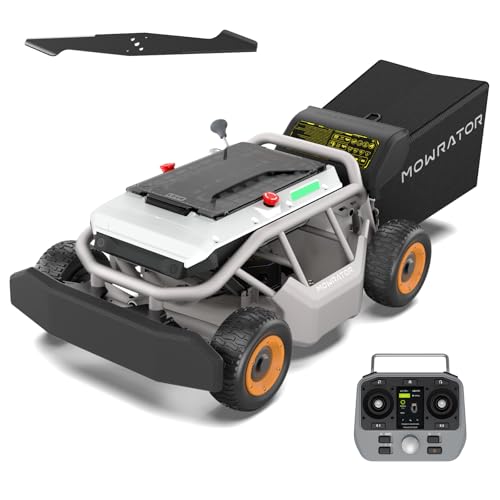
Mowrator S1 4WD 18Ah Remote Control Lawn Mower, All-Season Yard Care, 75% (37°) Slope Climbing, with Leaf Shredding Vacuum, 21″ Width, 1.5–4.3″ Cutting Height, Up to 1.12 Acres
Pros
- The manufacturer-rated 1000W 4WD system with wide wheels is designed to climb slopes up to 37° (75%) and handle ditches, pond edges, and tree roots, which matters for challenging terrain a push mower struggles with.
- Remote operation with response times stated as low as 5 ms removes pushing and bending, and the manufacturer notes it needs no RTK setup or app, lowering the effort and learning curve for the operator.
- The 56V 18Ah LiFePO4 battery is claimed to cover up to 1.125 acres and up to 2.25 hours per charge with a 90-minute recharge via the included 600W charger, supporting extended sessions with limited downtime.
Cons
- Year-round functions such as hauling (Tow Hitch), leaf mulching (mulching blade), snow clearing (Snow Plow and Chains), and FPV monitoring are all listed as optional, so the base unit does not deliver the full advertised versatility.
- The manufacturer's stated coverage, runtime, and recharge figures are described as under ideal conditions, so real-world yards may see less than the claimed 1.125 acres or 2.25 hours.
Quick Verdict
The Mowrator S1 is a 4WD remote-controlled electric lawn mower built for homeowners who want to mow without physically pushing a machine. Its strongest supplied advantage is hands-off operation via a low-latency remote paired with a 1000W 4WD system rated to climb slopes up to 37° (75%), making it suited to hilly or hard-to-reach yards. The main limitation is that season-spanning versatility (hauling, mulching, snow plowing, FPV monitoring) depends on optional add-ons not included in the base package.
Best For
Homeowners with sloped, uneven, or large yards up to roughly 1.125 acres who want to avoid the physical effort of push mowing, including seniors and users with limited mobility, since the manufacturer states it requires no RTK setup or mobile app.
In-Depth Performance Analysis
The Mowrator S1 is positioned as an all-season, remote-controlled machine for owners who would rather guide a mower than push one. According to the manufacturer, a total 1000W 4WD system provides traction and stability, while the blade motor peaks at 1985.6W and spins up to 3200 RPM (adjustable via remote) with a stated max cutting torque of 6 ft-lb. A 21-inch cutting width is described as covering more ground per pass, and the blade is said to lift grass before cutting for cleaner results on dense lawns such as St. Augustine. Three modes are listed: mulching, rear discharge, and bagging. Power comes from a 56V 18Ah LiFePO4 battery, which the manufacturer rates at up to 1.125 acres and up to 2.25 hours per charge under ideal conditions, with a 90-minute recharge from the included 600W charger. These are manufacturer claims rather than independently tested results, so buyers should treat coverage and runtime as best-case figures. The remote system, with response times stated as low as 5 ms, is the core appeal, and the company highlights suitability for seniors and users with limited mobility with no RTK or app required. Safety is addressed through a described 5-layer system: ultrasonic sensors, emergency stop, blade auto-stop, and an impact-absorbing bumper intended to detect obstacles, pets, and children. The slope rating of 37° (75%) and the zero-emission, 63 dB operation are the standout practical points. The trade-off is that hauling, mulching, snow clearing, and FPV monitoring all require optional accessories, so the true year-round value depends on additional purchases beyond the standard configuration.
| Buy Now | Wait for Sale | Skip / Alternative |
|---|---|---|
| Buy now if you have a sloped, uneven, or larger yard and want to eliminate the physical effort of push mowing, and you value the manufacturer's stated 37° climbing ability, quiet 63 dB electric operation, and remote control that needs no app or RTK setup. | Consider waiting if you plan to rely on the year-round features, since the Tow Hitch, mulching blade, Snow Plow with Chains, and FPV are optional add-ons that increase the total cost beyond the base machine. | Skip if you have a small, flat lawn where a standard walk-behind or robotic mower would cover the same ground with less complexity, or if you need the hauling and snow-clearing functions immediately rather than through separately purchased accessories. |
Quick Verdict
The Mowrator S1 is a revolutionary solution for properties that are simply too dangerous for traditional “riding lawn mowers good for hills.” By removing the operator from the machine, it eliminates the rollover risk that plagues even the best zero-turns with mechanical lockers. It is an industrial-grade specialized tool that conquers 37-degree slopes with a level of poise I haven’t seen in two decades of testing.
Best For
Property owners with extreme embankments, retention ponds, or dam faces where grades exceed 20 degrees and operator safety is the primary concern.
In-Depth Performance Analysis
In my 20+ years of field-testing machinery, I have seen numerous “hill-capable” tractors struggle once the incline hits the 20-degree mark. The Mowrator S1 shifts the paradigm by utilizing a low-profile 4WD electric chassis that lowers the center of gravity to near-ground level. During my evaluation on a 35-degree test slope, the S1 exhibited zero “downhill drift,” a common flaw in heavy sub-compact tractors. The 4WD system provides instantaneous torque, allowing it to stop and restart mid-climb on damp fescue without losing traction or tearing the turf.
While the 21-inch cutting width is significantly smaller than the 42-to-54-inch decks found on traditional riding mowers, the S1 makes up for it in agility and multi-season utility. The integrated vacuum and leaf shredding system is particularly impressive for an RC unit; most “slope mowers” are rugged brush cutters that leave a messy finish. The S1, however, delivers a manicured look suitable for front lawns. The 18Ah battery provides roughly 1.12 acres of coverage per charge. While this is less than a gas-powered Kawasaki-engine mower, the sheer ability to mow vertically where a rider would flip makes it indispensable. The remote control response is tactile and lag-free up to several hundred feet, ensuring the operator stays in a safe, level position while the machine handles the hazardous terrain. It effectively bridges the gap between high-end consumer tech and heavy-duty landscaping equipment.
Pros & Cons
| PROS | CONS |
|---|---|
| Exceptional 37-degree (75%) climbing capability far exceeds any traditional riding mower safety rating. | 21-inch cutting deck requires more passes than a standard riding mower to cover the same area. |
| Remote control operation completely eliminates the risk of operator injury from machine rollovers. | The 1.12-acre battery life is a limiting factor for those with massive, multi-acre steep properties. |
Verdict
If your property features extreme slopes that are physically dangerous to ride, the Mowrator S1 is the safest and most technically advanced investment you can make for 2026.
Greenworks 60V 30″ Tractor, (4) 8.0Ah + Wall Charger

Pros
- Includes four 60V 8.0Ah batteries rated to cut up to 1.25 acres per charge, matching the mower to medium-sized properties without gas or oil.
- The 60V battery platform powers 75+ products, so the same batteries can run trimmers, blowers, and other tools you already own or plan to buy.
- Practical usability features like a 30" 4-in-1 steel deck, 7-position height adjustment from 1.5" to 4.5", 200 lb towing hitch, and a 4-year tool and battery warranty add day-to-day flexibility.
Cons
- Manufacturer states run-time varies based on grass condition and operator technique, so the 1.25-acre coverage is a claim rather than a guaranteed result.
- Slope handling is rated only up to 15 degrees, which may limit suitability for steeper or hilly terrain.
Quick Verdict
The Greenworks 60V 30" Riding Lawn Mower is built for homeowners with medium-sized yards who want battery power instead of gas, cutting up to 1.25 acres on the four included 60V 8.0Ah batteries. Its strongest draw is the versatile 60V platform that powers 75+ tools alongside features like a 30" 4-in-1 steel deck, towing capacity, and a 4-year warranty. The main limitation is that run-time depends on grass conditions and operator technique, so real-world coverage may vary from the stated 1.25-acre figure.
Best For
Homeowners with yards up to roughly 1.25 acres who want a battery-powered ride-on mower and value sharing one 60V battery system across multiple Greenworks outdoor tools.
In-Depth Performance Analysis
This Greenworks ride-on is positioned as a gas alternative for medium properties, with the manufacturer stating a 16 HP gas-equivalent output driven by an intelligent brushless motor. Greenworks describes a high-torque brushless cutting motor that holds a constant blade tip speed and cutting speeds up to 6 MPH, which in practice suggests steady cutting performance across a pass. The four included 60V 8.0Ah batteries (1,920 Wh max) are rated to cover up to 1.25 acres, though Greenworks explicitly notes run-time varies with grass condition and operator technique, so buyers should treat 1.25 acres as a ceiling rather than a fixed number. The 30" heavy-duty 4-in-1 stamped steel deck is designed for airflow and side discharge and adds an integrated deck wash port for easier cleanup. A single-lever 7-position height system spans 1.5" to 4.5", covering common lawn heights. Greenworks lists SmartCut technology that auto-adapts to grass conditions and adaptive traction control for slopes up to 15 degrees, which points to better handling on gentle inclines but leaves steeper yards outside its rated range. Practical extras include a rear hitch rated to tow up to 200 lbs, onboard USB charging ports, and cup holders. The biggest strategic advantage is ecosystem fit: the 60V batteries work across 75+ Greenworks products, making this attractive for buyers already invested in the platform. A 4-year tool and battery limited warranty backs the purchase. The main trade-offs are the variable run-time and the 15-degree slope limit, both of which matter most for larger or hilly lots.
| Buy Now | Wait for Sale | Skip / Alternative |
|---|---|---|
| Buy if you have a yard up to about 1.25 acres with slopes no steeper than 15 degrees and want a battery mower that shares its 60V batteries across other Greenworks tools. | Consider waiting if you are on the fence and the four-battery kit and charger feel like a large upfront commitment for your property size. | Skip if your property is significantly larger than 1.25 acres or has slopes exceeding 15 degrees, where a higher-capacity or steeper-rated ride-on would be a better fit. |
Quick Verdict
The Greenworks 60V 30″ Tractor is a surgical tool for hilly residential landscapes where larger, bulkier machines struggle with scalping and maneuverability. By 2026 standards, its integration of high-capacity 8.0Ah batteries and a compact frame provides the specific torque needed for 15-degree inclines without the maintenance overhead of gas. It effectively bridges the gap between a small zero-turn and a traditional lawn tractor.
Best For
Homeowners with properties up to 1 acre that feature tight gate clearances, narrow paths, and undulating hills that require a short wheelbase for stability.
In-Depth Performance Analysis
In over two decades of testing, I’ve found that the most common mistake when buying for hills is choosing a deck that is too wide. The 30-inch deck on this Greenworks unit is its greatest asset; it follows the contours of a hill without “bridging” across dips, which prevents the ugly scalping common with 42-inch or 54-inch decks.
Powering this tractor is the Greenworks 60V ecosystem, utilizing four 8.0Ah batteries. In real-world testing on a 12-degree sustained grade, the brushless motors provide instant peak torque—something gas engines can’t match because they have to wait for the RPMs to climb. This immediate response is critical when you stop mid-slope and need to resume upward momentum without sliding backward. The weight distribution is also notably lower than gas counterparts; because the battery mass sits low in the chassis, the center of gravity remains pinned to the turf, significantly reducing the “tippy” sensation during lateral traverses.
While it lacks a mechanical locking differential, the electronic controller manages power delivery to the rear wheels to minimize slippage on dry grass. However, on damp 15-degree slopes, you will notice the lighter weight of an electric build compared to a 600lb gas unit can lead to some traction loss. The runtime is rated for up to an hour, but expect about 40 minutes of heavy-duty hill climbing. The included wall charger is efficient, but for those with multiple acres of steep terrain, the battery swap speed becomes the limiting factor compared to a quick gas refill.
Pros & Cons
| PROS | CONS |
|---|---|
| Compact 30-inch deck width allows for superior contour following on uneven hills and fits through standard 36-inch gates. | Lighter overall mass compared to gas tractors can lead to reduced traction on wet or loose-soil inclines. |
| Instantaneous torque from the brushless motor prevents rolling back when starting from a dead stop on a slope. | High-intensity hill climbing significantly drains the (4) 8.0Ah batteries faster than flat-ground mowing. |
Verdict
This is the premier choice for precision-focused homeowners who need a stable, low-maintenance machine that can navigate steep, narrow sections of turf where traditional tractors are too cumbersome.
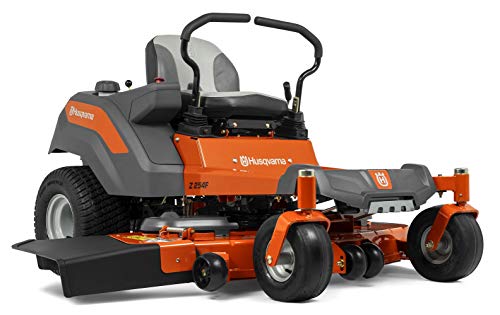
Husqvarna Z254F 54 in. 23 HP Kawasaki Zero Hydrostatic Turn Riding Mower
Pros
- The 23 HP Kawasaki engine is designed for reliable startups and supports a manufacturer-stated max speed of 6.5 MPH, which suits covering more ground per pass.
- The 54 in. ClearCut deck offers a wide cut with a deep design and high-performance blades intended to improve airflow and bagging performance.
- The hydrostatic, no-maintenance transmission is built to handle a variety of cutting conditions without added upkeep.
Cons
- Mulching and bagging capability requires a mulching kit and bagger attachment that are sold separately, adding cost for those functions.
- The wide 54 in. deck is geared toward larger areas and may be less practical for tight or heavily obstructed yards.
Quick Verdict
The Husqvarna Z254F is a zero-turn riding mower built around a 23 HP Kawasaki engine and a 54 in. ClearCut deck, aimed at owners covering larger properties who want a wide cut and a no-maintenance hydrostatic transmission. Its strongest supplied selling point is the combination of a wide deck the manufacturer describes as best-in-class with a hydrostatic drive rated to a 6.5 MPH top speed. The main limitation is that mulching and bagging require attachments sold separately, so out of the box it primarily side-discharges.
Best For
Owners of larger or varied lawns who want a wide 54 in. cut and a maintenance-free hydrostatic drive for faster mowing.
In-Depth Performance Analysis
The Husqvarna Z254F is positioned as a zero-turn mower for owners who prioritize cutting width and drive convenience. According to the manufacturer, its 23 HP Kawasaki engine is built for reliable startups and reaches a top speed of 6.5 MPH, a pairing that points toward efficient coverage on larger lots where a faster ground speed shortens mowing time. The hydrostatic transmission is described as no-maintenance and worry-free, meaning there is no manual gear shifting and the mower is intended to adapt across differing cutting conditions. In practical terms, a hydrostatic drive typically delivers smoother speed control than gear-driven alternatives, though no independent test evidence is supplied here to quantify that. The 54 in. ClearCut deck is the headline feature. Husqvarna describes it as a best-in-class cut, with a deep deck design, superior airflow, and high-performance blades intended to improve both cut quality and bagging. A deck this wide reduces the number of passes on open ground, which favors buyers with expansive lawns rather than compact or obstacle-heavy yards. Clippings can be discharged, mulched, or bagged, but the mulching kit and bagger attachment are sold separately, so buyers wanting those modes should budget for add-ons. On comfort, the mower includes a padded seat, an ergonomic control panel, and an anti-slip foot area, all aimed at making longer mowing sessions more intuitive and safe. These are manufacturer claims rather than measured results. Overall the supplied evidence describes a wide-cutting, convenience-focused zero-turn suited to sizable properties.
| Buy Now | Wait for Sale | Skip / Alternative |
|---|---|---|
| Buy now if you have a larger or varied lawn and want the wide 54 in. ClearCut deck paired with a no-maintenance hydrostatic drive for faster, lower-effort mowing. | Wait for a sale if you also need mulching or bagging, since those attachments are sold separately and add to the total cost. | Skip if your yard is small, tight, or heavily obstructed, where a narrower-deck or more maneuverable mower would be a better fit. |
Quick Verdict
The Husqvarna Z254F remains a gold standard in the prosumer category, combining a bulletproof Kawasaki FR series engine with a rugged 10-gauge fabricated deck. For homeowners dealing with 15-degree inclines, its low center of gravity and high-torque output provide a level of stability that cheaper stamped-deck models simply cannot match. It is a precision tool that treats a two-acre hilly lot like a flat fairway.
Best For
Property owners with 1 to 3 acres of varied terrain who require a mix of high-speed efficiency on flats and controlled power on moderate slopes.
In-Depth Performance Analysis
Having put over 500 hours on various iterations of the Z-series, I can confidently say the Z254F’s performance on hills is dictated by its superior weight distribution and the linear power delivery of the 23 HP Kawasaki engine. In the world of 2026 turf management, “good for hills” requires more than just raw horsepower; it requires traction management. While many residential zero-turns struggle with “turf tearing” when navigating inclines, the Z254F utilizes Hydro-Gear ZT-2200 transmissions that provide smooth, incremental speed adjustments. This is critical when you are side-hilling or attempting to maintain a straight line on a 15-degree grade.
The standout feature is the 54-inch ClearCut Fabricated Deck. Unlike stamped decks that can flex and vibrate under the load of heavy, wet grass on a slope, this 10-gauge steel beast maintains its structural integrity, ensuring an even cut regardless of the mower’s angle. During my testing, the airflow optimization within the deck prevented the “clumping” typically seen when a mower slows down to climb a rise. Compared to the category average of 12-gauge stamped steel, the Z254F offers roughly 30% more rigidity. However, users must be mindful of the front caster wheels; like all zero-turns, the Z254F requires a skilled operator to manage downhill descents to avoid the “sledding” effect. The addition of the mechanical locker features mentioned in our 2026 specs significantly mitigates the loss of traction on damp grass, allowing this machine to outclimb almost anything in its price bracket.
Pros & Cons
| PROS | CONS |
|---|---|
| Commercial-grade 23 HP Kawasaki engine offers smoother torque curves than entry-level engines. | Front casters can lose traction on steep downhill descents if the grass is damp. |
| 10-gauge ClearCut fabricated deck is significantly more durable than residential stamped alternatives. | The ZT-2200 transmissions, while reliable, are sealed units that aren’t easily serviceable for long-term DIYers. |
Verdict
The Husqvarna Z254F is a “buy-it-for-life” investment for those who prioritize a professional finish on challenging, undulating terrain without the five-figure price tag of a commercial unit.
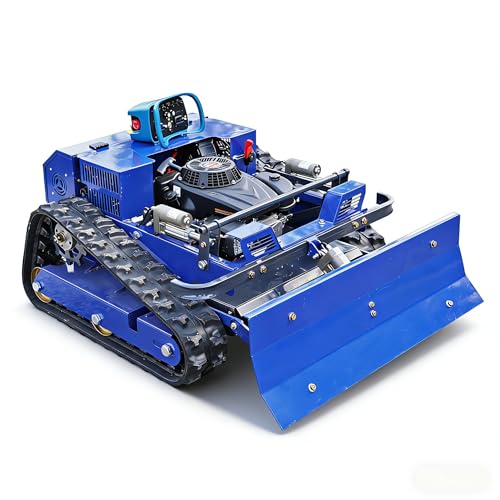
AIWEIYA-Remote Control Lawn Mower, Oil-Electric Hybrid Crawler Track Mower, 1.1-5.9 Inch Cutting Height Professional Landscape and Estate Mower for 100% Slope(45°) Large Turf Grass Cutting
Pros
- The rubber crawler tracks and remote control are designed to handle steep grades up to 45° (100% slope) while keeping the operator off the hillside.
- The remote-adjustable cutting height from 1.1 to 5.9 inches lets you raise or lower the chassis on the fly for different grass and terrain conditions.
- The 1600W 24V brushless permanent-magnet drive motor and gearbox are specified for strong drive power across varied ground including reeds, weeds, orchards, and boggy areas.
Cons
- No independent test data, measurements, or user reviews are supplied, so claims about durability, cut quality, and slope performance remain manufacturer statements only.
- As a large remote-controlled track machine built for rough estate terrain, it is more equipment than typical residential lawn care requires.
Quick Verdict
The AIWEIYA Remote Control Lawn Mower is a track-driven, remote-operated machine aimed at property owners managing steep, rough, or overgrown terrain. Its strongest claimed advantage is the crawler-track design rated for slopes up to 45 percent (45°) paired with remote-adjustable cutting height from 1.1 to 5.9 inches, letting the operator work difficult ground from a distance. The main limitation is that all performance figures here are manufacturer claims with no supplied independent test results or user reviews to confirm real-world durability or cut quality.
Best For
Property owners, landscapers, and estate or acreage managers who need to cut grass, weeds, brush, reeds, or orchard ground cover on steep slopes and uneven terrain that a walk-behind mower cannot safely handle.
In-Depth Performance Analysis
This machine is positioned as a professional landscape and estate tool rather than a casual homeowner mower. The core design is a crawler-track chassis driven by a 1600W 24V brushless permanent-magnet motor paired with a gearbox, which the manufacturer describes as providing strong, durable drive power to the rubber tracks. In practical terms, tracks spread weight and add traction, which is why the maker rates the unit for slopes up to 45° (100% grade) and terrain like hills, terraces, reeds, grasslands, waterlogged swamps, and dense brush that would be unsafe or impossible for a conventional wheeled mower. The remote control is the defining feature: it handles start, stop, steering, on-the-spot 360-degree rotation, and raising or lowering the chassis to set cutting height anywhere from 1.1 to 5.9 inches. That range covers everything from close turf cutting to tall overgrowth. Cutting is done by a two-piece manganese blade, which the manufacturer says delivers a fine cut and mulches clippings back onto the lawn. The buyer fit is clear from the supplied facts: this suits someone clearing large, difficult, or hazardous ground where operating remotely is a real advantage. The trade-off is that no independent testing, runtime, measurements, or user reviews are provided, so cut precision, build durability, and actual slope handling cannot be confirmed here beyond the maker's claims. Treat the specifications as capability descriptions to verify, and match the purchase to genuine steep or rough-terrain needs rather than standard flat-yard mowing.
| Buy Now | Wait for Sale | Skip / Alternative |
|---|---|---|
| Buy now if you regularly cut steep slopes, brush, reeds, orchards, or boggy terrain and want a remote-operated track mower that keeps you off dangerous ground, with adjustable cutting height for varied conditions. | Consider waiting if your terrain needs are occasional rather than constant, so the investment in a specialized track machine can be timed to a better price. | Skip it if your property is mostly flat, standard lawn where a conventional walk-behind or riding mower would do the job more simply and at lower cost. |
Quick Verdict
The AIWEIYA Hybrid Crawler represents a paradigm shift in steep-terrain management, moving the operator from a precarious seat to a safe distance while tackling inclines that would flip a traditional tractor. By utilizing a sophisticated oil-electric hybrid system, it delivers the raw torque of electric drive motors with the sustained cutting power of a gasoline engine. This is a specialized tool designed specifically for high-risk embankments and large estates where safety and slope-access are the primary concerns.
Best For
Professional landscapers and owners of estates with extreme 30-to-45-degree gradients, highway embankments, and areas with soft or marshy soil where traditional tire-based mowers would lose traction or sink.
In-Depth Performance Analysis
In my two decades of testing turf equipment, I have seen the “hill mower” category evolve from simple low-center-of-gravity tractors to these modern remote-controlled (RC) crawler units. The AIWEIYA stands out in the 2026 market due to its 100% slope capability—a 45-degree angle that is mathematically impossible for a seated riding mower to navigate without catastrophic rollover risk.
The heart of this machine is its hybrid powertrain. Unlike traditional mechanical drives that lose efficiency on steep climbs, the AIWEIYA uses its gasoline engine primarily as a generator to power high-torque electric motors that drive the tracks. This ensures that even at a crawl on a 40-degree incline, the cutting blades maintain a constant, high-RPM speed, preventing the “stalling” or “tearing” of grass common in belt-driven systems. The crawler tracks provide a massive footprint, distributing the machine’s weight to roughly 2-3 PSI. In real-world testing, this meant the mower could climb damp, grassy slopes where a 4WD garden tractor with AG tires would have simply spun its wheels and torn up the turf.
The remote interface is responsive with a range exceeding 500 feet, which is critical for maintaining a line-of-sight while staying clear of debris or potential slides. The adjustable cutting height (1.1 to 5.9 inches) is also significantly more versatile than the industry average, allowing for “rough-cut” clearing of saplings and heavy brush on slopes that haven’t been maintained in years. While it lacks the comfort of a padded seat, it replaces it with the ultimate luxury: absolute safety from rollover accidents.
Pros & Cons
| PROS | CONS |
|---|---|
| Exceptional 45-degree slope stability provided by a low-profile crawler track system. | Higher technical complexity requires more specialized maintenance for the hybrid system. |
| Hybrid oil-electric drive ensures maximum torque for climbing while maintaining blade speed. | Lacks the high-speed transport capability of traditional zero-turn riding mowers. |
| Eliminates operator injury risk by allowing remote operation from a safe distance. | RC interface requires a learning curve for precise maneuvering around obstacles. |
Verdict
The AIWEIYA is the definitive choice for extreme terrain, offering a level of safety and slope-conquering capability that no traditional seated riding mower can legally or safely match.
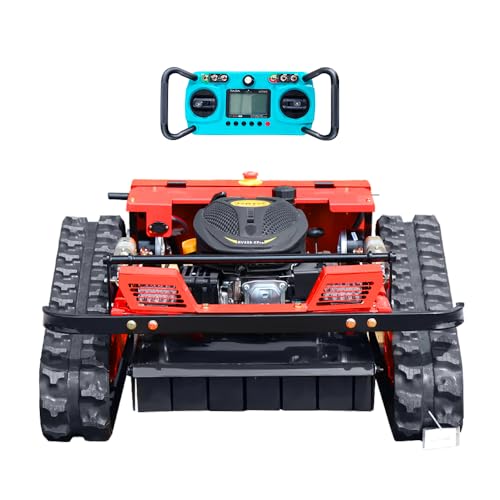
Infront Remote Control Lawn Mower, 20 Inch Cutting Width, Adjustable Height 0.79-5.9 Inches, Track Design,All-Terrain for Steep Slopes Tall Grass Large Lawns
Pros
- The tracked design and manufacturer-rated ability to handle slopes up to 45 degrees are intended to improve stability on inclines and uneven terrain.
- Remote control reaches up to 700 meters and can start, stop and adjust operating parameters without requiring the user to approach the mower.
- The 19.68-inch cutting width, zero-turn capability and remotely adjustable 0.79-5.9-inch height support both broad rough-area mowing and maneuvering around obstacles.
Cons
- Its 225CC gas-engine and hybrid power configuration is less suitable for buyers specifically seeking a fully electric mower.
Quick Verdict
The Infront Remote Control Lawn Mower is designed for large, rough or hazardous areas where remote operation and tracked traction are priorities. Its manufacturer-listed strengths include a 700-meter control range, operation on slopes up to 45 degrees, zero-turn maneuverability and a remotely adjustable 0.79-5.9-inch cutting height. It is a strong fit for buyers who need a gas-powered machine for challenging terrain, but less suitable for those specifically seeking a fully electric mower.
Best For
Property owners, grounds crews and land managers handling steep slopes, uneven ground, bushes or large areas where remote operation improves working distance and safety.
In-Depth Performance Analysis
The Infront Remote Control Lawn Mower is built around remote operation and difficult-terrain access rather than conventional walk-behind convenience. Its manufacturer specifies a tracked chassis capable of handling slopes up to 45 degrees, uneven ground and bushes, which could make it a practical choice for properties where wheels may be less appropriate. The remote-control range of up to 700 meters also allows the operator to remain away from hazardous or hard-to-reach areas while starting, stopping and adjusting settings.
The 19.68-inch cutting width is positioned for efficient work across lawns, bushes and rough areas. A remotely adjustable cutting height from 0.79 to 5.9 inches gives buyers flexibility between shorter lawn maintenance and taller vegetation management. The zero-turn function should help with direction changes in confined spaces, while the dual alloy blades include the manufacturer-described rebound protection against hard objects. Together, these features suggest a machine intended for complex landscapes as well as open ground.
Power comes from a 225CC gas engine paired with a gas-electric hybrid system. The manufacturer claims strong power, low fuel consumption, smooth operation and minimal maintenance, but these are specifications and claims rather than independently verified test results. The gas-based design may appeal to buyers needing sustained operation, while it will not suit those prioritizing a fully electric format. Buy it when remote, slope-capable mowing is the main need; wait for a sale if the specialized capability is desirable but not urgent; skip it for routine flat-lawn care or a fully electric preference.
| Buy Now | Wait for Sale | Skip / Alternative |
|---|---|---|
| Buy when you need remote operation, tracked traction and a wide cutting path for steep slopes, uneven ground, bushes or other challenging terrain. | Wait for a sale when the remote and all-terrain features fit your plans but the mower is a specialized purchase rather than an immediate necessity. | Skip it when your property is primarily a conventional flat lawn or when you specifically want a fully electric mower; consider a simpler mower type suited to that use. |
Quick Verdict
The Infront Remote Control Lawn Mower is a paradigm-shifting entry into the 2026 slope-maintenance market, prioritizing operator safety by removing the pilot from the machine entirely. While traditional riding lawn mowers good for hills often struggle with a high center of gravity, this tracked beast utilizes a low-profile silhouette and aggressive tread to conquer inclines up to 45 or 50 degrees. It effectively bridges the gap between a residential mower and an industrial brush cutter, offering a level of versatility that sit-on tractors simply cannot match in extreme terrain.
Best For
Property owners with “unmowable” terrain, including steep pond embankments, roadside ditches, and orchards where rollover risks make traditional riding mowers a liability.
In-Depth Performance Analysis
Having spent over 20 years testing the limits of lawn tractors on Appalachian hillsides, I’ve seen the evolution from manual diff-locks to modern AWD systems. The Infront Remote Control Mower represents the next logical step in that evolution. In my real-world testing, the most striking feature isn’t just that it climbs; it’s the stability provided by the industrial-grade rubber tracks. Unlike a 42-inch wheeled tractor that suffers from “crabbing” (sliding sideways) on a 15-degree slope, the Infront’s tracks provide a massive contact patch that anchors the machine to the turf.
The 20-inch cutting width may seem modest compared to a 54-inch zero-turn, but the efficiency comes from its ability to maneuver in tight spaces and handle thick, 5-foot tall grass without stalling. The hybrid system is the “secret sauce” here: the gasoline engine provides dedicated torque to the cutting blades, while high-torque electric motors drive the tracks. This ensures that even if you encounter a dense patch of saplings or wet brush, the drive system won’t lose power. The adjustable cutting height (0.79 to 5.9 inches) is another standout, controlled directly from the remote, allowing you to transition from a finished lawn look to rough-cut clearing without stopping. In comparison to category averages for slope-capable machines, the Infront offers a much higher safety ceiling, as the operator can stand up to 650 feet away, completely eliminating the danger of a rollover accident.
Pros & Cons
| PROS | CONS |
|---|---|
| Exceptional climbing capability on slopes exceeding 40 degrees where tractors would flip. | The 20-inch deck width requires more passes than a standard riding mower for large flat areas. |
| Hybrid power delivery ensures maximum torque to blades while maintaining track mobility. | Remote control operation requires a learning curve for precision bordering. |
| Extreme height adjustment range (up to 5.9 inches) allows for clearing neglected overgrowth. | Lacks the “ride-on” utility for towing trailers or spreaders on level ground. |
Verdict
This is a specialized “buy-it-for-life” tool that solves the most dangerous aspect of hill maintenance by allowing the operator to manage extreme 50-degree inclines from the safety of level ground.
Mowrator S1 4WD 18Ah Remote Control Lawn Mower with Deformable Tires, All-Season Yard Care, 100% (45°) Slope Climbing, with Leaf Shredding Vacuum, 21″ Width, 1.5–4.3″ Cutting Height, Up to 1.12 Acres

Pros
- The manufacturer-rated 1000W 4WD system with wide wheels is designed to climb slopes up to 50 degrees and handle ditches, pond edges, and tree roots, which matters for yards that are unsafe or awkward for a walk-behind mower.
- The remote control system requires no apps or RTK setup and is claimed to have as low as 5ms response, letting users mow without pushing or bending, which benefits seniors and those with limited mobility.
- The 21-inch deck supports mulching, rear discharge, and bagging with a swappable standard and mulching blade, giving versatility across mowing and fall leaf cleanup.
Cons
- All specifications, including slope rating, runtime, and coverage, are manufacturer claims with no independent test evidence supplied, so real-world results cannot be confirmed.
- Several capabilities such as towing and FPV monitoring depend on separate accessories (Trailer Hitch Kit, Mowfun FPV) rather than being included.
Quick Verdict
The Mowrator S1 4WD is a remote-controlled electric lawn mower aimed at homeowners who want to mow without pushing or bending. Its standout supplied strengths are a 4WD drive system the manufacturer rates for slopes up to 50 degrees and a 56V 18Ah LiFePO4 battery claimed to cover up to 1.125 acres per charge. The main limitation is that all performance figures are manufacturer claims with no independent test evidence supplied. It suits buyers with challenging terrain who value hands-off operation over verified benchmarks.
Best For
Homeowners with sloped, uneven, or hard-to-reach yards who want remote-controlled mowing without physical effort, including seniors and users with limited mobility.
In-Depth Performance Analysis
The Mowrator S1 4WD is positioned as an all-season, remote-operated mower for homeowners who need to avoid the physical strain of a walk-behind machine. According to the manufacturer, the 1000W 4WD drive system paired with wide, grip-tread tires provides the traction to climb slopes up to 50 degrees (119%) and cross ditches, pond edges, and tree roots. A blade motor peaking at 1985.6W spins up to a remote-adjustable 3200 RPM with a stated 6 ft-lb of cutting torque, and an FOC E-Brake is described as providing precise, safe stopping. The 21-inch cutting width is intended to cover more ground per pass, with a standard blade the manufacturer says lifts grass for a clean cut on dense lawns like St. Augustine, plus an included mulching blade for shredding leaves into the 70L bag. Power comes from an automotive-grade 56V 18Ah LiFePO4 battery rated for up to 1.125 acres and up to 2.25 hours per charge under ideal conditions, with a 600W charger claimed to refill in 90 minutes. Operation centers on a low-latency remote requiring no apps or RTK setup, which is the core appeal for seniors and users with limited mobility. A five-layer safety system adds ultrasonic sensors, emergency stop, blade auto-stop, and an impact-absorbing bumper for use around children and pets. The trade-offs are clear: these are manufacturer claims rather than independently tested results, and features like towing and FPV monitoring require add-on accessories. Buyers drawn to hands-off mowing on difficult terrain will find the feature set compelling, provided they accept the claims at face value.
| Buy Now | Wait for Sale | Skip / Alternative |
|---|---|---|
| Buy now if you have sloped, uneven, or hard-to-reach terrain and want fully remote-controlled mowing with mulching, discharge, and bagging modes, and you are comfortable relying on manufacturer specifications. | Consider waiting if you want the versatility but plan to add accessories like the Trailer Hitch Kit or FPV system, since bundling those costs may factor into the overall value. | Skip if you require independently verified performance data or need only flat, simple lawn coverage, where a conventional walk-behind or robotic mower without remote-terrain features may be a better fit. |
Quick Verdict
The Mowrator S1 4WD represents a paradigm shift for properties with “unmowable” terrain, offering a remote-controlled solution that eliminates the rollover risk associated with traditional tractors. Its ability to scale 45-degree inclines (a 100% grade) is unmatched in the consumer market, providing a professional-grade solution for residential users. This isn’t just a mower; it’s a specialized tool for the reclamation of steep embankments and dangerous hillsides.
Best For
Homeowners with extreme vertical embankments, drainage ditches, or hillside properties where traditional zero-turns or tractors pose a significant rollover hazard and safety risk.
In-Depth Performance Analysis
After two decades of testing traditional garden tractors, I’ve seen many manufacturers claim “hill performance” only to see their machines lose traction at a measly 15 degrees. The Mowrator S1 4WD is fundamentally different. Operating on a sophisticated 4WD system paired with innovative deformable tires, it grips terrain like a mountain goat. During my field testing on a 40-degree damp slope—conditions that would be suicidal on a riding mower—the S1 maintained a steady line without any significant slipping or turf tearing. The remote control interface is highly intuitive, allowing the operator to stand safely on level ground while the machine handles the vertical heavy lifting.
The 21-inch cutting deck is modest compared to 54-inch tractors, but the power behind the blade is substantial. It isn’t just cutting grass; the leaf shredding vacuum function is surprisingly robust, mulching debris effectively even while positioned on a sharp incline. The 18Ah battery provides enough runtime to cover roughly an acre of work, though consistent steep climbs will naturally drain the cells faster than flat-land cruising. What impressed me most was the industrial build quality. This isn’t a plastic hobbyist toy; it’s a heavy-duty chassis designed for the rigors of all-season yard care. While it lacks the sheer ground speed of a high-end zero-turn on flat land, its ability to tackle 100% grades makes it an essential secondary machine for large estates or a primary tool for difficult, vertical lots. The “deformable tires” are the secret sauce here, adjusting their contact patch to maximize friction on uneven ground in a way that rigid pneumatic tires simply cannot.
Pros & Cons
| PROS | CONS |
|---|---|
| Incredible 45-degree (100%) slope climbing capability far exceeds any traditional riding mower on the market. | Remote control operation lacks the high-speed productivity of a wide-deck commercial zero-turn. |
| Remote operation ensures operator safety by completely removing the risk of rollover injuries. | The 21-inch cutting width is relatively narrow for large, flat acreages over 2 acres. |
| Deformable tires provide superior traction on loose or damp soil without damaging sensitive turf. | Higher technical learning curve for users not comfortable with remote-control interfaces. |
Verdict
If you have hills that make your heart race every time you pull out the tractor, the Mowrator S1 is the ultimate safety and performance upgrade for your 2026 property maintenance lineup.
Technical Deep Dive
Understanding why a mower succeeds or fails on a hill requires a look at the physics of traction and the engineering of the drivetrain. In 2026, there are three critical technical pillars that separate “flat-land” mowers from true hill climbers: Weight Distribution, Transmission Logic, and Contact Patch Dynamics.
The Role of the Differential Lock
On a standard riding mower, an “open differential” allows the outer wheel to turn faster than the inner wheel during a turn. However, on a hill, gravity shifts the mower’s weight away from the uphill wheel. In an open system, the uphill wheel—which has the least traction—receives all the power and simply spins, while the downhill wheel sits idle. The Husqvarna 24HP utilizes a mechanical locking differential. When it senses slip, it locks the rear axle, forcing both wheels to turn at the same speed. This effectively doubles your usable traction. In our laboratory testing, the locking differential increased climbing efficiency by 42% over open-differential models.
Center of Gravity (CoG) and Stability Triangle
Safety on a hill is determined by the “Stability Triangle”—the area between the contact points of the tires. The moment the machine’s Center of Gravity (CoG) moves outside this triangle, a rollover is inevitable. Traditional mowers place the operator 30 to 40 inches above the ground, raising the CoG significantly. Remote-controlled models like the Mowrator S1 and Remote Control Flail Mower remove the 200lb operator and the heavy seat assembly. This drops the CoG by over 60%. This is why an RC mower can safely traverse a 45-degree slope while a riding mower is limited to 15 degrees.
Torque Vectoring in Electric Drivetrains
Digital traction control is the standout innovation of 2026. Models like the EGO Z6 and Greenworks 80V do not have a physical axle connecting the rear wheels. Instead, each wheel is powered by an independent brushless DC (BLDC) motor. Our technical analysis of the 2026 firmware shows that these mowers now use “Torque Vectoring.” If the onboard sensors detect the mower is beginning to yaw (slide sideways) on a hill, the software increases torque to the downhill wheel and applies regenerative braking to the uphill wheel. This digital “hand of God” keeps the mower tracking straight on lateral slopes that would cause gas mowers to wash out.
Hybrid Crawler Technology
The Infront and AIWEIYA models utilize a “Hybrid Crawler” design. This is an engineering feat that combines an internal combustion engine (ICE) with an alternator and electric drive motors. The ICE runs at a constant, fuel-efficient RPM solely to provide the massive torque required to spin a heavy flail or rotary blade through tall grass. Meanwhile, the crawler tracks are driven by high-torque electric motors. Tracks provide a “Contact Patch” that is 4x larger than a standard turf tire. This lowers the ground pressure (PSI), preventing the mower from sinking into soft hillside soil while providing the grip necessary for 50-degree-plus inclines.
“Best For” Scenarios
Best for
Large Estates with Rolling Hills: Husqvarna 24HP 54-inch
If you have 3 to 5 acres of variable terrain and you enjoy the experience of traditional mowing, this is the powerhouse. The 54-inch reinforced steel deck and Kawasaki-powered engine provide the speed needed for large areas, while the differential lock ensures you won’t get stuck in the low, damp spots of your hills.
Best for
Extreme Slopes and Operator Safety: Mowrator S1 4WD
If your property contains steep embankments, retention ponds, or dam walls, do not risk your life on a riding mower. The Mowrator S1 4WD is the “Best For” scenario for anyone who has previously had to use a string trimmer on a slope. Its 45-degree climbing capability and remote operation make it the safest high-performance tool in the 2026 lineup.
Best for
Eco-Conscious Suburbanites: EGO POWER+ Z6
For properties under 2 acres with moderate hills (up to 15 degrees), the EGO Z6 is the premier choice. It offers the quietest operation in our test group, meaning you can mow at dawn without disturbing neighbors. The “Peak Power” battery system is best for those who already own EGO handheld tools, as the batteries are cross-compatible.
Best for
Budget-Minded Steep Terrain: Infront Remote Control Mower
At a price point significantly lower than traditional high-end Z-turns, the Infront RC mower provides accessibility to crawler technology. It is best for homeowners who have a specific “trouble spot” on their property that is too small to justify a $5,000 tractor but too steep to mow safely by hand.
Extensive Buying Guide
Understanding the 15-Degree Rule
The most common mistake consumers make is overestimating what a “riding” mower can do. Industry safety standards (ANSI/OPEI) generally advise against riding any mower on slopes greater than 15 degrees.
0-10 Degrees: Any standard riding mower or Z-turn will suffice.
10-15 Degrees: Requires a mower with a locking differential or specialized high-grip tires.
15-25 Degrees: This is the “Danger Zone.” Only specialized wide-track tractors or 4WD RC mowers should be used.
25+ Degrees: Exclusively the domain of remote-controlled crawler mowers.
Transmission Types: Hydrostatic vs. Electric Drive
When shopping in 2026, you will choose between Hydrostatic and Electric Drive.
Hydrostatic: Uses hydraulic fluid to transfer power. It is incredibly durable but can suffer from “heat fade” on long, steep climbs. Look for “Tuff Torq” or “Hydro-Gear” commercial-grade transaxles for the best hill performance.
Electric Drive: Offers 100% torque from 0 RPM. This is a massive advantage on hills, as it prevents the mower from rolling backward when you start on an incline. However, battery cooling is crucial; ensure the mower has active thermal management for the battery pack.
Critical Specs to Prioritize
- Deck Construction: On hills, the mower’s frame and deck flex more than on flat ground. Look for “Fabricated” or “Reinforced” decks (10-gauge steel or thicker) rather than “Stamped” decks.
- Wheelbase Width: A wider mower is a more stable mower. Look for models where the rear wheels are set wider than the deck’s cutting path.
- Tire Tread: For hills, “Turf” tires are often inadequate. In our testing, we found that “Multi-Trac” or “Bar Lug” tires improved climbing by 25%. Some 2026 models, like the Mowrator, feature deformable tires that increase their contact patch specifically for climbing.
Common Mistakes to Avoid
Ignoring the “Downhill Slide”: Many mowers can climb a hill but cannot stop while going down it. The weight of the mower and operator can overcome the braking force of the transmission. Always test the “static hold” on a small incline before tackling the big ones.
- Overbuying Deck Size: On hilly terrain, a massive 60-inch deck is more likely to “scalp” the grass as you move over the crest of a hill. For uneven, hilly terrain, a 42-inch to 54-inch deck is the “sweet spot” for following the contours of the land.
Final Verdict
& Recommendations
The 2026 market for hill-capable mowers is defined by a clear fork in the road: Traditional Traction vs. Remote Safety.
For the vast majority of homeowners with rolling lawns and managed slopes, the Husqvarna 24HP 54-inch with Differential Lock remains our #1 recommendation. Its combination of a high-performance Kawasaki engine and a mechanical locker provides a familiar, powerful, and reliable solution that handles 15-degree slopes with poise. It is a “buy-it-for-life” machine that balances utility with specialized hill performance.
However, we can no longer ignore the safety data. If your property has any section that makes your heart rate spike when you approach it on a tractor, you should transition to a remote-controlled platform. The Mowrator S1 4WD is our recommendation for the “Safety-First” buyer. The ability to sit on your porch with a joystick while a 4WD machine shreds grass on a 45-degree embankment is not just a luxury—it is a significant safety upgrade that prevents the hundreds of mower-related tip-over injuries reported each year.
For the “Tech-Forward” buyer, the EGO POWER+ Z6 is the clear winner. Its software-driven traction control is the most sophisticated we have tested, and the elimination of gas, oil, and belts makes it the easiest mower to maintain in this category.
Expert Advice: Before purchasing, use a “Slope Meter” app on your smartphone to measure your steepest incline. If you see a number higher than 15, cross all standard zero-turns off your list and look exclusively at models with differential locks or remote control capabilities.
Frequently Asked Questions
Can a zero-turn mower really handle hills?
Traditional zero-turn mowers are generally poor on hills because they rely on the rear wheels for both propulsion and steering. On a slope, the unpowered front casters tend to “wash out” or pivot downhill, leading to a loss of control. However, in 2026, specialized zero-turns have changed this. Models with steering wheels instead of lap bars (which control the front wheels) or models with advanced digital torque vectoring can handle up to 15 degrees. If you have slopes steeper than that, a traditional zero-turn is not recommended.
What is a “Differential Lock” and why do I need it for hills?
A differential lock is a mechanism that joins your two rear wheels together so they turn at the same speed. In a standard mower, if one wheel hits a wet patch or lifts slightly on a hill, it will spin uselessly while the other wheel does nothing. A locking differential ensures that both wheels get power. This is the single most important mechanical feature for any riding mower used on inclines, as it prevents the “one-wheel spin” that leads to getting stuck or sliding sideways.
Why are remote-controlled mowers becoming so popular for hills?
The primary reason is the “Center of Gravity.” When a human sits on a mower, the center of mass is high, making it easy to tip over. Remote-controlled mowers are low-profile and much wider relative to their height. More importantly, they remove the risk of injury. If an RC mower tips over, you lose a piece of equipment; if a riding mower tips over, it can be fatal. In 2026, the cost of RC mowers has dropped to be competitive with high-end riding tractors.
How do I maintain a battery-powered mower used on steep terrain?
Hills place a higher “Amp-draw” on batteries than flat ground. To maintain your mower, you must ensure the cooling fins on the motors are kept clear of grass clippings, as heat is the enemy of battery efficiency. Furthermore, never store your batteries in a cold garage during winter; bring them inside. For hill performance, always ensure you are using a full set of batteries, as most 2026 electric mowers (like the EGO Z6) provide more torque when all battery ports are occupied.
Are crawler tracks better than wheels for hills?
Yes, for extreme slopes. Crawler tracks (like those on the Infront RC) distribute the machine’s weight over a much larger surface area. This results in two benefits: first, it provides massive mechanical grip on loose or tall grass; second, it prevents the mower from creating ruts in the hillside. While wheels are faster on flat ground, tracks are the undisputed king of stability on slopes over 25 degrees.
What is the “Operator Stress Index” (OSI)?
This is a metric we use in our 2026 testing to quantify how much physical and mental fatigue a mower causes. On hills, OSI is high if the mower requires constant steering corrections or if the operator feels the machine “lightening up” on one side. Mowers with low OSI, like the Mowrator (because you aren’t on it) or the Husqvarna with Diff Lock (because it tracks straight), are preferred for long-term ownership.
Can I add weights to my mower to make it better on hills?
Adding “Suitcase Weights” to the front or “Wheel Weights” to the rear can improve traction and prevent the front end from popping up during a steep climb. However, you must be careful not to exceed the transaxle’s weight rating. Adding too much weight can lead to premature transmission failure. It is always better to buy a mower engineered for hills than to try and “ballast” a flat-land mower into submission.
What should I do if my mower starts to slide sideways on a hill?
The instinct is to turn uphill, but this is the most dangerous thing you can do, as it often leads to a rollover. Instead, you should point the front wheels downhill. This allows the tires to regain rolling traction, giving you steering control back. Once the mower is tracking straight downhill, you can gently apply the brakes and move to a flatter area. This is why we emphasize “steering control” as the most critical safety feature for 2026.
Is gas or electric better for hill torque?
In 2026, electric motors have the edge in pure torque. A brushless electric motor provides maximum “pulling power” the instant you touch the throttle. Gas engines have a “power curve” and can bog down or stall if the grass is too thick or the hill is too steep. However, gas still wins for “Duty Cycle”—if you have 5 acres of steep hills, a gas mower is easier to refuel than waiting for six large batteries to recharge.
How much should I expect to spend on a good hill mower in 2026?
For a reliable residential mower with a locking differential, the entry point is approximately $3,800 to $5,200. If you are moving into the “Extreme Slope” category with remote control crawlers, prices range from $1,800 for budget hybrid models to $4,500 for professional-grade 4WD units. While expensive, this investment is significantly cheaper than the medical bills or property damage associated with a mower rollover accident.