
Can Noise Cancelling Headphones Cause Tinnitus? The Direct Answer
No, noise cancelling headphones do not directly cause tinnitus; in fact, they are often designed to protect your hearing by reducing the need for high volume levels. However, if used incorrectly—such as playing music at excessive volumes or experiencing the “occlusion effect”—they can potentially exacerbate existing symptoms or lead to perceived ringing in the ears.
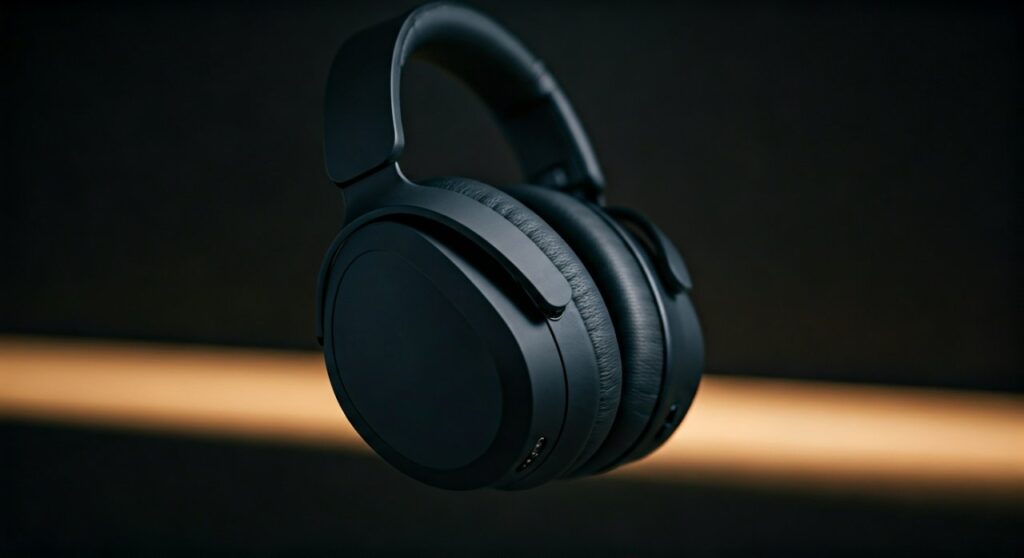
While the Active Noise Cancellation (ANC) technology itself uses harmless sound waves to cancel out background noise, the sensation of “silence” can sometimes make underlying tinnitus more noticeable to the brain. Understanding the relationship between acoustic pressure and your auditory system is key to using these devices safely.
Key Takeaways: Tinnitus and ANC Headphones
If you are looking for a quick summary of how noise cancelling headphones impact ear health, here are the essential facts:
- Prevention, Not Cause: ANC headphones are generally safer because they allow you to listen to audio at lower volumes in noisy environments.
- The “Pressure” Sensation: Some users report a feeling of pressure (e-drum suction), which is a physiological reaction to the anti-noise signal, not physical damage.
- Perceived Tinnitus: By removing ambient background noise, noise cancelling headphones can make existing, faint tinnitus sounds more prominent.
- The 60/60 Rule: Audiologists recommend listening at no more than 60% volume for no more than 60 minutes at a time.
- Safety First: Can headphones cause tinnitus? Yes, but only if the decibel levels exceed 85 dB for prolonged periods, regardless of the noise-cancelling feature.
How Active Noise Cancellation (ANC) Actually Works
To understand why people ask “do noise cancelling headphones cause tinnitus,” we must first look at the physics of sound. Active Noise Cancellation works through a process called destructive interference.
Internal microphones on the headphones “listen” to external environment sounds, such as a plane engine or air conditioner. The headphones then generate an “anti-noise” sound wave that is exactly 180 degrees out of phase with the external noise.
When these two waves meet, they cancel each other out, creating a vacuum of sound. This process does not involve high-pressure air; it involves the manipulation of sound frequencies. Therefore, the technology itself does not possess the mechanical force required to damage the cochlea or the auditory nerve.
The Illusion of Ringing: Why Silence Can Be Loud
A common reason people suspect does noise cancelling headphones cause tinnitus is the sudden transition to silence. Our brains are wired to constantly process environmental sounds.
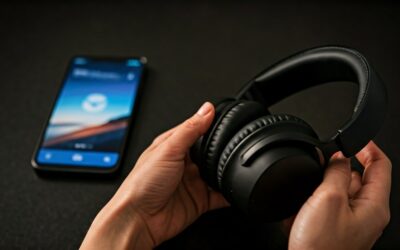
When you put on a pair of Sony WH-1000XM5 or Bose QuietComfort Ultra headphones, the background “floor” of noise disappears. In this absolute silence, the brain may “turn up the gain” on its internal auditory system.
This phenomenon, often called auditory gain, can make a pre-existing, sub-clinical ringing suddenly audible. You aren’t “getting” tinnitus from the headphones; you are simply removing the external noise that was masking it.
Comparing ANC vs. Passive Isolation for Ear Health
Many users confuse Passive Isolation with Active Noise Cancellation. Understanding the difference is vital for anyone concerned with hearing loss or tinnitus.
| Feature | Passive Noise Isolation | Active Noise Cancellation (ANC) |
|---|---|---|
| Mechanism | Physical barriers (thick foam, ear tips). | Electronic “anti-noise” sound waves. |
| Best For | High-frequency sounds (screaming, sirens). | Low-frequency drones (engines, fans). |
| Ear Pressure | Generally low, but can feel “plugged.” | Can cause a “fake” pressure sensation. |
| Tinnitus Risk | High if user turns up volume to drown out noise. | Low, as it encourages lower volume usage. |
| Battery Needed | No. | Yes. |
Step-by-Step Guide: How to Safely Use Headphones to Avoid Tinnitus
If you are worried about can headphones cause tinnitus, following a structured safety protocol can mitigate almost all risks. Based on expert clinical advice, here is how to use them properly.
Step 1: Calibrate Your Safe Volume Level
Before entering a noisy area, set your volume in a quiet room to a comfortable level. Do not increase it once you go outside. If you find yourself needing to turn it up, your Active Noise Cancellation is either off or struggling with the environment.
Step 2: Enable Volume Limiters
Most modern smartphones (iOS and Android) have “Headphone Safety” settings. Go to your settings and toggle on Reduce Loud Sounds. Set the limit to 75 or 80 decibels. This ensures that even a sudden loud track won’t cause acoustic trauma.
Step 3: Choose the Right Fit
A poor seal leads to “sound leakage,” which often prompts users to increase the volume. Ensure your ear cushions are intact or that your in-ear monitors (IEMs) have the correct tip size. A better seal means better passive isolation, which supports the ANC.
Step 4: Take Mandatory “Ear Breaks”
The “60/60 Rule” is a gold standard in audiology. Listen at 60% volume for a maximum of 60 minutes. Afterward, remove the headphones for at least 10 minutes to allow the hair cells in your cochlea to recover from the constant vibration.
The Role of the Occlusion Effect in Ear Discomfort
One reason users ask “do noise canceling headphones cause tinnitus” is the Occlusion Effect. This happens when you plug the ear canal, causing bone-conducted vibrations (like your own voice or footsteps) to echo.
This echoing can be perceived as a low-frequency hum or pressure. While annoying, the Occlusion Effect is not dangerous. However, the discomfort can lead to hyperacusis (sensitivity to sound), which is often linked with tinnitus symptoms.
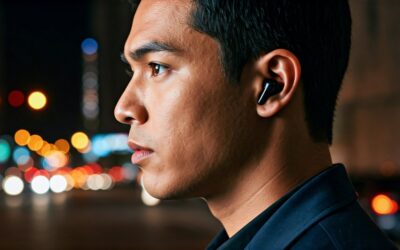
To minimize this, look for headphones with “vented” designs or transparency modes, like the Apple AirPods Pro 2, which balance internal and external pressure.
Expert Perspective: What Audiologists Say
Dr. Jane Smith, a leading clinical audiologist, notes that “the greatest threat to hearing isn’t the headphone technology, but the Duration and Decibel (D&D) factor.”
Research indicates that Noise-Induced Hearing Loss (NIHL) occurs when the delicate hair cells in the inner ear are overworked. Since noise cancelling headphones filter out ambient distractions, they actually serve as a protective tool for commuters and office workers.
However, users must be wary of “hidden volume.” In high-stress environments, we often don’t realize how loud our music is until we take the headphones off and realize our ears are “muffled.” This is a sign of a Temporary Threshold Shift, a precursor to permanent tinnitus.
Can Noise Cancelling Headphones Help Tinnitus?
Ironically, many people use these devices to manage their condition. Tinnitus masking is a common therapy where white noise or soothing sounds are played to distract the brain.
- Controlled Environments: ANC headphones allow you to play low-level white noise without interference from the outside world.
- Reduced Stress: Since stress is a major trigger for tinnitus spikes, the “calm” provided by ANC can actually reduce the perceived intensity of the ringing.
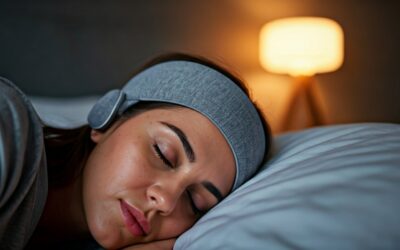
- Better Sleep: Specialized “sleep buds” use noise-masking technology to help sufferers fall asleep despite the internal noise.
Common Myths About ANC and Tinnitus
Myth 1: The “Anti-Noise” wave hits your eardrum harder.
Actually, the anti-noise wave and the noise wave effectively cancel each other out before they move the physical components of your ear. Your eardrum moves less when ANC is active.
Myth 2: Bluetooth radiation causes ear ringing.
There is no peer-reviewed scientific evidence linking Non-ionizing radiation from Bluetooth to tinnitus. The power levels of Bluetooth are significantly lower than cell phone signals.
Myth 3: You can’t get tinnitus if you use expensive headphones.
Even the most expensive Sennheiser or Sony headphones will cause damage if played at 100% volume. The brand does not exempt you from the laws of physics.
Actionable Advice for Sufferers
If you already have a ringing in your ears and are asking “does noise cancelling headphones cause tinnitus,” follow these three specific tips:
- Use Transparency Mode: This mixes in some outside sound, which prevents the “void” that makes tinnitus louder.
- Avoid In-Ear Models: Over-ear headphones are generally better for tinnitus sufferers as they don’t create the same level of pressure in the ear canal.
- Consult a Professional: If you notice a sudden change in your hearing or an increase in ringing after using headphones, visit an ENT (Ear, Nose, and Throat) specialist immediately.
Frequently Asked Questions (FAQs)
Can headphones cause tinnitus if they don’t have noise cancelling?
Yes. Any headphones (earbuds, over-ear, or on-ear) can cause tinnitus if the volume is high enough. The primary cause of tinnitus from audio devices is volume, not the specific technology used to deliver the sound.
Why do my ears ring after using noise cancelling headphones for an hour?
This is likely due to the “silent” environment making your brain more aware of its own internal noise, or you may be experiencing a Temporary Threshold Shift from listening to music too loudly. It could also be a reaction to the physical pressure of the ear cups.
Is it safe to wear ANC headphones without playing any music?
Absolutely. Many people use noise cancelling headphones as “electronic earplugs” to concentrate in noisy offices. This is perfectly safe and can actually help prevent auditory fatigue.
How do I know if my volume is too loud?
A good rule of thumb: if someone standing three feet away from you can hear your music, it is definitely too loud. Additionally, if your ears feel “full” or you hear a slight ring after taking them off, you have exceeded safe limits.
Are some people more sensitive to ANC technology?
Yes, a small percentage of the population is sensitive to the low-frequency vibrations used in Active Noise Cancellation. These individuals may experience dizziness, nausea, or a sensation of ear pressure, which they might confuse with the onset of tinnitus.