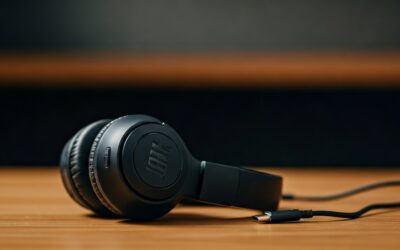

The short answer is no, you cannot wear headphones during an Ironman race. According to the official IRONMAN Competition Rules, the use of any portable music player, headset, or communication device is strictly prohibited for safety and fairness reasons.
If you are caught wearing headphones during any of the three disciplines—swim, bike, or run—you face an immediate disqualification (DQ) or a significant time penalty. While music is a staple for many during long training hours, race day requires your full attention to your surroundings and race officials.
Key Takeaways: Ironman Headphone Rules
Before we dive into the technicalities and training workarounds, here are the essential facts every triathlete needs to know:

- Zero Tolerance: Headphones are banned in all sections of the race (Swim, Bike, and Run).
- Safety First: The ban ensures athletes can hear marshals, traffic, and other competitors.
- The Penalty: Usage typically results in a Yellow Card (stop-and-go) or a Red Card (DQ) if the athlete refuses to remove them.
- Training Exception: You can use them during training, but experts recommend “silent” sessions to prepare for race day.
- Smartwatches: These are allowed, but you cannot use them to play music through speakers or headsets.
Understanding the Official Ironman Rules
When asking, “are you allowed headphones in a ironman?”, it is important to look at the global governing standards. The IRONMAN Group follows a set of rules closely aligned with World Triathlon (formerly ITU) guidelines.
Section 5.02 of the Ironman rulebook specifically addresses “Communication Devices.” It states that athletes may not use communication devices of any type, including but not limited to cell phones, smartwatches with communication capabilities, and two-way radios, in a “distractive manner.”
Specifically, the use of headphones, headsets, or earplugs is cited as a distraction that compromises an athlete’s ability to hear instructions or detect hazards. This rule applies the moment you enter the transition area until the moment you cross the finish line.
Why are Headphones Prohibited in Triathlon?
The ban often frustrates beginners who rely on high-tempo playlists to keep their pace. However, the reasoning behind why headphones are not allowed in triathlon is rooted in three core principles:
Situational Awareness and Safety
In an Ironman 140.6, you are often sharing the road with vehicles or hundreds of other cyclists traveling at speeds exceeding 40 mph (64 km/h).
If you are wearing noise-canceling earbuds like Apple AirPods Pro or Sony WF-1000XM5, you might not hear a “passing on your left” warning or a race marshal’s emergency whistle. Safety is the primary reason are headphones allowed in triathlon remains a resounding “no.”
Fair Competition (External Assistance)
Triathlon is an individual sport. Receiving coaching cues, pacing data, or even psychological “pumps” from music is technically considered external assistance. To keep the playing field level, every athlete must rely solely on their own mental grit and the data provided by their bike computer or watch.
Mechanical Awareness
On the bike leg, your ears are your first line of defense against mechanical failure. You need to hear if your chain is rubbing, if a tire is leaking air, or if your derailleur is clicking. Headphones mask these vital sounds, potentially leading to a crash or a permanent mechanical DNF (Did Not Finish).
Comparison: Rules Across Different Triathlon Organizations
While the answer to “can you wear headphones during an Ironman” is simple, other organizations may have slight variations.
| Organization | Headphones Allowed? | Penalty |
|---|---|---|
| IRONMAN (Full & 70.3) | No | Disqualification or Time Penalty |
| World Triathlon (ITU) | No | Variable; usually a DQ |
| USAT (USA Triathlon) | No | Variable; Time Penalty (2 mins) |
| Local/Club Races | Rarely | Check local race brief; usually banned |
| Virtual Ironman (VR) | Yes | No restrictions for home training |
The “Bone Conduction” Loophole: Does It Exist?
A common question among tech-savvy athletes is whether bone-conduction headphones, such as those made by Shokz (formerly AfterShokz), are allowed. These devices leave the ear canal open, allowing you to hear ambient noise.
Despite the increased safety of bone conduction, Ironman rules still prohibit them. The rule prohibits the device itself, regardless of whether it covers your ears or not. Do not risk a year of training by trying to sneak a pair of Shokz OpenRun under your aero helmet.
How to Train for a “Silent” Race Day
Since you now know are headphones allowed in ironman is a “no,” you must adjust your training. Going from 20 hours a week of music to 12 hours of silence on race day can be a massive psychological shock.
Phase Out the Music
In the final 6–8 weeks of your Ironman training block, start doing your “Big Brick” sessions (long bike followed by a run) without any audio. This helps you build the mental fortitude required to manage “the dark places” of the race without a lyrical distraction.
Practice Internal Cueing
Instead of relying on a beat, focus on internal metrics:
- RPE (Rate of Perceived Exertion): How do your lungs feel?
- Biometrics: Focus on the sound of your breathing and your heart rate.
- Technique: Listen to your footfall on the pavement. Is it heavy or light?
Use Headphones Safely During Training
While you can’t use them on race day, you will likely use them for your 5-hour indoor trainer rides. When you do use them outdoors during training, follow these expert safety tips:
- One-ear only: Keep the “traffic side” ear open.
- Bone conduction: Use Shokz to maintain environmental awareness.
- Volume limits: Never exceed 60% volume when riding on open roads.
Recommended Headphones for Ironman Training
If you are looking for the best gear to get you through the hundreds of miles of preparation, here are the top picks used by professional triathletes during their off-race sessions.
- Shokz OpenRun Pro: The gold standard for cyclists and runners. Their bone conduction technology is the safest way to listen to podcasts while remaining aware of cars.
- Jabara Elite 8 Active: Known for their “ShakeGrip” technology, these are virtually impossible to sweat out during a humid run.
- Garmin Forerunner 965 / Fenix 7: While you can’t use headphones, having a watch that stores music is great for training, as it eliminates the need to carry a heavy phone.
The Psychological Impact of Racing Without Music
Experienced Ironman finishers often say that the lack of music is one of the hardest parts of the run. By the time you reach mile 15 of the marathon, your brain is looking for any escape.
Without headphones, you are forced to engage with the Ironman atmosphere. The cheers of the crowd, the encouragement from other athletes, and the rhythmic sound of thousands of sneakers hitting the pavement create a unique “symphony” that you would miss if you were plugged into an iPod.
Frequently Asked Questions (FAQs)
Can I wear headphones just during the marathon?
No. Even though the run is often on closed paths, the Ironman Competition Rules apply to the entire duration of the event. Wearing headphones on the run will still result in a disqualification.
What if I use my phone for navigation or tracking?
You can carry a phone for emergency purposes, but it must be stored out of sight (e.g., in a bike jersey pocket or a run belt). You cannot look at it, use it for music, or have it mounted to your handlebars in a way that provides “distractive” information.
Are earplugs allowed during the swim?
Yes! Simple silicone or foam earplugs used to keep water out of your ears are perfectly legal. They do not count as “communication devices” or “headsets.”
Can I play music through my bike’s speakers?
No. Using a speaker (whether integrated into your helmet or attached to your bike) is considered a distraction to other athletes and is generally prohibited by race officials.
Can I wear a smartwatch like an Apple Watch?
Yes, you can wear a smartwatch or GPS watch (like a Garmin or COROS) to track your pace, distance, and heart rate. However, you cannot use the watch’s communication features (texting/calling) or play music through the watch’s speaker.

![What Headphones Does TenZ Use? [2024/2025 Pro Setup]](https://bestcustomerreviews.net/wp-content/uploads/2026/03/what-headphones-does-tenz-use-2024-2025-pro-setup-1774879842-400x250.jpg "What Headphones Does TenZ Use? [2024/2025 Pro Setup]")