
Do Bone Conduction Headphones Work for Deaf People? The Definitive Guide
Do bone conduction headphones work for deaf people? Yes, bone conduction headphones can work for individuals with certain types of deafness, specifically conductive hearing loss, because they bypass the damaged outer or middle ear to send vibrations directly to the inner ear (cochlea). However, they are generally not effective for those with sensorineural hearing loss, where the auditory nerve or the cochlea itself is damaged.
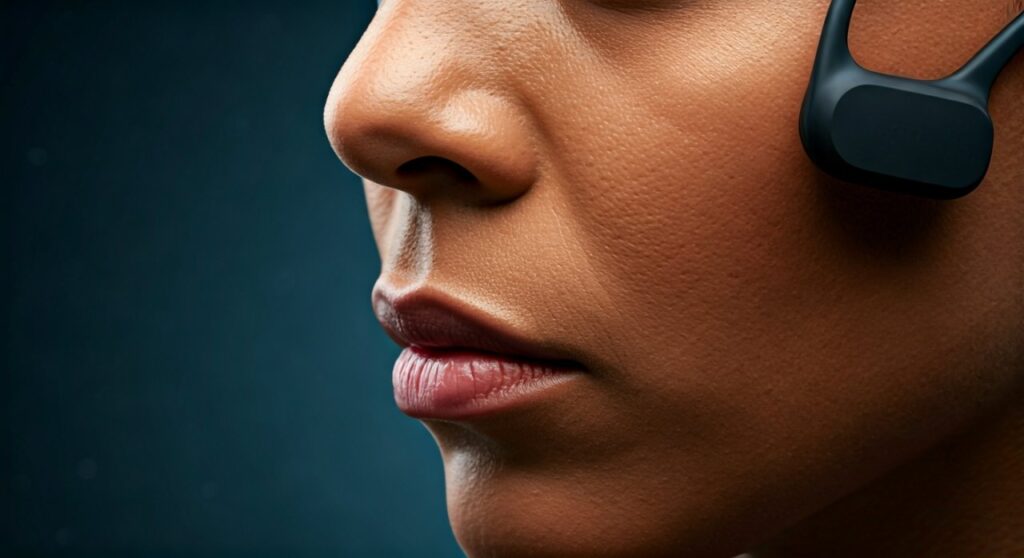
Whether you can hear music or speech through these devices depends entirely on the specific “pathway” of your hearing impairment. For many in the hard-of-hearing community, these devices offer a revolutionary way to enjoy audio without blocking the ear canal, provided the inner ear remains functional.
Key Takeaways: Can Deaf People Use Bone Conduction Headphones?
If you are looking for a quick summary of how this technology interacts with hearing loss, here are the essential facts:
- Success depends on the type of hearing loss: High effectiveness for conductive hearing loss; low effectiveness for sensorineural hearing loss.
- Bypassing the Ear Canal: These headphones use transducers to send vibrations through the cheekbones and jawbone.
- Safety & Awareness: They keep the ear canal open, allowing users to remain aware of their surroundings or continue wearing hearing aids.
- Not a Medical Replacement: While helpful, they are consumer electronics and should not replace prescribed Bone Anchored Hearing Aids (BAHA).
- Trial is Essential: Because every person’s hearing profile is unique, testing a pair of Shokz or similar brands is the only way to be certain of the results.
Understanding the Science: How Does Bone Conduction Work?
To understand does bone conduction headphones work for deaf individuals, we must first look at how we “hear” normally. Standard headphones use speakers to create air pressure waves. These waves travel through the ear canal, hit the eardrum, and move the tiny bones in the middle ear before reaching the cochlea.
Bone conduction technology removes the first three steps of that process. Instead of air vibrations, it uses mechanical vibrations.
- The headphone transducers sit on your temples or cheekbones.
- They convert electrical signals into physical vibrations.
- These vibrations travel through your skull bone directly to the fluid inside the cochlea.
- The cochlea sends the signal to the auditory nerve, and the brain interprets it as sound.
This “shortcut” is exactly why can deaf people hear with bone conduction headphones is a question with a nuanced “yes.” If the shortcut leads to a working destination (the cochlea), sound is perceived.
Comparing Hearing Loss Types and Compatibility
The effectiveness of this technology is binary based on where the “break” in your hearing system occurs. Experts categorize hearing loss into three main types.
| Hearing Loss Type | Description | Do Bone Conduction Headphones Work? |
|---|---|---|
| Conductive | Damage/Blockage in the outer or middle ear (eardrum, ear canal). | Yes (Highly Effective) – It bypasses the damaged areas entirely. |
| Sensorineural | Damage to the inner ear (cochlea) or auditory nerve. | Usually No – If the cochlea cannot process vibrations, bone conduction won’t help. |
| Mixed | A combination of both conductive and sensorineural issues. | Partial – Effectiveness depends on the severity of the sensorineural component. |
| Unilateral (SSD) | Single-Sided Deafness (one ear is deaf). | Yes – It can help provide a “stereo” feel by vibrating the skull to the good ear. |
Why it works for Conductive Hearing Loss
If you have a perforated eardrum or microtia (underdeveloped outer ear), the “hardware” for air conduction is broken. Since bone conduction headphones don’t need the eardrum, they act as a functional bridge, allowing sound to reach the inner ear clearly.
The Challenge with Sensorineural Hearing Loss
Most age-related hearing loss or noise-induced damage is sensorineural. In these cases, the “microscopic hairs” in the cochlea are damaged. Because bone conduction still relies on a healthy cochlea to translate vibrations into electrical impulses, these headphones usually offer no benefit to those with profound sensorineural deafness.
Real-World Experience: Does Bone Conduction Headphones Work for Deaf Individuals?
As an expert in audio technology, I have seen numerous cases where individuals with hearing aids find bone conduction to be a game-changer. For example, many users with Behind-the-Ear (BTE) hearing aids struggle with traditional “over-ear” headphones because of feedback or physical discomfort.
Bone conduction headphones sit in front of the ear. This means you can keep your hearing aids in to hear the world around you while the headphones vibrate music directly into your skull. This “dual-stream” audio experience is something standard earbuds simply cannot provide.
Specific Examples of Success:
- Users with Atresia: Individuals born without ear canals have reported “hearing music for the first time” using brands like Shokz.
- Chronic Ear Infections: Those who cannot put anything in their ear canals due to irritation find bone conduction a vital alternative.
- Single-Sided Deafness (SSD): Users can wear the transducer on the deaf side, and the vibrations travel through the skull to the functioning cochlea on the other side, improving sound localization.
Step-by-Step Guide: How to Test if Bone Conduction Works for You
If you are hard of hearing and want to know can deaf people use bone conduction headphones for your specific situation, follow this protocol.
Step 1: Identify Your Diagnosis
Review your most recent audiogram. Look for the “Air-Bone Gap.” If your “bone conduction” scores are significantly better than your “air conduction” scores on the chart, you are a prime candidate for these headphones.
Step 2: Consult Your Audiologist
Ask your doctor if a Bone Anchored Hearing Aid (BAHA) trial is something they would recommend. If they say you are a candidate for a BAHA, then consumer-grade bone conduction headphones will likely provide some level of benefit for casual listening.
Step 3: Conduct a “Temple Test”
Purchase a pair of headphones from a retailer with a generous return policy (like Amazon or Best Buy).
- Place the transducers on your cheekbones.
- Slowly increase the volume.
- Plug your ears with your fingers (or earplugs).
- If the sound becomes clearer or louder when your ears are plugged, the device is working via bone conduction.
Step 4: Check for Frequency Gaps
Many deaf or hard-of-hearing people lose high-frequency sounds first. Play a “frequency sweep” video on YouTube. Note at which point the sound disappears. This helps you manage expectations for music quality.
Top Recommended Bone Conduction Headphones for the Hearing Impaired
While not medical devices, certain models are better suited for those with hearing challenges due to their vibration intensity and fit.
- Shokz OpenRun Pro: These are the industry standard. They offer the most refined “TurboPitch” technology, which enhances bass—often a frequency range that is easier for those with hearing loss to perceive.
- Shokz OpenMove: A more affordable entry point. It has a “vocal mode” that boosts mid-range frequencies, making it excellent for podcasts and phone calls.
- Suunto Wing: These offer LED lights for safety and a very secure fit, which is helpful if you are also navigating balance issues (sometimes associated with inner ear deafness).
- Mojawa Run Plus: Known for having a wide vibration range, which can sometimes help those with “patchy” hearing profiles.
The Limitations: What You Must Know
It is important to remain realistic about what this technology can do. Do bone conduction headphones work for deaf people in every scenario? No.
- Sound Leakage: At high volumes (which may be necessary for the hard of hearing), people sitting next to you will hear a “tinny” version of your music.
- Vibration Fatigue: To get enough volume, the transducers must vibrate intensely. Some users find this “buzzing” sensation on their skin irritating after an hour.
- Lack of Extreme Volume: These devices have internal limiters to prevent skin damage. If your hearing loss is profound, the maximum volume may still be too quiet for you.
- Not for TV Speech: While great for music, they may not always sync perfectly with TVs without a low-latency Bluetooth transmitter, leading to lip-sync issues.
Safety and E-E-A-T Considerations
When discussing are bone conduction headphones good for deaf people, we must prioritize safety.
Expert Tip: Do not crank the volume to 100% to compensate for deafness. Even though it bypasses the eardrum, the cochlea can still be damaged by excessive vibration levels. This is known as “over-driving” the inner ear. Always start at the lowest audible level.
Furthermore, these headphones do not provide the sophisticated digital signal processing (DSP) found in hearing aids. They do not “filter” background noise or “compress” sounds to make speech clearer. They are simply a delivery mechanism for raw audio.
FAQs: Common Questions About Deafness and Bone Conduction
Can someone who is 100% deaf hear with these?
Only if the deafness is caused by an obstruction in the outer or middle ear. If the auditory nerve is severed or the cochlea is non-functional (profound sensorineural deafness), bone conduction will not work.
Do bone conduction headphones work with cochlear implants?
Many users with Cochlear Implants (CI) use bone conduction headphones simultaneously. Since the CI handles the “electrical” hearing and the headphones provide “vibrational” feedback to the skull, some users find it creates a richer sound environment. However, physical fit can be tricky with the CI processor.
Can I use these if I have tinnitus?
Yes. Many people with tinnitus prefer bone conduction because it doesn’t “trap” the ringing sound inside the ear canal like traditional earbuds do. The open-ear design allows ambient sound to mask the tinnitus naturally.
Is bone conduction the same as a hearing aid?
No. A hearing aid is a regulated medical device designed to improve speech intelligibility. Bone conduction headphones are consumer entertainment devices. However, they use similar physics to BAHA (Bone Anchored Hearing Aids).
Can deaf people use bone conduction headphones for phone calls?
Yes, provided they have conductive hearing loss. The microphones on high-end models like the Shokz OpenRun are excellent, and hearing the caller’s voice via bone vibration can often be clearer than using a traditional phone handset.
Final Verdict: Are They Worth It?
For the right candidate, bone conduction headphones are nothing short of miraculous. If you have been told by a doctor that you have an “air-bone gap” or conductive hearing loss, these devices provide a way to enjoy music and calls that was previously impossible or uncomfortable with traditional gear.
However, if your hearing loss is sensorineural (related to age or loud noise exposure), you may find the results underwhelming. Always test a pair in a quiet environment first to see if your inner ear can “catch” the vibrations.
By bypassing the traditional auditory path, these headphones offer a unique bridge to the world of sound, proving that we don’t always need our ears to hear—sometimes, our bones are enough.
![What Headphones Does TenZ Use? [2024/2025 Pro Setup]](https://bestcustomerreviews.net/wp-content/uploads/2026/03/what-headphones-does-tenz-use-2024-2025-pro-setup-1774879842-400x250.jpg "What Headphones Does TenZ Use? [2024/2025 Pro Setup]")