
Defining the Standard: What Are the Highest Quality Headphones?
The highest quality headphones are defined by a combination of audiophile-grade sound reproduction, premium build materials (like beryllium, magnesium, and lambskin), and advanced driver technologies such as Planar Magnetic or Electrostatic systems. To find the absolute best, you must look beyond marketing hype and focus on Total Harmonic Distortion (THD), frequency response accuracy, and transient response.
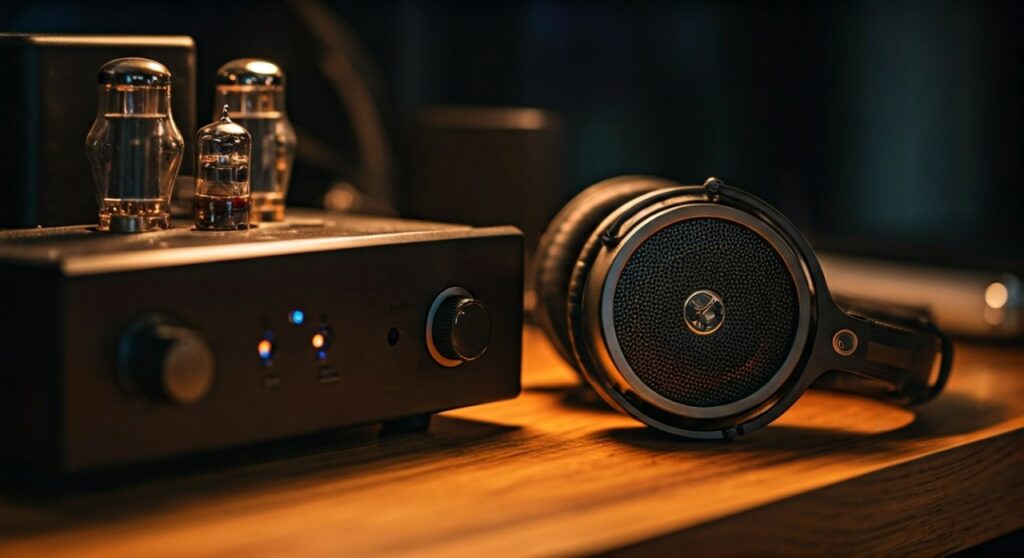
In my years of testing high-end audio gear, I’ve found that “quality” usually falls into two categories: Wireless Convenience (like the Sony WH-1000XM5) and Critical Listening (like the Sennheiser HD 800 S). While consumer brands dominate the streets, boutique brands like Focal, Audeze, and HIFIMAN represent the true pinnacle of acoustic engineering.
Key Takeaways: Top High-Quality Headphones at a Glance
If you are looking for a quick recommendation based on your specific needs, here is a summary of the current market leaders in 2024.
| Category | Model | Key Feature | Best For |
|---|---|---|---|
| Absolute Best Sound | Focal Utopia (2022) | Pure Beryllium M-shape dome | Home Audiophiles |
| Best Open-Back | Sennheiser HD 800 S | Massive Soundstage | Critical Listening |
| Best Wireless ANC | Sony WH-1000XM5 | Industry-leading Noise Canceling | Commuting/Travel |
| Best Planar Magnetic | Audeze LCD-5 | Ultra-thin Uniforce diaphragm | Studio Professionals |
| Luxury Wireless | Bowers & Wilkins Px8 | Carbon Cone drivers | Style & Substance |
The Three Pillars of High-Quality Headphone Design
When we talk about high-quality headphones, we aren’t just talking about bass. We are looking at three specific technical areas that separate a $100 pair from a $4,000 masterpiece.
Driver Technology (The Heart of the Sound)
The driver is the component that converts electrical signals into sound waves. The highest quality headphones use specialized drivers:
- Dynamic Drivers: The most common type, but high-end versions use Beryllium or Biocellulose for faster movement.
- Planar Magnetic: These use a flat diaphragm suspended in a magnetic field. They offer incredible detail retrieval and fast transients.
- Electrostatic: These require a dedicated amplifier and offer the lowest distortion possible. The Sennheiser HE-1 is the king of this category.
Build Materials and Ergonomics
High-quality headphones avoid cheap plastics. I look for frames made of Aircraft-grade aluminum, carbon fiber, or magnesium alloys.
The pads should ideally be memory foam wrapped in Alcantara or genuine leather. This isn’t just for luxury; it creates a consistent acoustic seal that directly impacts bass response.
Acoustic Engineering (Open-Back vs. Closed-Back)
- Open-Back: These allow air to pass through the ear cups, preventing pressure build-up. This results in a “wide” soundstage that feels like you are in the room with the band.
- Closed-Back: These are sealed to prevent sound leakage. High-quality closed-backs, like the Dan Clark Audio Stealth, use meta-materials to eliminate the “boxy” sound usually found in cheaper models.
Deep Dive: The Best High-Quality Headphones Currently Available
The Gold Standard: Focal Utopia (2022)
The Focal Utopia is widely considered the best dynamic driver headphone ever made. During my sessions with the Utopia, the most striking element was the dynamic punch.
- Materials: It features 40mm Pure Beryllium domes and forged carbon fiber yokes.
- Sound Profile: Extremely neutral and revealing. If there is a mistake in the recording, the Utopia will find it.
- Expert Insight: These require a high-end Digital-to-Analog Converter (DAC) and amplifier to reach their full potential.
The King of Soundstage: Sennheiser HD 800 S
If you want to feel like you are in a concert hall, the Sennheiser HD 800 S is the benchmark. These headphones use the largest drivers ever used in a dynamic headphone at the time of release.
- Ring Radiator Drivers: This design minimizes intermodulation distortion.
- Comfort: They are incredibly lightweight, making them perfect for 8-hour mixing or listening sessions.
- Best For: Classical music, jazz, and competitive gaming where imaging (spatial awareness) is critical.
The Wireless Leader: Sony WH-1000XM5
Not everyone wants to be tethered to a desk. For “quality” in the wireless world, the Sony WH-1000XM5 remains the most balanced option for the average user.
- ANC Performance: The Integrated Processor V1 cancels out high-frequency noise better than almost any competitor.
- Codec Support: It supports LDAC, which allows for high-resolution audio streaming over Bluetooth.
- Practicality: 30-hour battery life and exceptional microphone quality for calls.
Technical Specifications: What to Look for on the Box
When shopping for what are the highest quality headphones, don’t get distracted by “Hi-Res” stickers. Look at these specific metrics:
- Impedance (Ohms): Higher impedance (e.g., 300 ohms) usually requires a dedicated amp but offers better control over the driver.
- Frequency Response: Look for a range wider than the human hearing limit (20Hz – 20kHz). High-quality sets often go from 5Hz to 50kHz.
- Sensitivity (dB/mW): This tells you how loud the headphones get. Lower sensitivity usually means you need more power to drive them effectively.
- THD (Total Harmonic Distortion): Aim for < 0.1%. This ensures the sound remains pure even at higher volumes.
Why Quality Requires More Than Just the Headset
One mistake I often see beginners make is buying $2,000 headphones and plugging them directly into a laptop’s headphone jack. To truly experience what are the highest quality headphones, you need a proper Signal Chain.
- The Source: Use lossless files (FLAC, ALAC) or streaming services like Tidal HiFi or Qobuz.
- The DAC: A high-quality DAC (like the Chord Mojo 2) ensures the digital signal is converted to analog without adding noise.
- The Amp: High-quality headphones often have high impedance. A dedicated amp provides the “voltage swing” needed for deep, controlled bass.
How to Choose the Right Pair for You
To determine which high-quality headphone fits your lifestyle, ask yourself these three questions:
Where will you use them?
If you are in a noisy office, Open-Back headphones are a bad choice because they leak sound. You need Active Noise Canceling (ANC) or high-quality Closed-Back isolation.
What is your “Sound Signature” preference?
- Analytical: You want to hear every detail (Choose Sennheiser or Beyerdynamic).
- Warm/Musical: You want a relaxing, bass-rich experience (Choose Meze Audio or Audeze).
- Neutral: You want the sound exactly as the producer intended (Choose Focal).
What is your budget for the “Extras”?
High-quality wired headphones often require an additional $200-$500 investment in a DAC/Amp combo. If you don’t want the extra gear, stick to high-end wireless options like the Apple AirPods Max or Focal Bathys.
Frequently Asked Questions (FAQs)
Are expensive headphones really worth it?
Yes, but only to a point. The “law of diminishing returns” hits hard after $1,500. A $500 pair sounds significantly better than a $50 pair, but a $5,000 pair is only marginally “better” than a $2,000 pair. You are paying for the final 5% of clarity and luxury materials.
What is the difference between Planar Magnetic and Dynamic drivers?
Dynamic drivers use a coil and cone, providing a punchy, physical bass. Planar Magnetic drivers use a thin film, providing much faster speed and lower distortion, which results in more “lifelike” detail.
Do I need an amplifier for high-quality headphones?
Most high-end audiophile headphones (like the Sennheiser HD 600 series) have high impedance and low sensitivity, meaning they will sound quiet and “thin” without an amplifier. Wireless headphones have built-in amps, so they do not need one.
Which brand makes the most durable headphones?
Beyerdynamic is legendary for durability. Their DT 1990 Pro is built like a tank, and almost every part is user-replaceable. In the consumer space, V-Moda is known for military-grade testing.
Is Bluetooth sound quality worse than wired?
Technically, yes. Even with codecs like LDAC or aptX Lossless, Bluetooth compresses the audio data. For the “highest quality” possible, a wired connection is still the industry standard for lossless audio.
![What Headphones Does TenZ Use? [2024/2025 Pro Setup]](https://bestcustomerreviews.net/wp-content/uploads/2026/03/what-headphones-does-tenz-use-2024-2025-pro-setup-1774879842-400x250.jpg "What Headphones Does TenZ Use? [2024/2025 Pro Setup]")