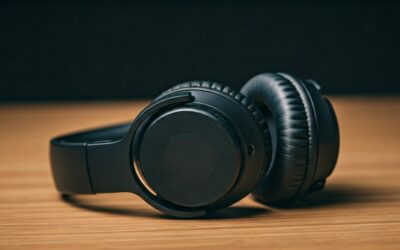

Understanding How MRI Headphones Work: The Science of Silent Scans
If you have ever had an MRI, you know the sound is deafening, often reaching levels of 120 decibels, which is comparable to a rock concert or a jet engine. MRI headphones work by utilizing pneumatic technology, which transmits sound via air pressure through plastic tubes rather than using electricity and metal wires. This design ensures that the headphones do not interfere with the powerful magnetic fields of the MRI scanner while protecting the patient’s hearing and providing a way to communicate with the technologist.
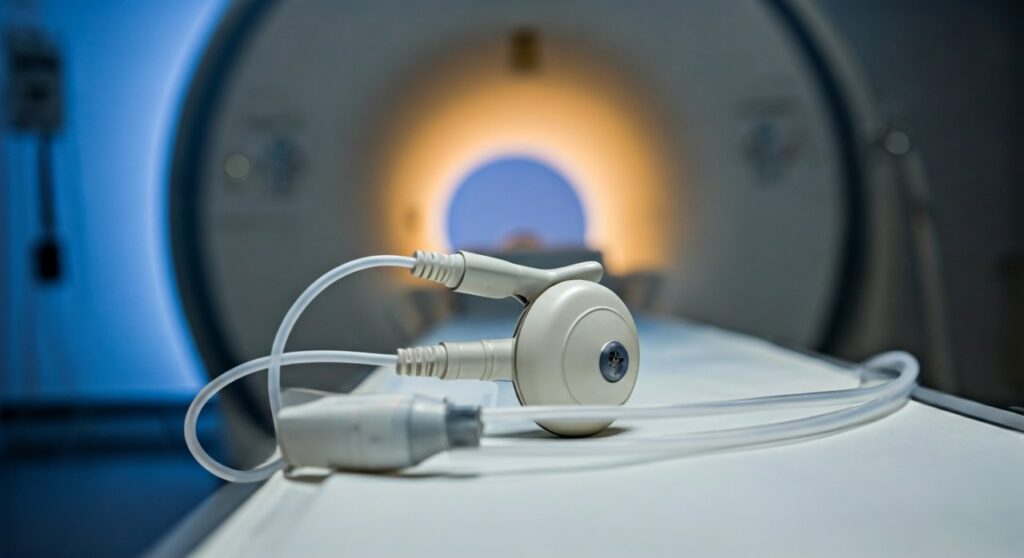
Because standard headphones contain ferrous metals and permanent magnets, they would be ripped off a patient’s head or cause dangerous artifacts in the imaging. Instead, MRI-compatible headphones use a transducer located outside the magnet room to convert electrical signals into air pulses. These pulses travel through hollow tubes to your ears, allowing you to listen to music or instructions safely during your procedure.
Key Takeaways: How MRI Headphones Deliver Sound
| Feature | Standard Headphones | MRI-Compatible Headphones |
|---|---|---|
| Signal Type | Electrical via Copper Wire | Pneumatic (Air Pressure) |
| Materials | Magnets, Metal, Plastic | Non-ferrous Plastics, Vinyl |
| Safety | High Risk (Projectile/Burn) | MRI Safe / MR Conditional |
| Sound Delivery | Diaphragm in Ear Cup | Remote Transducer via Tubing |
| Main Purpose | High-Fidelity Audio | Hearing Protection & Communication |
Why Regular Headphones Are Forbidden in the MRI Suite
To understand how do mri headphones work, you must first understand why your favorite pair of noise-canceling earbuds cannot enter the room. An MRI machine is essentially a giant, incredibly powerful superconducting magnet.
Standard headphones rely on electromagnetism. They use a small coil of wire and a permanent magnet to vibrate a cone and create sound. If you brought these into an MRI suite, two dangerous things would happen:
- Projectile Risk: The magnet would pull the headphones toward the center of the bore at high velocity.
- Radiofrequency (RF) Heating: The wires would act as antennas, picking up energy from the RF pulses, which could cause severe skin burns.
The Pneumatic Mechanism: Sound Traveling Through Air
The primary way MRI headphones work is through a system called pneumatic sound delivery. This is the same technology used in the old-fashioned stethoscopes or the plastic headsets used on airplanes decades ago.
The Remote Transducer
The “brain” of the audio system sits in the operator’s console or a shielded cabinet outside the actual magnet room. This device is called a transducer. It receives an electrical signal from a music player or the technician’s microphone and converts it into mechanical air vibrations.
Plastic Tubing (The Conduit)
These air vibrations travel through long, hollow polyvinyl chloride (PVC) or plastic tubes. Because these tubes contain no metal, they are completely invisible to the magnetic resonance imaging process and pose no safety risk.
The Earpieces
The part you actually wear looks like heavy-duty earmuffs. Inside the muffs, the air tubes terminate in a small chamber. The vibrating air hits your eardrum directly, or vibrates a small plastic diaphragm, allowing you to hear the audio clearly despite the loud “clanging” of the gradient coils.
Step-by-Step: How MRI Headphones Are Used During a Scan
If you are a patient or a student, seeing the workflow helps demystify the technology. Here is the typical process for using MRI headphones during a clinical session.
Pre-Scan Selection
The MRI technologist selects a pair of headphones based on the “coil” being used. If you are having a brain scan, the headphones must be slim enough to fit inside the Head Coil (the plastic cage around the head).
Connection to the Manifold
The technologist connects the plastic tubing from the headphones into a “manifold” or port located on the side of the MRI table. This manifold is connected to the external sound system.
Patient Positioning and Hearing Protection
The patient puts on the headphones. These serve a dual purpose: they provide the audio and act as Passive Noise Reduction. Because MRI noise can exceed 110 dB, simply wearing the padded muffs reduces the ambient noise to a safer level (usually by 20-30 dB).
The Intercom Check
Before the scan starts, the technologist speaks into a microphone. The voice is converted to air pulses, travels through the tubes, and the patient confirms they can hear. This is critical for safety, as the technologist must be able to give instructions like “hold your breath.”
Advanced Tech: Active Noise Cancellation (ANC) in MRI
While basic pneumatic headphones are the industry standard, some high-end facilities use Electronic MRI Headphones. These are much more complex and represent the cutting edge of medical imaging audio.
These systems use Active Noise Cancellation. Tiny, non-magnetic microphones inside the ear cup “listen” to the MRI’s thumping noise. The system then generates an “anti-noise” sound wave that is fed through the air tubes. This effectively “cancels” the loud rhythmic banging of the MRI sequences, making the experience much more pleasant for patients with claustrophobia or anxiety.
The Importance of Material Science in MRI Safety
In the world of Magnetic Resonance, materials are categorized into three groups: MR Safe, MR Conditional, and MR Unsafe. MRI headphones are strictly designed to be MR Safe or MR Conditional.
- Non-Ferrous Materials: Manufacturers like Resonance Technology or Magnadawn use high-density plastics, specialized foams, and rubber.
- Acoustic Clarity: Because sound loses quality as it travels through air tubes, engineers must calibrate the transducers to “over-emphasize” certain frequencies so that the music sounds normal by the time it reaches the patient.
- Shielding: Any electronic components used near the bore are encased in Faraday cages (copper shielding) to prevent their signals from creating “static” or “artifacts” on the medical images.
Expert Perspective: Why Audio Quality Matters for Diagnosis
As a specialist in patient comfort, I have seen firsthand how MRI headphones impact image quality. When a patient is anxious due to the loud noise, they are more likely to move. Even a millimeter of movement can blur an MRI image, requiring a “re-scan.”
By providing high-quality pneumatic audio, clinics can:
- Lower patient heart rates.
- Reduce the need for sedation in pediatric patients.
- Improve communication, ensuring the patient follows breathing instructions perfectly.
- Increase “patient throughput” by finishing scans faster without repeats.
Frequently Asked Questions (FAQs)
Can I bring my own headphones to an MRI?
No, you cannot bring your own headphones, even if they are plastic or “wireless” Bluetooth earbuds. Bluetooth earbuds contain batteries and metal components that can heat up and cause burns or be damaged by the MRI’s magnetic field.
Why do the headphones sound “hollow” or like they are in a tunnel?
This is because the sound is traveling through several feet of plastic tubing. Since the sound is moved by air rather than an electrical wire right next to your ear, it loses some of the “high-end” crispness. However, modern high-end MRI audio systems use digital equalization to correct this.
Do MRI headphones block out all the noise?
They do not block out all the noise, but they significantly reduce it. Most MRI headphones provide a Noise Reduction Rating (NRR) of between 25 dB and 30 dB. You will still hear the rhythmic thumping of the machine, but it will be at a muffled, safe volume.
What happens if the headphones fail during a scan?
If the audio cuts out, you are still protected by the physical padding of the headphones, which acts as an earplug. You should use the “squeeze ball” (the emergency call button) provided by the MRI technologist if you feel uncomfortable or can no longer hear instructions.
Are there headphones for kids in the MRI?
Yes, there are specially designed pediatric MRI headphones that are smaller to fit a child’s head and often come in bright colors to reduce “white coat syndrome” anxiety.