
Headphones typically cost between $20 and $500 for mainstream consumer models, though professional audiophile sets can exceed $5,000. If you are wondering how much are headphones for everyday use, you can expect to pay approximately $150 to $350 for high-quality features like Active Noise Cancellation (ANC) and premium battery life.
Finding the right pair involves balancing your budget against the specific technologies you need. Whether you are a student looking for a cheap pair for the library or a professional gamer needing spatial audio, the price fluctuates based on brand, driver type, and connectivity options.
Key Takeaways: Quick Pricing Overview
- Budget Tier ($10 – $50): Best for casual listening, children, or “backup” pairs. Expect plastic builds and wired connections.
- Mid-Range Tier ($60 – $180): The “Sweet Spot.” You get reliable Bluetooth 5.0, decent battery life, and comfortable padding.
- Premium Tier ($200 – $500): This is where Sony, Bose, and Apple compete. Expect industry-leading ANC, high-res codecs (LDAC/aptX), and metal accents.
- Audiophile/Professional Tier ($600 – $5,000+): Specialized gear with Planar Magnetic drivers or open-back designs for studio mixing.
Understanding the Price Tiers: How Much Do Headphones Cost?
When asking how much do headphones cost, it is helpful to look at the market through the lens of performance tiers. The price often reflects the research and development (R&D) invested in software and acoustic engineering.
The Entry-Level Category ($10 – $50)
In this bracket, you are primarily paying for basic functionality. Brands like JLab, Skullcandy, and Anker Soundcore dominate this space. You will find simple in-ear buds or lightweight on-ear models.
The Mid-Range Category ($60 – $190)
This is the most popular category for many users. For this price, you get a significant jump in build quality. Materials shift from cheap plastics to reinforced hinges and memory foam ear cushions. Brands like Jabara and Sennheiser offer great value here.
The High-End/Flagship Category ($200 – $600)
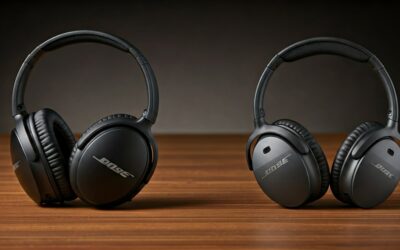
If you want the best noise-canceling experience for travel, this is the range to target. Models like the Sony WH-1000XM5 or Bose QuietComfort Ultra sit here. You are paying for advanced chipsets that process external noise thousands of times per second.
| Category | Typical Price Range | Best For | Key Features |
|---|---|---|---|
| Budget | $15 – $50 | Students, Gym | Wired, basic Bluetooth |
| Mid-Range | $60 – $180 | Office, Commuting | Long battery, Multi-point |
| Premium | $200 – $450 | Travel, Focus | Top-tier ANC, App support |
| Audiophile | $500 – $3,000+ | Studio, Home Hi-Fi | Open-back, Planar drivers |
Factors That Determine How Much for Headphones
Several technical and economic factors influence the final price tag on the shelf. Understanding these will help you decide if a specific pair is worth the investment.
Research and Development (R&D)
Software is now as important as hardware. Companies like Apple and Google spend millions developing “Computational Audio.” This allows small speakers to sound like massive theater systems.
Driver Technology
The “driver” is the part that actually creates sound.
- Dynamic Drivers: Common and affordable.
- Planar Magnetic Drivers: More expensive, offering lower distortion and faster response.
- Electrostatic Drivers: Found in ultra-luxury models, requiring a dedicated amplifier.
Materials and Ergonomics
Premium headphones use Alcantara, genuine leather, and stainless steel. Cheaper models use “protein leather” (synthetic), which may peel after a year of heavy use. Investing more upfront often means the headphones will physically last longer.
How Much is Headphones by Category Type?
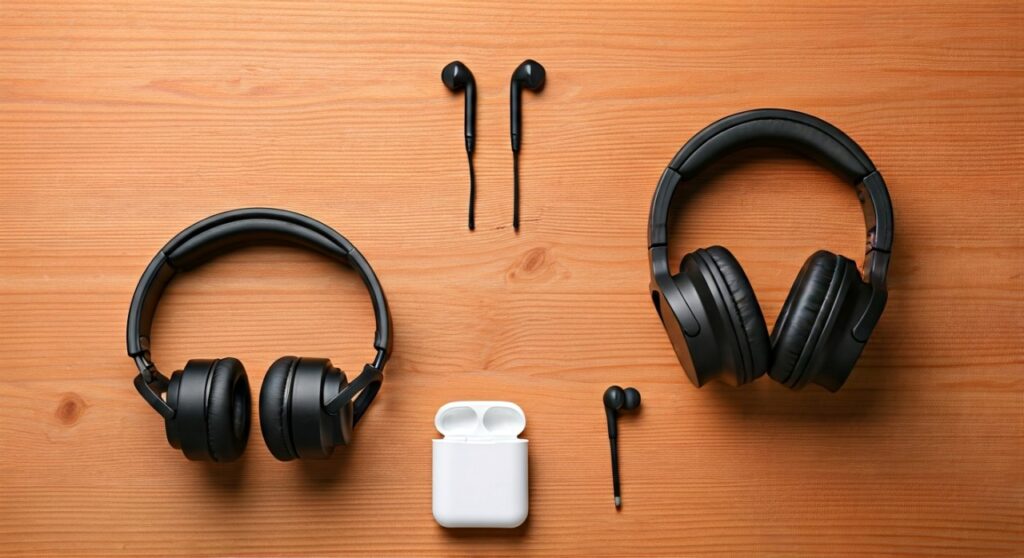
The physical design of the headphones significantly impacts how much is headphones at checkout. Each form factor has different manufacturing costs.
In-Ear Headphones (Earbuds)
- Wired Buds: $5 – $30.
- True Wireless (TWS): $30 – $300.
On-Ear Headphones (Supra-aural)
- Average Cost: $50 – $150.
Over-Ear Headphones (Circumaural)
- Average Cost: $100 – $500+.
How Much Does Headphones Cost for Specific Use Cases?
Are you a gamer, a runner, or a music producer? Your specific needs will dictate the price.
Gaming Headphones ($50 – $300)
Gamers need low-latency wireless and high-quality microphones. A mid-range gaming headset like the SteelSeries Arctis Nova 7 costs around $180. Premium models with haptic feedback (vibrations) can reach $350.
Sports and Fitness Headphones ($30 – $180)
Here, you pay for an IP rating (waterproofing). Headphones that can survive sweat and rain require specialized seals. Shokz bone conduction headphones, popular for runners, usually cost between $120 and $160.
Studio and Professional Headphones ($150 – $1,000)
Professionals need a “flat” frequency response. This means the headphones don’t “lie” to you by boosting the bass. The Sennheiser HD600, a studio legend, consistently retails around $300 to $400.
Step-by-Step Guide: How to Determine Your Headphones Budget
Choosing how much for headphones shouldn’t be a guessing game. Follow these steps to find your ideal price point.
Step 1: Identify Your Primary Environment
If you work in a loud open office, you must budget for ANC. This usually starts at $100. If you listen in a quiet bedroom, you can spend less on tech and more on pure sound quality.
Step 2: Check Your Device Compatibility
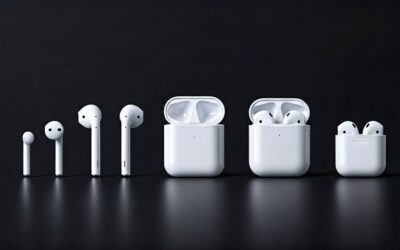
- iPhone Users: You might get the most value from AirPods ($129-$549) due to the H2 chip integration.
- Audiophiles: If you buy high-impedance headphones, you must budget an extra $100-$200 for a DAC/Amp.
Step 3: Consider the Longevity (Cost Per Year)
A $300 pair of Sony headphones that lasts 5 years costs you $60/year. A $50 pair that breaks every 6 months costs you $100/year. Sometimes, spending more upfront saves money in the long run.
Step 4: Look for “Last Gen” Models
When a brand releases a new version (e.g., the Bose QC Ultra), the previous version (QC45) usually drops by $100 or more. This is the best way to get premium tech on a mid-range budget.
Hidden Costs to Consider
When calculating how much are headphones, don’t forget the extras:
- Replacement Ear Pads: $20 – $40 (Needed every 2 years).
- Carrying Cases: $15 – $30 (If not included).
- Streaming Subscriptions: To hear the quality of $400 headphones, you may want Tidal or Apple Music for lossless audio.
Frequently Asked Questions (FAQs)
Why are some headphones $500 while others are $50?
The price difference usually comes down to Active Noise Cancellation (ANC) technology, driver quality, battery life, and materials. Expensive headphones use custom-designed chips to filter noise and high-quality metals for durability.
Is it worth spending more than $300 on headphones?
Yes, if you value comfort and silence. For frequent flyers or office workers, the noise reduction in $300+ models significantly reduces fatigue. However, for casual gym use, a $100 pair is often sufficient.
Does a higher price always mean better sound?
Not necessarily. Many “lifestyle” brands charge for the logo and design. Often, a $200 pair of specialized studio headphones from Beyerdynamic will sound “clearer” than a $400 pair of fashionable consumer headphones.
How much should I spend on my first pair of “good” headphones?
For most people, the $150 to $200 range is the best starting point. This ensures you get modern features like Bluetooth multipoint, decent mic quality for calls, and a build that won’t break within a year.
Are wired headphones cheaper than wireless?
Generally, yes. Wired headphones don’t need batteries, Bluetooth chips, or internal DACs. You can often get much higher sound quality for $100 in a wired model than you would in a $100 wireless model.