
Understanding the Basics of Headphone Anatomy
To master how to draw headphones, you must first understand that they are a combination of simple geometric volumes. Most beginners fail because they treat the object as a flat 2D shape rather than a 3D structure that wraps around a sphere (the human head).
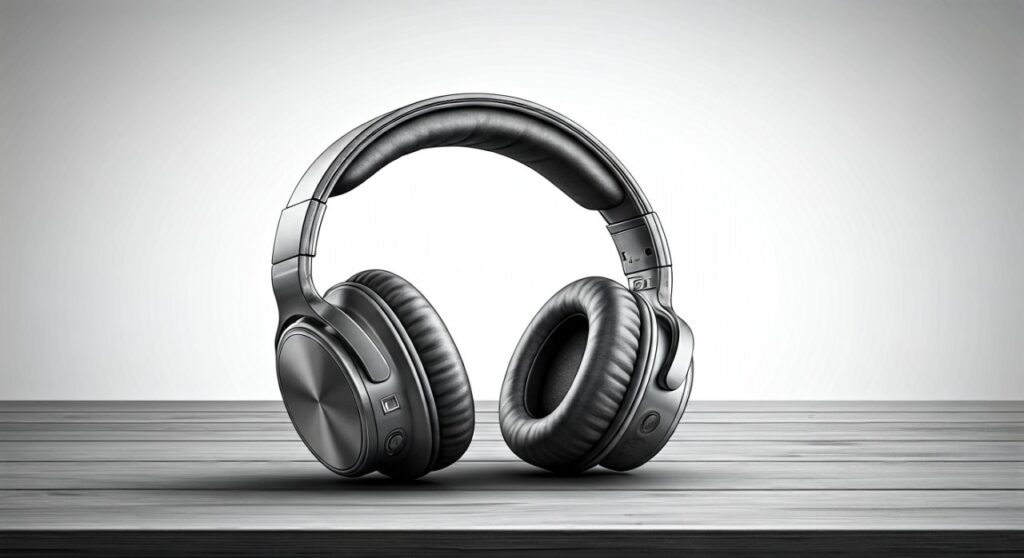
Whether you want to learn how to draw a headphone for a character design or a technical product sketch, you should focus on three primary components: the ear cups, the headband, and the cushions. By breaking these down into ovals and cylinders, the process becomes much more manageable.
Key Takeaways for Beginners
- Start with Ellipses: Use ovals to establish the perspective of the ear cups.
- Symmetry is Critical: Ensure both ear cups align on a parallel axis.
- Layering: Draw the internal structure (the frame) before adding the soft “fluff” of the pads.
- Think 3D: Imagine the headband as a thick ribbon, not just a single line.
Essential Tools for Sketching Headphones
Before diving into the steps, having the right materials can make a significant difference in your final result. Based on my experience in product illustration, I recommend the following:
| Tool Category | Recommended Item | Purpose |
|---|---|---|
| Pencils | 2H and 4B Graphite | 2H for light construction; 4B for deep shadows. |
| Eraser | Kneaded Eraser | Allows for lifting highlights without damaging the paper. |
| Paper | Smooth Bristol Board | Best for clean, industrial-looking lines. |
| Guides | Ellipse Template | Essential for perfect symmetry in ear cup design. |
| Digital | Wacom or iPad (Procreate) | Great for using “symmetry tools” to speed up the process. |
How to Draw Headphones Easy: A Step-by-Step Guide
Follow these refined steps to create a professional-looking sketch. This method works whether you are learning how to draw headphones for a hobby or a professional portfolio.
Step 1: Establish the Perspective Axis
Start by drawing a faint vertical line. This represents the center of the “head” the headphones would sit on. Draw a horizontal line intersecting it to ensure your ear cups are level. This “cross” ensures your drawing doesn’t look lopsided.
Step 2: Sketch the Ear Cups
Draw two identical ovals (ellipses) on either side of your vertical line. If you are drawing from a 3/4 view, the oval closer to the viewer will be wider, while the one further away will be narrower. This is a fundamental rule of linear perspective.
Step 3: Define the Headband Structure
Connect the two ovals with a large, sweeping “U” shape. To make it look realistic, draw a second parallel line just above the first one. This gives the headband thickness. Remember, the headband should be slightly wider than the ear cups to account for the “clamping force.”
Step 4: Add the Ear Cushions
Inside each oval, draw a smaller, softer oval. These are the ear pads. Use curved, organic lines here instead of rigid ones to suggest the soft texture of foam or leather. This contrast between the hard plastic shell and soft pads makes the drawing “pop.”
Step 5: Detail the Joints and Cables
Draw the “yokes”—the parts that hold the ear cups to the headband. These often look like small “Y” or “U” shaped brackets. If you are drawing wired headphones, add a flowing line coming from the bottom of one cup. Make sure the cable has a slight “S” curve to look natural.
Advanced Techniques for Realistic Textures
Once you have the basic shape down, you need to apply Information Gain through texture and shading. A common mistake when learning how to draw a headphones set is making every surface look the same.
Simulating Different Materials
- Plastic Shells: Use sharp, high-contrast highlights. Leave a small strip of white paper untouched to represent a “rim light.”
- Leather Pads: Use small, “wrinkle” lines near the edges where the material compresses. This adds immediate realism.
- Metal Grills: If drawing open-back headphones, use a cross-hatching technique to simulate the fine mesh of the speaker grill.
- Velour Cushions: Use very soft, blended shading with a tortillon (blending stump) to create a matte, fuzzy look.
Comparative Analysis of Headphone Styles
Depending on what you are drawing, the silhouette will change. Use the table below to choose the style that fits your needs.
| Headphone Type | Drawing Difficulty | Key Visual Feature |
|---|---|---|
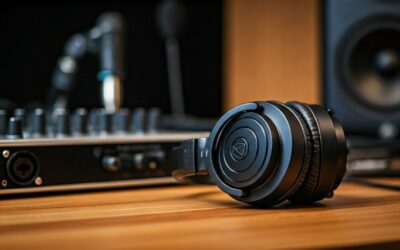
| Studio Monitor | Medium | Large circular cups, thick padded headband. |
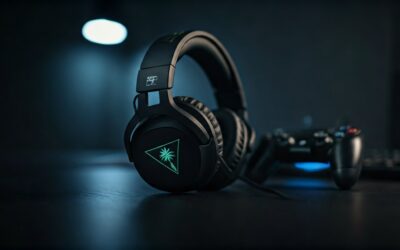
| Gaming Headset | Hard | Angular designs, integrated microphone, RGB lighting. |
| Modern Wireless | Easy | Sleek, hidden joints, minimalist “pill” shapes. |
| Vintage/Retro | Medium | Thin metal bands, foam pads, visible wires. |
Expert Tips for Perfecting Your Sketch
After years of teaching technical drawing, I have noticed that the smallest details often provide the most value. Here are some expert-level insights:
1. Focus on the “Squish”
When headphones sit on a surface or a head, the cushions compress. Don’t draw them as perfect circles. Flatten the side of the cushion that is touching another object to show weight and physics.
2. The Importance of “Line Weight”
Use thicker lines for the outer silhouette of the headphones and thinner lines for the internal details like the speakers or stitching. This guides the viewer’s eye and creates a sense of depth.
3. Use References
Even pros use references. Look at brands like Sony, Bose, or Sennheiser. Notice how their hinges are constructed. Copying real-world engineering makes your art look more “believable.”
Common Mistakes to Avoid
Avoid these pitfalls to ensure your how to draw headphones easy tutorial yields professional results:
- Flat Headbands: Many beginners draw the headband as a single wire. In reality, it has width and often changes thickness at the top.
- Ignoring the Depth: Remember that the ear cups are bowls, not discs. You should be able to see “inside” the cup slightly depending on the angle.
- Stiff Cables: If you include a cord, don’t make it a straight line. Use gravity to influence its path.
Frequently Asked Questions
Is it easier to draw headphones digitally or on paper?
Digital drawing is often easier for beginners because you can use Symmetry Tools and Layers. This allows you to draw one ear cup and flip it to ensure perfect proportions. However, drawing on paper helps build better fine motor skills and “muscle memory.”
How do I make the headphones look metallic?
To achieve a metallic look, use high-contrast shading. Place your darkest blacks right next to your brightest whites. This “specular highlight” mimics the way light reflects off polished aluminum or steel.
How to draw a headphones set on a person?
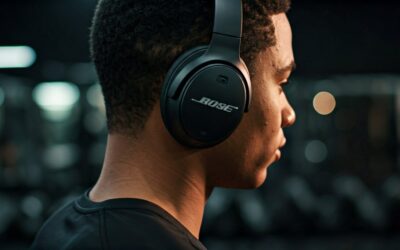
Start by drawing the head first. Then, “wrap” the headband over the top of the skull. The ear cups should be centered over the ears, usually tilted slightly forward to match the natural angle of the human ear.
What are the best shapes to start with?
Always start with cylinders and spheres. If you can draw a cylinder at different angles, you can draw any pair of headphones in existence.
How can I draw headphones easy for kids?
For a simplified version, draw two circles and connect them with a rainbow-shaped arc. Skip the internal details like grills and stitching, and focus on bold colors to make the drawing fun.