

TL;DR: Quick Solutions for Screen Creases
If you are wondering how to get wrinkles out of a projector screen, the best approach depends on the material. For most PVC or vinyl screens, a hairdryer on low heat or simply leaving the screen hanging under tension for 24-48 hours works wonders. Avoid using high heat or harsh chemicals, as these can permanently damage the reflective coating.
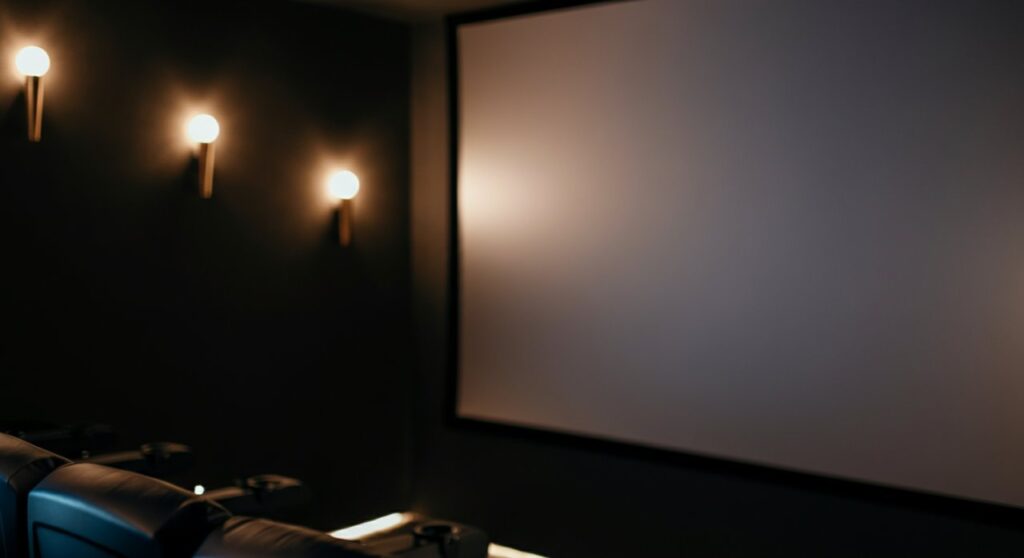
Understanding Your Projector Screen Material
Before you attempt to remove creases, you must identify what your screen is made of. Not all materials react the same way to heat or tension.
- PVC/Vinyl: These are common in motorized or fixed-frame screens. They are durable but prone to permanent stretching if overheated.
- Matte White Fabric: Often found in portable tripod screens. These are softer and can be more susceptible to deep, stubborn creases.
- Black Diamond/ALR (Ambient Light Rejecting): These are complex, multi-layered materials. Never use heat on these screens without manufacturer clearance.
Always check your user manual first. Manufacturers often provide specific maintenance instructions that override general DIY advice.
Why Do Wrinkles Form?
Wrinkles typically occur due to improper storage or environmental changes. Understanding the cause helps in preventing future issues.
- Tight Folding: Keeping a screen folded for weeks during storage creates deep, structural creases.
- Temperature Fluctuations: Rapid changes in humidity or temperature can cause the material to expand or contract unevenly.
- Improper Tension: If your screen isn’t pulled taut on its frame, it will sag and develop wavy lines over time.
Step-by-Step: How to Get Wrinkles Out of a Projector Screen (Heat Method)
This is the most common method for minor ripples. Use extreme caution when applying heat to your projector screen.
- Mount the screen: Ensure your screen is fully extended and hanging on a wall or stand.
- Set the heat: Use a hairdryer on the lowest heat setting. High heat will melt or warp the material.
- Apply heat: Move the dryer back and forth about 10–12 inches away from the surface. Do not hold it in one spot for more than 3 seconds.
- Smooth gently: As the material warms slightly, use a soft, clean microfiber cloth to gently smooth the area.
- Cool down: Allow the screen to hang undisturbed for at least one hour to set the shape.
Using Tension to Remove Creases
If you are looking for how to get creases out of projector screen without using heat, the “tension method” is your safest bet. This works best for screens that have a frame or grommets.
- Check the tension: Ensure all springs or straps on your frame are tight and evenly distributed.
- Wait it out: In many cases, simply keeping the screen assembled and under tension for 48 hours will allow gravity and the material’s natural elasticity to pull the wrinkles out.
- Adjust mounting points: If you have a roll-up screen, ensure the bottom bar is weighted correctly to maintain a vertical pull.
Comparison of Wrinkle Removal Techniques
| Method | Safety Level | Effectiveness | Recommended For |
|---|---|---|---|
| Gravity/Tension | Very High | Medium | All screen types |
| Low Heat (Dryer) | Moderate | High | PVC/Vinyl screens |
| Steaming | Low | Very High | Heavy fabric screens only |
| Professional Repair | High | Very High | Expensive/ALR screens |
What NOT To Do
As someone who has ruined a budget screen by being too aggressive, I strongly advise against these common mistakes:
- Never use an iron: Even on the lowest setting, an iron will likely melt the surface of your projector screen.
- Avoid harsh cleaners: Chemicals can strip the optical coating that makes the image bright and clear.
- Do not over-stretch: Pulling too hard on the grommets can tear the fabric, causing permanent structural damage.
Maintenance Tips to Prevent Future Wrinkles
Once you have successfully learned how to get wrinkles out of a projector screen, keep it that way with proper care.
- Store it flat or rolled: If you must take your screen down, always roll it around a sturdy tube rather than folding it.
- Keep it clean: Dust buildup can affect how the material hangs. Use a soft brush or compressed air periodically.
- Control the environment: Try to keep your home theater at a consistent, moderate temperature.
Frequently Asked Questions (FAQs)
1. Can I use a steamer on my projector screen?
Only if the manufacturer explicitly states the material is steam-safe. For most standard PVC screens, steam can cause the material to warp or delaminate.
2. How long should I leave the screen hanging before the wrinkles disappear?
In most cases, small ripples disappear within 24 to 48 hours under proper tension. Deep folds from shipping may take longer.
3. Will the wrinkles disappear on their own?
Often, yes. If the screen is new, the material just needs time to relax after being packed in a box. Proper installation and tensioning usually solve the problem without further intervention.
4. Can I fix a permanent crease in a projector screen?
If the material is physically creased (like a sharp line in paper), it is very difficult to remove completely. You can minimize the visibility, but it may remain a slight aesthetic flaw.
5. Does the type of projector screen affect how I remove wrinkles?
Yes. Fixed-frame screens are easier to manage with tension, while portable tripod screens require more care to avoid snapping the delicate frame mechanism.