
How to Make Headphones More Comfortable: The Ultimate Guide
Nothing ruins a high-fidelity listening session or a deep-work sprint like the sharp pinch of a tight headband or the sweaty irritation of low-quality ear pads. To how to make headphones more comfortable, you must address the three pillars of ergonomic fit: clamping force, cushioning quality, and weight distribution. By stretching the frame, upgrading to memory foam ear pads, or adding headband wraps, you can transform even the most rigid studio monitors into “clouds for your ears.”
Key Takeaways for Immediate Comfort
- Stretch the Frame: Gently expand the headband over a stack of books to reduce clamping force.
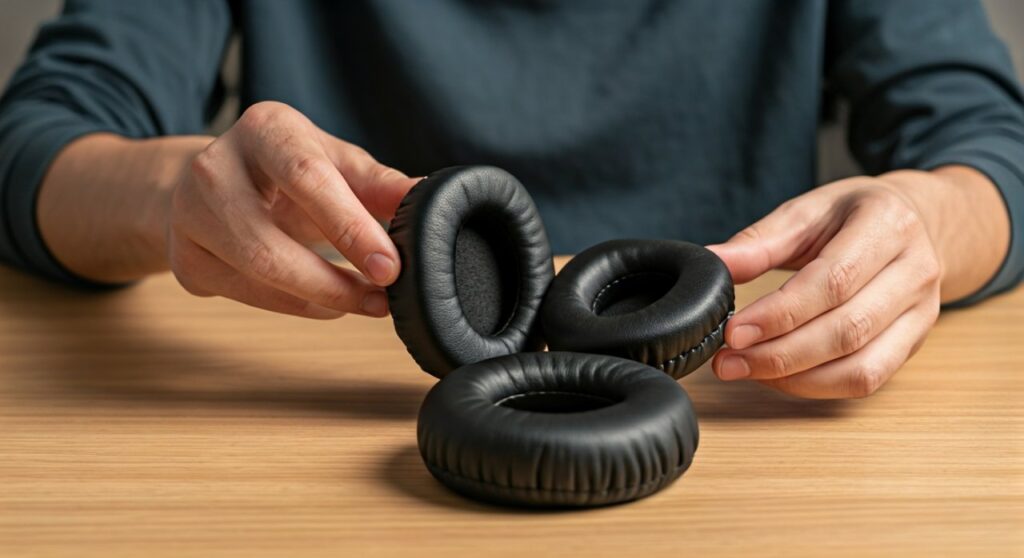
- Swap the Pads: Replace stock “protein leather” with cooling gel or velour ear pads.
- Add Padding: Use a universal headband cover to redistribute weight and prevent “hot spots” on your skull.
- Mind the Glasses: If you wear spectacles, look for pads with “relief cuts” or choose thinner frames to prevent temple pressure.
Identifying the Source of Your Headphone Discomfort
Before you start modifying your gear, you need to diagnose the specific “pain point” that makes your headphones unbearable. Most comfort issues stem from the physical interaction between the clamping force of the spring-steel headband and the surface area of the ear cushions.
If the top of your head hurts, the issue is weight distribution. If your ears feel like they are in an oven, the culprit is breathability. Understanding these factors allows you to choose the most effective strategy for how to make headphones more comfortable without damaging your equipment.
Common Headphone Comfort Complaints
- The “Claw” Effect: Excessive pressure against the jaw and temples.
- Sweaty Ear Syndrome: Heat buildup caused by non-breathable synthetic leather.
- Crown Pain: A sharp or dull ache on the very top of the head from a thin headband.
- Inner Ear Rubbing: When the ear pads are too shallow, causing your outer ear to touch the driver plate.
Step 1: Reducing Clamping Force (The Stretch Method)
Most professional headphones, such as the Sennheiser HD600 series or various Beyerdynamic models, come with a high clamping force out of the box to ensure a secure seal. While great for isolation, this can cause significant discomfort over time.
To fix this, you need to perform a controlled “break-in” of the headband. Take a stack of books that is slightly wider than your head. Place the headphones over the books and leave them for 24 to 48 hours.
Expert Tip: Be extremely careful with plastic headbands. Metal-reinforced headbands can handle significant stretching, but pure plastic frames (common in budget gaming headsets) may snap if overextended. Always stretch in small increments and test the fit frequently.
Step 2: Upgrading to Premium Ear Pads
The most impactful way to learn how to make headphones more comfortable is to invest in aftermarket ear pads. Most manufacturers use cheap, thin foam to save on costs. Upgrading to brands like Dekoni Audio, Brainwavz, or Wicked Cushions can fundamentally change the wearing experience.
Comparison of Ear Pad Materials
| Material Type | Pros | Cons | Best For |
|---|---|---|---|
| Sheepskin Leather | Incredible seal, very soft, durable. | Can get warm, expensive. | Audiophiles, Bass lovers. |
| Velour / Fabric | Extremely breathable, no sweat. | Leaks sound, reduces bass impact. | Long office hours, hot climates. |
| Cooling Gel Hybrid | Instant cooling sensation, soft. | Cooling effect fades after 1 hour. | Gamers, intense sessions. |
| Memory Foam | Molds to your unique head shape. | Takes time to “warm up.” | Everyone. |
Why Depth Matters
If your ears are touching the hard plastic covering the speakers, you need extra-thick pads. Look for “Angled” or “XL” pads. These create a deeper cavity, ensuring your ears “float” inside the cup rather than being pressed against the internal hardware.
Step 3: Improving Headband Cushioning
The “top-of-the-head” ache is usually caused by the weight of the headphones being concentrated on a single small point. This is common with heavy planar magnetic headphones like those from Audeze or Hifiman.
To solve this, you can add a pilot pad or a knitted headband cover. These accessories increase the surface area of the headband, spreading the weight across your entire skull rather than a single pressure point.
- Geekria Headband Protectors: These zip over your existing band and add a layer of soft foam.
- Suspension Strap Mod: If your headphones have a solid band, you can sometimes DIY a leather suspension strap that sits below the metal, mimicking the comfort of the SteelSeries Arctis line.
Step 4: Special Considerations for Glasses Wearers
If you wear glasses, learning how to make headphones more comfortable is a unique challenge. The ear pads press your glasses’ temples into your skull, causing headaches and breaking the “acoustic seal,” which ruins bass response.
- Look for “Glasses Relief” Pads: Some brands, like Turtle Beach, design pads with a softer section of foam specifically where glasses sit.
- Use Thinner Frames: Switching from thick acetate frames to thin titanium or wire frames can drastically reduce pressure.
- The “Glasses Lift”: A common pro-tip among audio engineers is to slightly tilt your glasses upward so the temples rest above the ear pads rather than under them.
Step 5: Managing Heat and Moisture
Sweat is the enemy of comfort. If you use your headphones for gaming or in a non-air-conditioned room, your ears will inevitably get hot. Protein leather (pleather) traps heat because it is non-porous.
To keep your ears cool:
- Switch to Perforated Pads: These have tiny holes that allow air to circulate while still maintaining decent bass levels.
- Take “Air Breaks”: Every 45 minutes, remove the headphones for 2 minutes to let your skin breathe.
- Keep them Clean: Skin oils and sweat degrade ear pads, making them stiff and “crusty” over time. Wipe your pads with a damp cloth weekly to maintain softness.
Step 6: Cable Management and Weight Reduction
Sometimes, the discomfort isn’t the headphones—it’s the cable. A heavy, coiled “telephone style” cable can pull down on one side of the headphones, causing an uneven fit and neck strain.
- Use a Cable Clip: Attach the cable to your shirt to take the weight off your head.
- Go Wireless (with caution): While wireless headphones remove cable weight, they often weigh more due to internal batteries.
- Balanced Cables: If you use high-end gear, switching to a lightweight braided paracord cable can make the headset feel significantly lighter.
Expert Perspectives on Long-Term Comfort
I have spent over a decade testing high-end audio gear, from the Sony MDR-V6 to the Focal Utopia. One truth remains: Comfort is subjective. What feels like a pillow to one person may feel like a vise to another.
According to acoustic engineers, modifying your headphones can change the sound signature. For example, moving from leather to velour pads will usually “brighten” the sound and reduce bass. When you are looking for how to make headphones more comfortable, always consider how a physical change might impact the frequency response of your favorite pair.
Frequently Asked Questions (FAQs)
How long does it take to “break in” a new pair of headphones?
Most headphones require 20 to 50 hours of physical wear to conform to your head shape. You can accelerate this by placing them over a headphone stand or a box slightly larger than your head when not in use.
Can I wash my ear pads to make them softer?
If they are made of velour or fabric, you can hand-wash them with mild soap and air dry them. For leather or pleather, use a dedicated leather conditioner to prevent the material from cracking and becoming stiff.
Will changing the ear pads ruin the sound quality?
It won’t “ruin” it, but it will change it. Thicker pads increase the distance between the driver and your ear, which usually widens the “soundstage” but may reduce the impact of the bass.
Why do my ears hurt after only 30 minutes?
This is usually a sign of high clamping force or “on-ear” (supra-aural) design. If you have “on-ear” headphones, consider switching to “over-ear” (circum-aural) models that distribute pressure around the ear rather than directly on the cartilage.
Are expensive headphones always more comfortable?
Not necessarily. Many expensive “audiophile” headphones use heavy magnets and metal parts that can weigh over 500 grams, leading to neck fatigue. Budget-friendly plastic headphones are often much lighter and, with a pad upgrade, can be more comfortable for 8-hour sessions.