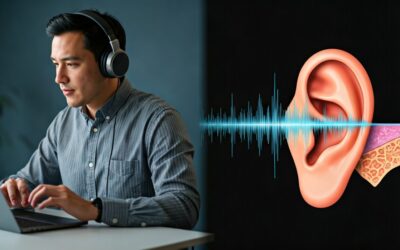

Falling asleep to the soothing sounds of a podcast or white noise is a nightly ritual for millions, but is it bad to sleep with headphones on? Generally, it is safe as long as you maintain a low volume and use comfortable, purpose-built gear; however, doing it incorrectly can lead to hearing loss, ear infections, or wax buildup. To ensure a restorative night, you must balance the benefits of noise isolation with the physiological risks of placing hardware in or over your ears for eight hours.
Key Takeaways: Is Sleeping with Headphones Bad?
If you are looking for a quick verdict, here is the essential data on the safety of sleeping with headphones:
- Safety Status: Generally safe if volume is kept below 60% and the fit is not too tight.
- Primary Risks: Otitis externa (inflammation), earwax impaction, and potential hearing damage over long periods.
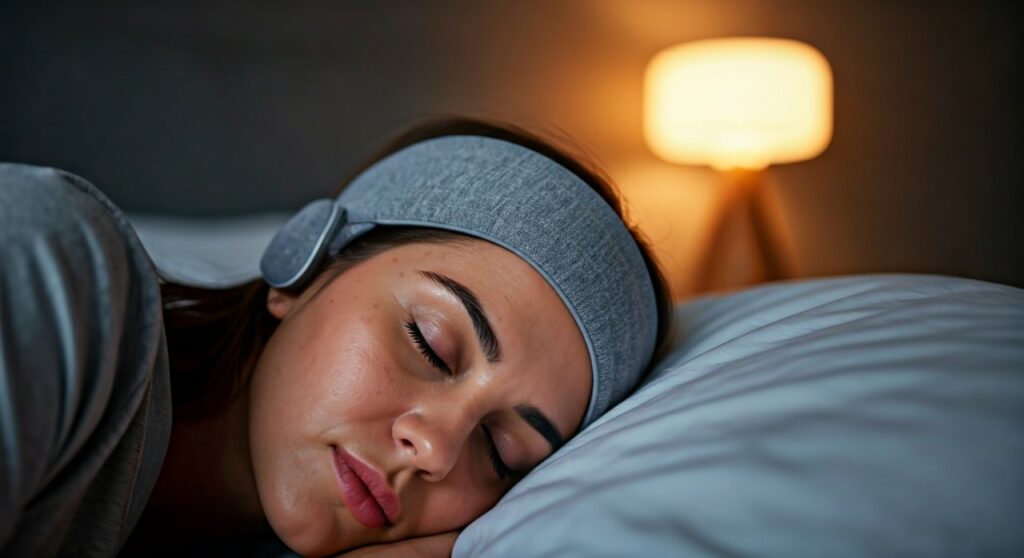
- Best Hardware: Sleep headbands are the safest and most comfortable option compared to bulky over-ear models or intrusive earbuds.
- Expert Rule: Follow the 60/60 rule—never listen at more than 60% volume for more than 60 minutes at a time.
- Crucial Danger: Avoid wired headphones if you toss and turn, as they pose a legitimate strangulation risk.
Understanding the Risks: Is It Bad to Sleep with Headphones On?
While many find it helpful for insomnia, there are several medical and physical reasons why is sleeping with headphones bad if done without caution.
Earwax Accumulation and Impaction
Your ears are designed to self-clean by pushing wax outward. When you wear earbuds for 8 hours, you block this natural exit. This can cause earwax impaction, where wax is pushed back into the ear canal, leading to muffled hearing or pain.
Otitis Externa (Swimmer’s Ear)
Is it bad to wear headphones to sleep in terms of skin health? Yes, potentially. Wearing earbuds traps moisture and sweat in the ear canal. This creates a breeding ground for bacteria, leading to Otitis Externa, an infection commonly known as swimmer’s ear that causes redness, swelling, and itching.
Permanent Hearing Loss (NIHL)
If you are wondering does sleeping with headphones damage your ears, the answer is entirely dependent on volume. Continuous exposure to sounds above 85 decibels (dB) can cause permanent Noise-Induced Hearing Loss (NIHL). Since your ears don’t “shut off” while you sleep, the delicate hair cells in your cochlea remain under stress all night.
Necrosis and Skin Irritation
Over-ear headphones or hard plastic earbuds can put constant pressure on the skin of the ear. Over time, this pressure can restrict blood flow, leading to pressure necrosis (tissue death) or painful sores.
Comparison of Sleep Headphone Types
Not all audio gear is created equal for sleep. Below is a comparison to help you decide can you sleep with headphones safely based on the form factor.
| Headphone Type | Comfort Level | Risk of Ear Pain | Safety Rating | Best For |
|---|---|---|---|---|
| In-Ear Earbuds | Low (Side sleepers) | High (Pressure) | Moderate | Noise cancellation |
| Over-Ear Models | Low (Bulky) | Moderate (Neck strain) | Low | High-fidelity sound |
| Bluetooth Sleep Bands | Highest | Minimal | Highest | All sleeping positions |
| Wired Earbuds | Moderate | High (Tangles) | Dangerous | Budget users |
Step-by-Step Guide: How to Sleep with Headphones Safely
If you’ve decided that the benefits of music outweigh the risks, you need to know how to sleep with headphones on without waking up with an earache or long-term damage.
Step 1: Choose the Right Audio Hardware
Avoid your standard daily drivers. Look for “Sleep Headphones” which are usually flat speakers embedded in a soft, breathable fabric headband. If you prefer earbuds, look for “low profile” models designed specifically for side sleepers that don’t protrude from the ear.
Step 2: Set Strict Volume Limits
The golden rule of is it safe to sleep with headphones is the volume. Most smartphones allow you to set a “Volume Limit” in the settings. Set this to roughly 50% to ensure that even if you accidentally hit the volume rocker in your sleep, you won’t blast your eardrums.
Step 3: Use a Sleep Timer
You don’t need audio playing all night. Most music and podcast apps (Spotify, Apple Podcasts) have a built-in sleep timer. Program the audio to stop after 30 to 45 minutes, allowing your ears a period of “rest” and air circulation for the remainder of the night.
Step 4: Sanitize Your Gear Frequently
Because is sleeping with headphones in bad for infections, you must clean your gear. Wipe down earbuds with alcohol wipes daily, or wash your sleep headband fabric weekly to prevent bacterial buildup from sweat.
Step 5: Transition to External Speakers (If Possible)
If you live alone or have a partner who doesn’t mind, a Bluetooth pillow speaker or a white noise machine is always safer than something physically attached to your head.
Debunking Myths: Is Sleeping with Bluetooth Headphones Bad?
A common question among health-conscious users is: is it bad to sleep with bluetooth headphones due to radiation?
Current scientific consensus from organizations like the CDC and WHO suggests that the Non-ionizing Radiation (EMF) emitted by Bluetooth devices is extremely low—significantly lower than a cell phone. There is no peer-reviewed evidence suggesting that is sleeping with bluetooth headphones bad for your brain. The physical risks (pressure, volume, hygiene) are far more concerning than the radio waves.
Expert Insights: When You Should Definitely Avoid Headphones
As a sleep hygiene specialist, I recommend avoiding headphones entirely if you experience any of the following:
- Tinnitus: If you have ringing in your ears, constant audio input can actually worsen the condition or prevent the brain from habituating to the sound.
- Ear Drainage: If your ears feel wet or have discharge, adding a “plug” via an earbud will trap bacteria and escalate the infection.
- Heavy Tossing and Turning: If you move frequently, even wireless headphones can become a physical hazard or cause neck misalignment.
Frequently Asked Questions (FAQs)
Is it okay to sleep with headphones on every night?
It is okay to sleep with headphones on nightly if you use a soft headband, keep the volume low, and maintain strict hygiene. However, it is recommended to take “breather nights” to allow your ear canals to stay dry and clear of wax.
Can you sleep with AirPods in?
Can you sleep with headphones in like AirPods? Yes, but it is not ideal for side sleepers. The hard plastic can cause sores, and there is a high risk of one falling out and becoming a choking hazard or getting lost in the bedding.
What happens if you sleep with headphones on at a high volume?
Sleeping with high volume leads to permanent hearing damage. Because your brain doesn’t process the “pain” of loud noise as effectively while asleep, you may not realize the damage is occurring until you wake up with muffled hearing.
Is it dangerous to sleep with headphones that have wires?
Yes, is it dangerous to sleep with headphones with cords is a serious concern. Wires can wrap around your neck or limbs during the night, posing a strangulation risk. Always opt for wireless Bluetooth options for sleep.
Does sleeping with headphones cause brain tumors?
No. There is currently no scientific data to support the claim that the low-level EMF from Bluetooth headphones causes brain tumors or any other form of cancer. The primary dangers remain physical and auditory.
**
**
**
**

![What Headphones Does TenZ Use? [2024/2025 Pro Setup]](https://bestcustomerreviews.net/wp-content/uploads/2026/03/what-headphones-does-tenz-use-2024-2025-pro-setup-1774879842-400x250.jpg "What Headphones Does TenZ Use? [2024/2025 Pro Setup]")