
Identifying What Are Good Wireless Headphones: A Comprehensive Guide
Finding the perfect pair of headphones can be overwhelming with thousands of options on the market. What are good wireless headphones? Generally, they are devices that provide a stable Bluetooth 5.0+ connection, support high-quality audio codecs like aptX or LDAC, offer at least 30 hours of battery life, and feature Active Noise Cancellation (ANC) that effectively minimizes ambient sound.
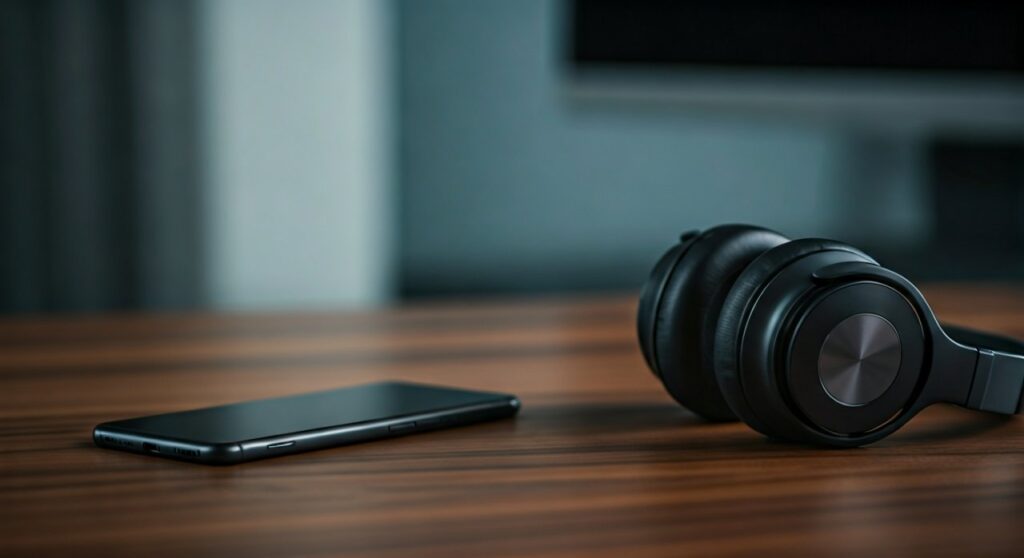
To choose the right pair, you must balance sound signature, long-term comfort, and the specific ecosystem of your devices. Whether you are a frequent traveler, a fitness enthusiast, or a remote worker, the “best” choice depends on your daily environment and acoustic preferences.
Key Takeaways for Quick Selection
If you are in a hurry, here is a summary of the essential features that define high-quality wireless audio in today’s market:
| Feature | What to Look For (Expert Recommendation) | Why It Matters |
|---|---|---|
| Bluetooth Version | Bluetooth 5.2, 5.3, or 5.4 | Ensures better range, stability, and lower power consumption. |
| Audio Codecs | AAC, aptX Adaptive, LDAC | Higher bitrates mean better sound quality and lower latency. |
| Battery Life | 30+ Hours (Over-ear) / 6+ Hours (Buds) | Reduces the frequency of charging and extends device longevity. |
| Noise Control | Hybrid Active Noise Cancellation (ANC) | Essential for blocking engine drones and office chatter. |
| Microphone | Multi-mic beamforming arrays | Vital for clear voice calls and virtual meetings. |
| Multipoint | Supported | Allows you to connect to two devices (phone and laptop) simultaneously. |
Step 1: Define Your Primary Use Case
Before looking at technical specs, you must identify where you will use your headphones most often. This determines the form factor and the durability ratings you need.
For Commuters and Travelers
If you spend hours on planes or trains, look for Over-ear headphones with industry-leading ANC. Brands like Sony and Bose dominate this space because their algorithms are tuned to neutralize low-frequency hums.
For Athletes and Gym-Goers
If you are active, what are good bluetooth headphones for you? You need an IPX4 rating or higher for sweat resistance. Look for In-ear monitors (IEMs) or “earbuds” with wing tips to ensure they stay secure during high-impact movements.
For Office Workers and Gamers
Comfort is king here. You need lightweight materials and breathable ear pads (like mesh fabric or high-grade protein leather). Multipoint connectivity is a non-negotiable feature so you can switch from a Spotify playlist on your phone to a Zoom call on your laptop instantly.
Step 2: Evaluating Sound Quality and Audio Codecs
The “wireless” part of headphones relies on compressing audio data to send it through the air. Not all compression is equal. To understand what are good wireless headphones, you must look at the codecs they support.
- SBC (Subband Coding): The universal standard. Every Bluetooth device has it, but it offers the lowest audio quality.
- AAC (Advanced Audio Coding): The standard for Apple iOS devices. It is very efficient and sounds excellent on iPhones.
- aptX / aptX HD / aptX Adaptive: Developed by Qualcomm, these are ideal for Android users. They offer “CD-like” quality and low latency for video.
- LDAC: Created by Sony, this allows for near-lossless high-resolution audio (up to 990kbps). If you use Tidal or Qobuz, this is a must-have.
Expert Insight: Don’t just look at the driver size (e.g., 40mm drivers). The material of the driver (like Beryllium or Silk-dome) and the digital signal processing (DSP) often matter more for the final sound signature.
Step 3: Assessing Active Noise Cancellation (ANC) Effectiveness
Modern good wireless headphones don’t just muffle sound physically; they use microphones to “listen” to the outside world and create an inverted sound wave to cancel it out.
When testing ANC, look for these three levels:
- Passive Isolation: How well the ear cups naturally block sound.
- Feed-forward ANC: Mics on the outside of the cup.
- Feedback ANC: Mics inside the cup to check what you are actually hearing.
The best models, such as the Sony WH-1000XM5 or Apple AirPods Max, use an Integrated Processor to adjust the cancellation levels in real-time based on your head shape and even your atmospheric pressure.
Step 4: Prioritizing Comfort and Build Quality
A pair of headphones can sound like a live concert, but if they hurt your ears after 30 minutes, they aren’t “good.”
- Clamping Force: It should be firm enough to stay on your head but light enough to avoid headaches.
- Weight: Ideally, look for over-ear headphones under 250-300 grams.
- Earpad Depth: Your ears should not touch the hard plastic of the driver housing.
- Hinge Durability: Avoid all-plastic hinges. Look for zinc alloy or aluminum reinforcements in the folding mechanisms.
Step 5: Understanding Battery Life and Charging Cycles
Battery anxiety is a real concern with wireless tech. What are good wireless headphones in terms of longevity?
- Standard Expectation: You should expect at least 30 hours with ANC turned on for over-ear models.
- Quick Charge: A premium feature is “10 minutes for 5 hours.” This is a lifesaver when you realize your battery is dead right before a flight.
- Battery Degradation: Lithium-ion batteries eventually die. Look for brands that offer repair services or have a history of hardware lasting 5+ years.
Comparing the Industry Leaders
| Model | Best For | Standout Feature | Connectivity |
|---|---|---|---|
| Sony WH-1000XM5 | All-rounders | Best overall ANC and LDAC support | Bluetooth 5.2 |
| Bose QuietComfort Ultra | Frequent Travelers | Most comfortable “all-day” fit | Bluetooth 5.3 |
| Sennheiser Momentum 4 | Audiophiles | Incredible 60-hour battery life | Bluetooth 5.2 |
| Apple AirPods Max | iOS Power Users | Seamless ecosystem switching | H1 Chip (x2) |
| Soundcore Space Q45 | Budget Conscious | High-end features at 1/3 the price | Bluetooth 5.3 |
Technical Specifications: Deep Dive into Bluetooth 5.4
The latest iteration of Bluetooth technology, version 5.4, introduces Auracast™ broadcast audio. This allows one transmitter (like a TV in a gym) to broadcast to an unlimited number of nearby Bluetooth receivers.
When searching for what are good bluetooth headphones, choosing a model with the latest Bluetooth version ensures your device is “future-proof.” It improves LE Audio (Low Energy Audio), which provides better sound quality at lower bitrates, significantly extending your battery life compared to older Bluetooth 4.2 models.
How to Maintain Your Wireless Headphones
To ensure your investment lasts, follow these professional maintenance tips:
- Wipe the pads: Use a slightly damp microfiber cloth after every use to remove skin oils that degrade synthetic leather.
- Avoid Extreme Heat: Never leave your headphones in a car; high temperatures kill battery capacity rapidly.
- Firmware Updates: Always use the manufacturer’s app (like Sony Headphones Connect or Bose Music) to update the software. These updates often improve ANC algorithms and fix connection bugs.
Summary of the Selection Process
Finding what are good wireless headphones involves a logical progression:
- Select the Form Factor: Over-ear (comfort/ANC) vs. In-ear (portability/sports).
- Verify Device Compatibility: Ensure the codecs (AAC for Apple, aptX/LDAC for Android) match your phone.
- Check the “Quality of Life” Features: Do they have wear detection (auto-pause)? Do they have physical buttons or touch controls?
- Read Real-World Reviews: Look for mentions of “hinge creaking” or “connection drops” in long-term ownership reviews.
Frequently Asked Questions (FAQs)
Are expensive wireless headphones actually better?
Yes, but only to a point. Between $50 and $200, you see massive jumps in ANC quality and driver materials. Above $400, you are often paying for luxury materials (leather, aluminum) and brand prestige rather than significantly better sound.
Can I use wireless headphones for professional gaming?
For casual gaming, yes. However, for competitive gaming, even good bluetooth headphones can have slight latency (lag). Look for headphones that include a 2.4GHz USB Dongle or a “Low Latency Mode” to ensure the audio matches the action on screen.
How long do good wireless headphones typically last?
A high-quality pair should last 3 to 5 years. The hardware usually stays functional, but the internal battery will slowly lose capacity over hundreds of charge cycles. Choosing brands with replaceable ear pads can extend this lifespan.
Is Bluetooth sound as good as wired sound?
For most users, the difference is now negligible thanks to LDAC and aptX Adaptive. However, true audiophiles using high-end DACs (Digital-to-Analog Converters) will still find that wired connections offer more “air” and detail in the high frequencies.
Why does my ANC make me feel “pressure” in my ears?
This is known as the “eardrum suck” effect. Some ANC systems are so aggressive that your brain interprets the lack of low-frequency sound as a change in pressure. Premium headphones now include sensors to bleed off this pressure for a more natural feel.
![What Headphones Does TenZ Use? [2024/2025 Pro Setup]](https://bestcustomerreviews.net/wp-content/uploads/2026/03/what-headphones-does-tenz-use-2024-2025-pro-setup-1774879842-400x250.jpg "What Headphones Does TenZ Use? [2024/2025 Pro Setup]")