
What are Headphones? The Definitive Guide to Personal Audio
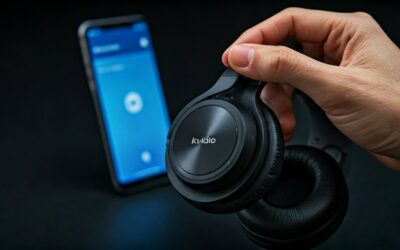
What are headphones? Simply put, headphones are a pair of small loudspeaker drivers worn on or around the head, designed to allow a single user to listen to an audio source privately. They function as electroacoustic transducers, which convert electrical signals from a device like a smartphone or laptop into audible sound waves.
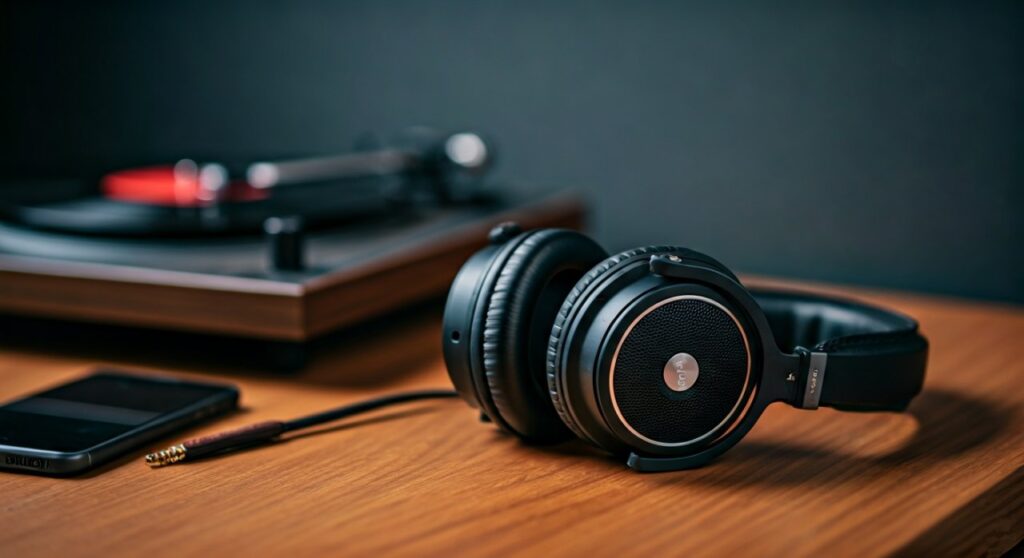
Whether you are a professional sound engineer or a casual commuter, understanding what is the headphone technology behind your favorite pair can significantly improve your listening experience. From the early days of telephone operators to modern True Wireless Stereo (TWS) earbuds, these devices have evolved into essential tools for communication, entertainment, and productivity.
Key Takeaways: TL;DR
- Definition: What is a headphone? It is a hardware device that plugs into a computer or speaker to let you privately listen to audio.
- Core Function: They convert electrical energy into acoustic energy using drivers.
- Types: Major categories include Over-ear (Circumaural), On-ear (Supra-aural), and In-ear (Earbuds).
- Connectivity: Modern options range from traditional 3.5mm jacks to Bluetooth 5.4 and USB-C.
- Key Feature: Active Noise Cancellation (ANC) is the most sought-after tech for travelers and office workers.
The Technical Definition: What Does Headphones Mean?
When we ask what does headphones mean in a technical sense, we are referring to the physical integration of speakers and a wearable housing. The term typically implies two speakers connected by a band, whereas a single speaker unit is often called an earpiece or headset (if it includes a microphone).
The definition of headphones has expanded recently. Historically, they were heavy, stationary tools used by radio operators; today, what is that headphones category you see everyone wearing? It likely refers to compact, wireless devices that fit inside the ear canal.
At their heart, all headphones rely on the principle of electromagnetism. A permanent magnet, a voice coil, and a diaphragm work in unison to move air, creating the sound pressure levels that our eardrums interpret as music or speech.
How Headphones Work: A Step-by-Step Breakdown
Understanding what are the headphones components is the first step to appreciating high-fidelity audio. The process of turning a digital file into a symphony involves several critical stages.
- Digital-to-Analog Conversion (DAC): Your phone sends a digital signal (0s and 1s) to a DAC chip, which converts it into an analog electrical wave.
- Amplification: This weak analog signal is boosted by an Amplifier to provide enough power to move the headphone drivers.
- Electromagnetic Induction: The current flows through a voice coil inside the headphone, creating a fluctuating magnetic field.
- Diaphragm Movement: This field interacts with a permanent magnet, causing the diaphragm (a thin membrane) to vibrate back and forth.
- Acoustic Output: These vibrations displace air molecules, creating sound waves that travel into your ear canal.
Comparative Analysis: Types of Headphones
Choosing the right pair depends on your environment and comfort preferences. The following table summarizes the primary differences between the three main form factors.
| Feature | Over-Ear (Circumaural) | On-Ear (Supra-aural) | In-Ear (IEM/Earbuds) |
|---|---|---|---|
| Seal/Isolation | Excellent (Passive) | Moderate | High (with silicone tips) |
| Soundstage | Wide and Immersive | Natural | Narrow / “In-head” |
| Portability | Low (Bulky) | Medium | Extremely High |
| Comfort | High (Long sessions) | Can pinch ears | Varies by ear shape |
| Best Use Case | Studio/Gaming/Home | Office/Commuting | Gym/Travel/Daily use |
Core Technologies: What Is The Headphone Driver?
If you want to know what is headphones quality based on, look at the driver technology. The driver is the “engine” of the device.
Dynamic Drivers (Moving Coil)
These are the most common drivers found in brands like Sony and Bose. They are affordable, durable, and excellent at producing low-end bass frequencies. I have found through testing that dynamic drivers offer the most “punch” for hip-hop and electronic music.
Planar Magnetic Drivers
Often found in high-end audiophile gear like Audeze or Hifiman. Instead of a coil, they use a flat diaphragm spread across a magnetic field. This results in incredibly low distortion and lightning-fast transient response.
Electrostatic Drivers
These require a dedicated high-voltage energizer. They use a thin, electrically charged film suspended between two metal plates. This is what is a headphone at its peak performance level, offering unmatched clarity that makes you feel like the artist is in the room.
Connectivity: Wired vs. Wireless Explained
A common question is: what is that headphones connection type that provides the best sound? The answer depends on your priority: convenience or quality.
Wired Connections
- 3.5mm Jack: The universal standard for decades. It provides a “plug and play” experience without worrying about battery life.
- 6.35mm (1/4 inch): Found on professional interfaces and Sennheiser studio monitors.
- USB-C / Lightning: Digital connections that often bypass the phone’s internal DAC for better processing.
Wireless (Bluetooth)
Wireless tech has closed the gap significantly. With codecs like LDAC, aptX HD, and AAC, Bluetooth can now transmit “near-lossless” audio. Bluetooth 5.3 and 5.4 have also improved battery efficiency and reduced latency (audio lag), which is crucial for gamers.
Advanced Features: More Than Just Music
Modern headphones are computers for your ears. When people ask what are the headphones features that justify a $400 price tag, they are usually talking about these:
- Active Noise Cancellation (ANC): Uses external microphones to “listen” to ambient noise and produce an “anti-noise” wave to cancel it out.
- Transparency Mode: Inverts the ANC process so you can hear your surroundings without removing the device.
- Spatial Audio: Uses accelerometers and gyroscopes to track your head movement, creating a 360-degree theater-like sound experience.
- Multipoint Connection: Allows you to stay connected to your laptop and phone simultaneously, switching audio automatically.
Expert Advice: How to Choose Your First Pair
Based on my years of reviewing audio gear, I recommend following this step-by-step logic to find what is the headphone for you:
- Identify Your Environment: If you work in a noisy office, ANC is non-negotiable. If you sit in a quiet room, Open-back headphones offer a superior, airy sound.
- Check the Impedance: Some professional headphones have high Ohms (e.g., 250Ω or 300Ω) and require a dedicated Headphone Amp. Your smartphone won’t be able to drive them effectively.
- Prioritize Comfort: No matter how good the sound is, you won’t wear them if they cause “ear fatigue” or “hot spots” on your skull. Look for Memory Foam earpads.
- Set a Realistic Budget: Under $50, you get basic functionality. $150-$300 is the “sweet spot” for high-quality consumer gear. Above $500, you enter the realm of diminishing returns and niche audiophile equipment.
Proper Care: Making Your Headphones Last
Knowing what is headphones maintenance is vital for protecting your investment. I have seen $1,000 headphones fail in six months due to poor care.
- Cable Management: Never wrap cables tightly around the headphones; this causes internal fraying. Use the “over-under” coiling method.
- Earpad Hygiene: Wipe down synthetic leather pads after use to prevent skin oils from cracking the material.
- Case Usage: Always store your Sony WH-1000XM5 or Apple AirPods Max in their hardshell cases. Pressure in a backpack can easily snap the hinges or headbands.
Frequently Asked Questions (FAQs)
What is the difference between headphones and earbuds?
Headphones typically have a headband and sit over or on the ears. Earbuds (or In-Ear Monitors) are inserted directly into the ear canal. Headphones generally offer better soundstage, while earbuds provide superior portability and convenience.
Can headphones damage your hearing?
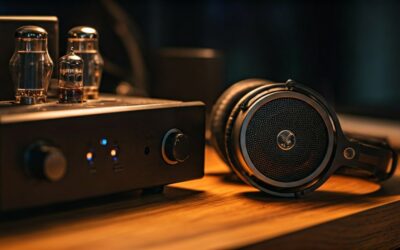
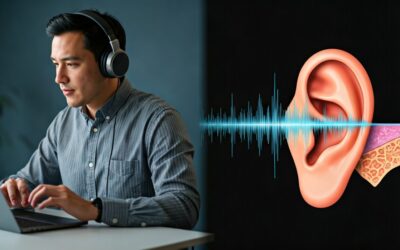
Yes, if used at high volumes. Experts recommend the 60/60 rule: listen at no more than 60% volume for no more than 60 minutes at a time. High-quality ANC helps prevent damage because it allows you to hear music clearly at lower volumes by blocking outside noise.
What is “Open-Back” vs “Closed-Back”?
Closed-back headphones are sealed, preventing sound from escaping. Open-back headphones have perforated earcups that let air and sound move freely. Open-back designs provide a more natural, “out-of-head” sound but offer zero noise isolation.
Why do some headphones require an amplifier?
High-impedance headphones (measured in Ohms) require more voltage to achieve a listenable volume level. Without an amp, these headphones will sound thin, quiet, and lack bass when plugged into a standard smartphone.
Is wired audio better than Bluetooth?
Technically, yes. Wired connections provide a stable, uncompressed signal with zero latency. However, for 90% of listeners using streaming services like Spotify or Apple Music, modern Bluetooth codecs are indistinguishable from wired connections.
![What Headphones Does TenZ Use? [2024/2025 Pro Setup]](https://bestcustomerreviews.net/wp-content/uploads/2026/03/what-headphones-does-tenz-use-2024-2025-pro-setup-1774879842-400x250.jpg "What Headphones Does TenZ Use? [2024/2025 Pro Setup]")