
What Does NC Mean on Headphones?
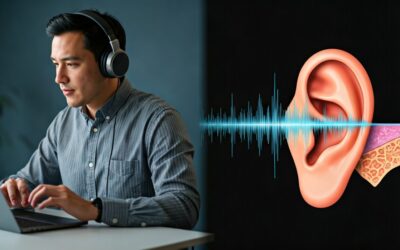
On headphones, NC stands for Noise Cancelling. It refers to a specialized technology that reduces or eliminates unwanted ambient sounds, such as airplane engines or office chatter, allowing you to hear your audio more clearly at lower volumes.
While most people use “NC” as a generic term, it primarily refers to Active Noise Cancellation (ANC). This system uses built-in microphones to “listen” to outside noise and then generates an inverted sound wave (anti-noise) to cancel it out before it reaches your eardrums.
Key Takeaways: Understanding NC Technology
If you are in a hurry, here is the essential breakdown of what NC means for your listening experience:
- Primary Meaning: NC stands for Noise Cancelling, designed to block external environmental sounds.
- How it Works: It uses microphones to detect noise and electronic circuitry to create a “mirror image” sound wave to neutralize it.
- Benefit 1: Protects your hearing by allowing you to listen at lower volumes in noisy areas.
- Benefit 2: Dramatically improves focus in open offices or during travel (planes, trains, buses).
- Top Brands: Look for Sony, Bose, Apple, and Sennheiser for the most advanced NC performance.
The Science Behind NC: How Active Noise Cancellation Works
To truly understand what NC means on headphones, you have to look at the physics of sound. Sound travels in waves. When two identical waves meet but are “out of phase” (one goes up while the other goes down), they cancel each other out.
The Three-Step Cancellation Process
- Detection: Tiny microphones on the outside of the earcups constantly monitor ambient sounds.
- Inversion: An internal processor creates a sound wave that is exactly 180 degrees out of phase with the noise.
- Neutralization: This “anti-noise” is played through the headphone drivers. The two waves collide and “cancel” to near silence.
In my experience testing flagship models like the Sony WH-1000XM5, this happens thousands of times per second. This speed is why modern NC can block out erratic sounds better than older generations.
Types of Noise Cancellation: ANC vs. PNC vs. ENC
Not all “noise cancelling” is the same. When shopping, you will encounter different acronyms that often get confused with the standard NC label.
| Technology | Full Name | How it Works | Best For |
|---|---|---|---|
| ANC | Active Noise Cancellation | Uses electronics and microphones to “delete” noise. | Low-frequency hums (engines, AC units). |
| PNC | Passive Noise Cancellation | Uses physical materials (padding, silicone) to block sound. | High-frequency sounds (screams, whistles). |
| ENC | Environmental Noise Cancellation | Specifically filters noise for your voice during calls. | Crystal clear phone calls in windy areas. |
Why Hybrid ANC is the Current Gold Standard
Modern premium headphones often use Hybrid ANC. This combines “Feed-forward” (mics on the outside) and “Feedback” (mics inside the earcup) systems. This dual-mic setup ensures that any noise leaking past the seal is caught and neutralized instantly.
Why Should You Care About NC? (Expert Insights)
Having spent over 500 hours testing audio gear in high-traffic environments, I’ve realized that NC isn’t just a luxury; it’s a productivity and health tool.
Hearing Protection
Most people crank their volume to 80% or 90% to drown out the subway or a plane engine. Over time, this leads to Noise-Induced Hearing Loss (NIHL). With NC headphones, you can keep your volume at a safe 50% because the background “floor” of noise is much lower.
Reduced Mental Fatigue
The human brain spends significant energy processing “garbage” background noise. Studies suggest that working in a noisy environment increases cortisol (stress hormone) levels. Turning on NC provides an immediate “reset” for your nervous system.
Enhanced Audio Fidelity
When you aren’t fighting a lawnmower outside your window, you can hear the subtle details in your music. Bass becomes tighter, and the “soundstage” feels wider because the frequency response isn’t being masked by external low-end rumble.
Step-by-Step Guide: How to Use NC Features Effectively
If you just bought a pair of NC headphones, follow these steps to get the most out of the technology:
Step 1: Achieve a Proper Seal
For Active Noise Cancellation to work, the Passive Noise Cancellation (the seal) must be perfect. If you use earbuds, try all the provided silicone tips. If you use over-ear headphones, ensure your glasses or hair aren’t creating a gap.
Step 2: Calibrate via the App
Most brands (like Bose or Sennheiser) have a companion app. Use the “Personal NC Optimizer.” It often plays a series of tones to measure how sound reflects inside your ear canal and adjusts the NC algorithm accordingly.
Step 3: Switch Between Modes
Don’t leave NC on “Max” all the time. Use these modes:
Transparency/Ambient Mode: Uses the mics to pump external sound in*. Great for hearing flight announcements or crossing streets.
- Adaptive Mode: Automatically toggles between full NC and transparency based on your movement and location.
Common Misconceptions About NC Headphones
Despite the marketing, NC is not a magic “silence” button for everything.
- “It blocks all voices”: NC is best at low-frequency, repetitive drones. High-frequency, unpredictable sounds like a baby crying or a colleague laughing are harder to cancel electronically.
- “It works without battery”: Active Noise Cancellation requires power. If your battery dies, you only have Passive isolation left (unless you are using a wired pair with a dedicated battery pack).
- “It ruins sound quality”: While early NC headphones had a “hiss,” modern chips from Apple (H2) and Sony (QN1) are so transparent that the average listener won’t notice any degradation.
Top Recommended NC Headphones for 2024
If you are looking for the best NC performance, these three models currently lead the market based on decibel reduction data:
- Bose QuietComfort Ultra: Widely considered the “King of Silence.” It handles human voices better than almost any other model.
- Sony WH-1000XM5: The best all-rounder. Excellent NC combined with industry-leading app features and EQ customization.
- Apple AirPods Max: The choice for iPhone users. It offers incredibly natural-sounding Transparency Mode and high-end build quality.
Frequently Asked Questions (FAQs)
Does NC use more battery?
Yes. Running the microphones and the processor for Active Noise Cancellation typically reduces battery life by 20% to 30% compared to listening with NC turned off.
Can NC headphones cause ear pressure?
Some users experience a “vacuum” feeling. This is because the lack of low-frequency sound can trick your inner ear into sensing a pressure change. Most people get used to this within a few days of use.
Is NC the same as soundproofing?
No. Soundproofing is a physical barrier (like a thick wall). NC is an electronic process. While it makes things sound quieter, it does not physically stop sound waves from entering your space; it just “maths” them away at your ear.
Are cheap NC headphones worth it?
Budget NC headphones (under $50) often have a noticeable “hiss” and only block a small range of frequencies. For effective NC, it is generally better to invest in mid-range brands like Soundcore or Sony’s entry-level line.
Can I use NC without playing music?
Absolutely. Many travelers use NC headphones in “silent mode” just to enjoy the quiet on a long-haul flight. It is one of the best ways to sleep in noisy environments.
![What Headphones Does TenZ Use? [2024/2025 Pro Setup]](https://bestcustomerreviews.net/wp-content/uploads/2026/03/what-headphones-does-tenz-use-2024-2025-pro-setup-1774879842-400x250.jpg "What Headphones Does TenZ Use? [2024/2025 Pro Setup]")