
Why Do Autistic People Wear Headphones? Managing Sensory Overload
Why do autistic people wear headphones? Autistic individuals primarily wear headphones to manage sensory overstimulation, filter out overwhelming background noise, and reduce anxiety in unpredictable environments. By using Active Noise-Canceling (ANC) technology or passive sound-muffling, they can create a “sensory buffer” that makes public spaces more accessible and less exhausting.
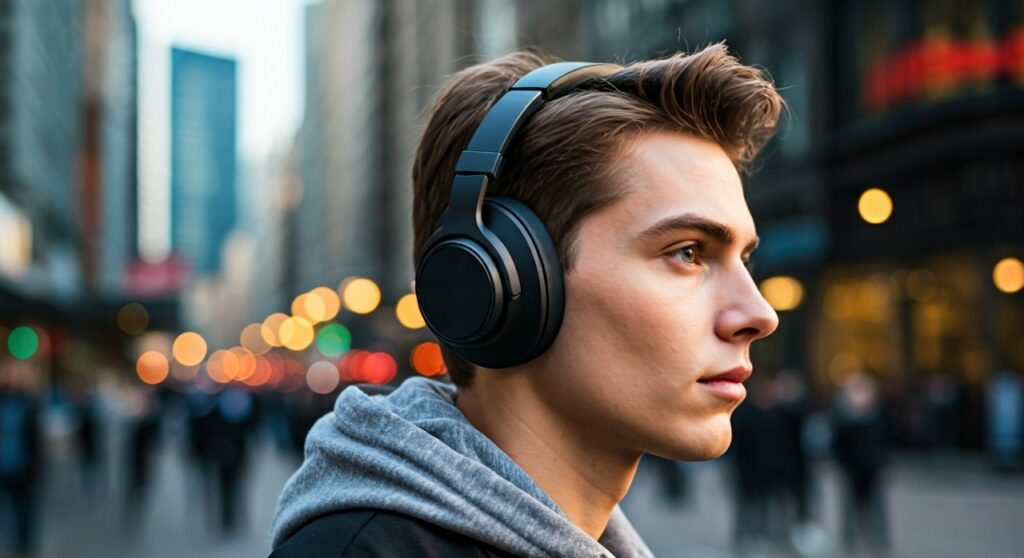
For many in the neurodivergent community, the world is often “too loud.” A buzzing refrigerator, a distant lawnmower, or the hum of a crowded cafe can feel physically painful or mentally draining.
Wearing headphones isn’t just about listening to music; it is a vital accessibility tool that prevents sensory meltdowns and promotes emotional regulation.
Key Takeaways: Understanding Sensory Support
- Sensory Regulation: Headphones help mitigate Hyperacusis (extreme sensitivity to sound).
- Anxiety Reduction: Blocking unpredictable noises provides a sense of safety and environmental control.
- Improved Focus: Many autistic students and professionals use headphones to eliminate distractions.
- Diverse Options: Choices range from high-end Bose QuietComfort models to discreet Loop earplugs.
- Social Signal: Sometimes, wearing headphones acts as a non-verbal cue that the person is currently at their sensory limit.
The Biological Reality: Why Do People With Autism Wear Headphones?
To understand why do autistic people wear headphones, we must look at how the autistic brain processes environmental stimuli. Unlike neurotypical brains, which can “tune out” background noise (like a ticking clock), many autistic brains lack this automatic filtering mechanism.
The Role of Sensory Processing Disorder (SPD)
Most autistic individuals experience some form of Sensory Processing Disorder (SPD). This means the brain receives information from the senses but has difficulty organizing and responding to it.
When auditory input is too intense, it can trigger a “fight or flight” response. This lead to a state of sensory overload, where the person feels completely overwhelmed by their surroundings.
Understanding Hyperacusis and Misophonia
Many people within the spectrum suffer from Hyperacusis, where everyday sounds are perceived as much louder than they actually are. Others may experience Misophonia, an intense emotional reaction to specific repetitive sounds like chewing or tapping.
In both cases, why do autistic people have headphones? They use them as a shield. It is the difference between feeling like you are standing in a quiet room versus standing in the middle of a construction site.
Why Do Autistic Kids Wear Headphones in Public?
If you have ever seen a child at a grocery store or a theme park with bulky ear protection, you might wonder, why do autistic kids wear headphones? For children, the world is even more unpredictable than it is for adults.
Preventing Meltdowns in “High-Trigger” Zones
Public spaces are filled with “sensory triggers” that children cannot yet self-regulate. Common triggers include:
- The high-pitched screech of hand dryers in public restrooms.
- Unexpected announcements over PA systems in supermarkets.
- The overlapping chatter of large crowds at school assemblies.
Facilitating Inclusion
By providing a pair of noise-canceling headphones, parents and educators allow the child to participate in social activities that would otherwise be impossible. It allows the child to be present without the constant fear of a sudden, painful sound.
What Are the Headphones Autistic People Wear?
Not all headphones serve the same purpose. Depending on the level of sensory sensitivity, individuals choose different types of gear to suit their needs.
| Type of Gear | How it Works | Best For |
|---|---|---|
| Active Noise-Canceling (ANC) | Uses microphones to cancel out low-frequency hums. | Airplanes, offices, and busy streets. |
| Passive Noise Isolation | Uses thick padding to physically block sound. | High-intensity environments like concerts or fireworks. |
| Noise-Filtering Earplugs | Reduces decibels while keeping speech clear. | Social gatherings and classrooms. |
| Bone Conduction | Delivers sound through cheekbones, leaving ears open. | People who need to stay aware of their surroundings. |
Popular Brands and Models
When looking at what are the headphones autistic people wear, a few specific brands consistently rank high for comfort and effectiveness:
- Bose QuietComfort Series: Renowned for the best ANC technology on the market.
- Sony WH-1000XM5: Offers highly customizable sound profiles and industry-leading noise reduction.
- Loop Earplugs: A discreet, non-electronic option favored by those who want to dampen noise without looking like they are wearing “gear.”
- 3M Peltor Earmuffs: Common for children or those with extreme sensitivities who need maximum decibel reduction.
What Do Autistic People Listen to in Their Headphones?
A common misconception is that if someone is wearing headphones, they must be listening to loud music. However, when asking what do autistic people listen to in their headphones, the answer is often quite different.
Silence (The “Buffer” Effect)
Many users don’t play any audio at all. They simply use the Noise-Canceling feature to achieve a state of “digital silence,” which allows their nervous system to rest.
Brown, White, or Pink Noise
Static noises can be incredibly grounding.
- Brown Noise: Deep, bass-heavy sounds (like a distant thunder or a low roar) that help with relaxation.
- White Noise: Consistent frequencies that mask sharp, sudden sounds.
- Pink Noise: A more balanced sound (like steady rain) that improves focus.
Stimming Through Sound
Some individuals use music as a form of “auditory stimming.” This might involve listening to the same song on a loop for hours. The predictability of the rhythm provides comfort and helps regulate the heart rate during stressful times.
Step-by-Step Guide: How to Choose the Right Headphones for Sensory Support
If you are a caregiver or an autistic individual looking for the best auditory protection, follow these steps to find the perfect fit.
Step 1: Identify the Primary Environment
Determine where the headphones will be used most.
- If it is a classroom, look for noise-filtering earplugs that allow the wearer to still hear the teacher’s voice.
- If it is for travel, prioritize Active Noise-Canceling (ANC) to block engine drones.
Step 2: Evaluate Physical Comfort
Sensory sensitivities aren’t limited to sound; touch is also a major factor.
- Over-ear models are usually most effective but can feel heavy or hot.
- In-ear models are discreet but may be irritating to those with sensitive ear canals.
- Check the “clamping force”—if the headphones squeeze the head too tightly, they may cause a different kind of sensory distress.
Step 3: Test the “Hiss” Factor
Some cheap ANC headphones produce a faint high-pitched “hiss” when the noise-canceling is turned on. To a neurotypical person, this is barely audible. To an autistic person, it can be as annoying as the noise they are trying to block. Always test high-quality brands like Sony or Sennheiser.
Step 4: Battery Life and Durability
For many, headphones are a “lifeline.” Ensure the device has a battery life of at least 20+ hours and can withstand being dropped or tossed into a backpack.
Why Do Some Autistic People Wear Headphones Even When It’s Quiet?
It may seem confusing to see someone wearing headphones in a seemingly quiet library or at home. So, why do some autistic people wear headphones in these settings?
Anticipatory Anxiety: The fear that a loud noise might* happen (a dog barking, a siren outside) is enough to keep the nervous system on edge.
- Internal Echoes: Sometimes, even the sound of one’s own breathing or the hum of the walls can feel intrusive.
- Focus and Flow: Headphones create a “closed circuit” for the brain, making it easier to enter a state of deep focus on a Special Interest or task.
Expert Perspective: The Social Impact of Headphones
As a specialist in neurodivergent accessibility, I have seen firsthand how headphones transform lives. I once worked with an autistic college student who was failing because the sound of pens clicking in the lecture hall was unbearable.
After implementing high-quality noise-canceling headphones, their grades improved significantly. The student wasn’t “tuning out” the education; they were finally able to “tune in” because the background “noise” was silenced.
Is it Rude to Wear Headphones During Conversation?
This is a frequent question. Many autistic people use transparency mode (a feature on Apple AirPods Pro and Sony headphones) which allows voices to pass through while still dampening harsh background frequencies.
It is important for society to view headphones as a medical necessity—similar to how one views glasses—rather than a sign of being “antisocial.”
Common Questions About Autism and Headphones (FAQs)
Do people with autism wear headphones all the time?
Not everyone, but many do. Some use them only in high-stress environments like airports, while others may wear them for a large portion of the day to maintain a baseline of calm.
Why do autistic people like noise-canceling headphones specifically?
Unlike standard earmuffs, noise-canceling headphones use “anti-noise” technology to actively erase low-frequency sounds. This provides a much deeper level of quiet and allows the user to listen to calming audio at lower, safer volumes.
Are there specific “autism headphones” for adults?
There is no specific brand labeled “for autism,” but most adults prefer professional-grade models like the Sony WH-1000XM series or Bose 700s because they look like standard consumer electronics while providing elite sensory protection.
Can wearing headphones too much be harmful?
The main concern is “rebound sensitivity,” where the brain becomes even more sensitive to sound if it is constantly in total silence. Experts recommend finding a balance—using headphones for high-trigger moments while practicing “sensory pacing” in controlled environments.
What should I do if my child refuses to wear headphones?
If a child has tactile defensiveness, they may hate the feeling of something on their ears. Try different form factors, such as “cozy headphones” (a soft headband with flat speakers) or very small, soft silicone earplugs.
**
**
**
**