
Understanding the Link: Can Headphones Cause Hair Loss?
If you spend several hours a day with a headset clamped to your ears, you might have noticed a few extra strands of hair stuck to the ear cushions. It is a common anxiety for gamers, office workers, and music lovers: can headphones cause hair loss? The short answer is yes, but it is rarely permanent. While headphones don’t cause male pattern baldness, they can trigger a condition called traction alopecia or cause thinning through constant friction and poor scalp hygiene.
This guide explores the mechanical ways your audio gear interacts with your scalp, the biological reality of hair follicles, and the actionable steps you can take to protect your hairline without sacrificing your sound quality.
Key Takeaways: TL;DR
- Mechanical Tension: Can wearing headphones cause hair loss? Yes, through traction alopecia, which occurs when constant pulling or pressure damages the follicle.
- Friction and Breakage: Overhead headphones can cause “trichorrhexis nodosa” or physical snapping of the hair shaft due to rubbing.
- The “Headphone Dent”: This is usually a temporary indentation of the skin and fat layer, not a permanent change to the skull or hair growth.
- Prevention is Easy: Adjusting your fit, choosing lightweight materials, and taking regular “breather” breaks can eliminate almost all risks.
- Hygiene Matters: Sweat trapped under a headband can lead to fungal issues, indirectly weakening hair roots.
The Science: How Do Headphones Cause Hair Loss?
To understand if does wearing headphones cause hair loss, we have to look at the three primary mechanisms of damage: Tension, Friction, and Hygiene.
Traction Alopecia
This is the most significant concern. Traction alopecia happens when hair is pulled consistently in the same direction. When a heavy pair of headphones sits on the crown of your head, it can snag individual hairs or pull the scalp taut. Over months of 8-hour sessions, this constant tension can inflame the follicle, eventually causing it to stop producing hair.
Friction and Static
Every time you adjust your headset, the headband rubs against the outer layer of your hair (the cuticle). Can wearing headphones cause baldness through friction? Usually, it leads to thinning rather than true baldness. The friction weakens the hair shaft, leading to breakage near the root, which gives the appearance of a receding hairline or a “patchy” crown.
Scalp Micro-Climates
Wearing large, leather-padded headphones creates a warm, humid environment. This “micro-climate” is a breeding ground for Malassezia, a yeast-like fungus. If your scalp becomes inflamed or develops seborrheic dermatitis due to trapped sweat, the hair follicles can become malnourished, leading to increased shedding.
Comparing Headphone Types and Hair Health Risk
Different designs pose different levels of risk to your scalp health. Use the table below to evaluate your current gear.
| Headphone Type | Primary Risk Factor | Risk Level | Best For… |
|---|---|---|---|
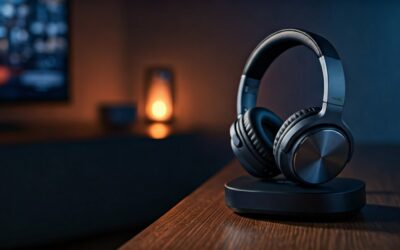
| Heavy Over-Ear | Traction Alopecia & Pressure | High | Studio Recording |
| On-Ear (Lightweight) | Friction & Rubbing | Medium | Casual Listening |
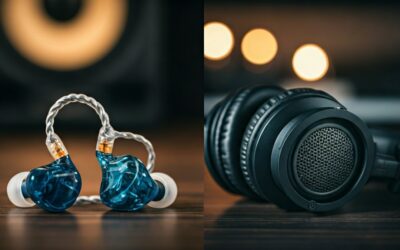
| In-Ear Monitors (IEMs) | Ear Canal Irritation (No Hair Risk) | Zero | Daily Commute |
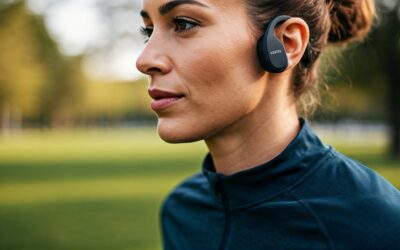
| Neckband Style | Minimal Scalp Contact | Low | Fitness & Running |
| Open-Back Headphones | Heat Buildup (Reduced) | Low/Medium | Long Gaming Sessions |
Step-by-Step Guide to Preventing Hair Loss from Headphones
If you are worried that do headphones cause hair loss, you don’t need to throw them away. Following these expert-vetted steps will help you maintain a full head of hair while enjoying your favorite media.
Step 1: Optimize the “Clamping Force”
Most high-end headphones are designed to stay on your head during movement, meaning they have a high clamping force.
- If your headset feels like a vise, stretch it slightly over a stack of books overnight.
- A looser fit reduces the downward pressure on the crown, which is the “danger zone” for traction alopecia.
Step 2: Use a Suspension Headband
Look for headphones that feature a “ski-band” or suspension strap. Brands like SteelSeries or AKG often use these.
- Unlike solid plastic bands, suspension straps distribute the weight of the device evenly across the entire head.
- This prevents a single “pressure point” from tugging on specific hair follicles.
Step 3: Implement the “60/60 Rule” for Your Scalp
We often hear the 60/60 rule for hearing protection (60% volume for 60 minutes). Apply this to your hair as well.
- Every 60 minutes, remove your headphones for at least 5 minutes.
- Massage your scalp briefly to restore blood flow to the areas where the headband was sitting.
- This prevents the follicles from remaining in a “stressed” state for too long.
Step 4: Manage Moisture and Material
If you live in a warm climate or sweat during gaming, avoid protein leather (pleather) ear pads and headbands.
- Switch to velour or mesh fabric pads. These materials breathe better and prevent sweat from sitting against your hair roots.
- Wipe down your headband with an alcohol-free wipe once a week to prevent bacterial buildup.
Identifying the Symptoms: Is it Your Headphones or Genetics?
It is easy to blame your overhead headphones, but sometimes the cause is Androgenetic Alopecia (Male Pattern Baldness). Here is how to tell the difference:
- Location: If the thinning is strictly in a straight line where your headband sits, it is likely traction alopecia. If the thinning is at the temples (M-shape) or the very back of the crown, it is likely genetic.
- Sensation: If your scalp feels “sore” or “tender” at the end of the day, the headphones are too tight.
- Regrowth: If you stop wearing headphones for a month and see “baby hairs” sprouting in the affected area, the headphones were the culprit.
Expert Insights: My Experience with Professional Audio Gear
As an audio engineer who has spent over 15,000 hours wearing various headsets, I have seen the “headphone dent” and the “hairline scare” firsthand. In 2018, I noticed significant thinning along my mid-scalp. After consulting a dermatologist, the diagnosis was friction-induced breakage.
By simply switching from a heavy, solid-band headset to a lightweight open-back model (specifically the Sennheiser HD600 series) and utilizing a velcro headband cushion, my hair thickness returned to normal within six months. The key is not the headphones themselves, but the duration of use and the weight distribution.
Can Headphones Cause Baldness? Myth vs. Reality
There is a viral misconception that headphones can “deform” the skull or cause permanent baldness. Let’s look at the data:
- The Skull Myth: Your skull is one of the hardest bones in the body. A 300g pair of headphones cannot “dent” your bone. Any indentation you see is peripheral edema (fluid displacement) or skin compression. It disappears within hours.
- The Permanent Baldness Reality: Permanent baldness from headphones only occurs if you ignore traction alopecia for years. If the follicle is repeatedly scarred, it can eventually die (cicatricial alopecia). However, this is extremely rare in the context of headphone use.
Frequently Asked Questions (FAQs)
Does wearing headphones cause hair loss if I have short hair?
Yes, can wearing headphones cause hair loss even with short hair? Actually, shorter hair can sometimes be more prone to friction damage because there is no “buffer” of length to slide against the headband. The tension remains the same regardless of hair length.
Are earbuds better for hair growth?
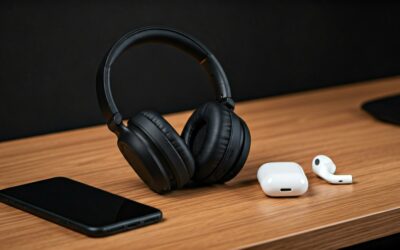
Absolutely. Since earbuds (like Apple AirPods or Sony WF-1000XM5) do not touch the top of your head, they carry zero risk of causing traction alopecia or scalp friction. If you are already seeing thinning, switching to earbuds is the best immediate solution.
How do I fix a “headphone dent” in my hair?
A headphone dent in the hair is just a “memory” of the hair’s shape. To fix it:
- Dampen the area with a bit of water.
- Blow-dry while brushing in the opposite direction.
- The heat resets the hydrogen bonds in the hair, removing the crease instantly.
Can wearing a hat under headphones help?
While a hat provides a layer of protection against friction, it can increase heat and sweat buildup. If you choose this route, use a silk or satin-lined cap to minimize friction and ensure the hat isn’t so tight that it adds to the tension on your follicles.
What are the best headphones for someone worried about hair loss?
Look for headsets under 250 grams with a suspension headband or a very wide, padded top. Models like the Bose QuietComfort series or the HyperX Cloud series (with added aftermarket padding) are generally considered “scalp-friendly” due to their lightweight design.