
Understanding the Science: How Do Headphones Work?
How do headphones work? At their core, headphones are transducers that convert electrical energy into mechanical energy to create sound waves. By using magnets and voice coils to vibrate a thin membrane called a diaphragm, headphones push air molecules to create pressure waves that your ears interpret as music or speech.
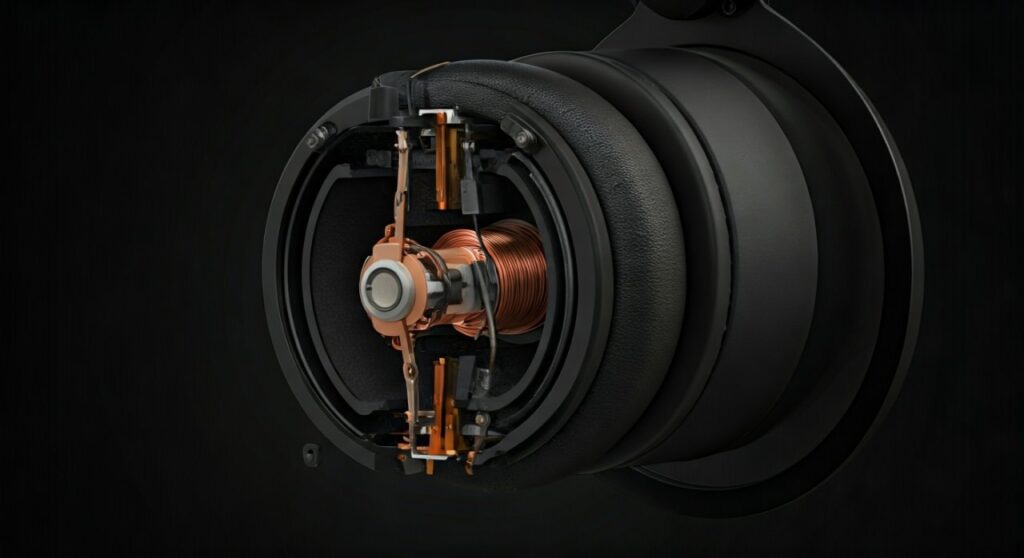
Whether you are using high-end audiophile gear or budget earbuds, the fundamental physics remain the same. The device receives an electrical signal, translates it through a magnetic field, and moves air to reach your eardrums.
Key Takeaways: The Quick Summary
If you are in a hurry, here is the essential breakdown of the headphone mechanism:
- Signal Source: Your phone or laptop sends an electrical signal (analog or digital).
- The Driver: This is the “engine” of the headphone, consisting of a magnet, a voice coil, and a diaphragm.
- Electromagnetism: Electricity flowing through the voice coil creates a varying magnetic field.
- Vibration: The magnetic field causes the coil to move rapidly, pulling the diaphragm with it.
- Sound Waves: The moving diaphragm displaces air, creating the sound waves you hear.
- Wireless Tech: How do wireless headphones work? They use radio waves (Bluetooth) to receive data, which an internal DAC converts into electricity.
The Anatomy of a Headphone: Essential Components
To understand how headphones work, you must first look at the parts hidden inside the earcups. Every standard “dynamic” driver consists of four primary components.
The Permanent Magnet
Every headphone contains a permanent magnet, usually made of Neodymium or Ferrite. This magnet creates a fixed magnetic field that provides the “push and pull” force needed for the coil to move.
The Voice Coil
The voice coil is a very thin wire (usually copper) wrapped around a cylinder. When an electrical current from your music player passes through this coil, it becomes an electromagnet.
The Diaphragm
This is a thin membrane, often made of plastic, paper, or even metal. It is attached directly to the voice coil. When the coil moves, the diaphragm moves with it.
The Suspension and Housing
The suspension holds the diaphragm in place while allowing it to vibrate freely. The housing (or earcup) protects these delicate parts and helps shape the sound signature.
Step-by-Step: How Do Headphones Work to Produce Sound?
Understanding the journey from a digital file to your ear involves several critical stages. Here is the step-by-step process of how headphones work.
Step 1: The Electrical Signal Begins
Your device (like a smartphone) generates an electrical current that represents the audio. In wired headphones, this current travels through the copper wire in your cable.
Step 2: Entering the Voice Coil
As the electrical current reaches the headphone driver, it enters the voice coil. Because the current is “alternating” (AC), it constantly changes direction and strength based on the frequency of the music.
Step 3: Creating the Magnetic Interaction
The moving electricity turns the voice coil into a temporary magnet. This temporary magnetic field interacts with the field of the permanent magnet. They either attract or repel each other hundreds or thousands of times per second.
Step 4: The Diaphragm Vibrates
Since the voice coil is attached to the diaphragm, the rapid movement of the coil forces the diaphragm to vibrate back and forth. This movement mimics the original electrical signal perfectly.
Step 5: Air Displacement
As the diaphragm moves forward, it pushes air molecules together (compression). As it moves back, it creates a vacuum (rarefaction). These fluctuations in air pressure are what we call sound waves.
Wired vs. Wireless: How Do Bluetooth Headphones Work?
With the decline of the headphone jack, many users ask: how do wireless headphones work? While the driver mechanism remains the same, the way they receive the signal is entirely different.
The Role of Bluetooth Technology
How do bluetooth headphones work? Instead of a physical wire, these devices use a 2.4GHz radio frequency to transmit data. Your phone “encodes” the audio into a digital packet and sends it through the air.
The Internal Components of Wireless Sets
Because there is no external power source from a cable, how do cordless headphones work? They require three extra internal components:
- A Battery: Usually Lithium-ion, to power the internal electronics.
- A Bluetooth Receiver: An antenna that catches the digital radio signal.
- A DAC (Digital-to-Analog Converter): This is crucial. Since drivers only understand electricity (analog), the DAC turns the digital “1s and 0s” back into electrical pulses.
Comparing Connection Types
| Feature | Wired Headphones | Wireless/Bluetooth Headphones |
|---|---|---|
| Signal Type | Analog Electrical Signal | Digital Radio Signal (2.4GHz) |
| Power Source | From the device (Phone/Amp) | Internal Battery |
| Latency | Near Zero | Minor Delay (Codec dependent) |
| Audio Quality | High (Lossless possible) | Compressed (via Codecs like SBC or AAC) |
| Components | Driver + Cable | Driver + Battery + DAC + Amp |
Expert Insight: Why Driver Type Matters
Most people only know about “dynamic drivers,” but how does headphones work when they are built for high-end audiophiles? There are three main types of drivers used in the industry today.
Dynamic Drivers (The Most Common)
These are the drivers we discussed above. They are affordable, durable, and great for bass. You will find these in Sony WH-1000XM5 and Bose QuietComfort models.
Planar Magnetic Drivers
Instead of a coil, these use a large, flat diaphragm with wires etched into it, sandwiched between two sets of magnets. This results in incredibly fast response times and lower distortion. Brands like Audeze and Hifiman specialize in this.
Electrostatic Drivers
These are the “Ferrari” of headphones. They use a statically charged film suspended between two metal plates. They require a special “energizer” (amplifier) to work but offer the most realistic sound possible.
How Does Active Noise Cancellation (ANC) Work?
A common follow-up to how headphones work is how they manage to block out noise. Active Noise Cancellation (ANC) is a feat of modern engineering.
- Microphones: Tiny mics on the outside of the headphones listen to the ambient noise (like a plane engine).
- Phase Inversion: The internal chip calculates the “opposite” sound wave (180 degrees out of phase).
- Anti-Noise: The headphone driver plays this “anti-noise” along with your music.
- Cancellation: The two waves meet and cancel each other out, leaving only silence or your music.
Troubleshooting: Why Isn’t My Audio Working?
If you are wondering how to work bluetooth headphones or why your wired pair sounds “thin,” consider these expert tips from my years of testing audio gear:
- Check the Impedance: Some high-end headphones require more power than a phone can provide. If they sound quiet, you may need an External Amplifier.
- The “Half-Plug” Issue: If the sound is echoing or missing vocals, your 3.5mm jack might not be fully seated. This prevents the “Ground” connection from working.
- Bluetooth Interference: If your cordless headphones are stuttering, it is likely due to too many 2.4GHz devices (like Wi-Fi routers) nearby.
- Battery Degradation: If your wireless headphones won’t turn on, the Lithium-ion battery may have reached its cycle limit.
Practical Tips for Better Sound Quality
To get the most out of how headphones work, follow these professional recommendations:
- Use High-Quality Codecs: When learning how to wireless headphones work, check if your phone supports LDAC or aptX HD. These allow for more data and better sound.
- Seal is Everything: For In-Ear Monitors (IEMs), if the silicone tip doesn’t fit perfectly, the air pressure (bass) will leak out, ruining the sound.
- Burn-in Period: Some experts believe new diaphragms need 20-50 hours of playback to “loosen up” and reach their intended sound profile.
Frequently Asked Questions (FAQs)
How do wireless headphones work without a cord?
Wireless headphones work by using Bluetooth technology to transmit audio data via radio waves. An internal battery powers a small computer inside the headphones that decodes this signal and converts it into electricity for the drivers.
Can headphones damage your hearing if they work too hard?
Yes. Because how headphones work involves creating air pressure directly in your ear canal, high volumes can damage the tiny hair cells (cilia) in your inner ear. Experts recommend the 60/60 rule: 60% volume for no more than 60 minutes at a time.
How do you work bluetooth headphones for the first time?
To work bluetooth headphones, you must put them into “Pairing Mode” (usually by holding the power button). Then, open the Bluetooth settings on your phone, find the device name, and select “Connect.”
Why do some headphones need an amplifier?
Large headphones with high Impedance (measured in Ohms) require more voltage to move the voice coil effectively. Without an amp, the diaphragm won’t move with enough force, resulting in weak, tinny audio.
Do open-back headphones work differently?
The internal mechanism is the same, but the housing is perforated. This allows air and sound to escape out the back, creating a wider “soundstage” that feels more like a live performance than music stuck inside your head.