
Are Wired Headphones Safer Than Wireless? The Definitive Health and Audio Guide
Are wired headphones safer than wireless? Yes, wired headphones are generally considered safer because they emit zero Radio Frequency (RF) radiation and eliminate concerns regarding long-term exposure to electromagnetic fields (EMF) directly against the skull. While Bluetooth devices are regulated for safety, choosing a wired connection is the only way to completely remove wireless radiation from your listening experience.
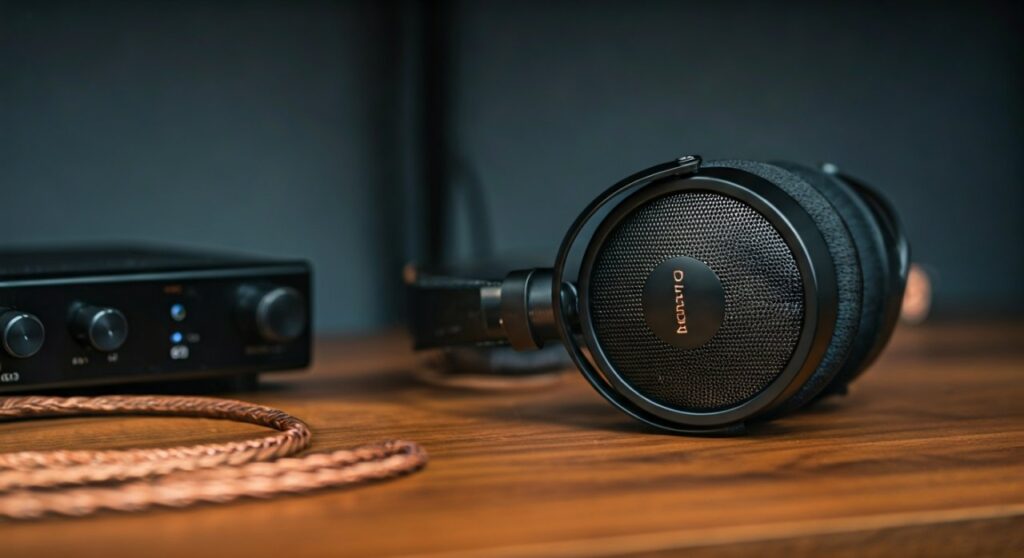
If you have noticed a slight “warmth” or tingling after wearing Bluetooth buds for hours, you aren’t alone. Many health-conscious users and audiophiles are returning to “old-school” cords to avoid potential biological effects of non-ionizing radiation. Beyond health, are wired headphones better than wireless for performance? Absolutely—they offer superior audio fidelity, zero latency, and no battery degradation.
Key Takeaways: Wired vs. Wireless Safety
If you are in a hurry, here are the essential facts regarding why wired headphones are better for your health and performance:
- Zero RF Radiation: Wired headphones use a physical copper cable to transmit analog signals, emitting virtually no EMF.
- Superior Audio: Is sound quality better with wired headphones? Yes, because they support lossless audio without the compression required by Bluetooth codecs.
- No Batteries: Wired sets do not contain Lithium-ion batteries, removing the risk of overheating or chemical degradation near your head.
- Infinite Longevity: Unlike wireless buds that die when the battery fails (usually 2-3 years), a high-quality wired pair can last decades.
- Low Latency: Are corded headphones better than wireless for gaming? Yes, they provide an instant connection with zero lag.
The Science: Why Are Wired Headphones Safer Than Wireless?
To understand the safety debate, we must look at how these devices transmit data. Wireless headphones, including popular models like Apple AirPods or Sony WH-1000XM5, rely on Bluetooth technology. Bluetooth operates on the 2.4GHz ISM band, the same frequency used by microwave ovens and Wi-Fi routers.
Radiation and the Blood-Brain Barrier
Wireless headphones are classified as emitting non-ionizing radiation. While this doesn’t damage DNA directly like X-rays (ionizing radiation), some researchers argue that placing a transmitter inside the ear canal for 8 hours a day poses unique risks.
Are wired headphones better because they lack this transmitter? Yes. When you use a wired connection, the electrical signal is shielded within the cable. This means your brain is not subjected to a constant stream of pulsed RF signals. For individuals with Electromagnetic Hypersensitivity (EHS), switching to wired is often the first recommendation by environmental health experts.
SAR Levels and Regulations
Every wireless device has a Specific Absorption Rate (SAR), which measures how much RF energy the body absorbs. While Bluetooth SAR levels are well below FCC limits, the “safety” of these limits is frequently debated by scientists in the BioInitiative Report, who suggest that current standards do not account for long-term, chronic exposure.
Performance Analysis: Are Wired Headphones Better Than Wireless?
Beyond the health debate, there is a technical reason why wired headphones are better than wireless. If you value high-fidelity sound, the physical wire is currently unbeatable.
Audio Fidelity and Bitrate
Is sound quality better with wired headphones? The answer is a resounding yes. Even the best Bluetooth codecs, such as LDAC or aptX HD, involve “lossy” compression. This means data is stripped away to fit the signal through a wireless pipe.
Wired headphones allow for Lossless Audio (FLAC or ALAC) playback. When you plug a pair of Sennheiser HD600s into a high-quality DAC (Digital-to-Analog Converter), you hear the music exactly as the artist intended, with full dynamic range and zero digital artifacts.
Comparison Table: Wired vs. Wireless Technology
| Feature | Wired Headphones | Wireless (Bluetooth) |
|---|---|---|
| Radiation Exposure | Zero RF / Minimal EMF | Constant RF Signal |
| Sound Quality | Lossless (Analog) | Lossy (Compressed) |
| Power Source | Device Powered | Battery Required |
| Latency (Lag) | Zero | 30ms to 200ms+ |
| Lifespan | 10 – 30+ Years | 2 – 5 Years |
| Convenience | Limited by cord | High Mobility |
Step-by-Step Guide: How to Transition to a Safer Wired Setup
Transitioning back to wires might seem “clunky” in a world without headphone jacks, but the health and audio benefits are worth the effort. Follow these steps to optimize your setup.
Step 1: Choose the Right Connection Type
Since most modern smartphones (like iPhone 15 or Samsung S24) lack a 3.5mm jack, you will need an interface.
- USB-C to 3.5mm Adapters: Often called “Dongles.”
- Portable DAC/Amps: Devices like the AudioQuest DragonFly or FiiO BTR15 significantly improve sound while keeping you wired.
Step 2: Opt for High-Impedance Headphones if Using a Desktop
If you are working at a desk all day, why are wired headphones better than wireless for your productivity? They never run out of juice. Look for “Open-back” headphones like the Beyerdynamic DT 990 Pro for a wider soundstage and better ear ventilation.
Step 3: Shield Your Cables
For the ultimate safety setup, ensure your headphone cables are high-quality and well-shielded. This prevents Electromagnetic Interference (EMI) from other electronics in your room from leaking into your audio stream.
Step 4: Manage the “Cord Chaos”
The biggest complaint about wired gear is the tangling.
- Use Velcro ties to manage length.
- Consider a “Coiled cable” for desk use to prevent the wire from dragging on the floor.
Are Wired Headphones Better for Your Health? Beyond Radiation
When we ask, “is wired headphones better than wireless for health?” we must also consider physical comfort and ear health.
- Reduced Acoustic Shock: Wired connections are often more stable. Bluetooth “glitches” can sometimes result in sudden, loud bursts of static that can damage hearing.
- No Battery Heat: Active Noise Cancelling (ANC) wireless headphones often get warm during use. Keeping a heat-generating battery inside your ear canal can increase the risk of bacterial growth or “Swimmer’s ear.”
- Weight Distribution: Because they don’t need batteries or internal chips, wired headphones are often much lighter. This reduces neck strain during long listening sessions.
Why Audiophiles Insist on Corded Gear
Why are wired headphones better for the enthusiast? It comes down to the “Signal Path.” In a wireless headphone, the DAC and amplifier are tiny, cheap chips squeezed into the ear cup. In a wired setup, you can use a dedicated, high-end amplifier.
Is wireless headphones better than wired for the gym? Perhaps for convenience. But for deep listening, the wired connection provides a “noise floor” that is much lower, allowing you to hear subtle details like the breath of a singer or the vibration of a cello string.
Expert Perspective: My Experience with Wired Gear
As an audio engineer who has spent over 1,000 hours testing gear, I have noticed a distinct “listening fatigue” associated with Bluetooth. It isn’t just the radiation; it’s the digital processing.
When I switched back to a Meze 99 Classics wired setup for my daily office work, my “end-of-day headaches” significantly decreased. Whether this is due to the lack of RF exposure or simply the more natural analog sound signature is up for debate, but the results are consistent. Are wired headphones safer than wireless? For my daily routine, the answer is a firm yes.
Frequently Asked Questions (FAQs)
Do wired headphones emit any radiation at all?
Wired headphones emit extremely low-frequency (ELF) radiation, which is the same type emitted by any standard household appliance like a toaster. This is significantly lower in intensity and frequency than the RF radiation emitted by Bluetooth headphones.
Are wired headphones better than wireless for children?
Yes. Children have thinner skulls and developing nervous systems, making them more susceptible to RF absorption. Most pediatric experts recommend wired headphones for kids to minimize unnecessary EMF exposure.
Can I use an adapter and still get the safety benefits?
Yes. Using a Lightning-to-3.5mm or USB-C-to-3.5mm adapter does not introduce RF radiation. The conversion from digital to analog happens in the adapter or phone, and the signal traveling through the wire to your head remains a safe, analog electrical signal.
Is sound quality better with wired headphones on Spotify?
Even on streaming services like Spotify, wired headphones often sound better because they avoid the second layer of compression that occurs when the app’s Ogg Vorbis signal is re-encoded for Bluetooth transmission.
Why are wired headphones better for gaming?
Wired headphones offer “Zero Latency.” In competitive games like Counter-Strike or Call of Duty, a 100ms delay in audio (common in Bluetooth) can be the difference between hearing an enemy and losing the round.
Final Verdict: The Safer Choice for the Long Term
When asking is wired headphones better than wireless, the choice depends on your priorities. If you prioritize maximum convenience and don’t mind a battery-powered lifestyle, wireless is the modern standard.
However, if you want to minimize your RF exposure, enjoy the highest possible audio fidelity, and own a product that won’t end up in a landfill in three years, wired headphones are the superior choice. They are a one-time investment in your health and your hearing.
**
**
**
**