

Understanding the “Gamer Dent”: Can Headphones Dent Your Head?
The short answer is no, headphones cannot dent your head permanently. While it is common to notice a visible groove in your hair or skin after a long gaming session, this is merely a temporary compression of the soft tissue and scalp, not a structural change to your skull.
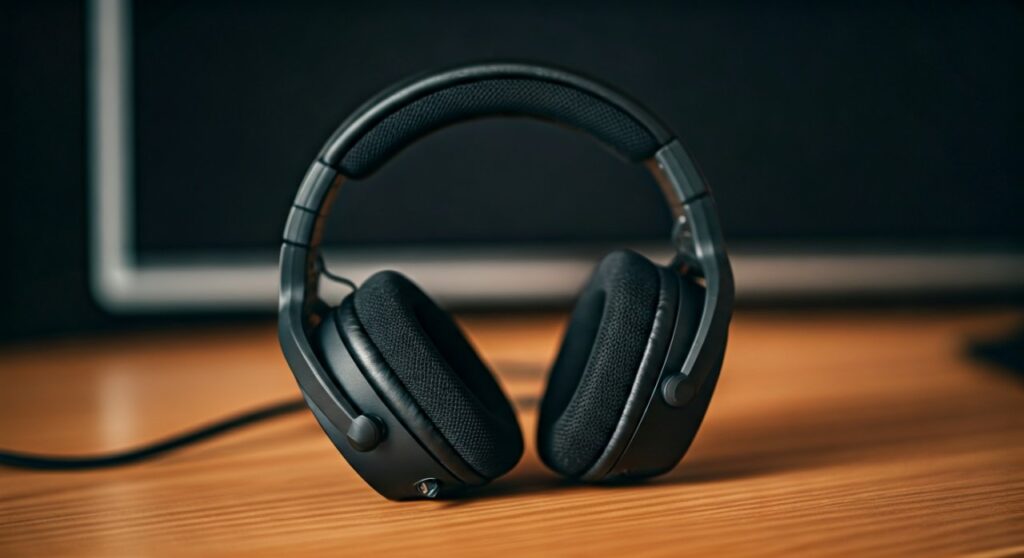
Your skull is one of the hardest structures in the human body, designed to protect the brain from significant impact. The clamping force of even the tightest over-ear headphones is nowhere near strong enough to deform bone. This phenomenon, often called a “gamer dent,” is a combination of flattened hair and fluid displacement in the skin.
Key Takeaways: The Reality of Headphone Dents
If you are in a rush, here are the essential facts regarding headphones and cranial pressure:
- Temporary Nature: Dents in the skin or hair usually disappear within 15 to 30 minutes after removing the headset.
- Bone Density: It takes roughly 235 kg (520 lbs) of force to crush or significantly deform a human skull; headphones exert less than 1% of that.
- Soft Tissue Compression: The “dent” is actually edema (fluid movement) or simple skin indentation similar to the marks left by tight socks.
- Prevention: Switching to In-Ear Monitors (IEMs) or using headsets with suspension headbands can eliminate the issue entirely.
- Medical Context: Only infants with developing skulls (fontanelles) or patients recovering from major brain surgery are at risk of external pressure-shaping their heads.
Why People Think Headphones Dent Your Skull
The viral “gamer dent” clips on platforms like Twitch and TikTok have fueled the myth that wearing headphones can dent your skull. High-profile streamers often remove their headsets to reveal a deep-looking ridge across their scalp, leading viewers to ask, “Can wearing headphones dent your head permanently?”
In reality, what you are seeing is a combination of compressed hair follicles and cutaneous indentation. The scalp is a layer of skin and fat that sits on top of the bone. When you apply constant pressure with a padded headband, you push the interstitial fluid out of that specific area, creating a temporary valley.
Expert dermatologists confirm that this is no different than the mark left on your wrist by a watch band or on your forehead by a tight hat. The skull remains perfectly intact beneath the skin.
The Anatomy of the Scalp vs. The Human Skull
To understand why headphones do not actually dent your head, we must look at the structural difference between your skin and your bone.
The Scalp and Soft Tissue
The scalp consists of five layers: Skin, Connective tissue, Aponeurosis, Loose areolar tissue, and Pericranium. These layers are pliable and contain blood vessels and fluids. When you ask, “Can you get a dent in your head from headphones?”, you are really asking about these layers. They are easily compressed but highly elastic, meaning they bounce back once the pressure is removed.
The Human Skull (Cranium)
Your skull is made of dense, mineralized bone. By adulthood, the plates of the skull are fused together. It would require a traumatic event—such as a high-velocity car accident—to cause a “dent” or depression in the bone. The clamping force of a Sennheiser, Sony, or HyperX headset typically ranges from 3 to 5 Newtons, which is statistically insignificant to bone health.
Do Headphones Cause Dents? Comparing Different Headphone Types
Not all headphones are created equal. Some designs are much more likely to leave a visible “dent” in your hair or skin than others.
| Headphone Type | Risk of “Skin Dent” | Risk of “Hair Dent” | Primary Cause |
|---|---|---|---|
| Heavy Over-Ear | High | High | Weight and thin padding. |
| On-Ear (Supra-aural) | Low | Medium | Side clamping rather than top pressure. |
| Suspension Headbands | Very Low | Low | Weight is distributed across a wide strap. |
| In-Ear Monitors (IEMs) | Zero | Zero | No contact with the top of the head. |
| Open-Back Headphones | Medium | Medium | Usually lighter, reducing top-down pressure. |
Step-by-Step Guide: How to Prevent and Fix Headphone Dents
If you are a professional gamer or someone who works in a call center, you might deal with “headphone hair” or skin ridges daily. Follow these steps to maintain your appearance and comfort.
Step 1: Adjust the Clamping Force
Most headphones have a metal or reinforced plastic band. You can gently stretch the headband over a stack of books slightly wider than your head for 24-48 hours. This reduces the clamping force, making the headset sit lighter on your scalp.
Step 2: Upgrade Your Padding
If your headset has a thin, hard plastic band, it will focus all its weight on one narrow strip of your head. Purchase aftermarket sheepskin or memory foam pads (brands like Dekoni or Wicked Cushions). A wider pad distributes the weight, preventing the fluid displacement that causes the “dent.”
Step 3: Use the “Two-Finger Rule”
When you put your headphones on, you should be able to slide two fingers comfortably between the headband and the top of your head. If it’s tighter than that, the weight is not being properly supported by the ear cups, increasing the likelihood of skin indentation.
Step 4: Frequent “Pressure Breaks”
Expert ergonomists recommend taking a 5-minute break every 60 minutes. Remove the headset, massage your scalp to encourage blood flow and fluid redistribution, and let your hair regain its natural volume.
Step 5: Switch to a Suspension Strap
Headphones like the SteelSeries Arctis line or the Audeze Maxwell use a ski-goggle style suspension strap. This strap contours to the shape of your head, ensuring no single point receives the brunt of the weight.
When Should You Be Concerned?
While headphones cannot dent your skull, excessive pressure can lead to other real medical issues. If you notice any of the following, you should re-evaluate your gear:
- Compression Headaches: Also known as “external compression headaches,” these occur when the headband or ear cups press on the cutaneous nerves.
- Skin Irritation: Constant friction can lead to contact dermatitis or localized acne if the pads are not cleaned regularly.
- Hair Loss (Traction Alopecia): In extreme cases, if the headphones are very heavy and pull on the hair roots for 10+ hours a day, it can lead to thinning hair in that specific area.
- Soreness: If the area feels bruised or tender to the touch long after the headphones are removed, you are likely experiencing tissue inflammation.
Expert Insights: Why the Myth Persists
As someone who has tested over 100 headsets, I have seen the “dent” firsthand. I once wore a pair of Beyerdynamic DT 1990 Pros for a 12-hour editing marathon. When I finished, the ridge on my head was deep enough to hold a pencil.
However, by the time I finished my shower, the “dent” was completely gone. The myth persists because the visual evidence is shocking in the moment. We are conditioned to think that “shape changes = bone changes,” but our bodies are much more resilient than that.
Data: The Science of Pressure
Research into Human Factors and Ergonomics shows that the average human head weighs about 5kg (11 lbs). Headphones typically weigh between 250g and 500g.
The pressure (P) exerted is equal to Force (F) divided by Area (A). By increasing the surface area of the headband (Step 2 above), you significantly reduce the pressure on the scalp, even if the weight of the headphones remains the same.
Frequently Asked Questions (FAQs)
Do headphones actually dent your head?
No, they do not dent the bone. They only temporarily compress the skin, fat, and hair on your scalp. This is a surface-level change that reverses shortly after the pressure is removed.
Can wearing headphones dent your head permanently?
There is no medical evidence to suggest that headphones can permanently alter the shape of an adult skull. Bone is a living tissue that requires extreme, sustained, and structural force to reshape.
How long does it take for a headphone dent to go away?
Most skin indentations and “headphone hair” disappear within 15 to 30 minutes. Massaging the area or taking a warm shower can speed up the process by increasing blood circulation.
Can headphones dent your skull if you wear them too much?
Even with 24/7 usage, the skull will not dent. However, you may experience skin sores, chronic headaches, or temporary hair thinning. The bone itself remains unaffected by the weight of consumer electronics.
Does wearing headphones dent your head more if you are a child?
Children’s skulls are softer and have “soft spots” (fontanelles) that eventually fuse. While it is still highly unlikely a headset would dent their bone, it is always recommended that children use lightweight, properly fitted headphones and limit usage time.









