

To wear headphones with long hair without tangling or causing a “headphone dent,” you should position the headband slightly toward the back of your crown or tuck your hair behind your ears before sliding the earcups into place. For the best results, use velour ear pads to reduce friction and opt for low-tension hairstyles like low ponytails or side braids to keep strands secure and smooth.
Key Takeaways for Long-Haired Listeners
If you are in a hurry, here are the essential strategies to maintain your style while enjoying high-fidelity audio:
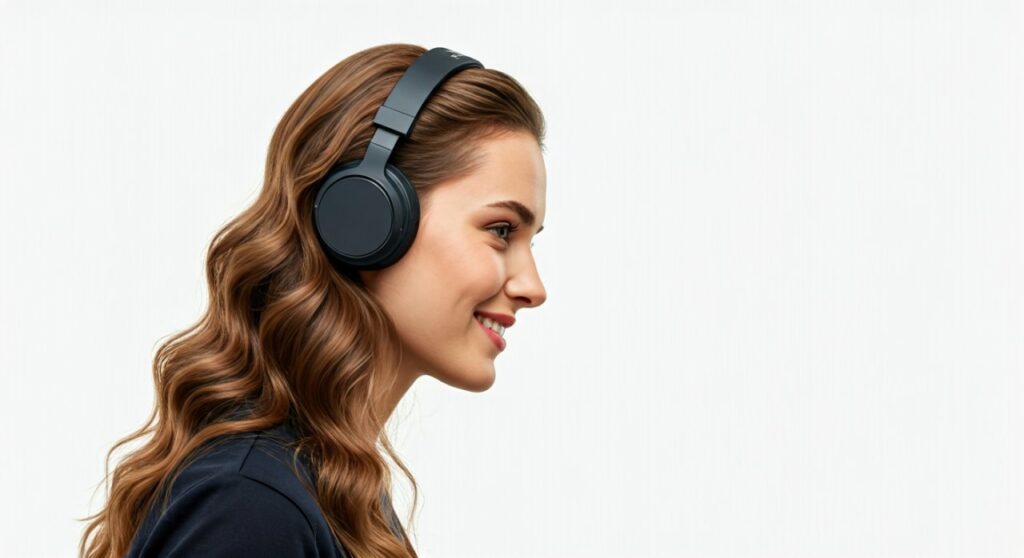
- Placement is Key: Move the headband 1-2 inches toward the back of your head to avoid flattening the volume at the roots.
- Material Matters: Choose memory foam or velour pads rather than cheap protein leather to prevent hair snagging.
- Style Smart: Use silk scrunchies for low buns to minimize the “dent” effect.
- Product Protection: Apply a light anti-frizz serum or leave-in conditioner to create a protective barrier between your hair and the headphone hardware.
- The “Shake” Method: Gently shake your hair out every 60 minutes to redistribute natural oils and prevent permanent creases.
Why Long Hair and Headphones Often Clash
As someone who has spent years testing high-end audiophile gear while maintaining waist-length hair, I know the struggle is real. The primary issues stem from clamping force and friction. When the headband exerts too much pressure, it traps moisture and heat against your scalp, leading to “headphone hair” or flattened roots.
Furthermore, the hinges and adjustment sliders on many over-ear headphones act like tiny traps for individual strands. If you have ever felt that painful “snap” when taking off your headset, you’ve experienced mechanical hair breakage. Understanding the anatomy of your headphones is the first step in learning how to wear headphones with long hair safely.
Step-by-Step Guide: How to Put on Headphones Without Ruining Hair
Following a specific routine can significantly reduce the risk of tangles and styling disasters. Here is the expert-recommended process:
- Brush Thoroughly: Always start with detangled hair. Knots provide more surface area for the headphone hinges to grab onto.
- The Ear-Tuck Maneuver: Before the headphones touch your head, tuck your hair behind your ears. This creates a clear “path” for the earcups to sit directly against your skin rather than trapping hair underneath.
- Widen the Band: Pull the earcups apart significantly before lowering them over your head. This prevents the pads from dragging down the length of your hair and causing frizz.
- Final Adjustment: Once the earcups are seated, reach under the headband and gently lift the hair at the roots to restore some volume.
How to Wear Headphones with Hair Down
Many users prefer the aesthetic of leaving their locks free, but this is often the most difficult way to manage over-ear headsets. To master how to wear headphones with hair down, follow these tips:
- Front-Loading: Bring all your hair forward over your shoulders. Place the headband on the back of your head. This prevents the hair from being squeezed between the band and your skull.
- The Headband Flip: If you have a fringe or bangs, slide the headband from the back toward the front. This keeps your bangs in place without squashing them against your forehead.
- Use Texture to Your Advantage: If you have straight hair, a tiny bit of dry shampoo at the crown can provide enough “grip” to stop the headband from sliding around and causing friction damage.
How to Wear Headphones with Curly Hair
Curly and coily textures require a different approach because the volume of the hair can interfere with the acoustic seal of the headphones. If the seal is broken, you lose bass response and noise isolation.
To effectively learn how to wear headphones with curly hair, consider the “Pineapple” method. Gather your curls loosely at the very top of your head and position the headphone band behind the bun. This keeps the earcups flush against your ears while preserving your curl pattern.
Experts also suggest using satin headband covers. These are aftermarket sleeves you can zip over your headphone band to ensure the material sliding against your curls is smooth and non-absorbent.
How to Prevent Headphone Hair (The Dreaded Dent)
The “headphone dent” is caused by a combination of heat and prolonged pressure. Your hair “sets” in the shape of the headband as it cools down or dries.
- Avoid Wet Hair: Never wear headphones while your hair is damp. This is the fastest way to create a permanent crease that won’t come out until your next wash.
- Switch to In-Ears Periodically: To prevent a permanent dent, rotate between over-ear headphones and True Wireless Stereo (TWS) earbuds like Apple AirPods Pro or Sony WF-1000XM5.
- Add Padding: If your current headset has a thin, hard plastic band, buy a universal neoprene headband cushion. This redistributes the weight across a larger surface area.
The Best Hairstyles to Pair with Over-Ear Headphones
Choosing the right hairstyle is arguably the most effective way to learn how to put on headphones without ruining hair.
| Hairstyle | Best For | Benefit |
|---|---|---|
| Low Braid | Long/Straight/Wavy | Keeps hair contained and prevents tangles in the hinges. |
| Space Bun (Low) | Medium to Long | Allows the headband to sit perfectly in the center “valley.” |
| Side Ponytail | Thick Hair | Moves the bulk of the hair away from the headband’s path. |
| Dutch Braids | Active Users/Gamers | The flattest hairstyle; provides zero interference with the band. |
| Low Loose Bun | Curly Hair | Protects the ends of the hair while allowing a solid ear seal. |
Choosing the Right Gear: Features Every Long-Haired Listener Needs
When shopping for new audio equipment, certain design choices are far more “hair-friendly” than others. Look for these specific features:
- Swivel Earcups: Headphones like the Bose QuietComfort Ultra feature cups that rotate. This makes it easier to slide them on and off without catching long strands.
- Integrated Sliders: Avoid headphones where the adjustment wire is exposed. Look for designs where the sliding mechanism is internal (hidden within the headband).
- Light Clamping Force: High-end studio monitors often have high clamping force for isolation, but for long hair, a “relaxed fit” like the Sennheiser HD 600 series is often more comfortable.
- Suspension Straps: Headphones with a “ski-band” suspension system (like the SteelSeries Arctis line) are elite for long hair. The fabric strap contours to your head shape without pressing directly into your hair.
Expert Maintenance: Protecting Your Hair and Your Headphones
Your hair products can actually damage your headphones over time. Natural oils, hairspay, and silicone-based serums can degrade the synthetic leather (pleather) on your ear pads, causing them to crack and peel.
- Wipe Down Daily: Use a microfiber cloth to wipe the ear pads after every use. This prevents product buildup from transferring back onto your hair the next day.
- Deep Clean: Once a month, use a mild soap solution to clean the headband.
- Replacement Pads: If you find your hair is constantly getting caught, consider upgrading to Dekoni Audio or Brainwavz replacement pads. These are often made of higher-quality materials that are smoother than stock pads.
Frequently Asked Questions (FAQs)
Can wearing headphones cause hair loss?
While rare, “Traction Alopecia” can occur if headphones are extremely tight or if the hair is pulled back too harshly under the band for 8+ hours a day. To avoid this, ensure your headband isn’t pulling on your hairline and take frequent breaks.
How do I fix a headphone dent quickly?
If you have a dent, you don’t need to wash your whole head. Simply mist the affected area with a little water or heat protectant spray and use a blow dryer on low heat while brushing the hair upward.
Are earbuds better for long hair than headphones?
From a hair-health perspective, yes. Earbuds or In-Ear Monitors (IEMs) eliminate the risk of “headphone hair” and tangling entirely. However, for long listening sessions, many find the comfort of over-ear headphones superior.
Does the material of the headphone band matter?
Absolutely. Plastic bands are more likely to create static and frizz. Fabric-wrapped or silicone bands are generally gentler on long hair. If your band is metal, ensure the edges are smoothed down to prevent cutting the hair cuticle.
How to wear headphones with hair down without it looking messy?
The secret is the “back-tilt.” Place the headband further back toward the crown rather than directly on top. This allows your hair to flow naturally from the front of your head, maintaining your style’s silhouette.









