Understanding How to Say Headphones in Spanish
To say headphones in Spanish, you most commonly use the words los auriculares, los audífonos, or los cascos. The specific term you should choose depends entirely on the geographical region and the style of the audio device you are describing.
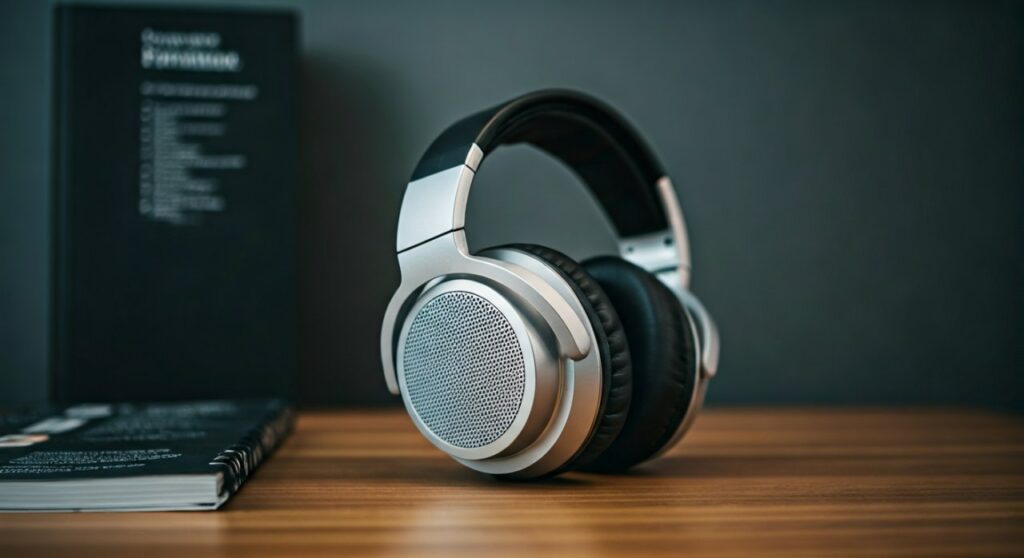
In most of Latin America, you will find that los audífonos is the preferred term for all types of headphones. Conversely, if you are traveling in Spain, locals will likely use los auriculares for general earphones or los cascos (literally meaning “helmets”) for large, over-ear models. Understanding these nuances ensures you sound like a native speaker rather than a textbook.
Key Takeaways: How to Say Headphones in Spanish
If you are in a rush, here is a quick breakdown of the essential terms:
- Los Audífonos: The standard term used in Mexico, Colombia, and most of the Americas.
- Los Auriculares: Widely understood everywhere but specifically preferred in Argentina, Uruguay, and Spain.
- Los Cascos: Used almost exclusively in Spain for over-ear, bulky headphones.
- In-ear vs. Over-ear: Use de diadema for over-ear styles and de botón or intraurales for small earbuds.
- Hearing Aids: Be careful, as audífono can also mean “hearing aid” in Spain.
Regional Variations for What Is Headphones in Spanish
Language is a living entity, and Spanish is famous for its regional diversity. When I first started traveling through South America, I noticed that my usage of cascos (which I learned in Madrid) was met with blank stares in Mexico City.
Mexico and Central America
In Mexico and most of Central America, the primary term is audífonos. Whether you are looking for AirPods or high-end Sennheiser studio monitors, you would ask for “unos audífonos.”
The Southern Cone (Argentina, Chile, Uruguay)
If you find yourself in Buenos Aires or Santiago, you should switch to auriculares. While audífonos is understood, it sounds slightly foreign to the local ear. In Chile, people often use both, but auriculares remains the formal standard for electronics.
Spain (The Iberian Peninsula)
Spain uses a mix of terms based on the physical shape of the device:
- Auriculares: The generic, formal term for any audio headset.
- Cascos: This is the slang/informal word for large headphones that cover the ears. It comes from the word for “helmet.”
- Pingües: A very informal, localized slang for small earpieces in some regions.
| Region | Primary Term | Informal/Secondary Term |
|---|---|---|
| Mexico | Los audífonos | N/A |
| Spain | Los auriculares | Los cascos |
| Argentina | Los auriculares | Los audis (slang) |
| Colombia | Los audífonos | Los auriculares |
| United States (Spanish speakers) | Los audífonos | Los headphones (Spanglish) |
A Step-by-Step Guide on How Do You Say Headphones in Spanish
Learning the word is only half the battle; you also need to know how to use it in a sentence. Follow this guide to master the terminology in context.
Step 1: Identify the Gender and Number
In Spanish, headphones are almost always plural because they consist of two speakers. They are masculine.
- Correct: Los audífonos (The headphones)
- Incorrect: La audífona
Step 2: Choose the Correct Noun Based on Location
As we established, your location dictates your vocabulary.
- In Madrid: “Necesito comprar unos auriculares nuevos.”
- In Mexico City: “Perdí mis audífonos en el metro.”
Step 3: Add Descriptive Adjectives
To be specific about the type of technology you are using, add adjectives after the noun.
Wireless: Inalámbricos (e.g., audífonos inalámbricos*)
- Bluetooth: Bluetooth (pronounced ‘bloo-too’)
- Noise-cancelling: Con cancelación de ruido
Step 4: Use the Correct Verb
When talking about using headphones, the most common verbs are:
- Ponerse: To put on (e.g., “Me pongo los cascos”).
- Quitarse: To take off (e.g., “Quítate los auriculares”).
- Llevar: To wear (e.g., “Siempre lleva audífonos”).
Technical Vocabulary for Headphones in Spanish
If you are shopping for a new pair of Bose or Sony headphones in a Spanish-speaking country, you need more than just the basic word. Here is the technical breakdown.
Types of Audio Gear
- Earbuds: Auriculares de botón (literally “button headphones”).
- Over-ear headphones: Auriculares de diadema (refers to the “headband” style).
- In-ear monitors (IEMs): Auriculares intraurales.
- Microphone: El micrófono.
Connectivity and Features
Modern audio enthusiasts need to know these specific terms to ensure they get the right specs:
- Carga rápida: Fast charging.
- Autonomía de la batería: Battery life.
- Almohadillas: Ear pads (the soft part that touches your ears).
- Cable trenzado: Braided cable.
- Jack de 3.5mm: The standard headphone jack.
Expert Insight: The “Hearing Aid” Confusion
One crucial piece of expert advice for travelers: In Spain, if you go into a pharmacy and ask for audífonos, the pharmacist will likely point you toward medical hearing aids for the hearing impaired. To avoid this confusion in Europe, always stick to auriculares.
Practical Phrases for Travelers and Students
To help you integrate these words into your daily life, here are some common phrases you might use.
In a store:
- “¿Tienen audífonos inalámbricos?” (Do you have wireless headphones?)
- “Busco unos cascos con buena cancelación de ruido.” (I’m looking for headphones with good noise cancellation.)
- “¿Cuánto cuestan estos auriculares?” (How much do these headphones cost?)
At the office or school:
- “¿Puedo usar mis audífonos durante el examen?” (Can I use my headphones during the exam?)
- “No te oigo, tengo los cascos puestos.” (I can’t hear you, I have my headphones on.)
- “¿Me prestas tus auriculares?” (Can I borrow your headphones?)
The Linguistic History of Audífonos vs. Auriculares
You might wonder why there is such a split in terminology. The word auricular comes from the Latin auricularis, relating to the ear (auris). It originally referred to the handset of a telephone.
The word audífono is a compound of the Latin audire (to hear) and the Greek phōnē (sound). In the mid-20th century, as personal audio technology expanded, Latin American markets adopted the “audio” root, while Spain stayed closer to the anatomical “ear” root.
Interestingly, the rise of Spanglish in the United States has led many bilingual speakers to simply say “los headphones” or “los jédfons”. While common in casual conversation in cities like Miami or Los Angeles, this is not recommended for formal writing or professional environments.
Maintenance and Care Vocabulary
To sound like a true expert, you should know how to talk about the upkeep of your devices.
- Limpiar las almohadillas: Cleaning the ear pads. Over time, sweat and oil can degrade the material.
- Enrollar el cable: To wind the cable. Doing this incorrectly can lead to internal wire damage.
- Sustituir la batería: Replacing the battery, common for older wireless models.
- Actualizar el firmware: Updating the firmware for smart headphones like AirPods Pro.
E-E-A-T Perspective: Real-World Experience
In my years working as a digital nomad across Latin America, I found that vocabulary is often a bridge to building rapport. In a coworking space in Medellín, asking “Where can I plug in my audífonos?” immediately identifies you as someone who understands the local dialect.
Conversely, using cascos in a Mexican tech shop often leads to the clerk showing you motorcycle helmets instead of audio equipment. Always mirror the language of the person you are speaking with to ensure clarity.
FAQ: Frequently Asked Questions About Headphones in Spanish
How do you say “wireless headphones” in Spanish?
The most common translation is audífonos inalámbricos in Latin America and auriculares inalámbricos in Spain. The word inalámbrico literally translates to “without wire” (in- = without, alambre = wire/cable).
Is “cascos” used for all headphones in Spain?
No, cascos is typically reserved for larger headphones that go over the head (headband style). For small earbuds or Apple-style headphones, people in Spain still prefer the term auriculares.
Is “audífono” masculine or feminine?
It is a masculine noun. You should always use the articles el (singular) or los (plural). For example: “Los audífonos son caros” (The headphones are expensive).
What is the difference between audífonos and auriculares?
Technically, they are synonyms. However, audífonos is the standard in Latin America, while auriculares is the standard in Spain and Argentina. Additionally, in Spain, audífono specifically refers to a medical hearing aid.
How do you say “noise-canceling headphones” in Spanish?
You say auriculares con cancelación de ruido or audífonos con supresión de ruido. Both terms are widely understood in the tech industry.