How to Fix Headphone Wires Curling: The Ultimate Guide to Straight Cables
To fix headphone wires curling, you should gently pull the cable through your fingers to remove kinks or hang the headphones from a height with a small weight attached to “reset” the cable’s physical memory. For stubborn curls, applying mild heat from a hair dryer while the cable is pulled taut can permanently realign the internal plastic structure.
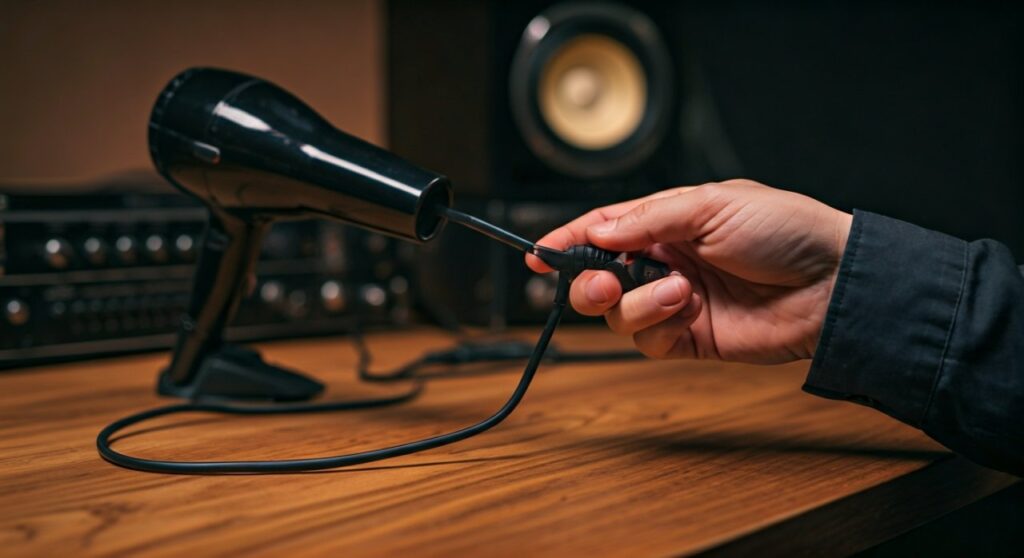
Curled wires are more than just a visual annoyance; they create mechanical stress on the copper strands inside, eventually leading to internal fractures and the dreaded “one-ear” audio failure. Having spent years in recording studios where cable management is a survival skill, I have seen how quickly a high-end pair of Sennheiser or Audio-Technica monitors can be ruined by improper winding. This guide provides professional-grade solutions to restore your cables and prevent them from tangling ever again.
Key Takeaways: Quick Fixes for Tangled Wires
| Method | Best For | Effort Level | Risk Level |
|---|---|---|---|
| The Finger Slide | Minor kinks and daily maintenance | Low | Very Low |
| Gravity Hang | Removing “memory” from long cables | Medium | Low |
| The Heat Reset | Heavy, permanent spiral curls | High | Medium (Heat damage) |
| Over-Under Coil | Preventing future curling | Low | None |
| Paracord Sleeving | Permanent structural reinforcement | Very High | Low |
Why Do Headphone Wires Curl? Understanding the Science
If you want to know why do headphone wires curl, you have to look at the materials used in their construction. Most headphone cables are made of copper wiring insulated by a PVC (Polyvinyl Chloride) or TPE (Thermoplastic Elastomer) jacket. These materials have “molecular memory,” meaning they tend to return to the shape they held for the longest time.
When you wrap your headphones around your phone or toss them in a bag, you are introducing torsional strain. This twist is stored in the plastic jacket. Over time, the plastic hardens in that twisted state, creating those annoying loops. Professional audio engineers call this “cable hockling,” where the internal torque forces the wire to double back on itself to release energy.
Step-by-Step: How to Fix Headphone Wires Curling Using Heat
The most effective way to “reset” the memory of a PVC jacket is through controlled heat. This softens the plastic, allowing the molecules to realign in a straight line.
Preparation and Cleaning
Before applying heat, wipe the cable with a damp cloth. Dust and skin oils can bake into the plastic, making it brittle over time. Ensure the headphones are unplugged from any power source or device.
The Straight-Tension Setup
Find two points to anchor your cable. You can tape one end to a table edge and hold the other end, or have a friend hold it. The goal is to keep the cable perfectly straight and slightly taut.
Applying Controlled Heat
Set a hair dryer to a “Medium” heat setting. Never use a heat gun unless you are an expert, as they can melt the insulation instantly.
- Move the hair dryer back and forth along the curled section.
- Keep the nozzle at least 6 inches away from the wire.
- Continue for 2-3 minutes until the plastic feels warm and supple.
The Cooling Phase (Crucial)
Once the cable is warm, keep it pulled tight while it cools. If you let go while the plastic is still warm, the “memory” will revert to the curled state. Wait about 5 minutes for the thermoplastic to set in its new, straight orientation.
The Weighted Hang Method: A Safe Alternative
If you are afraid of using heat on expensive gear like Sony WH-1000XM5 cables, the gravity method is your best bet. It is slower but carries zero risk of melting the insulation.
- Dangle the cable: Find a tall spot, like the top of a door frame or a high shelf.
- Attach a light weight: Use a small chip clip or a few clothes pins at the bottom end of the cable (near the jack). Do not use anything heavy enough to pull the wires out of the earcups.
- Wait 24-48 hours: Let gravity do the work. The constant light tension will slowly pull the “kinks” out of the polymer jacket.
How to Stop Headphone Wires From Curling Permanently
Learning how to stop headphone wires from curling is about changing your habits and using the right accessories. If you treat your cables like a garden hose, they will behave like one.
Master the “Over-Under” Technique
This is the “secret sauce” used by roadies and studio technicians. Instead of wrapping the wire around your hand in a circle (which introduces a 360-degree twist with every loop), you alternate the direction of the loop.
- The Over: Make a standard loop.
- The Under: Flip your hand and pull the wire through to create a loop that counteracts the twist of the first one.
- This keeps the internal copper strands neutral and prevents tension buildup.
Use Cable Sleeves or Paracord
One of the most robust DIY fixes I’ve implemented is “sleeving” a thin, prone-to-curling cable with 550 Paracord.
- Remove the inner strands of the paracord.
- Slide the hollow sheath over your headphone wire.
- The fabric outer layer provides physical resistance against twisting, making it nearly impossible for the inner wire to coil or kink.
Invest in Velcro Cable Ties
Avoid using “twist ties” or rubber bands. Velcro brand cable wraps allow you to secure a coiled cable without pinching the insulation. I recommend keeping a pack of these in your laptop bag to ensure that whenever your headphones are stored, they are held in a loose, stress-free circle.
Advanced Fixes: Replacing the Cable
Sometimes, the internal damage is too severe. If the wire is curling and you hear crackling audio, the copper shielding is likely frayed.
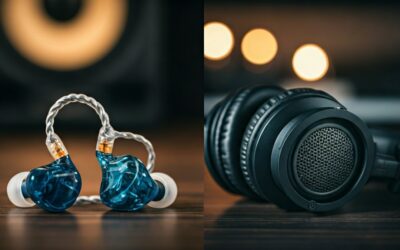
- Detachable Cables: If you own headphones like the Beyerdynamic DT 1770 Pro or most modern IEMs (In-Ear Monitors), simply purchase a “braided” replacement cable. Braided cables naturally resist curling because the weave cancels out torsional forces.
- Shrink Tubing: For minor weak spots where the curl is sharpest, slide a piece of heat-shrink tubing over the area and shrink it. This adds a “splint” to the wire, preventing it from bending at that specific point again.
Expert Perspective: Why Braided Cables Are Better
In my experience testing over 50 pairs of headphones, cables with a nylon braid outperform rubberized ones in longevity. The braid acts as an exoskeleton. While a standard rubber cable acts like a single solid rod that wants to snap or twist, a braid consists of multiple interlocking fibers that slide past each other, absorbing the energy that would otherwise cause a curl.
If you are shopping for new gear, specifically look for OFC (Oxygen-Free Copper) cables with a textile jacket. These are specifically engineered to remain “limp” and tangle-free.
Common Mistakes to Avoid
- Using Boiling Water: Some old DIY forums suggest dipping cables in boiling water. Do not do this. Moisture can seep into the jack or the earcups via capillary action, causing corrosion.
- Pulling Too Hard: Never “yank” the cable to straighten it. This can snap the delicate solder joints inside the earcups.
- Storing in Pockets: The heat from your body combined with the tight space of a pocket is a “curing oven” for curls. Always use a dedicated hard-shell case.
Frequently Asked Questions
Can curled wires affect sound quality?
Indirectly, yes. While the curl itself doesn’t change the electrical signal, the mechanical stress caused by the curl leads to micro-fractures in the copper. This increases resistance and eventually causes intermittent signal loss or a complete “dead” side.
Why does my headphone wire curl even when I’m careful?
This is often due to “factory set.” Many cables are tightly coiled for months in their original packaging. The plastic cures in that shape before you even open the box. A heat reset is often necessary for brand-new headphones.
Is there a spray to stop wires from curling?
There are “cable lubricants” and silicone sprays, but I do not recommend them for consumer electronics. They can attract dust and grime, making your cable sticky and unpleasant to touch. Physical storage solutions are much more effective.
Do wireless headphones solve this?
Switching to Bluetooth headphones is the ultimate “fix” for wire curling. However, if you are an audiophile or a gamer who requires zero latency, following the Over-Under coiling method is the best way to maintain your wired setup.
How often should I straighten my cables?
You should perform a “tension pull” (sliding the cable through your fingers) at least once a week if you use your headphones daily. This prevents minor kinks from becoming permanent “memory” sets in the plastic jacket.
**
**
**
**