Does Headphones Help with Airplane Pressure? The Direct Answer
Standard headphones do not help with airplane pressure changes because they are not designed to create an airtight seal against the environment. While noise-canceling headphones are excellent for reducing engine drone and fatigue, they cannot regulate the barometric pressure changes that cause your ears to “pop.” To effectively manage ear pressure, you need specialized pressure-filtering earplugs or specific physiological techniques like the Valsalva maneuver.
Key Takeaways: Airplane Pressure and Headphones
| Feature | Standard Headphones | Noise-Canceling (ANC) | Pressure Earplugs |
|---|---|---|---|
| Pressure Regulation | None | None | High |
| Noise Reduction | Low (Passive) | Extreme (Active) | Moderate |
| Comfort | High | High | Low to Moderate |
| Best For | Entertainment | Reducing Stress/Fatigue | Preventing Ear Pain |
- Noise-canceling tech targets sound waves, not air molecules.
- In-ear headphones provide a slight barrier but often trap pressure inside the ear canal, potentially making discomfort worse.
- The most effective solution for “Airplane Ear” is using EarPlanes or similar pressure-regulating filters.
Understanding Why Your Ears Hurt During Flight
To understand if headphones help with airplane pressure, we first need to look at the science of Barotrauma. When a plane climbs or descends, the air pressure in the cabin changes rapidly.
Your Eustachian tube is a small canal that connects your middle ear to the back of your throat. Its job is to equalize the pressure between the air outside and the air inside your ear.
If this tube is blocked or cannot keep up with the speed of the plane’s descent, the pressure imbalance causes the eardrum to stretch. This results in the painful sensation known as Airplane Ear.
The Myth of Noise-Canceling Headphones
Many travelers believe that noise-canceling headphones help with airplane pressure because they feel “quieter.” However, Active Noise Cancellation (ANC) works by emitting an “anti-noise” sound wave.
It cancels out the frequency of the engine, but it does absolutely nothing to the physical weight of the air pressing against your eardrum. In my experience as a frequent flyer with over 200,000 miles logged, wearing Bose QuietComfort or Sony WH-1000XM5 headphones makes the flight more peaceful, but my ears still pop at exactly the same altitude every time.
Step-by-Step Guide: How to Prevent Airplane Ear Pressure
Since standard headphones won’t solve the pressure problem, you need a proactive strategy. Follow these steps to ensure a pain-free landing.
Step 1: Equip Pressure-Regulating Earplugs
If you are prone to ear pain, skip the headphones during takeoff and landing. Instead, use specialized plugs like EarPlanes.
These contain a ceramic filter that slows down the shift of air pressure entering your ear. This gives your Eustachian tubes more time to adapt.
Step 2: Use the “Yawn and Swallow” Technique
During the descent (usually starting 30 minutes before landing), actively yawn or swallow frequently. This action pulls open the Eustachian tube and allows air to move into the middle ear.
Expert Tip: Chew gum or suck on hard candy. The repetitive swallowing motion is the most “natural” way to keep the pressure equalized.
Step 3: Perform the Valsalva Maneuver
If your ears feel “locked,” you need to force air through the tubes.
- Pinch your nostrils shut.
- Close your mouth.
- Gently try to blow air through your nose.
Warning: Do not blow too hard. Over-pressurizing can damage your eardrum. You should hear a soft “pop” when the pressure equalizes.
Step 4: Time Your Medication
If you have a cold or allergies, your Eustachian tubes are likely swollen. Take an oral decongestant (like Sudafed) or use a nasal spray (like Afrin) about 45 minutes before descent begins. This reduces inflammation and allows air to flow more freely.
Comparing Headphone Types for Flight Comfort
While they don’t help with pressure, choosing the right headphones can change your overall flight experience.
Over-Ear Headphones
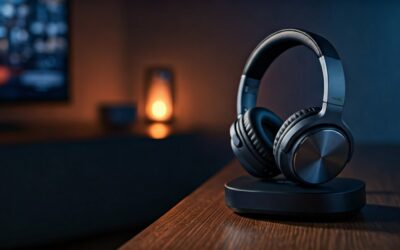
Over-ear headphones are the gold standard for long-haul flights. They provide passive isolation by cupping the entire ear.
- Pros: Maximum comfort, best noise cancellation.
- Cons: Bulky, do not help with ear popping.
In-Ear Monitors (IEMs) / Earbuds
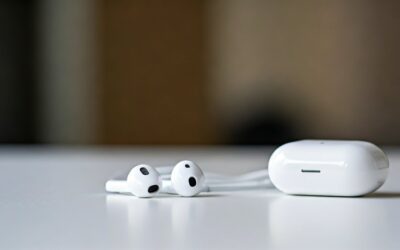
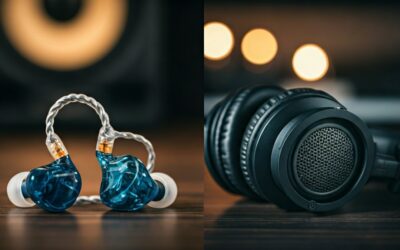
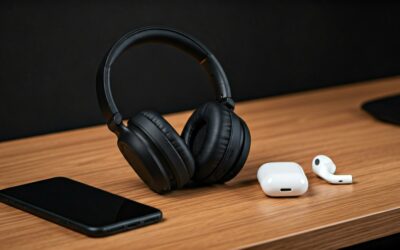
Devices like Apple AirPods Pro or Samsung Galaxy Buds sit inside the ear canal.
- Pros: Portable, good noise isolation.
- Cons: They can actually trap pressure. If you put them in at high altitude and land, the air trapped behind the earbud is at a lower pressure than the cabin, which can cause significant pain upon removal.
Pressure-Filtering Earbuds
Some hybrid products exist, but they are rare. Most experts recommend wearing pressure-filtering plugs underneath large over-ear noise-canceling headphones if you want both silence and pressure protection.
Why Noise-Canceling Headphones Can Feel “Heavy”
Some users report a “pressure” sensation when they turn on noise-canceling headphones. This is often called “eardrum suction.”
This isn’t real physical pressure. Instead, when the ANC technology removes low-frequency sounds, your brain gets confused. Because the lack of low-frequency sound usually only happens when there is a change in air pressure, your brain interprets the silence as a physical sensation of pressure.
If you are sensitive to this, look for headphones with adjustable ANC levels.
Expert Tips for Flying with Sinus Issues
Flying with a cold is the most common cause of middle ear barotrauma. If your sinuses are blocked, the pressure cannot equalize at all.
- Hydrate: Drink plenty of water. Dry cabin air thickens mucus, making blockages worse.
- The “Ear Cup” Trick: If you are in extreme pain, ask a flight attendant for two plastic cups with warm, damp paper towels at the bottom. Hold them over your ears. The steam helps soothe the eardrum and can sometimes assist in equalization.
- Stay Awake: Never sleep during the descent. When you sleep, you don’t swallow as often, which is why people often wake up with intense ear pain after landing.
Data Table: Effectiveness of Ear Care Methods
| Method | Effectiveness for Pressure | Effectiveness for Noise | Cost |
|---|---|---|---|
| Standard Earbuds | 1/10 | 4/10 | $ |
| ANC Headphones | 1/10 | 10/10 | $$$ |
| Pressure Plugs | 10/10 | 5/10 | $ |
| Decongestants | 8/10 | 0/10 | $ |
| Valsalva Maneuver | 9/10 | 0/10 | Free |
Summary of Best Practices
If you want to protect your ears during a flight, do not rely on headphones for pressure relief. Instead, use a “layered” approach:
- Use Pressure-regulating earplugs for the first 20 minutes and last 45 minutes of the flight.
- Switch to Noise-canceling headphones once at cruising altitude to manage stress and fatigue.
- Always have sugar-free gum and a decongestant in your carry-on.
- Stay hydrated and avoid sleeping until the “Fasten Seatbelt” sign is turned off at cruising altitude.
Frequently Asked Questions (FAQs)
Do noise-canceling headphones help with ear popping?
No, noise-canceling headphones do not prevent ear popping. They use electronics to cancel sound waves, but they do not block or regulate the physical air pressure changes in the airplane cabin.
Can I wear my AirPods during takeoff and landing?
You can wear them for music, but they will not protect your ears from airplane pressure. In some cases, in-ear buds can make the pressure feel more intense because they create a seal that traps air inside the canal.
What are the best headphones for airplane pressure?
There are no “headphones” that effectively manage pressure. You should look for EarPlanes or Alpine FlyFit earplugs if your goal is pressure regulation. For noise, Sony and Bose remain the top choices.
Is it better to wear over-ear or in-ear headphones on a plane?
For comfort and noise reduction, over-ear headphones are better. For pressure, neither is effective, but over-ear headphones are safer because they don’t “plug” the ear canal in a way that traps air pressure.
How do I stop my ears from hurting on a plane?
The best way is to use the Valsalva maneuver (gently blowing while pinching your nose), chewing gum, or wearing ceramic-filter earplugs designed specifically for flying.