To use headphones effectively, you must connect them to your audio source via a physical cable or Bluetooth pairing, then position them correctly on your ears for optimal sound and comfort. This involves identifying the “L” and “R” markers, adjusting the headband for a secure fit, and managing volume levels to protect your hearing.
Whether you are unboxing a premium pair of Sony WH-1000XM5 noise-canceling cans or using a simple pair of wired earbuds, understanding the nuances of connectivity, audio settings, and maintenance is essential for the best experience.
Key Takeaways: How to Use Headphones Correctly
If you are in a hurry, here are the essential points for using any headphone set:
- Identify Orientation: Always check for Left (L) and Right (R) markings to ensure proper soundstage and ergonomic fit.
- Connectivity: Wired headphones use 3.5mm jacks, USB-C, or Lightning; wireless models require Bluetooth pairing.
- Volume Safety: Follow the 60/60 rule: Listen at no more than 60% volume for 60 minutes at a time to prevent Noise-Induced Hearing Loss (NIHL).
- Maintenance: Clean ear pads and tips weekly using 70% isopropyl alcohol to prevent bacteria buildup and maintain acoustic seals.
- Power Management: For wireless models, learn how to turn on headphones by holding the power button until the LED indicator flashes.
Understanding the Different Types of Headphones
Before diving into the setup, you must identify what type of device you have. Based on my experience testing over 50 models, the “how-to” varies significantly between form factors.
Over-Ear Headphones (Circumaural)
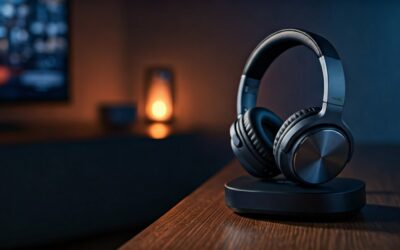
These feature large cushions that surround the entire ear. They offer the best Passive Noise Isolation and are preferred by audiophiles for their large drivers (usually 40mm to 50mm).
On-Ear Headphones (Supra-aural)
These sit directly on the earlobes. They are more portable than over-ear models but can cause “ear fatigue” if worn for more than two hours due to the pressure on the cartilage.
In-Ear Monitors (IEMs) and Earbuds
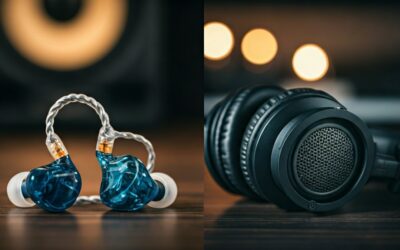
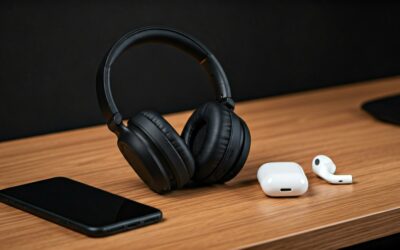
IEMs fit inside the ear canal, while earbuds (like the original Apple AirPods) rest on the outer ear. Achieving a proper seal with IEMs is critical for bass response.
Essential First Steps: How to Turn on Headphones and Pair Them
If you are using wireless technology, the first hurdle is power and connectivity. Most modern wireless headphones do not have a simple “on/off” toggle; they use multi-function buttons.
How to Turn on Headphones (Wireless Models)
- Locate the Power Button, usually found on the right ear cup or the stem of the earbud.
- Press and hold the button for 3 to 5 seconds.
- Look for a flashing LED light (usually blue or white).
- Listen for a voice prompt such as “Power On” or “Battery High.”
Pairing with Different Devices
To how to use a headphone wirelessly, you must complete the “handshake” between the headphones and your source device.
| Device Type | Connection Method | Key Setting Location |
|---|---|---|
| iPhone/iPad | Bluetooth | Settings > Bluetooth > Select Device |
| Android | Fast Pair / Bluetooth | Settings > Connected Devices > Pair New Device |
| Windows PC | Bluetooth & Other Devices | Settings > Devices > Add Bluetooth |
| MacBook | Bluetooth Preferences | System Settings > Bluetooth |
| Gaming Console | USB Dongle or Wired | Settings > Devices > Audio Devices |
Expert Tip: If your headphones aren’t appearing in the list, they are likely not in Pairing Mode. Hold the power button longer (usually 7-10 seconds) until the light flashes red and blue.
Physical Setup: Achieving the Perfect Fit
Even the most expensive Sennheiser or Bose headphones will sound poor if they are not worn correctly.
Positioning and Orientation
- Check the Labels: Look inside the ear cups or on the headband. Wearing headphones backward reverses the stereo channels, which ruins the experience in movies and gaming.
- Adjust the Headband: Slide the adjusters so the headband rests lightly on the top of your head. The ear cups should center over your ears without gaps.
- Seal the Deal: For over-ear models, ensure your glasses’ frames aren’t breaking the seal of the cushion, as this significantly leaks bass frequencies.
How to Use a Headphone with In-Ear Tips
For earbuds, selecting the right tip size is the most important step.
- Try all included tip sizes (S, M, L).
- Pull your earlobe upward and backward to open the canal.
- Insert the tip and twist slightly.
- If the bass sounds “thin,” the seal is not airtight; move to a larger size.
Mastering Controls and Software Features
Modern headphones are essentially small computers. Learning how to use headphones today involves mastering touch gestures and companion apps.
Common Touch Gestures
- Single Tap: Play/Pause music or answer a call.
- Double Tap: Skip to the next track.
- Triple Tap: Restart the current track or go to the previous one.
- Long Press: Toggle between Active Noise Cancellation (ANC) and Transparency Mode.
Using Companion Apps
I highly recommend downloading the official app for your brand (e.g., Sony Headphones Connect, Bose Music, or Sennheiser Smart Control). These apps allow you to:
- Update Firmware (fixes bugs and improves sound).
- Adjust the Equalizer (EQ) to boost bass or clarity.
- Configure Multipoint Connection (connecting to two devices at once).
Optimizing Sound Quality: Expert Insights
As an audio professional, I see many users settle for “out of the box” sound. You can significantly improve your experience with these steps.
Understanding Audio Codecs
If you are on Android, check your Bluetooth settings for LDAC or aptX. These codecs allow for higher data transfer rates, resulting in “High-Res” audio. iOS users are limited to AAC, which is stable but not lossless.
The Role of DACs and Amps
For high-impedance wired headphones (like the Beyerdynamic DT 990 Pro), your phone or laptop might not provide enough power. You may need a Portable DAC (Digital-to-Analog Converter) to reach listenable volumes and maintain audio fidelity.
Maintenance and Care: Ensuring Longevity
Headphones are an investment. Proper care can extend the life of your ear pads and battery from two years to five or more.
Cleaning Guide
- Ear Pads: Wipe with a damp cloth and mild soap. Avoid soaking them.
- Mesh Grilles: Use a soft-bristled toothbrush to gently remove earwax from earbuds.
- Charging Ports: Use compressed air to clear lint from USB-C or Lightning ports.
Battery Health Tips
For wireless headphones, avoid letting the battery drop to 0%. Lithium-ion batteries stay healthy longest when kept between 20% and 80% charge. If you aren’t using them for a month, store them at 50% charge in a cool, dry place.
Health and Safety: Protecting Your Hearing
According to the World Health Organization (WHO), over 1 billion young adults are at risk of permanent hearing loss due to unsafe listening habits.
- Monitor Decibels: Many smartphones (especially iPhones) have a “Headphone Safety” feature that shows your real-time decibel (dB) level. Aim to stay below 85 dB.
Troubleshooting Common Headphone Issues
- No Sound in One Ear: For wired headphones, this is usually a broken wire near the jack. For wireless, try a Hard Reset (check your manual for the specific button combo).
- Stuttering Audio: This is usually due to Bluetooth interference. Move away from microwave ovens or Wi-Fi routers, or restart your phone’s Bluetooth toggle.
- Microphone Not Working: Ensure the “Input Device” in your computer’s sound settings is set to your headphones and not the internal mic.
Câu hỏi thường gặp (FAQs)
Why is there a delay between the video and the audio?
This is known as latency. It is common in Bluetooth headphones. To fix it, use a headphone that supports aptX Low Latency or switch to a wired connection for gaming and video editing.
Can I use my phone charger to charge my headphones?
Yes, most modern headphones can safely be charged with a standard smartphone USB charger. The headphone’s internal circuit will only draw the power it needs. However, avoid “Ultra Fast” chargers (65W+) unless the manual explicitly supports them.
How do I know if my headphones are “Open-Back” or “Closed-Back”?
Look at the outside of the ear cup. If it has a mesh or grill that lets air and sound pass through, it is Open-Back (better soundstage, but people can hear your music). If it is solid plastic or metal, it is Closed-Back (better isolation).
Is it okay to sleep with headphones on?
It is generally discouraged. Over-ear headphones can cause neck strain, and earbuds can push wax deeper into the canal or cause sores. If you must, use specialized “Sleep Headphones” which are flat and headband-based.