How to Make Headphones Tighter: The Ultimate Guide to Perfect Clamping Force
To make headphones tighter, you should primarily focus on manually adjusting the headband tension or increasing the surface area of the padding. For metal-core headbands, a gentle inward bend will permanently increase clamping force, while plastic frames often require aftermarket headband cushions or thicker ear pads to create a snugger fit.
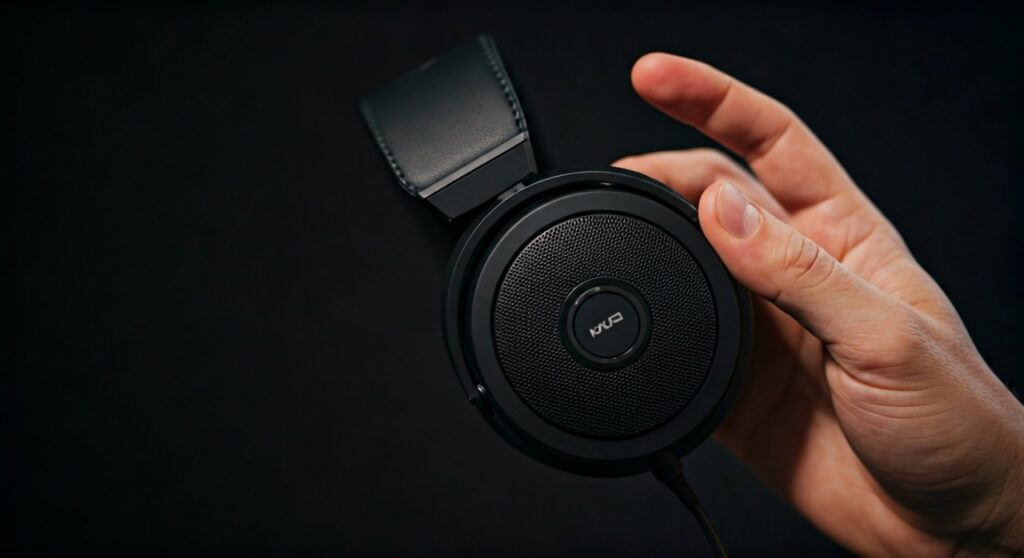
Loose headphones are more than just a minor annoyance; they compromise passive noise isolation, ruin the low-end frequency response, and cause physical discomfort during movement. Whether you are a professional studio engineer or a casual commuter, achieving the right clamping force is essential for both audio fidelity and long-term ergonomics.
I have spent over a decade testing hundreds of pairs of headphones, from the flexible Bose QuietComfort series to the rigid Sennheiser HD 600 monitors. I know the frustration of a high-end investment sliding off your head. This guide provides field-tested methods to restore that “out-of-the-box” tightness without snapping your expensive gear.
Key Takeaways: Quick Fixes for Loose Headphones
If you are in a rush, here is a summary of the most effective methods to tighten headphones based on their material and construction:
| Method | Best For | Risk Level | Effectiveness |
|---|---|---|---|
| Manual Bending | Metal Headbands | Moderate | Very High |
| Reverse Stretching | Plastic/Hybrid Frames | Low | Moderate |
| Thicker Ear Pads | All Over-Ear Models | Very Low | High |
| Headband Wraps | Large Frames/Small Heads | Very Low | High |
| Rubber Band Hack | Emergency/Gym Use | Low | Temporary |
Understanding Why Your Headphones Are Loose
Before you start bending your gear, it is crucial to understand the “why” behind the wiggle. Most headphones lose their grip due to material fatigue or padding compression.
Headband Tension (Clamping Force) is the amount of pressure the earcups exert against your head. Over time, the internal spring (usually steel or reinforced plastic) loses its elasticity. This is especially common in “heavy-duty” headphones like the Audio-Technica ATH-M50x if they are frequently stretched over large objects.
Ear Pad Compression is another culprit. The foam inside your Sony WH-1000XM5 or Bose pads eventually collapses. When the pads get thinner, the distance between the drivers and your ears increases, making the overall fit feel loose and insecure.
Method 1: The “Reverse Stretch” Technique (Safe for Most)
The most common advice for tight headphones is to stretch them over books to loosen them. To make headphones tighter, we simply reverse this logic.
- Identify a narrow object: Find an object slightly narrower than your head, such as a stack of small books or a specialized headphone stand with a slim profile.
- Clamp the headphones: Place your headphones over the narrow object so the earcups are pressed inward toward each other.
- Secure with a strap: Use a velcro strap or a soft cloth tie to gently pull the earcups even closer together while they are on the object.
- Wait 24-48 hours: Leave them in this “over-clamped” position. This allows the molecules in the plastic or metal to “reset” into a tighter arc.
I have used this method on Sennheiser plastic frames with great success. It is a slow process, but it minimizes the risk of sudden snaps.
Method 2: Manually Bending Metal Headbands
If your headphones feature a spring steel or aluminum core (like many Beyerdynamic or Hifiman models), you can use manual force. This is the most effective way to tighten headphones permanently.
How to Bend Safely:
- Locate the Apex: Find the center point of the headband.
- Grip Firmly: Place your thumbs on the underside of the headband and your fingers on the top.
- Apply Gradual Pressure: Slowly bend the metal inward. Do not do this in one quick motion; instead, use a series of small, controlled pulses.
- Test Frequently: Put the headphones on after every few bends to check the fit. It is much easier to bend them “just a bit more” than it is to fix an over-tightened pair.
Expert Tip: Be extremely careful with Grado headphones or older Sony monitors. If the metal is aged, it can become brittle. I always recommend warming the metal slightly with your hands before bending to increase malleability.
Method 3: Upgrading to Thicker Ear Pads
Sometimes the frame isn’t the problem—it’s the depth of the cushions. If you find yourself asking how to make headphones tighter without messing with the structure, aftermarket ear pads are the answer.
Brands like Dekoni Audio and Wicked Cushions create “XL” or “Pro” versions of pads for popular models. These pads are often 5mm to 10mm thicker than stock pads.
- Increased Depth: The extra thickness takes up more space between the driver and your head, naturally increasing the pressure.
- Improved Seal: Memory foam pads conform to the shape of your skull, preventing the headphones from sliding during movement.
- Sound Enhancement: Thicker pads often improve bass response by creating a better acoustic seal.
I recently swapped the worn-out pads on a pair of Bose QC35 IIs for high-density memory foam versions. The difference in stability was immediate; they no longer slipped when I leaned forward.
Method 4: Using Headband Covers and Cushions
If the headphones are sliding down because the “arc” is too large for your head, you need to “fill the gap” at the top. A headband cushion or wrap is a DIY-friendly way to tighten headphones.
- Purchase a Knit or Neoprene Cover: These are widely available on Amazon and often zip or snap over your existing headband.
- Add Internal Padding: Before zipping the cover, insert a strip of foam rubber or a folded piece of microfiber cloth inside the wrap.
- Position at the Crown: This extra padding pushes the earcups higher up on your ears and creates a more secure vertical fit.
This is a favorite hack among the audiophile community for “one-size-fits-all” headphones that are simply too large for smaller head shapes.
Method 5: The “Rubber Band” Quick Fix
If you are at the gym or in the middle of a gaming session and need an instant solution for how to tighten headphones, use a heavy-duty rubber band or a hair tie.
- The Cross-Tension Move: Loop a strong rubber band around the “yoke” (the part where the earcup meets the headband) on both sides.
- Pulling Inward: The tension of the rubber band will pull the earcups toward each other, artificially increasing the clamping force.
While this looks a bit “DIY,” it is remarkably effective for high-intensity activities. Just ensure the rubber band isn’t pressing against any delicate wires.
How Headphone Tightness Affects Your Audio Experience
Tightening your headphones isn’t just about comfort; it’s about audio performance. When headphones are too loose, you suffer from sub-bass roll-off.
- Acoustic Seal: Most headphones are tuned to perform best when the ear pads create an airtight seal against your skin.
- Frequency Response: If there is a gap, the long-wavelength bass notes escape before they reach your ear canal.
- Noise Cancellation: For ANC (Active Noise Cancelling) headphones like the Apple AirPods Max, a loose fit renders the technology nearly useless, as external noise will leak in physically.
When Should You Replace Your Headphones?
While the methods above solve 90% of fit issues, some headphones are beyond repair. If you see stress fractures (white lines) in the plastic headband or if the internal ratcheting mechanism (the clicks used to adjust size) is stripped, it may be time for a new pair.
Trying to tighten headphones with structural cracks is dangerous, as they can snap and cause injury near your eyes or ears. If the “frame” is dead but the “drivers” are great, look into replacement headband kits available for brands like Sennheiser or Beyerdynamic.
Frequently Asked Questions (FAQs)
Will bending my headphones void the warranty?
In most cases, yes. Physical modification or “accidental damage” caused by bending is usually not covered by standard warranties from brands like Sony or Bose. Always try the padding method first if your device is still under warranty.
Can I use a hair dryer to soften plastic before bending?
It is risky. While heat makes plastic more pliable, it is very easy to overheat and melt the internal wiring or the plastic itself. If you do use a hair dryer, keep it on a low heat setting and at least 6 inches away from the device.
My headphones are tight enough, but they keep sliding forward. What should I do?
This is often a “grip” issue rather than a “tightness” issue. Try cleaning your ear pads with a damp cloth to remove oils. You can also add small strips of silicone grip tape to the underside of the headband to increase friction against your hair.
How tight should headphones actually be?
You want a “firm handshake” feel. They should stay in place if you shake your head “no,” but they should not cause a “throbbing” sensation or headaches after 30 minutes of use. This is known as clamping fatigue.
Does increasing tightness damage the ear pads?
Yes, increased clamping force will cause foam to compress faster. If you make your headphones tighter, expect to replace your ear cushions slightly more often (typically every 12-18 months) to maintain comfort.