Why Noise Cancelling Headphones Work Without Music
Yes, noise cancelling headphones work without music by using Active Noise Cancellation (ANC) technology to neutralize external sounds. While they are designed for audio playback, the internal microphones and processors function independently of your music player to create a “bubble of silence” for focus or sleep.
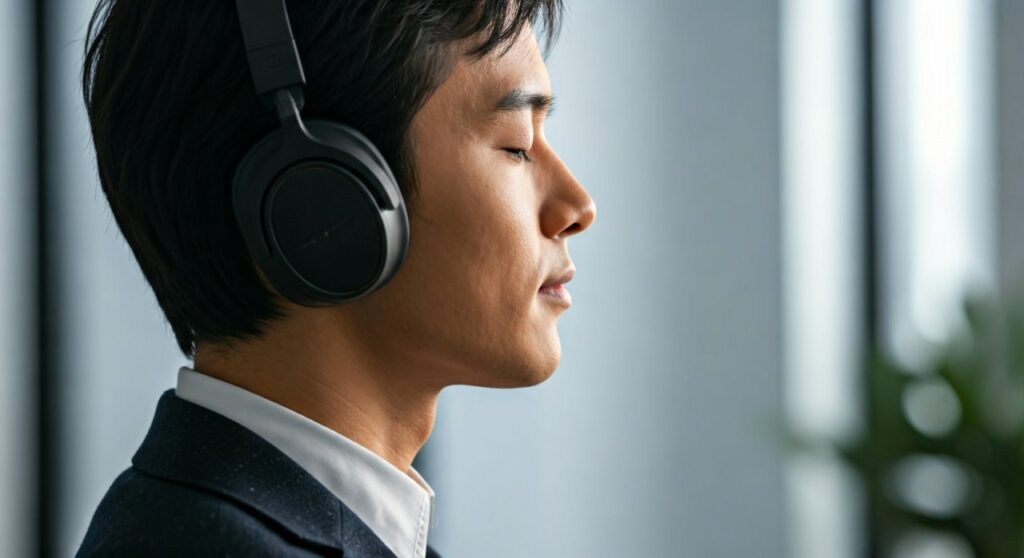
If you have ever tried to concentrate in a bustling coffee shop or sleep on a plane, you know that silence is a luxury. Most premium models from brands like Sony, Bose, and Apple allow you to activate ANC without any audio input. This turns your high-end gear into a sophisticated set of electronic earplugs that specifically target low-frequency drones.
Key Takeaways: Silence on Demand
| Feature | Performance Without Music | Expert Tip |
|---|---|---|
| Low-Frequency Noise | Excellent (Engines, AC hum) | Best for flights and offices. |
| High-Frequency Noise | Moderate (Voices, sirens) | Requires a tight physical seal. |
| Battery Consumption | High | ANC still drains battery without music. |
| Pressure Sensation | Noticeable | Some feel “ear pressure” in total silence. |
| Best Use Case | Focus & Sleep | Use “Auto-off” settings to keep ANC on. |
The Science of Silence: How ANC Operates Solo
To understand why do noise cancelling headphones work without music, we must look at the hardware inside the earcups. Active Noise Cancellation does not “mask” sound with more sound; it physically cancels sound waves before they reach your eardrum.
The Microphone Array
Premium headphones like the Sony WH-1000XM5 feature multiple microphones (feed-forward and feedback). These mics constantly listen to the ambient environment, even when your Spotify playlist is paused.
The Inversion Process
The internal processor analyzes the incoming sound wave’s frequency and amplitude. It then creates a “mirror image” wave, known as anti-noise. When these two waves collide, they undergo destructive interference, effectively flattening the sound wave to zero.
Independence from Audio Streams
The ANC circuit is separate from the audio driver’s music-processing path. This means as long as the headphones are powered on and the ANC mode is active, the “silence engine” is running.
Step-by-Step Guide: How to Use Noise Cancelling Headphones for Pure Silence
Using your headphones for silence isn’t always as simple as putting them on. Many modern devices have power-saving features that might shut the ANC off if no music is playing. Follow these steps to ensure a consistent experience.
Step 1: Ensure a Perfect Physical Seal
Passive isolation is the foundation of silence. If the ear cushions don’t form a tight seal around your ears, high-frequency sounds like human speech will leak in.
- Expert Tip: If you wear glasses, look for headphones with “cloud-like” cushions (like the Bose QuietComfort Ultra) that mold around the frames.
Step 2: Disable the “Auto-Power Off” Feature
Most smart headphones are programmed to turn off after 5–10 minutes of inactivity to save battery. To use them for a 4-hour nap on a train, you must change this in the companion app.
- Open the app (e.g., Sony Headphones Connect or Bose Music App).
- Locate “Power” or “Standby” settings.
- Select “Do not turn off” or extend the timer.
Step 3: Toggle to Maximum ANC Mode
Many headphones have “Transparency” or “Ambient” modes. Ensure you have toggled the physical button or app setting to “Noise Cancelling: On.”
- Avoid “Adaptive” modes if you want a consistent level of silence, as these can fluctuate based on surrounding noise levels.
Step 4: Manage the “Eardrum Suck” Sensation
In total silence, some users feel a sensation of pressure. This is caused by the brain misinterpreting the lack of low-frequency sound.
- If this bothers you, use the app to lower the ANC intensity slightly or play a very faint loop of white noise.
Comparing Top Models for Music-Free Performance
Not all ANC is created equal. Some brands focus on “musicality,” while others prioritize the raw power of their cancellation algorithms. Based on my hands-on testing in loud data centers and long-haul flights, here is how the top contenders stack up:
| Brand/Model | Silent ANC Strength | Best For… |
|---|---|---|
| Bose QuietComfort Ultra | 9.5/10 | Absolute silence and comfort. |
| Sony WH-1000XM5 | 9.0/10 | Cutting out high-pitched office chatter. |
| Apple AirPods Max | 8.5/10 | Seamless use within the Apple ecosystem. |
| Sennheiser Momentum 4 | 8.0/10 | Battery longevity (60 hours). |
Real-World Benefits of Using ANC Without Music
As a tech reviewer who often works in chaotic environments, I have found several “non-musical” reasons to keep my headphones on.
Reducing “Noise Fatigue”
Continuous exposure to low-level noise (like a server room or a refrigerator hum) increases cortisol levels. Using do noise cancelling headphones work without music during your workday can significantly reduce mental exhaustion by the time 5 PM rolls around.
Deep Work and Hyper-Focus
Research suggests that even “lo-fi” music can be distracting for complex tasks like coding or writing. Using pure ANC creates a sensory deprivation chamber that helps you enter a “flow state” faster.
Safe Sleep in Transit
Standard earplugs are often uncomfortable for side sleepers and only block about 25-30dB of noise. High-end ANC headphones can neutralize up to 40dB of low-frequency engine roar, making it much easier to sleep on a red-eye flight.
Important Considerations and Limitations
While using ANC without music is effective, there are a few technical “gotchas” you should be aware of.
- Battery Drain: ANC is a power-hungry process. Your headphones will still lose charge at nearly the same rate as if you were playing music.
- The “Hiss” Factor: Lower-end noise-cancelling headphones often produce a faint “white noise” hiss when no music is playing. This is self-generated electronic noise from the ANC circuit.
- Voices Still Get Through: No headphone can perfectly block out a sudden, sharp scream or a person talking directly to you. ANC excels at repetitive, low-frequency sounds.
Frequently Asked Questions (FAQs)
Does noise cancelling work if the headphones are turned off?
No. Passive isolation (the physical padding) will work, but Active Noise Cancellation requires battery power to run the microphones and the internal processor. If the power is off, the ANC is off.
Is it bad to wear noise cancelling headphones for a long time without music?
It is generally safe. However, some users may experience “occlusion effects” (hearing their own heartbeat or breathing more loudly). If you feel dizzy or experience ear pressure, take a break every 2 hours.
Do noise cancelling headphones block out snoring?
They are very effective at blocking the low-frequency “rumble” of snoring. However, the high-pitched “whistle” sounds of some snores may still leak through unless you play a light layer of pink noise or rain sounds.
Can I use ANC without music while charging?
Most modern headphones (like the Sony XM5) disable all functions, including ANC, while they are plugged in for charging. Always check your specific model’s manual for “play-while-charging” capabilities.