Do Headphones Explode? Understanding the Risks and Realities
Yes, headphones can explode, but the risk is almost exclusively limited to wireless Bluetooth headphones powered by Lithium-ion (Li-ion) batteries. While the statistical probability of your headphones exploding is extremely low—estimated at less than one in a million—it typically occurs due to thermal runaway caused by physical damage, manufacturing defects, or improper charging. Wired headphones do not contain batteries and therefore cannot explode on their own.
In this guide, we will analyze the technical causes of headphone battery failure, identify warning signs, and provide a step-by-step safety protocol to ensure your audio gear remains safe.
Key Takeaways: Everything You Need to Know
If you are looking for a quick summary of headphone safety, here are the essential points:
- Primary Cause: The vast majority of incidents involve Lithium-ion battery failure in wireless models.
- Wired Safety: Can wired headphones explode? No. They lack an internal power source capable of combustion.
- Thermal Runaway: This is the chemical process where a battery enters an uncontrollable self-heating cycle, leading to fire or a small explosion.
- The “3 S” Warning Signs: If your headphones are Swelling, Sizzling, or smelling Sweet/Metallic, stop using them immediately.
- Prevention: Use original charging cables and avoid exposing your gear to direct sunlight or extreme temperatures.
Can Headphones Explode? The Science of Thermal Runaway
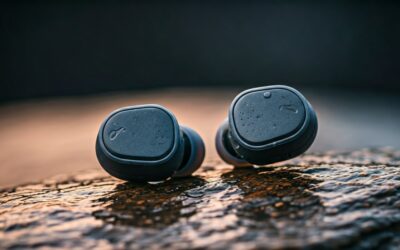
To understand why headphones explode, we must look at the energy density of modern electronics. Most wireless headphones, including Apple AirPods, Sony WH-1000XM5, and Bose QuietComfort, rely on Lithium-ion or Lithium-polymer batteries. These batteries store a significant amount of energy in a very small space.
An explosion occurs when the thin separator between the battery’s anode and cathode is breached. This causes a short circuit, generating immense heat. This heat triggers a “thermal runaway” loop where the temperature rises so fast the battery casing cannot contain the pressure, resulting in a burst of flame or a loud “pop.”
Common Triggers for Battery Failure
- Manufacturing Defects: Tiny microscopic metal particles (contaminants) inside the battery cell can pierce the separator over time.
- Physical Trauma: Dropping your headphones or crushing them can dent the battery housing, leading to internal shorts.
- Overcharging: Using high-wattage “fast chargers” not rated for your headphones can overwhelm the Battery Management System (BMS).
- Environmental Heat: Leaving headphones in a hot car (which can reach 170°F) degrades the chemical stability of the battery.
Can Headphones Explode in Your Ears? Assessing the Danger
The question “can headphones explode in your ears?” is the primary concern for most users. While there have been documented cases—such as the 2017 incident where a woman’s headphones sparked on a flight to Melbourne—these events are statistically rare.
When a battery fails while being worn, the danger is twofold: thermal burns and shrapnel. Because the battery is housed in plastic or metal near your temple or inside your ear canal (in the case of earbuds), the proximity increases the risk of injury. However, most modern headphones have built-in thermal fuses that cut power if temperatures exceed safe thresholds (usually 60°C or 140°F).
Can Wired Headphones Explode? Why Cables Are Safer
If you are concerned about battery safety, you might ask: can wired headphones explode? The answer is a definitive no.
Wired headphones function by receiving a low-voltage analog signal from your phone or amplifier. They do not have:
- An internal battery.
- A charging circuit.
- Chemical energy storage.
The only way a wired headphone could “explode” is if the device they are plugged into (like a faulty laptop) sends a massive surge of electricity through the wire, but even then, the drivers would simply “pop” and smoke—they would not produce a battery-style explosion.
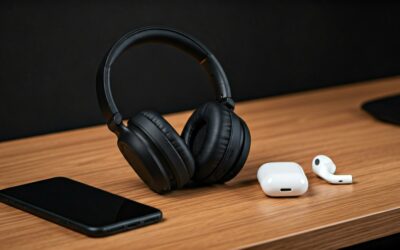
Comparing the Risks: Wireless vs. Wired Headphones
| Feature | Wireless/Bluetooth Headphones | Wired Headphones |
|---|---|---|
| Power Source | Internal Lithium-ion Battery | External (Phone/Amp) |
| Explosion Risk | Low (but possible) | Zero |
| Main Danger | Thermal Runaway | None (Cable tripping hazard only) |
| Safety Hardware | Battery Management System (BMS) | None needed |
| Heat Sensitivity | High (Damaged by sun/heat) | Low |
Step-by-Step Guide: How to Prevent Your Headphones from Exploding
Based on my years of experience testing audio hardware and analyzing consumer electronics safety, follow these steps to maximize your safety.
Step 1: Use the Correct Charging Equipment
Always use the charging cable provided in the box. Many people make the mistake of using a MacBook Pro 96W charger for their small earbuds. While USB-C is designed to negotiate power, a cheap or damaged high-wattage brick can sometimes bypass safety protocols and overstress the battery.
Step 2: Inspect for Physical Deformities
Periodically look at your headphones. Is the casing bulging? If the plastic appears “puffed up,” the Lithium-ion battery has off-gassed. This is a clear sign of failure. Do not plug them in; take them to a certified e-waste center immediately.
Step 3: Avoid Extreme Temperatures
Never leave your headphones:
- On a car dashboard.
- In direct sunlight at the beach.
- Near a space heater.
Lithium batteries thrive at room temperature. Heat accelerates the chemical breakdown that leads to internal shorts.
Step 4: Don’t Sleep in Wireless Headphones
Sleeping in headphones puts “lateral stress” on the earcups or earbuds. This pressure can compress the internal battery over several hours. If you must sleep with audio, switch to wired “sleep phones” which have no battery components.
Step 5: Replace Aged Batteries
Most Lithium-ion batteries are rated for 300 to 500 charge cycles. After 2-3 years, the battery chemistry becomes less stable. If your headphones are getting excessively hot during use or charging, it is time to upgrade or replace the battery.
Warning Signs: How to Tell if Your Headphones are Unsafe
Before a battery fails, it often gives off warning signs. If you notice any of the following, remove the headphones from your head immediately:
- Excessive Heat: If the earcup feels uncomfortably hot to the touch (above 110°F).
- The “Sweet” Smell: A failing Li-ion battery leaks electrolytes that often smell like sweet, fruity chemicals or metallic ozone.
- Hissing or Popping: Internal pressure escaping the battery casing often sounds like a faint “fizz” or “hiss.”
- Rapid Battery Drain: If your headphones go from 100% to 0% in minutes, the internal cells are likely damaged and unstable.
What to Do if Your Headphones Catch Fire
In the extremely unlikely event that you see smoke or flames coming from your headphones, follow these expert-vetted safety steps:
- Do Not Use Water: If it is a battery fire, water can sometimes react with the lithium. Use a Class ABC fire extinguisher or smother it with baking soda.
- Disconnect Power: If the headphones are charging, pull the plug from the wall (not the cable from the headphones) to stop the current.
- Isolate the Device: Use a non-flammable tool (like metal tongs) to move the device onto a concrete floor or into a metal pot away from curtains or carpets.
- Let it Cool: Wait at least 24 hours before handling the device, as “re-ignition” is common in battery fires.
Expert Perspective: The Role of Certification (UL & CE)
When purchasing headphones, I always recommend looking for the UL (Underwriters Laboratories) or CE (Conformité Européenne) markings. These certifications mean the manufacturer has passed rigorous stress tests, including:
- Overcharge testing
- Short-circuit simulation
- Crush and impact testing
Buying “no-name” or “knock-off” headphones from unverified online marketplaces is the #1 way users end up with dangerous batteries. Counterfeit AirPods are notorious for skipping the expensive Battery Management Systems that prevent explosions.
Frequently Asked Questions (FAQs)
Can cheap headphones explode more easily?
Yes. Inexpensive, unbranded headphones often use lower-grade Lithium-ion cells and lack robust BMS (Battery Management Systems) that protect against overcharging and overheating.
Can headphones explode if they get wet?
Yes, but not directly from the water. Water causes internal corrosion and short circuits. If water reaches the battery terminals, it can trigger a short that leads to thermal runaway. If your headphones get wet, dry them for 48 hours before turning them on.
Is it safe to use headphones while they are charging?
Generally, yes, if they are from a reputable brand like Sony or Bose. These brands design their circuitry to manage heat. However, using them while charging does generate more heat than usual, so it is safer to let them charge fully before use.
Can noise-canceling headphones explode?
The Active Noise Canceling (ANC) feature itself doesn’t cause explosions. However, ANC headphones require batteries to function, and it is that battery—not the ANC technology—that carries the risk.
Can Bluetooth signals cause an explosion?
No. Bluetooth signals are low-frequency radio waves and do not have the energy required to ignite a battery or cause a physical explosion. The risk is strictly chemical and electrical within the battery cell.
**
**
**
**