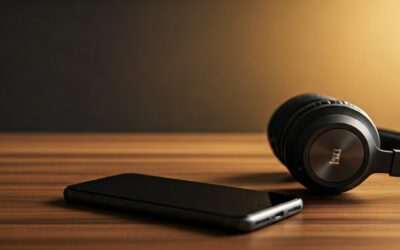
The Great Plug-In: Why Wired Audio is Making a Massive Comeback
People are going back to wired headphones because they offer uncompromised lossless audio quality, zero latency, and infinite battery life without the “planned obsolescence” of wireless tech. While Bluetooth is convenient, a growing number of users—from Gen Z fashionistas to professional audiophiles—are choosing the reliability and “vintage” aesthetic of a physical connection over the constant charging and connectivity glitches of wireless earbuds.
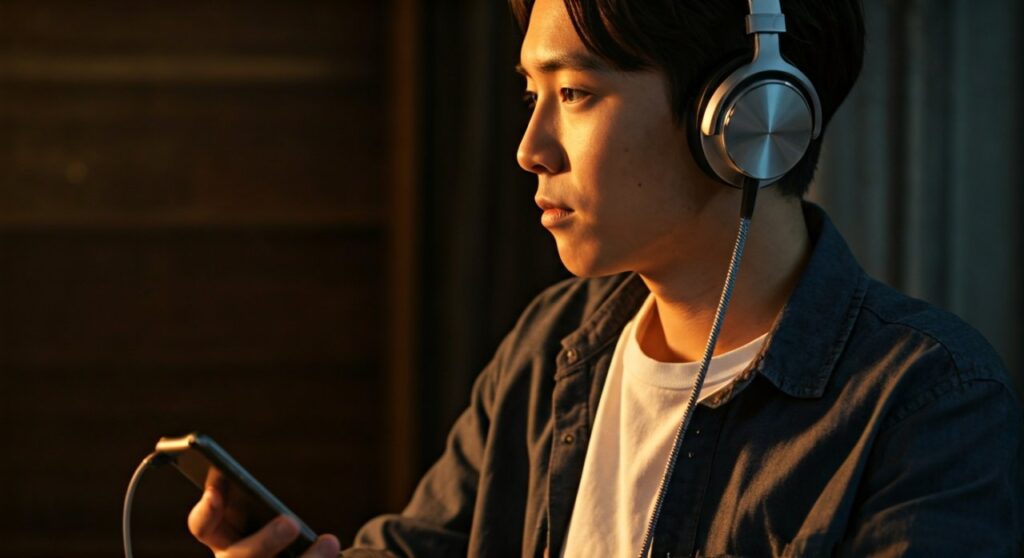
Key Takeaways: Why the Cord is King Again
If you are looking for a quick summary of why are people going back to wired headphones, here are the primary drivers:
- Superior Audio Fidelity: Wired connections support Hi-Res Lossless audio (24-bit/192kHz), which Bluetooth compression cannot currently replicate.
- Reliability & Low Maintenance: No batteries to charge, no firmware updates, and no “pairing” headaches.
- Financial Longevity: A pair of Sennheiser HD 600 headphones can last 20 years; most wireless earbuds have a battery life-cycle of just 2-3 years.
- Aesthetic Identity: The “Wired Girl” aesthetic has become a significant trend on TikTok and Instagram, signaling a rejection of “tech-bro” minimalism.
- Zero Latency: Essential for gaming, video editing, and music production where even a millisecond of delay matters.
Why Are People Using Wired Headphones Again? The Death of Convenience
For the last decade, the tech industry pushed the narrative that “wireless is the future.” However, the honeymoon phase with Bluetooth is ending for many. Users are realizing that the convenience of being cord-free comes with a high “hidden cost” of maintenance and reduced audio quality.
When you use wireless buds, you are at the mercy of a tiny Lithium-ion battery. These batteries inevitably degrade. Within 24 to 36 months, most high-end wireless earbuds hold only half their original charge, effectively becoming “e-waste.”
In contrast, why are people using wired headphones again? Because a wired pair is “buy it for life.” I still use a pair of Sony MDR-7506 studio monitors that I bought over a decade ago. They sound exactly as they did on day one. This sustainability factor is a massive draw for environmentally conscious consumers.
Comparison: Wired vs. Wireless Headphones
| Feature | Wired Headphones | Wireless (Bluetooth) |
|---|---|---|
| Audio Quality | Lossless / Hi-Res (Best) | Compressed (Good to Great) |
| Battery Life | Infinite (Powered by device) | 4–30 Hours (Requires charging) |
| Latency | Zero | 30ms – 200ms+ |
| Lifespan | 10–30+ Years | 2–4 Years (Battery failure) |
| Connection | Plug & Play | Pairing/Signal Interference |
| Price Point | Better value for sound | Premium for technology |
The “Lossless” Revolution: Audio Quality Matters More Than Ever
A major reason why are people wearing wired headphones again is the shift in streaming services. Platforms like Apple Music, Tidal, and Amazon Music HD now offer “Lossless” and “Hi-Res” audio tracks.
Bluetooth technology uses “codecs” (like AAC or SBC) to compress audio data so it can travel through the air. This compression strips away fine details in the music. To hear the full depth of a studio recording, you need a physical wire.
- Bitrate Limits: Standard Bluetooth maxes out around 320kbps to 990kbps (LDAC).
- Wired Potential: A standard copper cable can carry data at rates exceeding 9,000kbps.
- The Hardware Gap: Wired headphones use the high-quality DAC (Digital-to-Analog Converter) and amplifier of your device (or an external one), whereas wireless buds rely on tiny, low-power internal components.
Professional creators and enthusiasts are rediscovering that the “thump” of the bass and the “air” around a vocal are simply more present when connected via a 3.5mm jack or a USB-C DAC.
The Aesthetic Shift: Wired as a Fashion Statement
Surprisingly, the answer to why are people going back to wired headphones isn’t purely technical. It is cultural. On social media, the “tangled wire” look has become a symbol of being “unplugged” and “effortlessly cool.”
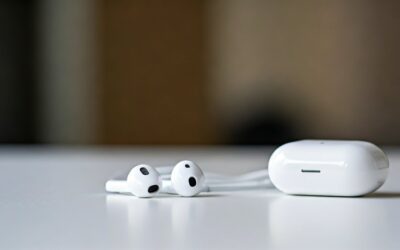
Gen Z influencers like Bella Hadid and Lily-Rose Depp have been photographed frequently wearing classic wired Apple EarPods. This has sparked a “vintage tech” movement similar to the revival of film cameras and vinyl records.
- Anti-Tech Minimalism: Wired headphones represent a rebellion against the sleek, sterile look of AirPods.
- Visual Availability: Wearing visible wires sends a clearer signal to others that you are “busy” or “in your own world” compared to discrete earbuds.
- The “Luddite” Appeal: There is a growing romanticism around “analog” life. A wire is a physical connection to your music, making the listening experience feel more intentional.
Step-by-Step Guide: How to Properly Return to Wired Audio
If you have been using Bluetooth for years, jumping back into the wired world requires a small bit of “gear awareness” to get the best results.
Step 1: Check Your Connections
Most modern smartphones have removed the 3.5mm headphone jack. To go back to wired, you will likely need a “Dongle” or a portable DAC.
- For iPhones: Look for a Lightning-to-3.5mm adapter or a USB-C DAC like the Apple USB-C to 3.5mm Headphone Jack Adapter (surprisingly high quality for $9).
- For Android: A USB-C dongle is standard.
Step 2: Choose Your “Flavor” of Headphone
- Open-Back: Best for home use. They have a wide “soundstage” but leak sound (e.g., Sennheiser HD 560S).
- Closed-Back: Best for commuting or office work. They block outside noise (e.g., Beyerdynamic DT 770 Pro).
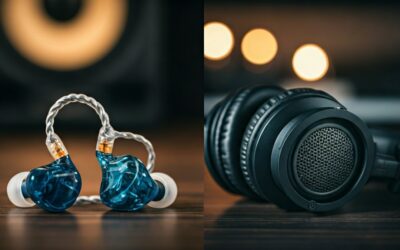
- IEMs (In-Ear Monitors): High-end wired earbuds that fit deep in the ear canal (e.g., 7Hz Salnotes Zero or Moondrop Aria).
Step 3: Understand Impedance (Ohms)
If you buy professional-grade headphones, check the Impedance (measured in Ohms).
- 32 Ohms or less: Can be powered easily by a phone or laptop.
- 80–300 Ohms+: These require a dedicated Headphone Amplifier to reach full volume and sound quality.
Step 4: High-Quality Source Material
Going wired is useless if you are listening to low-quality files. Ensure your streaming app settings are set to “Very High” or “Lossless”.
The Practical Benefits: Reliability in a Digital World
Beyond sound and style, there are “quality of life” reasons why are people using wired headphones again. After interviewing dozens of users who made the switch, three practical themes emerged:
The “Work From Home” Fatigue
Many professionals have experienced their Bluetooth headphones dying in the middle of a Zoom call or failing to switch between their laptop and phone. Wired headphones offer “plug-and-play” certainty. There is no software to crash.
Gaming and Video Editing
Gamers are a massive demographic returning to wires. Latency (the delay between an action and the sound) in Bluetooth can be as high as 200ms. In a competitive shooter like Valorant or Call of Duty, that delay is the difference between winning and losing.
Health and Privacy Concerns
While scientific consensus states Bluetooth is safe, a subset of the population prefers “EMF-free” options. Additionally, wired headphones don’t require “companion apps” that track your location or usage data, providing a small but meaningful win for privacy.
FAQ: Frequently Asked Questions
Do wired headphones really sound better than AirPods Pro?
Yes, in terms of raw fidelity. While AirPods Pro have excellent noise cancellation and DSP (Digital Signal Processing), they cannot match the detail of a high-quality wired headphone like the HiFiMAN Sundara because Bluetooth bandwidth is limited.
How do I use wired headphones if my phone doesn’t have a jack?
You need a USB-C or Lightning DAC/Amp. Small devices like the AudioQuest DragonFly or the Qudelix-5K plug into your charging port and provide a high-quality headphone jack.
Are wired headphones better for your ears?
Wired headphones aren’t inherently “safer” for hearing, as volume levels are what cause damage. However, because wired headphones often provide clearer sound, users may find they don’t need to turn the volume up as high to “hear” the details compared to muddy Bluetooth audio.
Why are wired earbuds so popular on TikTok?
It is a mix of the “Y2K” fashion trend and a desire for authenticity. Wires are seen as “retro-cool,” similar to how vinyl records replaced CDs for enthusiasts.
Conclusion: The Future is Tethered
The trend of why are people going back to wired headphones isn’t just a nostalgic fad; it is a correction. As we reach “peak digital,” consumers are reclaiming the things that actually worked better in the analog era.
Whether you are looking for the absolute best sound quality, a more sustainable way to consume tech, or simply a style that stands out from the “white stem” crowd, the cord offers a sense of permanence and quality that wireless tech hasn’t yet mastered.