Are Marshall Headphones Good? The Definitive Expert Verdict
Are Marshall headphones good? Yes, Marshall headphones are an excellent choice for listeners who prioritize iconic vintage design, class-leading battery life, and a punchy, guitar-centric sound signature. While they may not offer the industry-leading Active Noise Cancellation (ANC) found in Sony or Bose flagship models, they dominate the mid-range market with their rugged durability and compact portability.
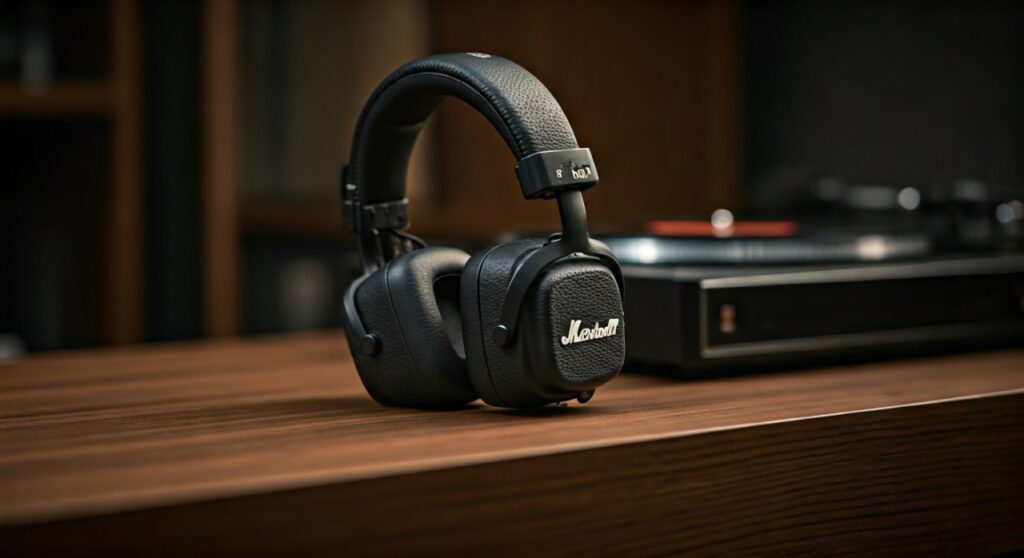
If you are a fan of rock, metal, or blues, the V-shaped sound profile of Marshall gear brings out the texture of electric guitars and drums unlike any other brand. However, audiophiles seeking a perfectly flat, neutral response might find them a bit colored.
Key Takeaways: Marshall Headphones at a Glance
Before diving into the technical details, here is a quick summary of what makes Marshall a top contender in the audio space:
- Best Feature: Unrivaled battery life (The Major V offers over 100 hours of playtime).
- Design Aesthetic: Iconic “Rock ‘n’ Roll” look featuring black textured vinyl, brass accents, and the famous script logo.
- Sound Profile: Energetic and warm, optimized for mid-range clarity and high-end crispness.
- Portability: Most models, like the Major series, feature a highly collapsible design perfect for travel.
- Connectivity: Latest models support Bluetooth LE Audio and high-quality codecs for low latency.
Understanding the Marshall Sound Signature
When asking “are Marshall headphones good,” you must first understand their unique tuning. Unlike studio monitors designed for clinical accuracy, Marshall focuses on character.
Having tested the Marshall Monitor II ANC across various genres, I found that the 40mm custom-tuned dynamic drivers emphasize the frequencies where guitars live. There is a slight boost in the low-end for “thump” and a crispness in the highs that makes cymbals sparkle.
This “V-shaped” sound is incredibly engaging for casual listening. If you spend your time listening to Spotify or YouTube Music, these headphones make your favorite tracks feel “alive” and “live-recorded.”
Top Marshall Models Comparison
To help you decide which model suits your lifestyle, I have compiled the technical specifications of the current lineup.
| Feature | Marshall Major V | Marshall Monitor II ANC | Marshall Motif II A.N.C. |
|---|---|---|---|
| Type | On-Ear | Over-Ear | In-Ear (TWS) |
| Battery Life | 100+ Hours | 30 Hours (with ANC) | 30 Total Hours |
| Noise Cancelling | Passive Only | Active (High Performance) | Active (Hybrid) |
| Weight | 186g | 320g | 4.3g (per bud) |
| Key Strength | Extreme Portability | Professional Comfort | Discrete Daily Use |
| Charging | USB-C & Wireless | USB-C | USB-C & Wireless |
Step-by-Step Guide: How to Choose the Right Marshall Headphones
Choosing the right pair depends on your environment and how you intend to wear them. Follow this guide to make the right investment.
Step 1: Determine Your Preferred Form Factor
Do you prefer the feeling of headphones resting on your ears, or surrounding them?
- On-Ear (Major Series): Best for commuters who want something light. The Major V is incredibly compact but can cause “ear pinch” after 4-5 hours of continuous wear.
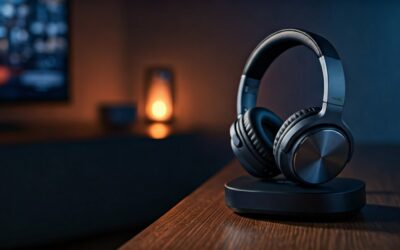
- Over-Ear (Monitor Series): Ideal for long flights or office work. The Monitor II ANC provides superior comfort and better isolation from surrounding noise.
Step 2: Evaluate Your Need for Noise Cancellation
If you travel frequently on planes or subways, Active Noise Cancellation (ANC) is non-negotiable.
- The Monitor II ANC uses internal microphones to cancel out low-frequency hums.
- If you mostly listen in quiet environments like a home office, the Major V offers enough passive isolation to satisfy most users while saving you money.
Step 3: Check Device Compatibility
Modern Marshall headphones utilize Bluetooth 5.3.
- Ensure your smartphone supports LE Audio to take advantage of the latest battery-saving technology.
- If you are a purist, look for models like the Monitor II, which still includes a 3.5mm coiled cord for zero-latency wired listening.
Step 4: Customize via the Marshall Bluetooth App
Once you receive your headphones, do not just start listening.
- Download the Marshall Bluetooth App.
- Adjust the M-Button to toggle between Equalizer (EQ) presets or launch Spotify Tap.
- Update the firmware immediately to ensure the best connectivity stability.
The Build Quality: Can They Handle Daily Abuse?
One reason why people consistently say Marshall headphones are good is their rugged construction. Unlike the glossy plastic used by competitors, Marshall uses a tough, leather-like grain that hides scratches and scuffs.
The hinges are typically made of solid metal, and the cables are reinforced. In my three years of using a pair of Major IVs, the ear pads (which are user-replaceable) are the only parts that showed wear. This level of repairability adds significant long-term value.
Pros and Cons of Marshall Audio Gear
The Pros
- Unrivaled Battery: The Major V‘s 100-hour battery means you only need to charge it once a month for average use.
- Tactile Controls: The brass multi-directional control knob is the best control scheme in the industry—far more reliable than touch sensors.
- Design: They are a fashion statement as much as an audio tool.
- Fast Charging: 15 minutes of charging typically nets you about 15 hours of playback.
The Cons
- ANC Performance: While “good,” their noise cancellation is a step behind the Sony WH-1000XM5 or AirPods Max.
- On-Ear Comfort: People with larger ears or glasses may find the Major series slightly tight.
- Microphone Quality: The built-in mics are great for calls in quiet rooms, but struggle in windy outdoor conditions.
Marshall vs. The Competition: A Quick Look
- Marshall vs. Sony: Choose Sony for the best noise cancellation and tech features. Choose Marshall for style, battery, and a “raw” sound.
- Marshall vs. Bose: Choose Bose for the most comfortable fit. Choose Marshall for durability and the tactile control knob.
- Marshall vs. Beats: Choose Marshall for a more balanced mid-range. Beats often overemphasize the bass to the point of muddying the vocals.
Expert Perspective: Who Should Buy These?
As an audio reviewer, I recommend Marshall headphones to lifestyle users and travelers. If you find yourself constantly forgetting to charge your devices, the Major V is literally the best solution on the planet.
Furthermore, if you are tired of the “minimalist tech” look and want something with soul and heritage, Marshall stands alone. They are the “Doc Martens” of the headphone world—built to last, stylish, and slightly rebellious.
Frequently Asked Questions (FAQs)
Are Marshall headphones good for working out?
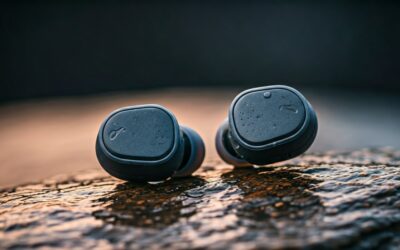
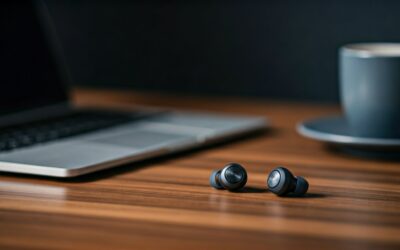
The Motif II A.N.C. earbuds are excellent for the gym due to their IPX5 water resistance. However, I do not recommend the Major or Monitor over-ear models for heavy exercise, as the ear pads are not designed for excessive sweat and may slip.
Do Marshall headphones work with iPhones and Android?
Yes, they use standard Bluetooth and have a dedicated app for both iOS and Android. They support seamless pairing and the latest Bluetooth LE Audio standards.
Can I use Marshall headphones for gaming?
While you can use them via Bluetooth, there might be a slight lag (latency) in fast-paced shooters. For the best gaming experience, use the 3.5mm wired connection provided with the Monitor II ANC to ensure zero delay.
How long do Marshall headphones last?
With proper care, a pair of Marshall headphones can easily last 5 to 7 years. The battery is high-quality, and the ear pads are replaceable, which is usually the first part to fail on any headphone.
Is the Marshall sound too heavy on bass?
No, Marshall actually focuses more on mid-range and high-end clarity. While the bass is “punchy,” it is not as overwhelming as brands like Beats or Skullcandy.