The Technical Answer: Are Earbuds Considered Headphones?
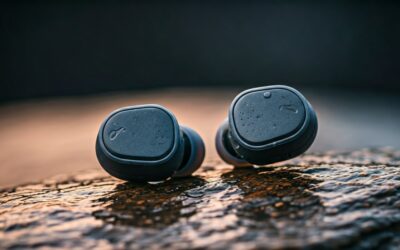
Are earbuds headphones? Yes, earbuds are technically a sub-category of headphones designed to be worn inside the ear rather than over or on top of it. In the audio industry, the term “headphones” serves as an umbrella category for any pair of small loudspeaker drivers worn on or around the head for private listening.
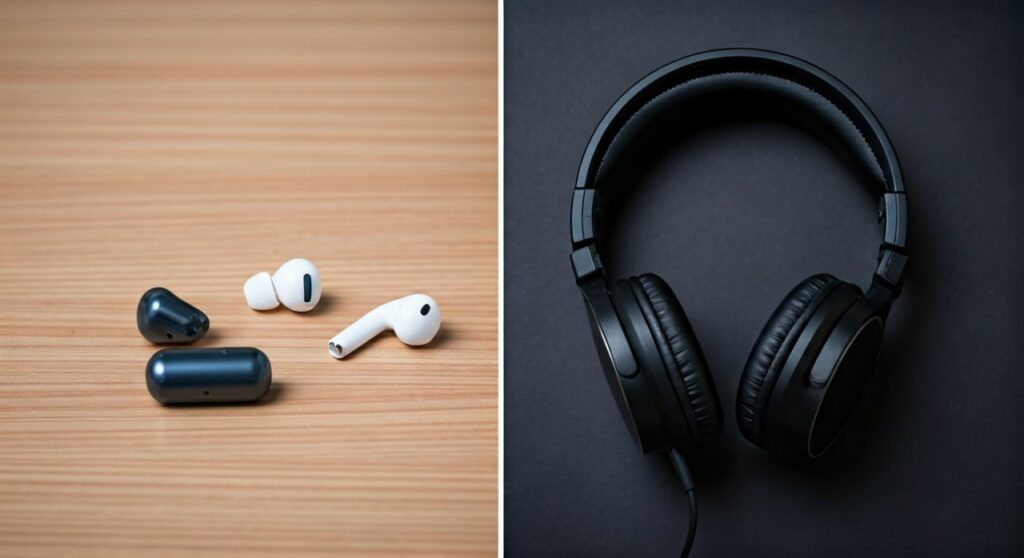
Whether you are using Apple AirPods, Sony WF-1000XM5 earbuds, or professional Sennheiser over-ear monitors, you are using a form of headphone technology. While the form factor differs significantly, the core function—converting electrical signals into sound waves via transducers—remains identical across all styles.
Key Takeaways: Earbuds vs. Headphones
If you are in a hurry, here is the essential breakdown of how these audio devices relate to one another:
- Classification: All earbuds are headphones, but not all headphones are earbuds.
- Terminology: Earphones and earbuds are often used interchangeably, though “earphones” typically refers to devices that seal the ear canal (IEMs).
- Portability: Earbuds prioritize mobility and compact design, making them the standard for “on-the-go” listening.
- Sound Quality: Traditional over-ear headphones generally offer a wider soundstage due to larger drivers, while high-end earbuds focus on passive noise isolation.
- Fit: Earbuds sit in the concha or ear canal; headphones use a headband to distribute weight across the skull.
Understanding the “Headphone” Umbrella
To understand why are earbuds headphones, we have to look at the hierarchy of personal audio. In the engineering world, a “headphone” is simply a tool that holds a speaker close to the user’s ear.
Over-Ear Headphones (Circumaural)
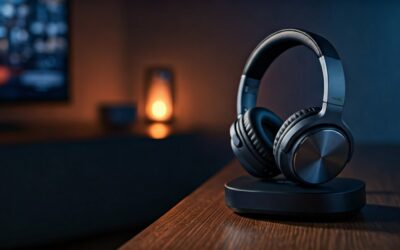
These feature large cushions that fully encompass the ears. They are the “standard” version of headphones and are preferred by audiophiles for their ability to reproduce deep bass and a sense of space.
On-Ear Headphones (Supra-aural)
These sit directly on the cartilage of the ear. They are smaller than over-ear models but larger than earbuds. They provide a middle ground for users who dislike the “plugged” feeling of in-ear devices.
Earbuds and Earphones
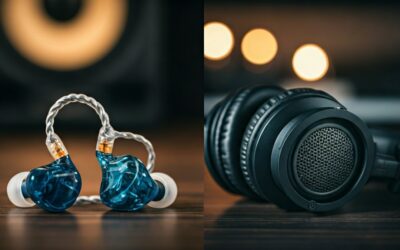
These are the ultra-portable members of the headphone family. They eliminate the headband entirely, relying on the anatomy of the ear to stay in place. This category includes everything from the cheap plastic buds bundled with old phones to high-fidelity In-Ear Monitors (IEMs).
Are Earphones Headphones? The Semantic Confusion
Many users ask, “are earphones headphones?” while searching for new gear. From a retail and technical perspective, the answer is a definitive yes.
In modern marketing, the word “earphones” has become a sophisticated synonym for earbuds. However, if you speak to an audio engineer, they might distinguish them based on how they interact with your ear canal:
- Earbuds: These sit in the outer ear (the concha). They do not create a seal, allowing some ambient noise to leak in. The original Apple EarPods are a classic example.
- Earphones (IEMs): These feature silicone or foam tips that insert into the ear canal. This creates a seal that blocks outside noise and improves bass response.
Despite these nuances, both fall under the broad definition of headphones because they are head-worn audio transducers.
Comparing Form Factors: Earbuds vs. Traditional Headphones
To help you decide which “headphone” style fits your lifestyle, look at the technical differences in this comparison table:
| Feature | Earbuds (In-Ear) | Over-Ear Headphones |
|---|---|---|
| Driver Size | Typically 6mm – 15mm | Typically 40mm – 50mm |
| Portability | High (Fits in a pocket) | Low (Requires a case/bag) |
| Noise Isolation | High (if sealed) | Excellent (Passive & Active) |
| Soundstage | Narrow/Intimate | Wide/Spacious |
| Comfort | Can cause ear fatigue | Can cause “hot ears” or pressure |
| Best Use Case | Commuting, Gym, Travel | Studio Work, Home Listening, Gaming |
How to Choose the Right Type of Headphone (Step-by-Step)
Choosing between earbuds and traditional headphones isn’t just about the name; it’s about your specific anatomy and usage habits. Based on my experience testing hundreds of units, here is the professional workflow for choosing your next pair.
Step 1: Identify Your Primary Environment
Where will you listen most? If you are a frequent traveler or a gym-goer, earbuds are the superior choice. Their sweat resistance (look for IPX4 ratings) and compact charging cases make them indispensable for movement. If you work in a quiet office or a home studio, the comfort of over-ear headphones is unbeatable for 8-hour sessions.
Step 2: Evaluate Your Sensitivity to “Occlusion”
Some people hate the feeling of something being “stuck” in their ear. This is called the occlusion effect, where your own voice sounds boomy or muffled. If you experience this, you should opt for open-back over-ear headphones or traditional non-sealing earbuds.
Step 3: Check for Driver Requirements
Do you crave heavy, sub-bass frequencies? Physics dictates that larger drivers move more air. While high-end earphones like the Shure SE846 use multiple “balanced armature” drivers to mimic big sound, a standard pair of 40mm dynamic driver headphones will almost always provide a more physical bass “thump” for the price.
Step 4: Determine Connection Needs
Are you looking for True Wireless Stereo (TWS)? This technology is most common in earbuds. If you require zero-latency audio for gaming or professional video editing, you should look for wired headphones or earbuds that support the aptX Low Latency codec.
The Technical Evolution: From Transducers to AirPods
The journey of how earbuds became headphones in the public consciousness started in the 1980s. Before the Sony Walkman, headphones were massive, heavy objects used primarily by pilots and radio operators.
In 1982, Sony released the MDR-E252, which many consider the first modern “earbud.” By shrinking the magnet and diaphragm, engineers proved that you could achieve “headphone” quality sound in a device the size of a marble.
Today, the line is even blurrier. With the advent of Spatial Audio and Active Noise Cancellation (ANC) in tiny earbuds like the Bose QuietComfort Ultra, the performance gap between earbuds and full-sized headphones is narrower than ever.
Expert Tips for Using Earbuds Safely
Since earbuds sit closer to the eardrum than traditional headphones, they require more care. As an audio professional, I recommend the 60/60 Rule:
- Volume Limit: Never exceed 60% of the maximum volume on your device.
- Time Limit: Limit your earbud usage to 60 minutes at a time before taking a break.
- Sanitization: Use 70% isopropyl alcohol on a cotton swab to clean the tips weekly. This prevents ear infections and maintains the acoustic transparency of the mesh.
Frequently Asked Questions
Are earbuds worse for your hearing than headphones?
Not necessarily. The risk depends on volume, not the device type. However, because earbuds don’t always block outside noise well, users tend to turn them up higher to drown out the world. Using Noise Cancelling Earbuds can actually protect your hearing by allowing you to listen at lower volumes.
Why do some people call earbuds “earphones”?
The terms are regional and marketing-based. In the UK and parts of Europe, earphones is the more common term. In the US, earbuds is the dominant slang. Both terms refer to the same category of head-worn audio gear.
Can earbuds provide “Studio Quality” sound?
Yes. Professional musicians use In-Ear Monitors (IEMs) on stage and in studios. These are high-end earbuds that offer precise frequency response and isolation that rivals even the most expensive over-ear studio monitors.
Are all earbuds wireless?
No. While TWS (True Wireless Stereo) is popular, many audiophiles prefer wired earbuds because they do not suffer from battery degradation or signal compression, providing a “purer” audio signal.
Do earbuds have microphones?
Most modern earbuds designed for smartphones include “MEMS” (Micro-Electro-Mechanical Systems) microphones. These allow them to function as headsets for calls and voice assistants, further cementing their status as versatile portable headphones.