
Why Do Noise Cancelling Headphones Make Me Dizzy? The Science Explained
Why do noise cancelling headphones make me dizzy? This phenomenon occurs because the Active Noise Cancellation (ANC) technology creates a sensory conflict where your brain perceives a change in atmospheric pressure that doesn’t actually exist. This “phantom pressure” tricks your vestibular system (inner ear) into thinking you are moving or off-balance, resulting in vertigo, headaches, or nausea.
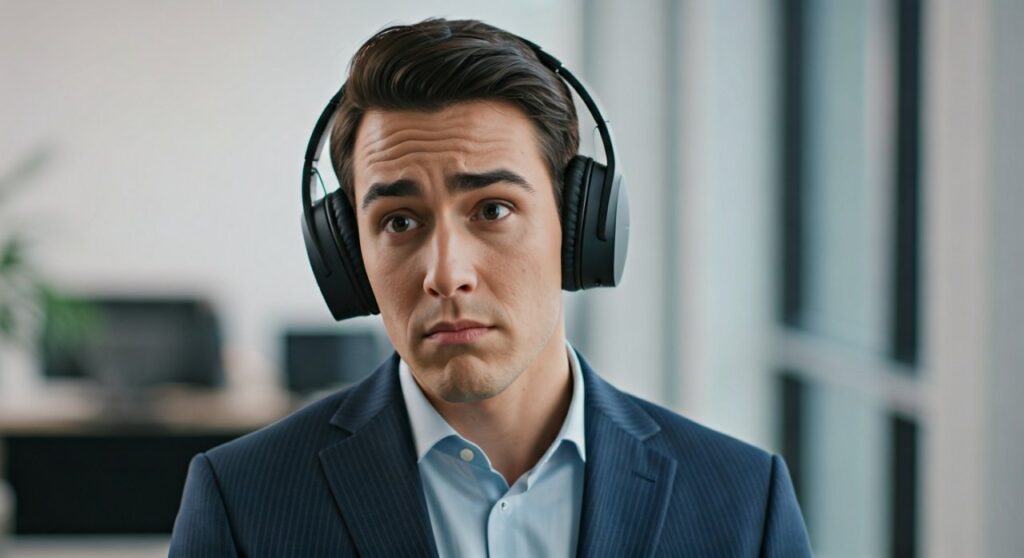
Many users describe this feeling as a “sucking” sensation on the eardrums. While the headphones aren’t physically changing the air pressure, the way they filter out low-frequency sounds mimics the acoustic profile of a pressure drop. For individuals with high sensitivity, this mismatch between what the eyes see (a stationary room) and what the ears “feel” (simulated movement/pressure) leads to significant discomfort.
Key Takeaways: Understanding ANC Dizziness
If you are in a hurry, here are the essential facts regarding why your high-tech gear might be making you feel ill:
- Sensory Conflict: Your brain receives signals of a pressure change (from the ears) but sees no movement (from the eyes), similar to motion sickness.
- The “Eardrum Suck”: Low-frequency sound waves are canceled out, which the brain interprets as a vacuum-like pressure shift.
- Vestibular Sensitivity: People prone to car sickness or migraines are statistically more likely to experience why do noise cancelling headphones make me nauseous.
- Acclimation is Possible: Most users can “train” their brain to ignore these false signals through gradual exposure.
- Hardware Matters: High-end models like the Sony WH-1000XM5 or Bose QuietComfort Ultra allow users to adjust the intensity of the noise cancellation to mitigate these effects.
The Mechanics of Active Noise Cancellation (ANC)
To understand why do noise cancelling headphones make me dizzy, we must first look at how the technology works. Active Noise Cancellation isn’t just a physical barrier like earplugs; it is an active electronic process.
How ANC Works
ANC headphones use tiny external microphones to listen to the ambient sounds around you. The internal circuitry then calculates the exact opposite sound wave—known as an anti-noise wave—and plays it into your ears.
When the original noise wave and the anti-noise wave meet, they undergo destructive interference, effectively canceling each other out. This is highly effective for constant, low-frequency sounds like airplane engines or air conditioners.
The Illusion of Pressure
The problem arises because the brain is wired to associate a sudden loss of low-frequency sound with a change in air pressure. For example, when you go up in a plane or dive into a pool, low-frequency sounds are muffled.
When your headphones eliminate those frequencies, your brain sends a false “danger” signal to your vestibular system. Even though the physical pressure in the room is stable, your brain is convinced your eardrums are being pushed or pulled.
Why Do Noise Cancelling Headphones Make Me Nauseous?
The transition from dizziness to nausea is a result of Sensory Conflict Theory. This is the same biological mechanism that causes seasickness.
Sensory Conflict Theory
Your body maintains balance using three main inputs:
- Visuals: What your eyes see.
- Proprioception: What your muscles and joints feel.
- Vestibular System: The fluid-filled canals in your inner ear that detect motion and pressure.
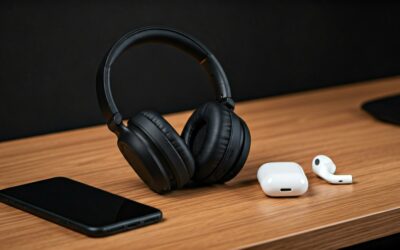
When you sit at your desk wearing Apple AirPods Max, your eyes see a stationary environment. However, the ANC tells your inner ear that the pressure is shifting. This disagreement between the eyes and ears causes the brain to enter a state of confusion, often resulting in the question: why do noise cancelling headphones make me nauseous?
The Vagus Nerve Connection
For some, the stress of this sensory mismatch triggers the vagus nerve, which controls the digestive system. This can lead to cold sweats, stomach discomfort, and even vomiting in extreme cases of ANC sensitivity.
Comparison: ANC Intensity vs. User Comfort
Not all noise-cancelling headphones are created equal. Some brands use “aggressive” ANC that is more likely to cause dizziness.
| Headphone Model | ANC Strength | Pressure Sensation | Best For |
|---|---|---|---|
| Bose QuietComfort Ultra | Ultra-High | High | Frequent Flyers |
| Sony WH-1000XM5 | High (Adaptive) | Moderate | Commuters |
| Apple AirPods Pro 2 | High | Low (Vented) | Daily iPhone Users |
| Sennheiser Momentum 4 | Moderate | Very Low | Audiophiles |
| Beats Studio Pro | Moderate | Moderate | Casual Listening |
Note: Models with “Vented” designs (like AirPods Pro) help equalize pressure, significantly reducing the dizzying effect.
Step-by-Step Guide: How to Stop Dizziness from Headphones
If you’ve spent hundreds of dollars on premium headphones, don’t return them just yet. You can often fix the issue of why do noise cancelling headphones make me dizzy by following these steps.
Step 1: Reduce ANC Intensity
Most modern headphones come with a companion app (e.g., Sony Headphones Connect or Bose Music App).
- Open the settings and look for “ANC Level.”
- Turn it down to 50% or 70%.
- Often, a slight reduction in noise cancellation removes the “eardrum suck” while still blocking out 90% of noise.
Step 2: Enable Transparency Mode
If you feel a sudden bout of vertigo, switch to Transparency Mode (also called Ambient Mode). This uses the microphones to pump outside sound into your ears, immediately realigning your brain’s perception of the environment.
Step 3: Use the “Micro-Dose” Method
Don’t wear your new headphones for 8 hours straight on the first day.
- Day 1: Wear them for 15 minutes.
- Day 2: 30 minutes.
- Gradually increase the time. This allows your brain to build a “tolerance” to the false pressure signals.
Step 4: Ensure a Proper Fit
Sometimes, the dizziness isn’t from the electronics, but from the physical clamping force. If the headphones are too tight, they can compress the temporal bone and disturb the inner ear. Adjust the headband to ensure a secure but gentle fit.
Expert Insights: Who Is Most at Risk?
Based on clinical observations and user data, certain groups are more prone to ANC-induced vertigo. If you fall into these categories, you should be extra cautious when purchasing gear.
- Migraine Sufferers: People with a history of vestibular migraines are 3x more likely to experience nausea with ANC.
- BPPV Patients: Those with Benign Paroxysmal Positional Vertigo may find that ANC triggers an episode.
- Hyperacusis: If you have high sensitivity to certain sound frequencies, the anti-noise wave might be perceived as a “loud” silence, causing distress.
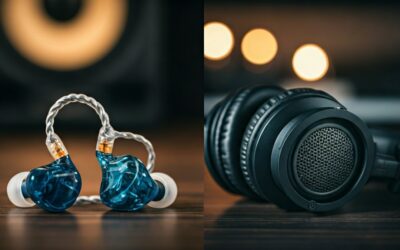
Expert Tip: If you consistently feel ill, consider switching to Passive Noise Isolation (high-quality foam ear tips or closed-back studio monitors) instead of Active Noise Cancellation.
The Role of “Infrasound” in ANC Nausea
Some researchers suggest that the anti-noise waves generated by ANC headphones may contain infrasound—sounds below the human hearing threshold (under 20Hz).
While you can’t “hear” infrasound, your body can feel it. High levels of infrasound are known to cause feelings of awe, fear, and—most importantly—physical dizziness. If the ANC circuit is not perfectly tuned, it may emit low-level vibrations that irritate the delicate hair cells in your inner ear.
Frequently Asked Questions (FAQs)
Are noise-cancelling headphones safe for my ears?
Yes, they are generally safer than standard headphones because they allow you to listen to music at lower volumes. By blocking out background noise, you don’t feel the need to “crank up” the decibels to hear your media, which protects your long-term hearing health.
Why do noise cancelling headphones make me nauseous but not my friend?
Biological sensitivity varies wildly. Some people have a more “plastic” brain that adapts quickly to sensory mismatches, while others have a highly sensitive vestibular system. It is similar to how some people get carsick in the back seat while others can read a book.
Can ANC headphones cause permanent vertigo?
There is no medical evidence suggesting that ANC causes permanent damage. The symptoms are temporary and typically disappear within minutes of taking the headphones off. If dizziness persists for days, consult an audiologist to rule out an underlying inner ear infection.
Is there a difference between “Eardrum Suck” and actual pressure?
Yes. “Eardrum suck” is an acoustic illusion created by the lack of low-frequency sound. Actual pressure changes (like on a plane) involve physical movement of the eardrum. ANC only mimics the sound of pressure, not the physical force.
Which brand is best for people who get dizzy?
Apple and Sennheiser are often cited as the most “comfortable” for sensitive users. Apple uses a vented system to equalize pressure, while Sennheiser tends to use a more natural, less aggressive ANC algorithm compared to the “silence at all costs” approach of Bose.
Final Thoughts: Finding the Balance
While why do noise cancelling headphones make me dizzy is a common complaint, it shouldn’t prevent you from enjoying the benefits of a quiet environment. By understanding the science of sensory conflict and using the “Micro-Dose” acclimation method, most users can enjoy Active Noise Cancellation without discomfort.
If you find that even the lowest ANC settings trigger nausea, your best bet is to invest in Passive Isolation headphones. These use heavy padding and specialized materials to block sound physically, providing a quiet experience without the digital wizardry that confuses the brain.