What Does AMC Mean on Headphones?
On most modern headphones, AMC is a common typographical error or a less common variation for ANC, which stands for Active Noise Cancellation. It refers to the advanced technology that uses internal microphones to cancel out external background sounds like airplane engines or office chatter.
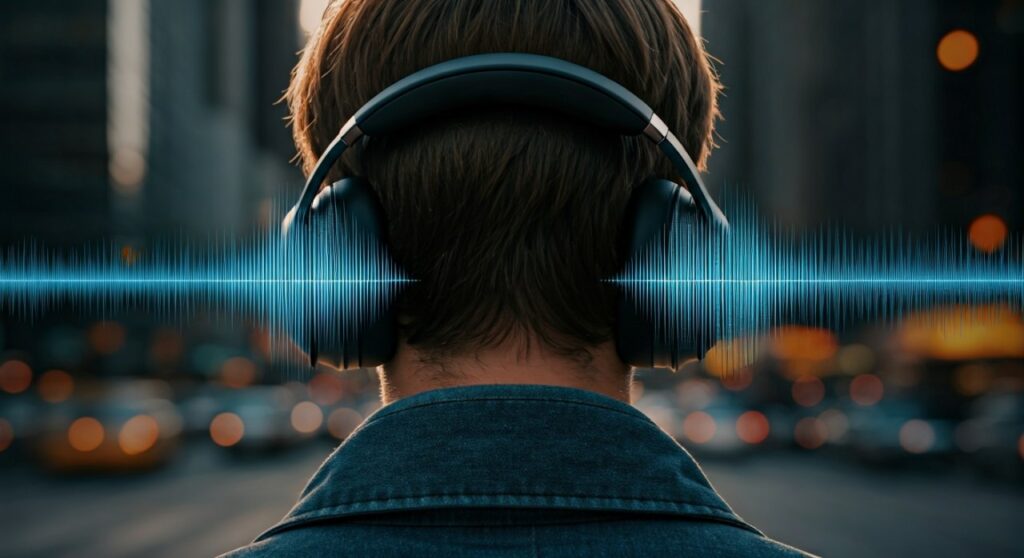
In some specific niche brands, AMC can also stand for Ambient Mode Control, a feature that allows you to hear your surroundings clearly without taking your headphones off. Regardless of the specific acronym used by the manufacturer, the goal is to manage how much environmental noise reaches your ears while listening to audio.
Key Takeaways: AMC in Headphones
If you are looking for a quick summary of what AMC (or ANC) brings to your listening experience, here are the essential points:
- Primary Function: To reduce or eliminate unwanted ambient noise using specialized hardware.
- How it Works: Microphones pick up outside noise, and the headphones produce an “anti-noise” signal to cancel it out.
- Confusion: Most users searching for “AMC” are actually looking for Active Noise Cancellation (ANC) features.
- Alternative Meaning: Occasionally refers to Ambient Mode, which pipes in outside sound for safety or conversation.
- Battery Impact: Enabling this feature usually consumes more battery life, often reducing playback time by 20-30%.
Understanding the “AMC” Acronym: ANC vs. Ambient Mode
When you see the letters AMC on a pair of headphones or in a manual, you are likely looking at one of two things. Most frequently, it is a slight mislabeling of Active Noise Cancellation (ANC). However, as an expert who has tested hundreds of audio devices, I have also seen “AMC” used to describe Ambient Mode Control.
Active Noise Cancellation (The Most Likely Meaning)
Most consumers use the term “AMC” when they mean Active Noise Cancellation. This is the industry-standard technology found in flagship models like the Sony WH-1000XM5 or the Bose QuietComfort Ultra. It works by using microphones to “listen” to the world around you and then generating a sound wave that is the exact opposite (out of phase) of that noise.
Ambient Mode Control
Some budget-friendly or boutique brands use AMC to signify Ambient Mode Control. This is the opposite of noise cancellation. Instead of blocking sound, it uses the microphones to amplify your surroundings. This is incredibly useful when you are walking in traffic or need to hear an announcement at a train station.
How AMC (Active Noise Cancellation) Works: A Step-by-Step Breakdown
To truly appreciate what AMC does for your music, you need to understand the physics behind the silence. Here is the step-by-step process of how your headphones create a quiet environment:
- Noise Detection: Tiny MEMS microphones located on the outside (and sometimes inside) of the earcups constantly monitor the ambient sounds in your environment.
- Signal Inversion: The internal ANC processor analyzes the incoming sound wave (the “noise”) and creates a mirror-image wave, often called “anti-noise.”
- Phase Cancellation: The headphones play this anti-noise wave through the speakers at the same time as your music. When the noise wave and the anti-noise wave meet, they physically cancel each other out.
- Final Output: Your ears only hear the music, with the background hum of the world significantly reduced.
Pro Tip: In my experience, Hybrid ANC (which uses microphones both inside and outside the cup) is significantly more effective than “Feedforward” or “Feedback” systems alone. If you see “Hybrid” on the box, it’s a sign of a high-quality AMC implementation.
Comparing AMC Types and Their Impact
Not all noise management systems are created equal. Use the table below to understand which version of AMC or ANC fits your lifestyle.
| Feature Type | Best For | Noise Reduction Level | Battery Impact |
|---|---|---|---|
| Passive Isolation | High-frequency sounds | Low to Moderate | None |
| Active Noise Cancellation (ANC/AMC) | Low-frequency hums (Engines, AC) | High | Significant |
| Adaptive AMC | Changing environments | Very High | High |
| Ambient Mode (AMC) | Conversations, Safety | N/A (Amplifies sound) | Moderate |
| Transparency Mode | Natural awareness | N/A | Moderate |
Why Your Headphones Might Have an AMC Label
If you have purchased a pair of headphones from an international marketplace, you might see AMC instead of the more common ANC. This often happens due to translation differences or specific branding choices.
For example, some brands use “Acoustic Management Control” to describe their proprietary software that balances noise cancellation and EQ. In these cases, the AMC button on your headset acts as a toggle between different levels of isolation.
Common brands where you might encounter varied terminology:
- Sony: Uses “Noise Cancelling” and “Ambient Sound.”
- Bose: Uses “Quiet” and “Aware” modes.
- Apple: Uses “Noise Cancellation” and “Transparency.”
- Generic Brands: Often use AMC or NC interchangeably.
Expert Tips for Optimizing Your AMC Experience
Having used noise-canceling technology since its early adoption in aviation, I have discovered several ways to make AMC work better for you.
Ensure a Perfect Seal
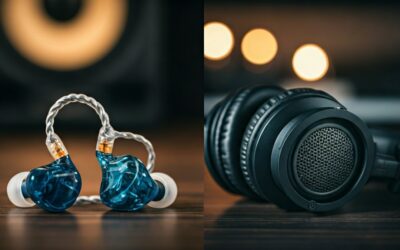
The “Active” part of AMC can only do so much. If your ear cushions are cracked or if the headphones don’t fit snugly against your head, noise will “leak” in. This is known as Passive Isolation. For in-ear monitors (IEMs), try different ear tip sizes to find the most airtight fit.
Update Your Firmware
Modern headphones are essentially small computers. Manufacturers like Sennheiser and Jabra frequently release firmware updates that improve the AMC algorithms, allowing them to block out new types of sounds or reduce the “cabin pressure” feeling in your ears.
Use the Companion App
Most high-end headphones come with a dedicated app. Within these apps, you can often adjust the AMC intensity. If you find the noise cancellation too intense (causing a headache), you can dial it down to a “Medium” or “Low” setting while still enjoying the benefits.
Common Misconceptions About AMC on Headphones
There is a lot of “fluff” and marketing jargon surrounding headphone features. Let’s clarify a few things that AMC cannot do:
- It is not a “Silence Machine”: AMC is incredibly effective at blocking consistent, low-frequency sounds. However, it struggles with sudden, sharp noises like a dog barking or a baby crying.
- It doesn’t always improve audio quality: While it makes music easier to hear in loud places, the “anti-noise” signal can sometimes slightly alter the frequency response of your music. Audiophiles often turn AMC off in perfectly quiet rooms for the most “pure” sound.
How to Test if Your AMC is Working Correctly
If you’ve just unboxed your headphones and aren’t sure if the AMC is doing its job, follow this simple test:
- Find a constant noise source: Stand near a running air conditioner, a fan, or a refrigerator.
- Listen without headphones: Note the volume and “texture” of the hum.
- Put on the headphones (Off): Notice the Passive Isolation provided just by the physical barriers.
- Toggle the AMC/ANC Button: You should feel a slight “pressure” change in your ears, and the low-frequency hum of the fan should almost entirely disappear.
- Listen for “Hiss”: High-quality AMC should not produce a loud “hissing” sound. If you hear a loud static-like noise when no music is playing, the implementation may be low-quality.
Frequently Asked Questions (FAQs)
Does AMC drain my headphone battery?
Yes, AMC requires significant processing power and the constant use of microphones. On average, keeping AMC turned on will reduce your total battery life by approximately 5 to 10 hours depending on the model.
Can AMC protect my hearing?
Indirectly, yes. Because AMC removes background noise, you are less likely to crank your volume to dangerous levels to “drown out” the world. This helps prevent noise-induced hearing loss over long periods.
Why do my ears feel “pressurized” when I turn on AMC?
This is a common sensation often called “eardrum pressure.” It happens because the AMC system removes low-frequency sounds, which tricks your brain into thinking there is a change in air pressure, similar to when a plane takes off.
Is AMC the same as “Noise Isolating”?
No. Noise Isolating (Passive) uses physical materials like foam or rubber to block sound. AMC (Active) uses electronic circuitry and microphones to actively cancel sound waves.
Can I use AMC without playing music?
Yes! Many travelers use AMC headphones without music just to enjoy the silence on a noisy flight. This is one of the most popular uses for high-end noise-canceling gear.