Why wearing headphones all day can be risky for your ears
Wearing headphones all day is not necessarily bad if you strictly follow volume safety limits and maintain high ear hygiene, but it significantly increases your risk of permanent hearing loss, ear infections, and tinnitus. To stay safe, experts recommend the 60/60 rule: listen at no more than 60% volume for a maximum of 60 minutes before taking a break.
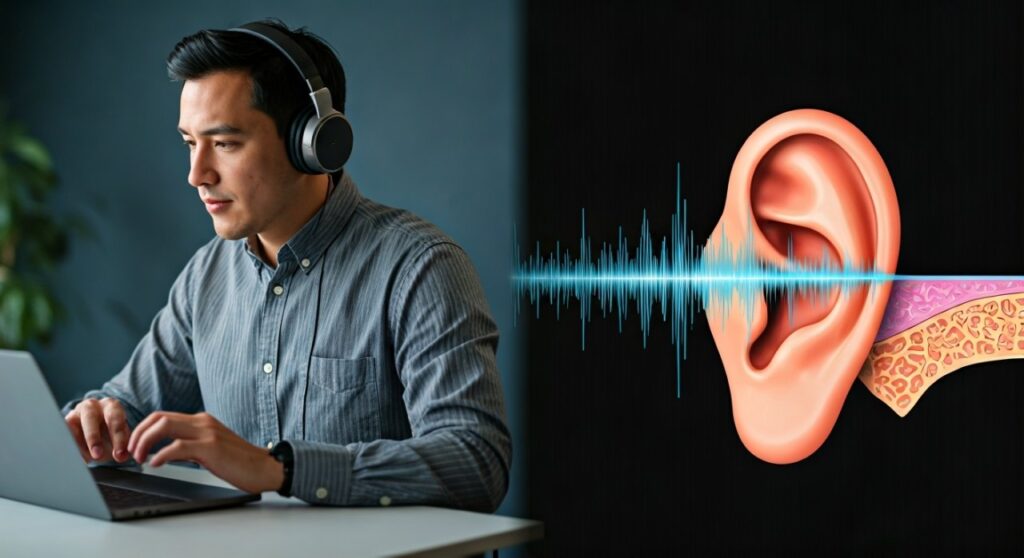
If you are a remote worker, gamer, or music lover spending 8+ hours with gear on your head, you are likely pushing your auditory system to its limit. Over-exposure to sound waves doesn’t just tire your brain; it can physically damage the hair cells in your cochlea, which do not regenerate once destroyed.
Key Takeaways: Is it bad to wear headphones all day?
| Risk Factor | Impact Level | Primary Cause | Prevention Strategy |
|---|---|---|---|
| Hearing Loss (NIHL) | High | Excessive Decibels (dB) | Follow the 60/60 Rule |
| Ear Infections | Medium | Bacteria buildup/Lack of airflow | Sanitize pads weekly |
| Earwax Impaction | Medium | Blocking natural wax migration | Use Over-ear instead of In-ear |
| Tinnitus | High | Chronic loud noise exposure | Use Active Noise Cancellation (ANC) |
| Headphone Fatigue | Low | Clamping force/Pressure | Choose lightweight designs |
The hidden dangers of prolonged headphone use
Many users wonder, “is it bad to wear headphones all day” while they work in open offices or study. The reality is that your ears were not evolved to be plugged or covered for a third of your life.
Noise-Induced Hearing Loss (NIHL)
This is the most significant threat. Most smartphones and laptops can reach 100-105 decibels (dB). Exposure to sound over 85 dB for extended periods can cause permanent damage.
When you wear headphones all day, even at moderate volumes, the cumulative “noise dose” can exceed what your ears can recover from overnight. I have seen many professionals in their 30s developing the hearing profiles of 60-year-olds due to “hidden” loud volumes used to drown out office chatter.
Tinnitus: The ringing that never stops
If you’ve ever taken your headphones off and heard a faint ringing or buzzing, that is Tinnitus. This is a warning sign from your brain that the auditory nerve is under stress.
Prolonged use, especially with In-ear monitors (IEMs), creates a sealed chamber that increases sound pressure. This constant pressure can lead to a “ringing” that eventually becomes permanent, affecting your sleep and mental health.
Earwax Impaction and Hygiene Issues
Your ears are “self-cleaning” mechanisms. Earwax naturally moves from the inside out. When you stick earbuds in your ear canal for 8 hours, you are effectively “ramming” the wax back in.
This leads to cerumen impaction, which causes muffled hearing and pain. Furthermore, the warm, dark environment created by headphones is a breeding ground for bacteria, leading to Otitis Externa, commonly known as Swimmer’s Ear.
Step-by-Step Guide: How to wear headphones safely all day
If your lifestyle requires constant audio, you must adopt a professional “ear-care” routine. Based on clinical guidelines and ergonomic testing, here is how to mitigate the risks.
Step 1: Implement the “60/60 Rule”
This is the golden rule of audiology. Never exceed 60% of the maximum volume on your device. Additionally, limit your continuous listening to 60 minutes.
Set a timer on your phone or use an app like Focus To-Do to remind you to remove your headphones. During these breaks, allow your ears to “breathe” in a quiet environment for at least 5 to 10 minutes.
Step 2: Leverage Active Noise Cancellation (ANC)
Ironically, many people turn up the volume because their environment is too loud. This is why is it bad to wear headphones all day becomes a problem—you are fighting noise with noise.
Invest in high-quality ANC headphones like the Sony WH-1000XM5 or Bose QuietComfort Ultra. By cancelling out the background drone of engines or air conditioners, you can listen to your content at a much lower, safer volume.
Step 3: Prioritize Over-Ear over In-Ear
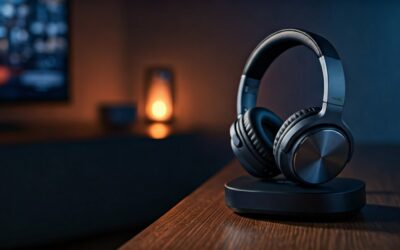
If you must wear gear for long durations, choose Over-ear (Circumaural) headphones. These distribute pressure around the ear rather than inside the sensitive ear canal.
In-ear buds increase sound intensity by being closer to the eardrum. Over-ear models allow for better airflow and reduce the direct “piston effect” of sound waves hitting your tympanic membrane.
Step 4: Sanitize your equipment weekly
In my experience, 90% of headphone-related skin rashes are caused by dirty ear pads. Use 70% Isopropyl Alcohol wipes to clean the cushions and the mesh of your earbuds.
For Apple AirPods, use a dry cotton swab to remove wax buildup. This prevents bacteria from entering your ear canal and causing painful infections.
Comparing Headphone Types for Long-Term Safety
Not all headphones are created equal when it comes to the question: is it bad to wear headphones all day?
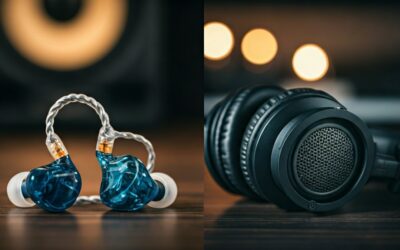
| Feature | In-Ear (Buds) | Over-Ear (Studio) | Bone Conduction |
|---|---|---|---|
| Hearing Safety | Low (High pressure) | Medium (Safe if low vol) | High (Bypasses eardrum) |
| Hygiene | Low (Traps wax) | Medium (Sweat buildup) | High (Open ear) |
| Comfort | Varies | High (Cushioned) | High (Lightweight) |
| Best For | Short commutes | Long work sessions | Running / Outdoor use |
The Rise of Bone Conduction
If you are truly worried about your hearing, consider Bone Conduction headphones like those from Shokz. These sit on your cheekbones and vibrate the bones to send sound to the inner ear.
They leave your ear canal completely open. This eliminates the risk of earwax impaction and allows you to stay aware of your surroundings, which is vital for office safety and outdoor running.
Physical symptoms you should never ignore
If you find yourself asking “is it bad to wear headphones all day” because you are feeling discomfort, pay attention to these “Red Flag” symptoms:
- Muffled Hearing: Feeling like your ears are “clogged” even after removing the headphones.
- Hyperacusis: Normal everyday sounds (like dishes clattering) feeling painfully loud.
- Aural Fullness: A sensation of pressure inside the ear.
- Itching or Discharge: Signs of a fungal or bacterial infection in the ear canal.
- Headphone Acne: Small bumps around the ear caused by trapped sweat and oil.
If you experience sudden hearing loss or persistent ringing, consult an ENT (Ear, Nose, and Throat) specialist or an Audiologist immediately. Permanent damage can happen faster than you think.
Frequently Asked Questions (FAQs)
Is it worse to wear earbuds or over-ear headphones?
Earbuds are generally riskier for all-day use. They sit closer to the eardrum, increasing sound pressure by about 7-9 decibels, and they block the natural flow of earwax, which can lead to painful blockages.
Can wearing headphones cause hair loss or a “head dent”?
No, headphones cannot cause a permanent dent in your skull. Any “dent” you see in your hair or skin is temporary (similar to sock marks) and will disappear after a few hours. However, extremely tight headphones can cause tension headaches.
How loud is too loud for an 8-hour workday?
For an 8-hour duration, the NIOSH safety standard is 85 dB. Most experts suggest staying well below this, around 60-70 dB (the volume of a normal conversation), if you plan to listen for the entire day.
Does noise-canceling technology hurt your ears?
No, Active Noise Cancellation (ANC) is actually safer for your ears. It allows you to hear your music clearly at lower volumes by eliminating background noise, which prevents you from “cranking up” the sound to dangerous levels.
Can I sleep with headphones on?
It is generally not recommended. Sleeping with headphones increases the risk of earwax impaction, skin infections, and, in the case of wired headphones, a potential strangulation hazard. Use a dedicated Bluetooth pillow speaker instead.