Can You Wear Headphones During a Marathon? The Definitive Answer
Yes, you can generally wear headphones during a marathon, provided you are a recreational runner and not competing for a podium finish or prize money. While most major events like the Boston Marathon or London Marathon allow them for the general field, they often “strongly discourage” their use to ensure participants remain aware of their surroundings, emergency vehicles, and race marshal instructions.
If you are an elite athlete or competing in a USATF-sanctioned championship, the rules are much stricter. Under USATF Rule 144.3, the use of portable listening devices is typically prohibited for those competing for awards or Olympic qualifying times. For the 99% of us running for a personal best or the finish medal, headphones are a common sight on the course.
Key Takeaways: Marathon Headphone Rules & Tips
If you are in a rush to get to the starting corral, here are the essential points you need to know:
- Check the Athlete Guide: Every race has a specific “Rules of Competition” section. Always verify if headphones are allowed in marathon events you specifically signed up for.
- Elite vs. Open: Pro runners are almost always banned from using tech; “Open” or “Age Group” runners usually have more flexibility.
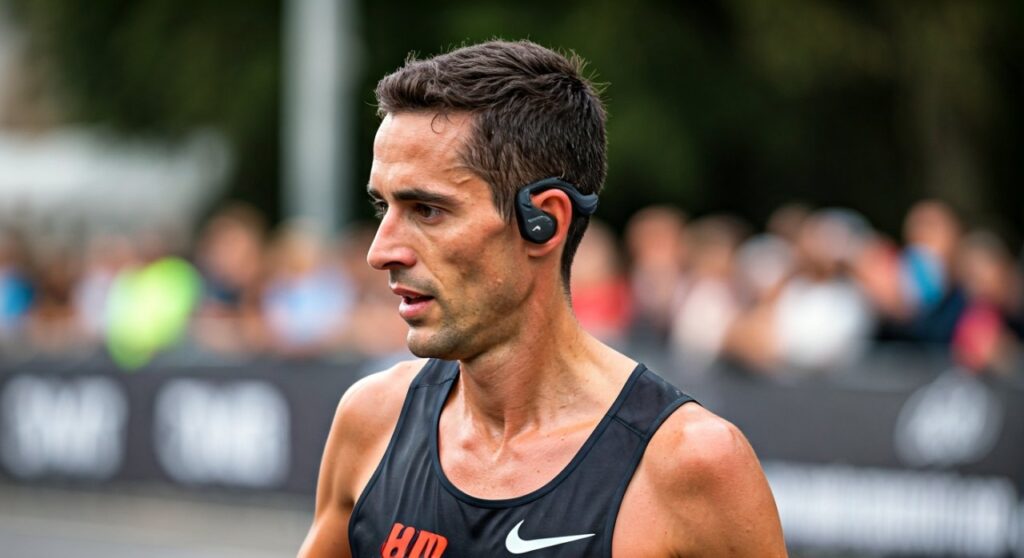
- Bone Conduction is King: Many races that discourage in-ear buds specifically permit Bone Conduction Headphones (like Shokz) because they leave your ear canal open.
- Safety First: If you wear them, keep the volume low enough to hear “Left!” or “Runner up!” from fellow participants.
- Battery Life Matters: Ensure your gear can last 4 to 6 hours of continuous Bluetooth streaming.
Understanding Official Regulations: Are Headphones Allowed in Marathon Races?
The question of whether can you wear headphones during a marathon often leads back to the governing bodies of athletics. Rules can vary significantly between a small local 26.2-miler and a World Marathon Major.
USATF and World Athletics Policies
The USA Track & Field (USATF) amended its rules several years ago. Previously, headphones were banned across all sanctioned events. Today, the ban is primarily focused on those competing for championships and prize money.
World Athletics (formerly IAAF) maintains a strict stance for elite fields to prevent “pacing” or receiving outside coaching via a headset. If you are aiming for a sub-2:20 marathon and a trophy, leave the music at home.
Major Marathon Specifics
- The Boston Marathon: Allows headphones for the general field but advises against them. You must be able to hear emergency sirens and race officials.
- The New York City Marathon: Follows a similar “allowed but discouraged” policy. With 50,000+ runners, situational awareness is critical for safety.
- The London Marathon: Generally permits them, but they strongly recommend Open-Ear technology to maintain a connection with the crowd atmosphere and safety announcements.
Why Some Races Issue a Total Ban
Some smaller trail marathons or races on narrow, open-traffic roads might issue a total ban. This is usually due to insurance requirements. If a race director cannot guarantee a “closed course,” they need runners to hear approaching cars or wildlife. Always read the Liability Waiver you sign during registration.
The Evolution of Running Technology: Choosing Your Gear
In my experience testing gear over dozens of long-distance races, the “best” headphone isn’t just about sound quality—it’s about battery reliability and environmental awareness.
Bone Conduction Headphones
These are the gold standard for marathoners today. Devices like the Shokz OpenRun Pro sit on your cheekbones and send vibrations to your inner ear.
- Pros: You can hear every cheer, every water station volunteer, and every bike marshal.
- Cons: Sound quality can be “thin” in high-wind conditions or near loud speakers.
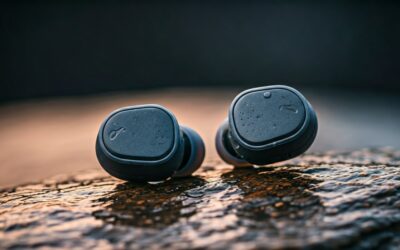
True Wireless Earbuds (Transparency Mode)
Modern earbuds like the Apple AirPods Pro 2 or Jabra Elite 8 Active feature “Transparency Mode.” This uses external microphones to feed ambient sound into your ear along with your music.
- Pros: Excellent bass and noise management.
- Cons: Short battery life (some models die after 4 hours) and the risk of them falling out at a crowded water station.
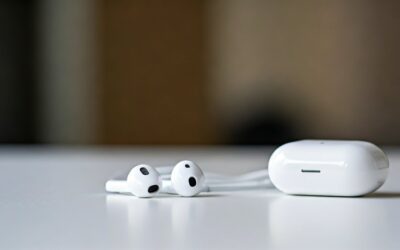
Wired Earbuds
They may seem “old school,” but they are foolproof. No battery to die at mile 20, and no Bluetooth pairing issues.
- Pros: 100% reliable.
- Cons: Tangled wires can be infuriating when you are trying to grab a gel or wipe sweat.
Comparison Table: Headphone Types for Marathon Running
| Feature | Bone Conduction | Transparency Earbuds | Standard In-Ear |
|---|---|---|---|
| Safety Level | Maximum (Ears open) | High (Digital passthrough) | Low (Passive isolation) |
| Comfort (4+ hours) | Excellent (No ear pressure) | Moderate (Ear fatigue) | Variable |
| Battery Life | 6–10 hours | 4–7 hours | Infinite (if wired) |
| Race Legal? | Most likely | Usually (Check rules) | Often discouraged |
| Sound Quality | Average | High | High |
A Step-By-Step Guide to Preparing Your Tech for Race Day
Using headphones during a marathon requires more than just hitting “play.” Follow this expert-led protocol to ensure your tech doesn’t fail you at the “Wall.”
Step 1: Verification and Rule Check
Three weeks before the race, download the Athlete Information Guide. Search for keywords like “headphones,” “electronics,” or “iPod.” If the race specifically mandates “Open-ear only,” you have enough time to purchase and train in a pair of Bone Conduction sets.
Step 2: Training With Your Gear
Never wear brand-new headphones on race day. Use your long training runs (18–22 miles) to test:
- Chafing: Does the wrap-around band rub against your hat or sunglasses?
- Stability: Do the buds stay in when you are drenched in sweat or rain?
- Interface: Can you skip tracks with “marathon brain” (when your fine motor skills decline)?
Step 3: Curating the “Power” Playlist
The mental fatigue of a marathon is real. I recommend a “Layered Playlist” strategy:
- Miles 1-10: Low-intensity, steady-state beats (120-130 BPM). Don’t burn your adrenaline too early.
- Miles 11-20: High-energy, familiar tracks to keep the legs moving.
- Miles 21-26.2: Your “Emergency” songs. The high-BPM, high-emotion tracks that get you through the pain.
Step 4: Battery and Connectivity Management
Bluetooth interference is common at the start line with 20,000 other devices.
- Offline Mode: Download your playlist. Don’t rely on cellular data, which often crashes in crowded race villages.
- Full Charge: Charge your headphones and your Garmin or Apple Watch to 100% the night before.
- Turn Off Notifications: Nothing ruins a rhythm like a loud “Email Received” chime in the middle of a hill climb.
Step 5: The “Single Bud” Strategy
If you are worried about safety or race rules, wear only one earbud (usually the right one, as runners typically pass on the left). This allows you to enjoy your audio while remaining fully compliant with safety etiquette.
Marathon Etiquette for Headphone Users
Being a “good neighbor” on the course is vital. When asking can you wear headphones during a marathon, you must also ask how to wear them responsibly.
- The Volume Rule: If the runner next to you can hear your music, it is too loud. This is both annoying to others and dangerous for you.
- Water Station Awareness: Always turn your music down or off when entering a water station. You need to hear which side the volunteers are on and if someone is cutting across your path.
- The Finish Line Moment: Many runners choose to pull their headphones down for the final 400 meters. Hearing the roar of the crowd and the announcer call your name is a core marathon memory you don’t want to muffle with Spotify.
- Don’t Be “The Blocker”: Runners with loud music often accidentally weave. Check your shoulders frequently, especially when moving toward a timing mat or hydration point.
Safety Statistics and Expert Perspectives
Data from Runner’s World surveys suggest that over 60% of marathoners listen to music or podcasts during their race. However, safety experts warn against “Auditory Exclusion.”
Dr. Jordan Metzl, a renowned sports medicine physician, often notes that situational awareness is the first thing to go when a runner hits peak exhaustion. If you add high-volume music to that exhaustion, your reaction time to a trip, a fall, or a medical emergency is significantly hampered.
The “10-Percent” Rule: I advise my athletes to keep their volume at 10% of the maximum. You should be able to hear your own footsteps. If you can’t hear your feet hitting the pavement, your music is too loud for a safe race environment.
The Case for Running “Silent”
While the question is can you wear headphones during a marathon, some experts argue you shouldn’t. Running “naked” (without tech) offers several benefits:
- Biometric Feedback: You can hear your breathing. This is the most accurate way to judge if you are running at an aerobic or anaerobic effort.
- Crowd Engagement: In races like NYC or Chicago, the crowd support is like a physical force. High-volume headphones create a wall between you and that energy.
- Mental Resilience: Learning to manage the “dark places” of a marathon without a digital distraction builds immense mental toughness that serves you in future races.
Frequently Asked Questions (FAQs)
Are headphones allowed in the Boston Marathon?
Yes, for recreational runners. The B.A.A. (Boston Athletic Association) permits them but discourages their use. However, if you are an elite athlete in the professional wave, they are strictly prohibited.
Will I get disqualified for wearing headphones?
In most standard road marathons, a “middle-of-the-pack” runner will not be disqualified. However, in certain championship races or strict trail events, you could face a DQ if the rules explicitly forbid them and you are caught by a race official.
What are the best headphones for a marathon?
The Shokz OpenRun Pro is widely considered the best due to its bone-conduction technology and 10-hour battery life. For those who prefer earbuds, the Beats Fit Pro or Jabra Elite series offer great stability and “Transparency” modes.
Can I listen to a podcast instead of music?
Absolutely. Many runners find that podcasts or audiobooks help pass the time during the “boring” middle miles (miles 6 through 16) better than music, as they keep the brain engaged in a narrative.
Do headphones affect my race time?
Studies on psychological ergogenics suggest that music can reduce the “Perceived Rate of Exertion” (RPE) by up to 10%. This means you might feel like you are working less hard than you actually are, potentially leading to a faster finish time.