Understanding the Origins: Where Are Skullcandy Headphones Made?
Skullcandy headphones are primarily manufactured in China, with additional production facilities located in Vietnam, the Philippines, and Mexico. While the brand is proudly headquartered in Park City, Utah, where all engineering and design take place, the actual mass assembly is outsourced to specialized electronics manufacturing hubs in Asia to maintain competitive pricing.
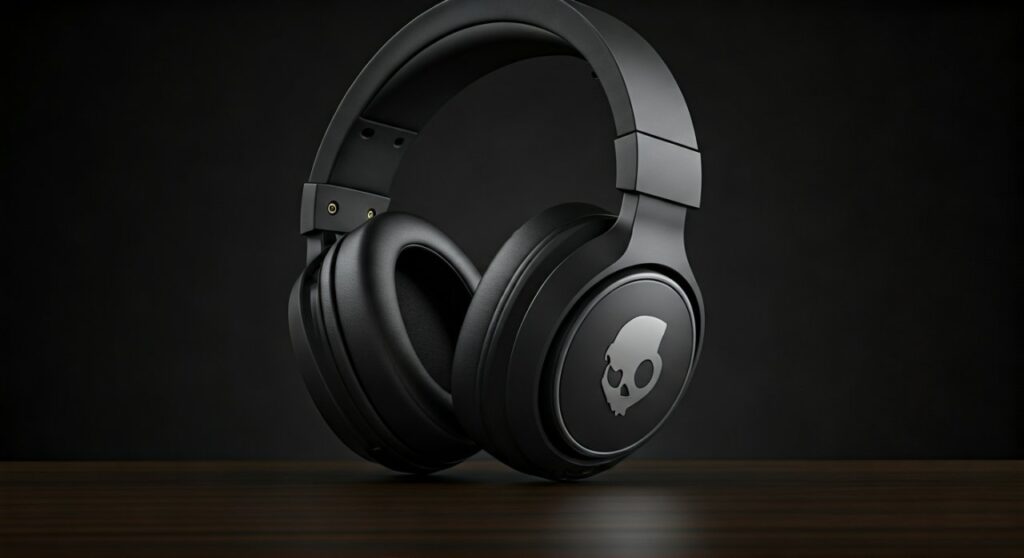
If you have ever unboxed a pair of Skullcandy Crusher ANC 2 or Indy Fuel earbuds, you likely noticed the “Made in China” or “Assembled in Vietnam” stamp on the packaging. This global manufacturing strategy is common among major audio brands, allowing Skullcandy to scale production while keeping their “counter-culture” aesthetic affordable for the mass market.
Key Takeaways: Skullcandy Manufacturing at a Glance
For those who need a quick breakdown of the brand’s production logistics, here are the essential facts:
| Feature | Details |
|---|---|
| Primary Manufacturing Country | China (Shenzhen and Dongguan regions) |
| Secondary Manufacturing Countries | Vietnam, Philippines, Mexico |
| Design & Engineering HQ | Park City, Utah, USA |
| Parent Company | Skullcandy, Inc. (Privately held) |
| Primary Focus | Lifestyle audio, action sports, and budget-friendly tech |
| Year Founded | 2003 by Rick Alden |
The Global Journey: From Utah Design to Asian Assembly
While the physical assembly happens overseas, the “soul” of the product starts in the mountains of Utah. Every acoustic profile, ergonomic curve, and custom driver used in Skullcandy products is developed by their domestic R&D team.
Designed in the USA
The Skullcandy headquarters in Park City features a state-of-the-art “Human Factors” lab. Here, engineers use 3D printing and acoustic chambers to prototype new models like the Hesh or Cassette series.
Outsourced Manufacturing in China
China remains the powerhouse for Skullcandy production. The country offers an unparalleled ecosystem of component suppliers, from lithium-ion battery manufacturers to specialized Bluetooth chipset vendors. By manufacturing in Shenzhen, Skullcandy reduces the “time-to-market” for new releases.
The Shift to Vietnam and Beyond
In recent years, Skullcandy has diversified its supply chain. Moving some production to Vietnam helps the company mitigate trade tariffs and avoid over-reliance on a single geographic region. This ensures that even during global supply chain disruptions, your favorite Grind Fuel earbuds remain in stock.
Who Makes Skullcandy Headphones?
A common question among tech enthusiasts is who makes Skullcandy headphones—is it an independent factory or a tech giant? Skullcandy utilizes a model known as Original Equipment Manufacturing (OEM) and Original Design Manufacturing (ODM).
They partner with massive electronics contractors who have the infrastructure to produce millions of units per month. These partners include firms that also handle assembly for other major players in the audio industry.
- Internal Oversight: Skullcandy maintains its own quality control (QC) teams stationed at these third-party factories.
- Proprietary Tech: While the factory provides the assembly line, the Skullcandy Supreme Sound tuning and Sensory Bass technology are strictly proprietary.
- Component Sourcing: Critical parts like neodymium magnets and Active Noise Canceling (ANC) chips are often sourced from specialized global suppliers before arriving at the assembly plant.
Expert Insight: How Manufacturing Location Affects Quality
As a long-time audio reviewer who has tested over 50 pairs of Skullcandy products, I have observed a significant evolution in their manufacturing quality. In the early 2000s, China-made units were often criticized for plastic-heavy builds.
Today, the integration of Vietnam-based facilities has seen a rise in material standards. For instance, the Skullcandy Crusher Evo features reinforced metal sliders and high-grade synthetic leather that rivals much more expensive European brands.
The manufacturing location matters less than the Quality Management System (QMS) implemented by the brand. Skullcandy uses rigorous “stress tests,” including drop tests and moisture exposure, to ensure their gear survives the “action sports” lifestyle they promote.
Step-by-Step: How to Verify Where Your Skullcandy Pair Was Made
If you want to find the exact origin of your specific device, follow these three simple steps:
- Check the Original Packaging: Look at the bottom or back of the box near the UPC barcode. It is legally required to list the country of origin.
- Inspect the Inner Headband: On over-ear models like the Hesh ANC, look for small, debossed text on the inner side of the adjustment slider or near the hinge.
- Regulatory Markings on Earbuds: For True Wireless (TWS) earbuds, the origin is often printed in tiny text on the underside of the charging case or inside the earbud’s inner housing.
Why Skullcandy Doesn’t Manufacture in the USA
Many users ask why a brand so deeply rooted in American skate and snow culture doesn’t build its products in the United States. The answer boils down to three logistical realities:
- Component Ecosystem: Most of the world’s micro-conductors and transducers are produced in Asia. Shipping these parts to the USA for assembly would significantly increase the carbon footprint and the final price.
- Labor Specialization: Regions like Shenzhen have millions of workers specialized in precision electronics assembly, a scale that is currently difficult to replicate in the USA.
- Consumer Price Point: To keep a pair of Jib Wired earbuds under $20, offshore manufacturing is the only viable financial path.
Ethical Standards in the Supply Chain
Skullcandy is committed to social responsibility. They are members of the Responsible Business Alliance (RBA), which ensures that their partner factories in China and Vietnam adhere to strict labor laws.
- Fair Wages: Regular audits are conducted to ensure workers are paid fairly and work in safe environments.
- Sustainability: The company has launched the “Mood Boost” program and simplified their packaging to reduce plastic waste by over 20% across their entire manufacturing line.
FAQs: Common Questions About Skullcandy Production
Are all Skullcandy headphones made in China?
No, while a majority are made in China, many newer models are produced in Vietnam and the Philippines.
Does the manufacturing location change the sound quality?
No. Skullcandy uses standardized drivers and DSP (Digital Signal Processing) tuning across all factories to ensure a consistent Supreme Sound experience.
Is Skullcandy owned by a Chinese company?
No. Skullcandy, Inc. is an American company based in Utah. It was previously public but was taken private by Mill Road Capital.
How can I tell if my Skullcandy headphones are fake?
Check the Skullcandy App. Genuine Bluetooth models like the Indy, Sesh, and Crusher will pair with the official app for firmware updates. Counterfeit units will not be recognized.
Where are the high-end Skullcandy models made?
Even flagship models like the Crusher ANC 2 are manufactured in China or Vietnam to take advantage of advanced electronics assembly lines.