Are ANC Headphones Bad For Your Ears? The Definitive Answer
No, ANC headphones are not bad for your ears. In fact, because Active Noise Cancellation (ANC) allows you to listen to music or podcasts at significantly lower volumes in noisy environments, they can actually help prevent Noise-Induced Hearing Loss (NIHL). While some users report a sensation of “ear pressure” or mild dizziness, these are psychoacoustic effects rather than physical damage to the eardrum.
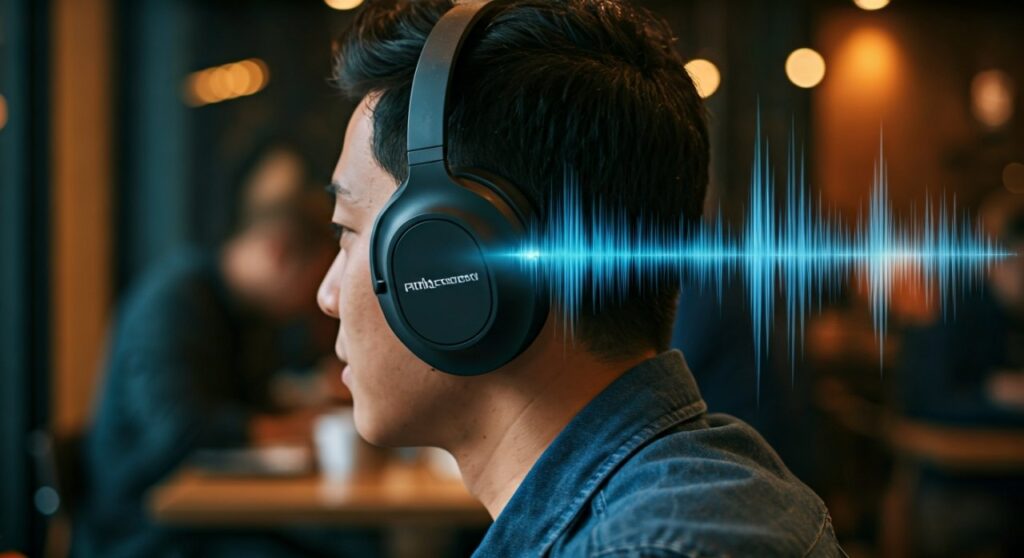
Many users worry that the “anti-noise” waves emitted by these devices might cause long-term harm. However, from an audiological perspective, the primary danger to your hearing remains volume and duration, not the cancellation technology itself. By blocking out external drones like airplane engines or city traffic, ANC headphones serve as a protective barrier for your auditory health.
Key Takeaways: Active Noise Cancellation and Ear Safety
If you are looking for a quick summary of whether are anc headphones bad for your ears, here are the essential facts:
- Safety Status: ANC headphones are safe for daily use and do not emit harmful radiation or physical pressure.
- Hearing Protection: They reduce the need to “crank up the volume” to drown out background noise, which is the leading cause of hearing damage.
- The “Pressure” Feeling: This is a brain-processing error where the lack of low-frequency sound mimics the sensation of a pressure change (like in an elevator).
- Best Practice: Follow the 60/60 rule—listen at 60% volume for no more than 60 minutes at a time.
- Verdict: For most people, are anc headphones worth it? Yes, specifically for travelers and office workers looking to reduce stress and protect their ears.
Understanding How ANC Works: Science vs. Fiction
To understand why people ask are anc headphones safe, we must look at the technology inside. Active Noise Cancellation works through a process called destructive interference.
Tiny microphones on the earcups “listen” to external ambient sounds. The internal hardware then generates an “anti-phase” sound wave (an inverted version of the noise). When these two waves meet, they cancel each other out, resulting in silence.
Many people mistake this “anti-noise” for a physical force. In reality, the sound waves are simply neutralizing each other before they reach your eardrum. There is no “extra” sound hitting your ear; there is actually less acoustic energy reaching your middle ear.
Comparing Headphone Types: Safety and Performance
| Feature | ANC Headphones | Passive Isolation (IEMs) | Open-Back Headphones |
|---|---|---|---|
| Noise Reduction Method | Electronic Wave Inversion | Physical Barrier (Silicone/Foam) | None (Open Design) |
| Hearing Protection | High (Blocks low-frequency) | Medium (Blocks high-frequency) | Low (No protection) |
| Ear Pressure Feeling | Common in some users | Rare (Physical seal only) | Non-existent |
| Best For | Commuting, Airplanes, Offices | Musicians, High-detail listening | Quiet Home Listening |
| Safety Verdict | Very Safe | Safe | Risky in noisy areas |
Why People Think ANC is Bad: The “Eardrum Suck” Phenomenon
A common complaint among first-time users of the Apple AirPods Max or Bose QuietComfort Ultra is a sensation of pressure on the eardrum. This is often nicknamed the “eardrum suck.”
This sensation is not caused by actual physical pressure. Instead, it happens because your brain is confused. In nature, a sudden loss of low-frequency sound usually only happens when the atmospheric pressure changes (like when a plane takes off).
When the ANC circuit activates, your brain receives a signal that the low-frequency noise is gone, but your inner ear (the vestibular system) reports no change in pressure. This “sensory mismatch” causes the feeling of fullness or “pressure” in the ears. For 99% of users, this feeling disappears as the brain habituates to the technology.
Step-by-Step Guide: How to Use ANC Headphones Safely
If you are concerned about whether are anc headphones bad for your ears, follow these steps to ensure maximum safety and comfort.
Step 1: Choose the Right Fit
Ensure your headphones provide a good seal. If you use In-Ear Monitors (IEMs) with ANC, use the tip size that fits snugly. A poor seal often leads users to turn up the volume, defeating the purpose of the ANC.
Step 2: Start with Transparency Mode
If you feel dizzy when turning on Active Noise Cancellation, start by using “Transparency Mode” or “Ambient Mode.” Gradually switch to ANC for 10-15 minutes at a time to let your brain adjust to the quiet.
Step 3: Monitor Your Volume Levels
Even with the best ANC, high volume is dangerous. Use the “Hearing” health features on iOS or Android to ensure you are staying below 80 decibels (dB).
Step 4: Take Regular “Ear Breaks”
Give your ears a rest every hour. This prevents moisture buildup in the ear canal (which can cause infections) and allows your eardrums to “relax” from the constant proximity of the drivers.
The Real Risks: When ANC Might Be “Bad”
While the technology itself is safe, there are external risks associated with using ANC headphones that users should be aware of:
- Situational Awareness: Because ANC is so effective at blocking out low-frequency sounds (like engines or sirens), it can be dangerous to use while cycling or walking in heavy traffic.
- Ear Canal Hygiene: Wearing any headphones for extended periods increases the temperature and humidity in the ear canal. This can lead to Otitis Externa (Swimmer’s Ear) or excessive earwax buildup.
- The False Sense of Security: Some users believe ANC protects against all loud noises. It is significantly less effective against sudden, sharp sounds like a gunshot or a hammer strike. Do not use them as a substitute for industrial-grade hearing protection.
Expert Perspective: Are ANC Headphones Worth It?
As a tech reviewer who has tested over 50 pairs of headphones—including the Sony WH-1000XM5 and the Sennheiser Momentum 4—I can confidently say that are anc headphones worth it for most modern lifestyles.
In my experience, the reduction in “cognitive load” is the biggest benefit. When your brain doesn’t have to filter out the constant hum of an air conditioner or the roar of a jet engine, you feel less fatigued at the end of the day.
From a health standpoint, I have observed that I typically listen at 45% volume when using ANC, whereas I used to listen at 80% volume with standard earbuds just to hear the lyrics over the bus engine. That 35% difference is the difference between healthy hearing and permanent damage.
Frequently Asked Questions (FAQs)
Can ANC headphones cause tinnitus?
No, ANC does not cause tinnitus. However, because ANC makes your environment quieter, existing tinnitus may become more noticeable because there is no background noise to mask the ringing.
Are ANC headphones safe for children?
Yes, they are safe, but supervision is required. Children are more prone to turning volumes too high. If a child uses ANC headphones, ensure the volume is capped at 75-85 dB using parental controls.
Does ANC use radiation?
ANC technology uses sound waves, not ionizing radiation. The Bluetooth technology used in wireless versions uses non-ionizing RF radiation, which is considered safe by the FCC and WHO at the levels emitted by consumer electronics.
Why do I feel nauseous when using ANC?
This is related to the “sensory mismatch” mentioned earlier. Your eyes and inner ear tell your brain you are in a normal environment, but your ears report an “artificial” silence. This can cause motion sickness-like symptoms in a small percentage of people.
Is it okay to sleep with ANC headphones on?
While the ANC is safe, sleeping with bulky headphones can put pressure on the outer ear (pinna) and lead to sores. Additionally, it increases the risk of earwax impaction. If you must sleep with them, consider ANC sleep-specific earbuds designed for side-sleepers.