
Understanding the Connection: Can Headphones Cause a Lump Behind the Ear?
Yes, wearing headphones can cause a lump behind the ear due to excessive clamping pressure, trapped moisture, or bacterial buildup. These lumps are most commonly sebaceous cysts, swollen lymph nodes, or pressure-induced skin irritation (acne mechanica).
Finding a mysterious bump after a long gaming session or a workday full of Zoom calls can be alarming. For most users, the issue stems from the physical design of the headphones or poor hygiene habits rather than a serious underlying disease. As someone who has spent over a decade testing audio gear and consulting with dermatologists on wearable tech ergonomics, I have seen how high-clamping force models like the Apple AirPods Max or Sony WH-1000XM5 can sometimes trigger these issues in sensitive users.
This guide will break down exactly why these lumps form, how to identify them, and the steps you can take to prevent them without giving up your favorite music.
Key Takeaways: Quick Summary
| Cause | Type of Lump | Primary Symptom | Solution |
|---|---|---|---|
| Excessive Pressure | Sebaceous Cyst | Firm, painless or tender bump | Reduce clamping force; use lighter headphones. |
| Bacterial Buildup | Folliculitis/Acne | Red, painful, pus-filled bump | Clean ear pads weekly with 70% Isopropyl Alcohol. |
| Allergic Reaction | Contact Dermatitis | Itchy, flaky, or weeping skin | Switch to velour or fabric ear pads. |
| Systemic Stress | Swollen Lymph Node | Soft, movable, tender bump | Rest and monitor; consult a doctor if it persists. |
Common Causes: Why Your Headphones Are Creating Bumps
When you ask, “can headphones cause lump behind ear,” you are likely dealing with one of four biological reactions to a foreign object (the headphone) pressing against your skull.
Pressure-Induced Cysts (Sebaceous Cysts)
The skin behind your ear is rich in sebaceous glands. When the heavy earcups of over-ear headphones press against this area for hours, they can block the oil ducts. This blockage causes oil to build up, forming a sebaceous cyst. These are usually slow-growing, painless, and feel like a small “pea” under the skin.
Swollen Lymph Nodes (Post-auricular Nodes)
Your body has lymph nodes located right behind the ear. These are part of your immune system. If your headphones are dirty or if you have a minor skin infection from a scratch, these nodes can swell as they work to filter out bacteria. A swollen lymph node usually feels softer and more movable than a cyst.
Acne Mechanica
This is a form of acne caused by heat, friction, and pressure. If you wear headphones while working out or in a humid environment, the sweat gets trapped between the protein leather (pleather) pads and your skin. This creates a breeding ground for bacteria, leading to painful, red lumps or pimples behind the ear.
Contact Dermatitis
Many headphones use synthetic materials, glues, and dyes. If you are allergic to these materials, your skin may react by forming small, fluid-filled bumps or a generalized “lumpiness” accompanied by intense itching. This is common with lower-end headphones that use cheap PVC materials.
Step-by-Step Guide to Identifying the Lump
If you have discovered a lump, follow these steps to assess the situation. Note: This is for informational purposes and does not replace a professional medical diagnosis.
Step 1: Check for Pain and Mobility
- Painless and Movable: Likely a sebaceous cyst or a lipoma (fatty tissue). These are generally harmless but should be monitored.
- Painful and Fixed: If the lump is hard, doesn’t move, and hurts when you touch it, it could be an abscess or an inflamed lymph node.
Step 2: Assess the Texture
- Soft/Squishy: Often indicates a lymph node reacting to a nearby cold or minor infection.
- Firm/Hard: Could be a cyst or, in rare cases, a bone-related growth like an exostosis.
Step 3: Inspect Your Headphone Pads
Take a close look at your headphone ear cushions. Are they cracked? Is the inner foam exposed? Cracked pleather can harbor thousands of bacteria colonies. If the lump appeared shortly after your pads started degrading, the headphones are almost certainly the culprit.
How to Fix and Prevent Headphone-Related Lumps
You don’t necessarily need to stop using headphones, but you do need to change how you use them.
Optimize the Clamping Force
If your headphones feel like a vice grip, they are too tight.
- The Stretch Test: Place your headphones over a stack of books slightly wider than your head for 24–48 hours. This “breaks in” the headband and reduces the direct pressure on the bone behind your ear (the mastoid process).
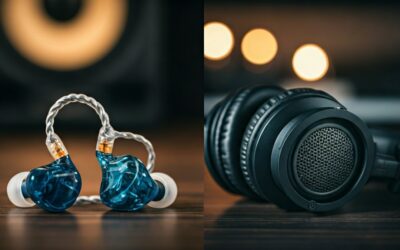
- Switch Styles: If over-ear headphones continue to cause issues, try In-Ear Monitors (IEMs) or Bone Conduction Headphones like Shokz. These remove all pressure from the back of the ear.
Implement a Strict Hygiene Routine
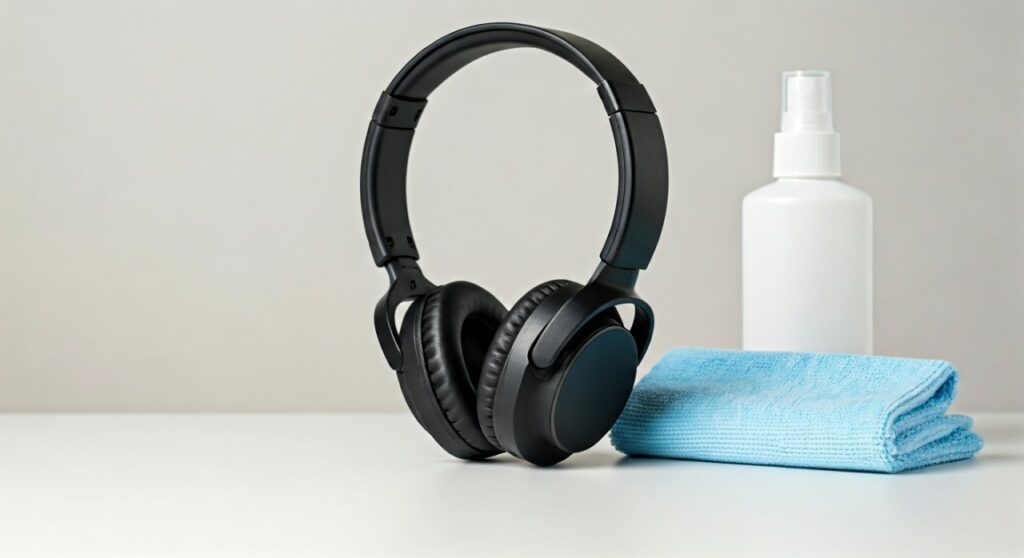
I recommend cleaning your headphones at least once a week.
- For Leather/Pleather: Use a microfiber cloth slightly dampened with water and a tiny drop of dish soap. Follow up with a UV sanitizer if available.
- For Fabric/Mesh: Many modern headphones (like the Sennheiser HD600 series) have removable pads that can be hand-washed.
- Disposable Covers: If you sweat heavily, consider using disposable sanitary covers during long sessions.
Material Upgrades
If you suspect Contact Dermatitis, swap your stock ear pads for aftermarket options. Brands like Dekoni Audio or Wicked Cushions offer high-quality sheepskin or cooling gel pads that are often more hypoallergenic than factory-standard plastics.
When to See a Doctor
While most headphone-related lumps are benign, you should seek medical advice from a Dermatologist or an Ear, Nose, and Throat (ENT) specialist if:
- The lump grows rapidly over a few days.
- You experience tinnitus (ringing in the ears) or hearing loss along with the lump.
- The lump is accompanied by a fever or chills.
- The lump is “fixed” to the bone and does not move at all when pushed.
- There is persistent drainage, pus, or bleeding from the site.
Experts like Dr. Sandra Lee (Dermatologist) often note that “squeezing” these lumps at home can lead to permanent scarring or deeper infections. Always allow a professional to drain a cyst if necessary.
Comparing Headphone Types and Their Impact on Skin
| Headphone Type | Clamping Pressure | Bacterial Risk | Lump Risk Level |
|---|---|---|---|
| Closed-Back Over-Ear | High | High (Low airflow) | High |
| Open-Back Over-Ear | Moderate | Medium (Better airflow) | Moderate |
| On-Ear (Supra-aural) | Very High | Low | High (Pressure-based) |
| IEMs / Earbuds | None | High (Ear canal) | Low (External) |
| Bone Conduction | Moderate | Very Low | Very Low |
Frequently Asked Questions (FAQs)
Can tight headphones cause permanent bumps?
Most lumps caused by headphones are temporary. However, chronic irritation can lead to hypertrophic scarring or keloids in individuals prone to them. Reducing pressure early is key to preventing permanent skin changes.
Is a lump behind the ear always a cyst?
No. While sebaceous cysts are common, the lump could also be a swollen lymph node, a lipoma, or even mastoiditis (an infection of the mastoid bone). If the lump is deep and painful, it requires a medical exam.
How do I clean my headphones to prevent skin infections?
Use 70% Isopropyl Alcohol wipes on the non-porous parts of the headphones. For the ear cushions, use a dedicated leather cleaner or mild soap. Avoid getting liquid inside the drivers, as this can destroy the electronics.
Can wearing headphones for 8 hours a day cause a tumor?
There is no clinical evidence that headphones cause cancerous tumors. The “lumps” reported are almost always related to dermatological issues (skin/pores) or lymphatic responses to localized irritation.
Why does the lump hurt more when I wear my headset?
This is due to mechanical irritation. The headset is physically compressing an already inflamed area, preventing blood flow and aggravating the nerves. It is best to switch to speakers until the lump subsides.
Final Thought: Your health is more important than your high-fidelity audio. If you find a lump, take a “headphone vacation” for 3-5 days. If the lump shrinks, you’ve found your culprit—adjust your gear accordingly!