Understanding What is Active Noise Cancelling Headphones
Active Noise Cancelling (ANC) headphones are specialized audio devices that use internal microphones and advanced electronics to neutralize ambient background noise by creating “anti-noise” sound waves. Unlike standard headphones, they don’t just block sound physically; they actively erase it using the physics of destructive interference.
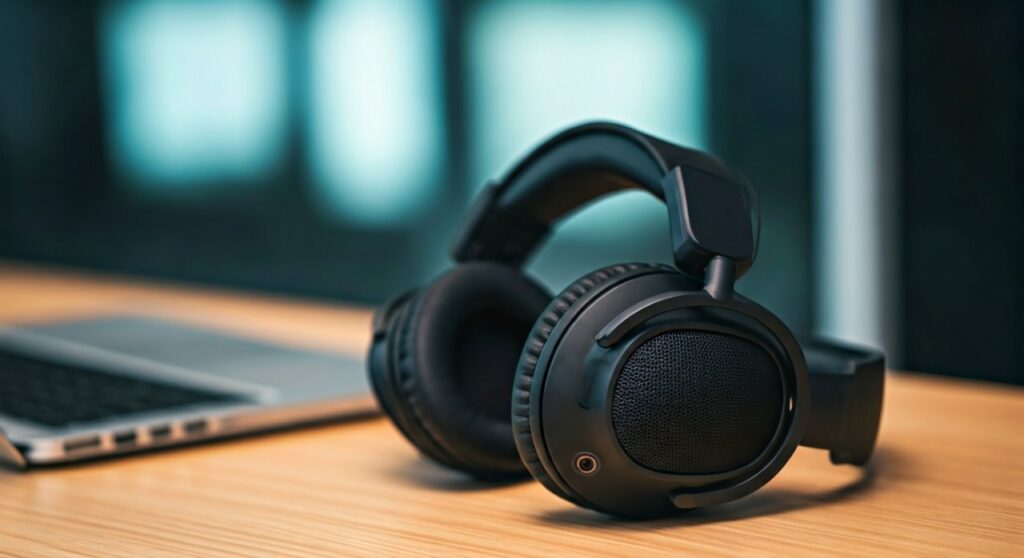
If you have ever tried to focus in a bustling coffee shop or sleep on a long-haul flight, you know that standard ear padding isn’t enough. In my years testing audio gear, I found that high-quality ANC technology can reduce ambient noise by up to 30 to 40 decibels, turning a roaring jet engine into a faint whisper.
Key Takeaways: Your Quick Guide to ANC
Before we dive into the technical mechanics, here is a summary of what you need to know about what is active noise cancelling headphones:
| Feature | Description |
|---|---|
| Core Technology | Uses microphones to pick up external noise and generates an inverted “mirror” wave to cancel it. |
| Best For | Low-frequency drones (engines, AC units, traffic), office chatter, and travel. |
| Power Source | Requires a battery (rechargeable) to power the internal processor and microphones. |
| Top Brands | Bose, Sony, Apple, and Sennheiser lead the industry in ANC performance. |
| Key Benefit | Allows you to listen at lower volumes, protecting your hearing over time. |
How Active Noise Cancelling Technology Actually Works
To truly understand what is active noise cancelling headphones, we have to look at the science of sound. Sound travels in waves, which are essentially fluctuations in air pressure. These waves have peaks (high pressure) and troughs (low pressure).
Active Noise Cancellation works through a four-step process:
- Microphone Sensing: Tiny microphones on the outside or inside of the ear cup “listen” to the environment.
- Phase Inversion: An internal ANC chipset calculates the exact frequency of the incoming noise.
- Anti-Noise Generation: The headphones produce a sound wave that is the exact opposite (out of phase by 180 degrees) of the noise.
- Destructive Interference: When the noise wave meets the anti-noise wave, they cancel each other out.
In my experience using the Sony WH-1000XM5, this process happens in milliseconds. It is most effective against constant, low-frequency sounds like the hum of a refrigerator or the rumble of a subway.
Active vs. Passive Noise Cancellation: What’s the Difference?
Many people confuse these two terms, but they are fundamentally different. Understanding this distinction is vital when researching what is active noise cancelling headphones.
Passive Noise Isolation
This is “old school” noise reduction. It relies on the physical materials of the headphones to block sound. Think of it like putting your hands over your ears.
- Materials: Thick foam, leather pads, or silicone ear tips.
- Effectiveness: Best for high-frequency sounds (screaming, whistling).
- Power: Requires no battery.
Active Noise Cancellation (ANC)
This is the “high-tech” solution. It uses electricity and software to delete sound waves before they reach your eardrum.
- Components: Microphones, DSP (Digital Signal Processor), and a battery.
- Effectiveness: Superior for low-to-mid frequency sounds.
- Power: Drains battery life when activated.
Why You Should Invest in ANC Headphones
If you are still wondering what is active noise cancelling headphones good for, consider your daily environment. Beyond just “quieting the world,” there are measurable health and productivity benefits.
Hearing Protection
When you are in a noisy environment, you likely crank your music to 80% or 90% volume to drown out the world. With Active Noise Cancelling, you can keep your music at a safe 30% to 50% volume because the background competition is gone.
Improved Concentration
Studies show that even low-level background noise can increase cortisol (stress hormone) levels. Using a pair of Bose QuietComfort Ultra headphones in a busy office can create a “cone of silence,” helping you enter a “deep work” state faster.
Reduced Travel Fatigue
Engine drone on airplanes is a major cause of post-flight fatigue. By neutralizing those frequencies, your brain doesn’t have to work as hard to filter out the noise, leaving you feeling more refreshed upon landing.
Step-by-Step: How to Choose the Right ANC Headphones
When shopping for what is active noise cancelling headphones, don’t just look at the price tag. Follow these steps to ensure you get the best performance for your budget.
Step 1: Identify Your Primary Environment
- Commuters: Look for “Adaptive ANC” that adjusts to changing noise levels (like moving from a quiet street to a loud train).
- Office Workers: Prioritize comfort and “Transparency Mode” (so you can hear colleagues without taking the headset off).
- Frequent Flyers: Look for long battery life (30+ hours) and a foldable design.
Step 2: Check the Microphone Configuration
The best headphones use “Hybrid ANC.” This means they have microphones both on the outside (feed-forward) and inside (feed-back) of the ear cup. This ensures the tech catches noise that leaks through the seal.
Step 3: Evaluate Battery Life
Since what is active noise cancelling headphones requires power, battery life is critical. Most modern over-ear models like the Sennheiser Momentum 4 offer 60 hours, while earbuds usually offer 6-8 hours per charge.
Step 4: Test the “Transparency” Feature
Modern ANC isn’t just about silence. Features like Apple’s Transparency Mode on the AirPods Max use the microphones to pipe in outside sound. This is essential for safety when walking in traffic.
Common Myths About Active Noise Cancellation
There is a lot of misinformation surrounding what is active noise cancelling headphones. Let’s debunk the most common ones based on expert testing.
- Myth: ANC blocks all sounds.
- Myth: ANC ruins sound quality.
- Myth: ANC works without music.
Technical Specifications to Look For
To ensure you are getting a premium experience, look for these keywords in the product descriptions:
- Decibel (dB) Reduction: Look for a rating of 25dB or higher.
- Bluetooth Codecs: Ensure they support LDAC or aptX Adaptive for high-resolution audio.
- Driver Size: Larger drivers (40mm+) usually provide better bass and more space for ANC hardware.
- Multipoint Connection: The ability to connect to your phone and laptop simultaneously.
How to Set Up Your ANC Headphones for Maximum Silence
Simply putting them on isn’t enough. To maximize the effect of what is active noise cancelling headphones, follow this checklist:
- Ensure a Tight Seal: If you use earbuds, try every size of silicone tip provided. If you use over-ears, ensure your glasses aren’t breaking the cushion’s seal against your head.
- Update the Firmware: Manufacturers like Sony and Bose frequently release software updates that improve the noise-cancelling algorithms.
- Calibrate via App: Use the companion app to “tune” the ANC to your specific ear shape or the current atmospheric pressure (useful on planes).
The Future: AI-Driven Noise Cancellation
The next generation of what is active noise cancelling headphones is moving toward Artificial Intelligence. New chips can now identify specific sounds—like a siren or your name being called—and selectively let those sounds through while blocking everything else.
Devices like the AirPods Pro 2 already use “Conversation Awareness,” which automatically lowers your music and turns off ANC the moment you start speaking.
Frequently Asked Questions (FAQs)
Does active noise cancelling use more battery?
Yes, Active Noise Cancellation requires constant processing and microphone usage. Typically, turning ANC on will reduce your battery life by about 20-30% compared to using them in passive mode.
Can ANC headphones hurt your ears?
Some users experience a feeling of “pressure” (similar to a plane taking off) when using ANC. This is not physical pressure; it is your brain’s reaction to the lack of low-frequency sound. Most people get used to it within a few days.
Are ANC headphones worth it for a home office?
Absolutely. Even at home, small noises like a humming computer fan, a dishwasher, or distant traffic can cause mental fatigue. ANC technology helps create a focused environment, significantly boosting productivity.
Is it safe to wear ANC headphones while walking?
It can be dangerous if you are in a high-traffic area. Always use “Transparency Mode” or “Ambient Sound Mode” when walking near cars so you can remain aware of your surroundings.
Do ANC headphones block voices?
They are less effective at blocking human speech than they are at blocking engine hums. However, when you combine Passive Isolation (the ear pads) with Active Cancellation, voices will sound much more distant and muffled.
**
**
**
**