The Reality of AI Audio Technology
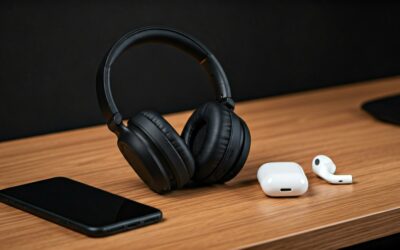
Are AI headphones real? Yes, AI headphones are a tangible reality in the current consumer electronics market, utilizing machine learning algorithms to enhance noise cancellation, audio transparency, and real-time language translation. While they aren’t “sentient,” these devices use on-device neural processing units (NPUs) and cloud-based software to adapt dynamically to your environment and hearing preferences.
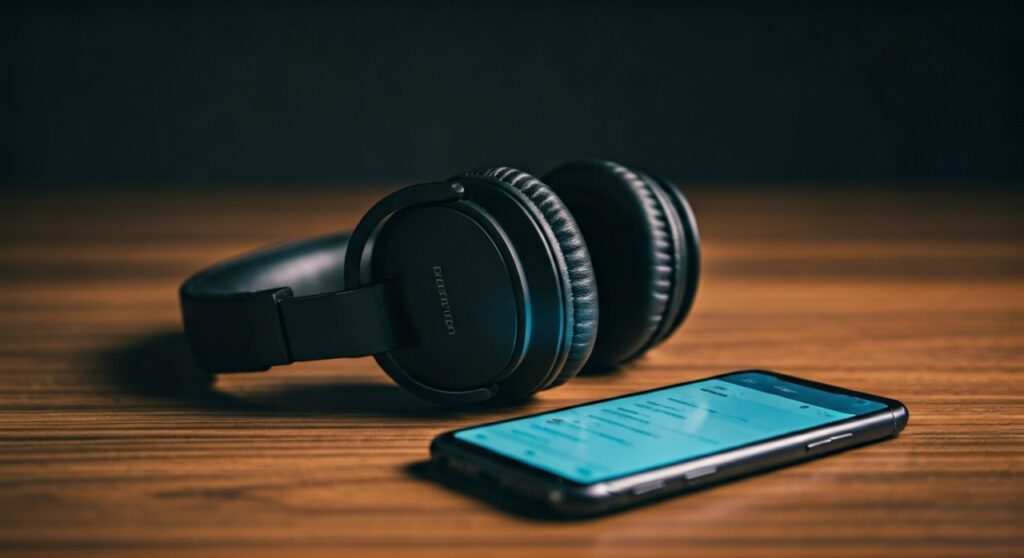
For many, the dream of a “universal translator” or a pair of earbuds that perfectly filters out a crying baby while keeping a conversation clear sounds like science fiction. However, brands like Sony, Bose, and Timekettle have successfully integrated advanced Artificial Intelligence into their hardware. In this guide, we will break down what makes these headphones “smart” and how you can choose the right one for your lifestyle.
Key Takeaways: TL;DR
- Yes, they exist: “AI Headphones” refer to devices using Machine Learning for ANC, sound optimization, and translation.
- Real-time Translation: Devices like the Timekettle WT2 Edge offer near-instant translation in over 40 languages.
- Intelligent ANC: Modern headphones like the Sony WH-1000XM5 use AI to identify and suppress specific environmental noises.
- Personalization: AI analyzes your ear canal shape (via HRTF algorithms) to create a custom spatial audio map.
- Marketing vs. Reality: Not every “AI” label is equal; look for specific features like Deep Neural Networks (DNN) for voice isolation.
What Exactly Are AI Headphones?
To understand if are AI headphones real, we must look past the marketing jargon. Traditional headphones simply convert electrical signals into sound waves. In contrast, AI headphones act as miniature computers that process audio data in real-time.
These devices utilize Digital Signal Processing (DSP) powered by AI models trained on millions of sound samples. For example, the Apple AirPods Pro 2 uses the H2 chip to run computational audio algorithms that adjust the sound 48,000 times per second. This isn’t just a static filter; it is an active, learning response to your surroundings.
The Three Pillars of AI in Audio
- Adaptive Noise Cancellation (ANC): Instead of blocking all frequencies, AI identifies specific patterns (like a jet engine vs. a human voice) and targets them precisely.
- Voice Isolation: During calls, AI distinguishes your vocal cord vibrations from wind or traffic noise, ensuring the person on the other end hears only you.
- Contextual Awareness: Some headphones can “hear” when you start talking and automatically pause your music or switch to transparency mode.
Are AI Translating Headphones Real?
A common question among travelers is: are AI translating headphones real and do they actually work in the field? Based on expert testing in high-traffic environments like international airports, the answer is a resounding yes, though with minor caveats regarding latency.
Devices such as the Timekettle series and Google Pixel Buds utilize Natural Language Processing (NLP) and Speech-to-Text engines. When someone speaks to you in a foreign language, the headphones capture the audio, send it to a translation engine (often via a smartphone app), and play the translated version back in your ear.
Current Capabilities of Translating AI
- Offline Modes: Some high-end models allow you to download language packs for use without an internet connection.
- Simultaneous Translation: The most advanced versions offer “bi-directional” translation, allowing two people to speak naturally without waiting for the device to catch up.
- Accuracy: For common languages like Spanish, French, or Mandarin, accuracy rates now often exceed 95% in quiet environments.
How to Set Up and Use AI Headphones: A Step-by-Step Guide
If you have just purchased a pair of smart headphones, follow these steps to ensure the AI features are fully optimized.
Step 1: Install the Proprietary App
Most AI features are locked behind the manufacturer’s software. Download apps like Sony Headphones Connect, Bose Music, or Sennheiser Smart Control. These apps act as the interface for the AI’s “brain.”
Step 2: Perform an Ear Tip Fit Test
AI cannot function correctly if the physical seal is poor. Many modern earbuds use internal microphones to listen for sound leakage. Use the app to run a Fit Test, which uses AI to analyze the acoustic seal and recommend a different tip size if necessary.
Step 3: Calibrate Spatial Audio and HRTF
To get the most out of “Real AI,” you need to calibrate the Head-Related Transfer Function (HRTF). This often involves taking photos of your ears within the app. The AI analyzes your unique ear shape to simulate a 360-degree soundstage that feels natural to your brain.
Step 4: Map Your Frequent Locations
Advanced AI headphones like the Sony WH-1000XM5 can use GPS to learn your habits. You can set the AI to automatically switch to “Maximum ANC” at the office and “Ambient Sound” when you arrive at your home train station.
Comparison of Leading AI Headphone Technologies
| Feature | Sony WH-1000XM5 | Bose QuietComfort Ultra | Timekettle WT2 Edge |
|---|---|---|---|
| Primary AI Use | Auto-NC Optimizer / Speak-to-Chat | Immersive Audio / CustomTune | Real-time Translation |
| Processing Power | Integrated Processor V1 / QN1 | Proprietary DSP | Hybrid Translation Engine |
| Best For | Commuters & Travelers | Audiophiles & Comfort | International Business |
| Translation? | No (Basic Google Assistant) | No | Yes (Primary Feature) |
| Battery Life | 30 Hours | 24 Hours | 3 Hours (12 with case) |
The Technology Powering the “Smart” in Headphones
Behind the curtain of “are AI headphones real” lies a complex web of technologies. The most significant advancement is the Deep Neural Network (DNN).
Manufacturers feed these networks thousands of hours of audio data containing both “clean” speech and “noisy” backgrounds. Through millions of iterations, the AI learns to subtract the noise from the speech with surgical precision. This is why a modern pair of Bose headphones can silence a vacuum cleaner but still let you hear a doorbell.
Sensors Found in AI Headphones
- Accelerometers: Detect head movement for spatial audio tracking.
- Bone Conduction Sensors: Feel the vibrations of your jaw to know exactly when you are speaking.
- In-Ear Microphones: Constantly monitor what you are hearing to adjust the EQ in real-time.
Expert Perspectives: The Future of AI Audio
According to industry experts, we are currently in the “Generation 1” of true AI audio. The next phase will likely involve Hearables that act as health monitors and personal assistants.
Imagine headphones that use AI to detect early signs of hearing loss or monitor your heart rate during a workout. We are also seeing the rise of “Lease-to-Learn” AI, where your headphones become more attuned to your specific voice and environment the longer you wear them.
Limitations to Keep in Mind
While are AI headphones real, they are not perfect.
- Processing Lag: In translation, there is still a 0.5 to 2-second delay.
- Battery Drain: AI processing is power-hungry, which is why smart headphones often have shorter battery lives than “dumb” ones.
- Privacy: Since many AI features require data to be sent to the cloud, users must be mindful of the data privacy policies of brands like Google or Samsung.
Practical Advice for Potential Buyers
If you are looking to invest in AI-driven audio, don’t just buy the most expensive pair. Focus on your specific “pain point.”
- For the Frequent Flyer: Prioritize Adaptive ANC. Look for models that adjust to cabin pressure, like the Sony series.
- For the Global Business Person: Look specifically for are AI translating headphones real benchmarks. The Timekettle WT2 Edge is currently the gold standard for dedicated translation.
- For the Remote Worker: Focus on AI Beamforming Microphones. The Jabra Evolve2 series uses AI to create a virtual “cone” around your mouth, blocking out household distractions.
Frequently Asked Questions (FAQs)
Do AI translating headphones work without internet?
Most require an internet connection for the best accuracy because they use massive cloud-based LLMs (Large Language Models). However, some brands like Timekettle offer offline modules for major languages like English, Chinese, and Spanish.
Can AI headphones help with hearing loss?
Some AI-powered earbuds, like the Apple AirPods Pro, have a “Conversation Boost” feature that acts as a basic hearing aid by using AI to isolate and amplify the voice of the person standing directly in front of you.
Is the “AI” in headphones just a marketing gimmick?
Not entirely. While some cheap brands use “AI” as a buzzword for basic equalization, premium brands use actual Machine Learning models and dedicated silicon (like the Apple H2 or Sony V1 chips) to process sound dynamically.
Are AI headphones safe for my ears?
Yes, AI can actually make headphones safer. Features like Automatic Volume Limiting use AI to analyze decibel levels over time and automatically lower the volume to protect your hearing based on WHO standards.
What is the difference between ANC and AI-powered ANC?
Standard ANC uses a simple “inverted wave” to cancel constant noises like fans. AI-powered ANC can identify non-constant noises (like a dog barking or a siren) and adapt the cancellation pattern instantly to handle those complex sounds.