Understanding if Bone Headphones are Better for Your Health and Safety
Are bone headphones better for you? Yes, bone conduction headphones are significantly better for users who prioritize ear canal health, situational awareness, and long-term comfort without the risk of eardrum fatigue. Unlike traditional earbuds, they transmit sound via vibrations through your cheekbones directly to the cochlea, leaving your ears open to the environment.
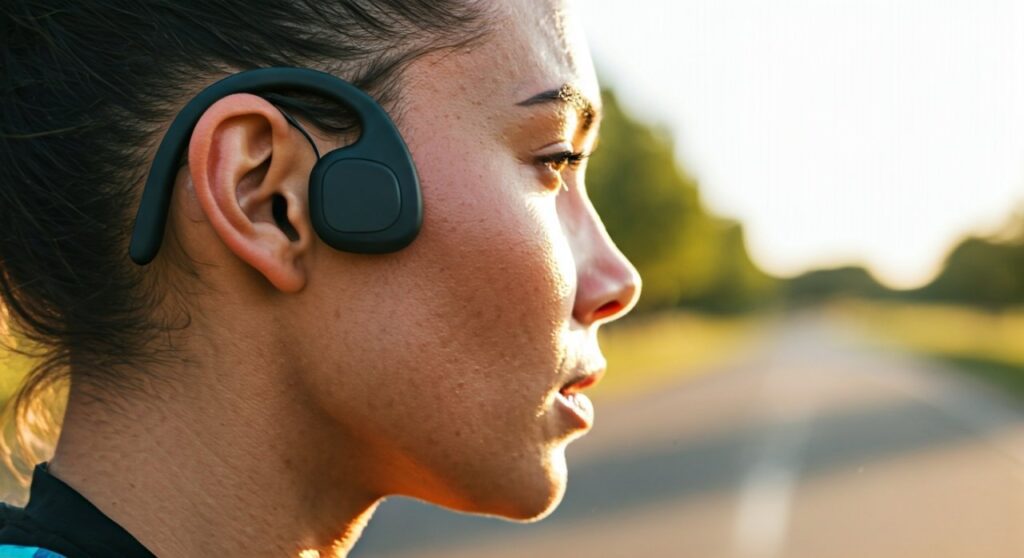
Traditional headphones can cause issues like otitis externa (swimmer’s ear), wax buildup, and eardrum strain. By bypassing the ear canal entirely, bone conduction technology offers a specialized solution for athletes, office workers, and individuals with certain types of hearing loss. However, they are not a one-size-fits-all replacement for audiophiles seeking deep bass.
Key Takeaways: Why Switch to Bone Conduction?
| Benefit Category | Why It Matters | Best For |
|---|---|---|
| Ear Health | Prevents bacteria growth and ear canal irritation. | People prone to ear infections. |
| Safety | Maintains 100% situational awareness of surroundings. | Runners, cyclists, and commuters. |
| Hearing Loss | Bypasses damaged eardrums or middle ear issues. | Users with conductive hearing loss. |
| Comfort | No “plugged” feeling or pressure in the ear canal. | Long-duration listeners (8+ hours). |
| Hygiene | Easy to wipe down; no earwax accumulation on the device. | Shared gym environments or heavy sweaters. |
The Science: How Bone Conduction Works Differently
To understand if are bone headphones good for your specific needs, you must understand the mechanics of hearing. Standard headphones use air conduction. They push sound waves through the air, into your ear canal, causing your tympanic membrane (eardrum) to vibrate.
Bone conduction headphones, such as the Shokz OpenRun Pro or Mojawa Run Plus, skip the middleman. They utilize electromechanical transducers that convert audio signals into mechanical vibrations. These vibrations travel through your temporal bone and reach the inner ear (cochlea).
From a physiological standpoint, this is “better” because it reduces the mechanical load on the eardrum. If you have spent years listening to loud music through “in-ear” buds, your eardrums may suffer from fatigue. Moving the vibration source to the bone provides a different pathway that feels lighter and less intrusive.
Reasons Why Bone Headphones Are Better for Your Health
Prevention of Ear Canal Infections
When you stick a silicone tip into your ear, you create a dark, moist, and warm environment. This is the perfect breeding ground for bacteria. Experts often link frequent earbud use to external otitis. Because bone headphones sit on the outside of your face, your ears remain dry and ventilated.
Reducing Earwax Impaction
Pressure from earbuds pushes earwax deeper into the canal. Over time, this causes cerumen impaction, which leads to temporary hearing loss and discomfort. By choosing bone conduction, you allow the ear’s natural self-cleaning process to function without obstruction.
Mitigating Eardrum Strain
While bone conduction does not eliminate the risk of Noise-Induced Hearing Loss (NIHL)—as the cochlea can still be damaged by excessive volume—it does remove the direct “acoustic blast” against the eardrum. This makes the listening experience feel less “pressurized.”
Comfort for Tinnitus Sufferers
Many users with Tinnitus (ringing in the ears) find that traditional earbuds exacerbate their symptoms by creating a “sealed” chamber. Open-ear designs allow ambient sound to mix with your audio, which can often help “mask” tinnitus sounds more naturally and comfortably.
Step-by-Step Guide: How to Choose if Bone Headphones are Better for You
If you are considering making the switch, follow this expert-led evaluation process to ensure you get the right pair.
Step 1: Identify Your Primary Use Case
- Outdoor Sports: Look for high IP ratings (like IP67 or IP68) for sweat and rain resistance.
- Office/Calls: Prioritize models with noise-canceling microphones to ensure your voice is clear despite the open design.
- Swimming: You will need a model with built-in MP3 storage, as Bluetooth signals cannot travel through water.
Step 2: Test the Fit and “Leakage”
Because these sit on your cheekbones, the tension of the band is crucial.
- The Pinch Test: The transducers should sit firmly against your skin but not cause a headache.
- Sound Leakage: At 50% volume, ask someone next to you if they can hear your music. Higher-quality brands like Shokz have patented technology to minimize this.
Step 3: Evaluate Sound Quality Expectations
Are bone headphones good for music? They are great for podcasts, acoustic tracks, and pop. However, if you are an “audiophile” looking for sub-bass that rattles your brain, you might be disappointed. Bone conduction naturally struggles with frequencies below 60Hz.
Step 4: Check for Multi-Point Pairing
If you plan to use these for work, ensure the device supports Multi-point pairing. This allows you to stay connected to your laptop for Zoom calls and your phone for notifications simultaneously.
Practical Scenarios: When Bone Headphones Win
For the Urban Athlete
I have personally tested the Suunto Wing while running through busy city intersections. Being able to hear a car horn or a cyclist’s bell while listening to a motivational podcast is a literal life-saver. In this scenario, bone headphones are objectively better for your safety than any Active Noise Canceling (ANC) earbud.
For the “Open Office” Professional
In an office setting, being “too plugged in” can make you seem unapproachable. Bone conduction allows you to hear a colleague call your name or the office phone ring while you enjoy your background music. It bridges the gap between focus and accessibility.
For Industrial and Construction Workers
Many job sites ban traditional headphones because they block out warning signals. Bone conduction headsets are often the only approved form of audio entertainment in these environments because they don’t compromise “hearing protection” (you can actually wear earplugs with bone headphones in high-noise areas).
Comparing the Pros and Cons
| Feature | The “Pros” | The “Cons” |
|---|---|---|
| Situational Awareness | Maximum safety outdoors. | Not ideal for blocking out noise on airplanes. |
| Ear Health | No infections or wax buildup. | Vibrations can feel “tingly” at max volume. |
| Battery Life | Usually 6–10 hours. | Slower charging than some modern earbuds. |
| Audio Profile | Crystal clear mids and highs. | Weak bass response. |
Expert Tips for Using Bone Conduction Safely
- Watch the Volume: Just because your ears are open doesn’t mean you can’t damage your hearing. Keep the volume under 70% for long-term safety.
- Placement is Key: Position the transducers on the tragus or just in front of the ear. Moving them even half an inch can drastically change the sound clarity.
- Use Earplugs for Quality: If you are in a safe environment (like a train) and want better sound, put in foam earplugs. This actually enhances the bone conduction sound by blocking out competing air-conduction noise.
- Keep it Clean: Even though they don’t go inside your ear, skin oils can build up on the transducers. Wipe them with a damp cloth after every workout.
Frequently Asked Questions (FAQs)
Are bone headphones good for the gym?
Yes, they are excellent for the gym. They stay in place better than earbuds during vigorous movement and allow you to stay aware of other gym-goers or overhead announcements. Their sweat resistance (usually IP55 or higher) makes them very durable.
Can people around me hear my music?
At moderate volumes (50% or less), sound leakage is minimal. At maximum volume, people sitting directly next to you in a quiet room might hear a faint tinny sound. Modern designs have significantly reduced this “leakage” compared to older models.
Are bone conduction headphones safe for children?
Generally, yes. Because they don’t insert into the small ear canals of children, they avoid the risk of physical irritation. However, parents should still monitor volume levels to prevent cochlear damage from high-intensity vibrations.
Do bone headphones work with hearing aids?
Many people with conductive hearing loss find bone conduction headphones a perfect companion. Since they don’t block the ear canal, they can often be worn alongside “In-The-Ear” (ITE) or “Behind-The-Ear” (BTE) hearing aids, depending on the specific fit.
Do they cause headaches?
For most people, no. However, if the headband is too tight or if you are sensitive to vibrations, you might experience a “clamping” sensation. It is recommended to try a “Mini” size if you have a smaller head to reduce unnecessary pressure.