

Why Focal Headphones Lead the Audiophile Market
Are focal headphones good is a question with a clear answer: yes, they are consistently ranked among the top three high-end headphone brands globally. Known for their “M-shaped” inverted dome drivers and French craftsmanship, Focal delivers a level of transparency and “slam” that few competitors can match.
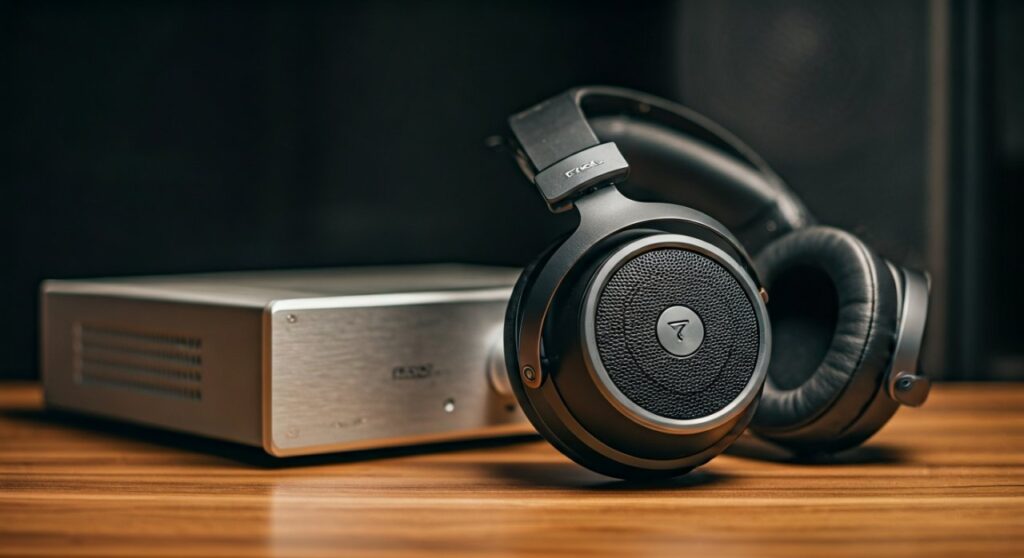
If you are looking for clinical precision, luxurious materials like Beryllium, and a soundstage that mimics high-end floor-standing speakers, Focal is often the gold standard. Whether you are a professional mixing engineer or a dedicated music enthusiast, these headphones provide an analytical yet engaging listening experience.
Key Takeaways: Are Focal Headphones Right for You?
- Exceptional Detail: Focal uses rare materials like Beryllium and Aluminum-Magnesium alloys to create incredibly fast and light drivers.
- Unique Design: Their “M-shape” inverted dome technology reduces distortion and improves high-frequency extension.
- Build Quality: Most high-end models are handcrafted in Saint-Étienne, France, using fine leather and microfiber.
- Efficiency: Unlike many audiophile brands, most Focal headphones are relatively easy to drive, meaning you don’t always need a massive amplifier.
- Price Point: They are premium products; however, their mid-range models like the Clear Mg are often cited as the “sweet spot” for performance versus price.
Comparing the Best Focal Headphone Models
Choosing the right pair depends on whether you prefer an open-back design for home listening or a closed-back design for isolation. The table below summarizes the most popular options currently available.
| Model | Type | Best For | Key Material | Driver Impedance |
|---|---|---|---|---|
| Focal Utopia (2022) | Open-Back | Ultimate Fidelity | Pure Beryllium | 80 Ohms |
| Focal Clear Mg | Open-Back | Critical Listening | Magnesium | 55 Ohms |
| Focal Bathys | Wireless/ANC | Travel & Convenience | Al-Mg Alloy | N/A (Active) |
| Focal Stellia | Closed-Back | Luxury Isolation | Pure Beryllium | 35 Ohms |
| Focal Celestee | Closed-Back | Entry-Level High End | Al-Mg Alloy | 35 Ohms |
Are Focal Headphones Worth the Money?
When evaluating if are focal headphones worth the money, you must look at the “cost-per-hour” of enjoyment and the resale value. Unlike consumer electronics that become obsolete in two years, a pair of high-end Focal headphones can last a decade or more if maintained properly.
The Beryllium Advantage
The flagship Utopia and Stellia models use pure Beryllium for their tweeters. This material is seven times more rigid than titanium or aluminum but significantly lighter. This results in a “transient response” so fast that you will hear micro-details in your favorite songs that were previously hidden.
Physical Craftsmanship and Comfort
Focal invests heavily in ergonomics. The yokes are typically made of solid aluminum or carbon fiber to reduce weight. The ear pads often use memory foam wrapped in perforated microfiber or high-quality leather, ensuring they remain comfortable for multi-hour sessions.
Ease of Use (Efficiency)
A significant reason many believe Focal headphones are worth the money is their low impedance. While brands like Sennheiser or Hifiman might require a $1,000 amplifier to sound “correct,” many Focal models sound excellent even when plugged into a high-quality portable DAC or a decent audio interface.
Step-by-Step Guide: How to Choose the Perfect Focal Headphones
If you have decided to invest in the brand, follow this logic to ensure you get the model that fits your lifestyle.
Step 1: Determine Your Environment
Decide if you will be listening in a quiet room or a noisy office.
- Open-Back (Utopia, Clear Mg): These offer a wider soundstage and more “air,” but they leak sound out and let noise in.
- Closed-Back (Stellia, Celestee): These provide passive noise isolation and deeper bass punch, making them better for office use or shared living spaces.
Step 2: Choose Your Driver Material
Your budget will largely dictate the driver material, which determines the “speed” of the sound.
- Aluminum-Magnesium (Al-Mg): Found in the Celestee and Bathys. It provides a punchy, energetic sound.
- Magnesium: Found in the Clear Mg. It offers a warmer, more natural timbre.
- Pure Beryllium: Found in the Utopia. This is the peak of resolution and clarity.
Step 3: Match Your Source Gear
Check the Impedance and Sensitivity ratings.
- If you plan to use a smartphone (with a dongle) or a laptop, the Focal Bathys or Celestee are ideal.
- If you have a dedicated desktop tube amp or solid-state balanced amp, the Clear Mg or Utopia will scale significantly with better power.
Step 4: Test for “Clamp Force”
Focal headphones have a specific “clamp” feel. They are secure but can feel tight on larger heads initially. If possible, try a pair at a local Hi-Fi shop to ensure the headband pressure is comfortable for you.
The Signature “Focal Sound” Explained
To understand why are focal headphones good, you have to understand their specific tuning. Unlike Audeze (known for dark, lush bass) or Sennheiser (known for mid-range intimacy), Focal focuses on Dynamics.
- The “Slam”: Focal drivers move with more physical force than most, leading to a “tactile” bass experience.
- The Imaging: They are masters of “pinpoint imaging.” You can close your eyes and point exactly to where the drummer or the violinist is standing.
- The Frequency Response: Most models follow a slightly “warm-tilted” neutral profile. They aren’t fatiguing like some studio monitors, but they don’t hide flaws in poor recordings either.
Maintenance: Keeping Your Focal Headphones in Top Shape
Because these are luxury items, they require specific care to maintain their value and performance.
- Pad Cleaning: The microfiber pads on the Clear Mg can absorb skin oils. Use a soft, dry brush to clean them weekly.
- Cable Care: Focal includes high-quality cables, but they can be stiff. Avoid kinking them or wrapping them tightly around the headphones.
- Storage: Always store them in the provided hardshell carrying case. This prevents the Beryllium drivers (which are fragile) from being damaged by sudden impacts or dust.
- Headband Protection: Some users choose to use a knitted “headband cover” to prevent the leather from discoloring over years of use.
Professional Perspectives on Focal
Audio engineers often praise Focal for their consistency. In many high-end studios, you will find Focal Trio6 Be monitors on the desks and Focal Clear Mg Professional headphones on the racks. This synergy allows engineers to mix on speakers and check details on headphones without a massive shift in “tonal balance.”
Expert reviewers from sites like RTINGS and Head-Fi consistently rank Focal models in the top 5% for “Neutral Sound” and “Imaging.” While they are expensive, the consensus is that they represent a “buy once, cry once” investment in audio quality.
Frequently Asked Questions
Do Focal headphones break easily?
Early models (like the original Elear and Utopia) had some issues with headband “creak” and driver failure. However, Focal has significantly improved their quality control since 2020. The current “Mg” and 2022 Utopia lines are built extremely robustly.
Are Focal headphones better than Sennheiser?
It is a matter of preference. Sennheiser (like the HD800S) typically offers a wider soundstage, whereas Focal offers more “punch,” better bass extension, and a more physical sensation of sound.
Why is Beryllium used in Focal headphones?
Beryllium is used because it is incredibly stiff and light. This allows the driver to stop and start instantly, reducing “ringing” and distortion. Note: Beryllium is toxic if crushed and inhaled, but it is perfectly safe in the solid form used in headphones.
Do I need a special amp for Focal headphones?
While most Focal headphones are efficient, they are very “revealing.” If you use a poor-quality source, you will hear the flaws of that source. A mid-tier DAC/Amp like the Schiit Magni/Modi or Chord Mojo 2 is recommended to get the best results.
Can the ear pads be replaced?
Yes, Focal sells replacement pads. However, they are quite expensive (often $100-$200 per pair). Third-party options like Dekoni Audio are popular alternatives that can also slightly tweak the sound signature.









