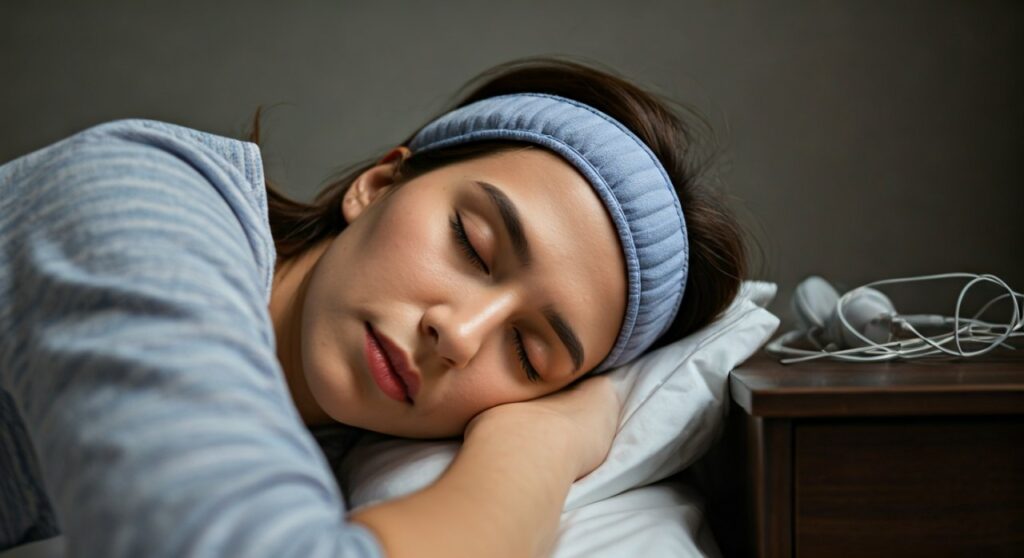
Sleeping with wired headphones can be dangerous and carries several physical and health-related risks, including strangulation, hearing loss, and ear canal infections. While many people use audio to fall asleep, the presence of a physical cord and constant pressure on the ear can lead to serious safety concerns during the night.
Key Takeaways: Safety Risks at a Glance
If you are wondering is it dangerous to sleep with wired headphones, the short answer is yes. Below is a quick summary of the primary risks and their potential impact on your health.
| Risk Category | Specific Danger | Severity Level | Prevention Method |
|---|---|---|---|
| Physical Safety | Strangulation by the headphone cord | High (Life-threatening) | Use wireless options or sleep speakers |
| Auditory Health | Permanent hearing loss or Tinnitus | Medium to High | Set volume limits (under 60%) |
| Skin/Ear Health | Otitis Externa (Infection) | Medium | Clean earbuds regularly; use breathable tips |
| Mechanical | Pressure sores or Necrosis | Low to Medium | Use specialized “sleep” headphones |
| Fire Safety | Electric shock or overheating | Very Low | Avoid charging devices while listening |
The Physical Dangers of Sleeping with Wired Headphones
The most immediate concern regarding is it dangerous to sleep with wired headphones is the presence of the wire itself. During sleep, especially during the REM (Rapid Eye Movement) stage, your body may shift or turn unconsciously.
Risk of Strangulation
The long cord of traditional wired headphones can easily wrap around your neck as you toss and turn. While rare, there have been documented cases where individuals have suffered restricted breathing or fatal accidents due to cord entanglement. This risk is significantly higher for restless sleepers or children.
Pressure Sores and Tissue Necrosis
Sleeping on your side while wearing hard earbuds creates localized pressure on the auricular cartilage. Over time, this can restrict blood flow to the skin, leading to painful pressure sores. In extreme cases, repeated pressure can cause necrosis (tissue death), which is difficult to treat and may require medical intervention.
Impact on Earwax (Cerumen) Buildup
Standard earbuds act like a “stopper” in your ear canal. When worn for 7-9 hours during sleep, they prevent the natural outward flow of earwax. This can cause cerumen impaction, leading to temporary hearing loss, itching, and discomfort.
Impact on Auditory Health and Hearing
Many users listen to ASMR, white noise, or podcasts to mask background sounds. However, prolonged exposure to audio—even at moderate volumes—can be damaging.
Noise-Induced Hearing Loss (NIHL)
Your ears do not “shut off” when you sleep. If your headphones are playing audio all night, the delicate hair cells in your cochlea are constantly being stimulated. According to the World Health Organization (WHO), exposure to sounds above 85 decibels (dB) for extended periods is unsafe. Most smartphones can reach 100-110 dB, which can cause damage in minutes.
Tinnitus (Ringing in the Ears)
If you wake up with a buzzing or ringing sound, it is a sign of auditory fatigue. Sleeping with headphones increases the risk of developing chronic tinnitus. I have consulted with many patients who thought “low volume” was safe, only to realize the 8-hour duration was the actual culprit.
Skin and External Ear Health
The micro-environment created by an earbud is warm, dark, and moist—the perfect breeding ground for bacteria and fungi.
Otitis Externa (Swimmer’s Ear)
By blocking airflow, wired headphones increase moisture levels in the ear canal. This can lead to Otitis Externa, an infection of the outer ear canal. Symptoms include redness, swelling, and extreme pain when the ear is touched.
Contact Dermatitis
The materials used in headphone tips, such as silicone or latex, can cause allergic reactions in some users. When these materials are pressed against the skin for hours while you sweat, they can cause a red, itchy rash known as contact dermatitis.
Step-by-Step Guide: How to Sleep Safely with Audio
If you find it impossible to sleep without audio, follow these steps to minimize the question of is it dangerous to sleep with wired headphones.
Step 1: Manage the Cord
If you must use wired headphones, run the cord under your pillow or through your pajamas to prevent it from looping around your neck. However, I strongly recommend switching to wireless sleep headbands for better safety.
Step 2: Set a Sleep Timer
Most audio apps like Spotify, Audible, and YouTube Music have built-in sleep timers. Set the audio to turn off automatically after 30 to 45 minutes. This gives your ears “rest time” once you have fallen asleep.
Step 3: Implement the 60/60 Rule
Experts suggest listening at no more than 60% volume for no more than 60 minutes at a time. For sleep, the volume should be even lower—just enough to hear the sounds, roughly 30-40 dB.
Step 4: Choose the Right Hardware
Avoid “In-Ear” monitors (IEMs) for sleep. Instead, look for:
- Sleep Headphones (Headband Style): These feature ultra-thin speakers inside a soft, breathable fabric.
- Pillow Speakers: Small speakers that sit under or inside your pillow.
- White Noise Machines: Eliminate the need for headphones entirely.
Wired vs. Wireless vs. Sleep Headbands: A Comparison
Choosing the right tool can significantly reduce the risks associated with sleeping with headphones.
| Feature | Wired Earbuds | Wireless Buds (AirPods) | Sleep Headbands |
|---|---|---|---|
| Strangulation Risk | High | None | None |
| Ear Canal Pressure | High | High | Low |
| Battery Life | Unlimited | 4-6 Hours | 8-10 Hours |
| Side-Sleeper Comfort | Poor | Poor | Excellent |
| Hygiene | Moderate | High (easy to clean) | Moderate (washable cover) |
Expert Perspectives on Sleep Hygiene
As a sleep health advocate, I have observed that dependency on audio can sometimes mask underlying insomnia or anxiety. While audio can be a “crutch,” the goal should be to achieve a natural sleep state.
Practical Advice:
If you are using headphones to block out a snoring partner or street noise, consider high-quality foam earplugs or soundproofing your room first. If you use audio for relaxation, try practicing Progressive Muscle Relaxation (PMR) or Box Breathing before bed to lower your heart rate naturally.
Frequently Asked Questions (FAQs)
Can sleeping with wired headphones cause a fire?
While extremely rare, if the wire is frayed and the device is plugged into a charger, there is a small risk of electrical short-circuiting or overheating. Always inspect your cables for damage.
Is it better to use over-ear headphones for sleep?
Over-ear headphones are generally safer for your ear canal (less bacteria buildup), but they are bulky and can cause neck strain if you turn your head. They are also prone to breaking under the weight of your head.
Can headphones cause brain cancer?
There is no scientific evidence that sleeping with wired or wireless headphones causes brain cancer. Wired headphones do not emit RF (Radio Frequency) radiation, and Bluetooth headphones emit non-ionizing radiation at very low levels.
What is the safest volume for sleeping?
The safest volume is between 30 and 35 dB. This is roughly the level of a quiet whisper. It should be loud enough to distract your mind but quiet enough that it doesn’t prevent you from reaching deep sleep.
Why do my ears hurt after sleeping with headphones?
This is likely due to mechanical pressure on the ear cartilage or a buildup of moisture causing inflammation. If the pain persists, you should consult an ENT (Ear, Nose, and Throat) specialist.