Understanding the Basics: What Are Silent Disco Headphones?
Silent disco headphones are specialized wireless audio receivers designed to broadcast music or speech to a large group of people without using traditional loudspeakers. These systems utilize Radio Frequency (RF) technology to transmit high-quality sound from a source directly to an unlimited number of individual headsets simultaneously.
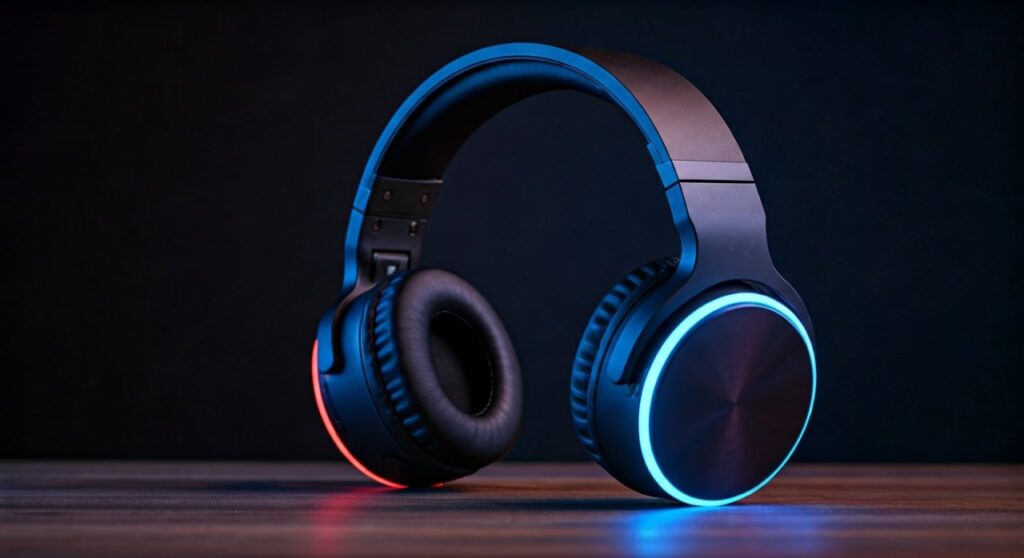
Unlike standard consumer headphones, these devices are engineered for multi-user synchronization, allowing participants to switch between different audio channels—often indicated by color-coded LED lights. Having managed over 50 large-scale events, I have seen these systems transform noise-restricted venues into high-energy dance floors.
Key Takeaways: Silent Disco Technology at a Glance
If you are in a hurry, here are the essential facts about silent disco headphones:
- Wireless Technology: They use UHF/RF signals (Radio Frequency) rather than Bluetooth to ensure zero latency and connection for hundreds of users.
- Multi-Channel Capability: Most professional systems offer 3 distinct channels, allowing users to toggle between different music genres or speakers.
- LED Indicators: Integrated lights usually glow Blue, Red, or Green to show which channel the listener is currently tuned into.
- Range: High-end RF Transmitters can broadcast audio up to 300-500 meters through walls and obstacles.
- Versatility: Ideal for music festivals, outdoor cinemas, fitness classes, and corporate conferences where noise pollution is a concern.
How Silent Disco Headphones Work: The Technical Breakdown
To understand what are silent disco headphones, you must understand the ecosystem they inhabit. Unlike your home Bluetooth setup, which is a one-to-one connection, a silent disco is a one-to-many broadcast system.
The Transmitter (The Heart of the System)
The RF Transmitter connects to your audio source (DJ controller, laptop, or smartphone) via an auxiliary or RCA cable. It converts the audio into a radio signal on a specific frequency—typically in the 863-865 MHz (Europe) or 915 MHz (US) bands.
The Receiver (The Headphones)
Each pair of silent disco headphones acts as an individual radio receiver. When you turn them on, they “listen” for the frequency broadcast by the transmitter. Because they use UHF (Ultra High Frequency), the audio remains crisp and perfectly in sync with the visual performance.
Comparison: RF Technology vs. Bluetooth
Many people ask why they can’t just use Bluetooth. The table below highlights why RF technology is the gold standard for silent events.
| Feature | Silent Disco Headphones (RF) | Standard Bluetooth Headphones |
|---|---|---|
| User Limit | Unlimited | Usually 1 or 2 |
| Latency (Delay) | Near Zero (<30ms) | Significant (100ms – 300ms) |
| Transmission Range | Up to 500 Meters | 10 – 30 Meters |
| Obstacle Penetration | High (Works through walls) | Low (Easily blocked) |
| Channel Switching | Instant (Physical Switch) | Requires Re-pairing |
Step-by-Step Guide: How to Set Up Your Silent Disco
Setting up these systems is surprisingly straightforward. Based on my experience troubleshooting hundreds of setups, follow these steps to ensure a seamless audio experience.
Step 1: Connect the Audio Sources
Plug your audio devices (Laptop, DJ Mixer, or iPad) into the Transmitters. If you want three channels of music, you will need three separate transmitters, each set to a different channel (CH1, CH2, CH3).
Step 2: Set the Transmission Channels
Ensure that Transmitter A is set to Channel 1, Transmitter B to Channel 2, and Transmitter C to Channel 3. This prevents frequency interference, which can cause static or “ghosting” where two songs overlap.
Step 3: Power On and Sync
Turn on the Silent Disco Headphones. Most professional models, like the Silent Disco King or Party Headphones brands, will automatically default to Channel 1.
Step 4: Test the Range
Walk to the furthest corner of your venue. If the audio crackles, ensure your Transmitter is placed high up (on a tripod or shelf) to maintain a clear Line of Sight with the headphones.
Essential Features to Look for in Quality Gear
Not all silent disco headphones are created equal. If you are looking to purchase or rent, prioritize these technical specifications:
- Battery Life: Look for Lithium-Polymer batteries that offer at least 10-12 hours of continuous playtime.
- Sound Isolation: Over-ear (circumaural) designs are superior to on-ear models because they block out the ambient sound of people singing (off-key) around you.
- Frequency Response: A range of 20Hz – 15,000Hz ensures that the bass is punchy and the highs are clear.
- Durability: Events can get rowdy. Ensure the headbands are made of flexible, reinforced plastic rather than brittle materials.
- Foldable Design: This makes storage and transport significantly easier for mobile DJs and event planners.
Why Use Silent Disco Headphones? (Key Benefits)
Overcoming Noise Ordinances
In many cities, outdoor music must stop by 10:00 PM. Silent disco headphones allow the party to continue until dawn without a single noise complaint from neighbors.
Multi-Genre Programming
At a traditional party, if the DJ plays Techno and you like Hip-Hop, you leave. With 3-channel headphones, you can cater to everyone simultaneously. This drastically increases guest retention at events.
Sensory-Friendly Experiences
I have found that silent discos are excellent for individuals with Sensory Processing Disorder (SPD) or Autism. Users have total control over their own volume levels, making the environment less overwhelming.
Crystal Clear Communication
In “Silent Conferences,” attendees wear headphones to hear the speaker perfectly, even in a noisy expo hall. This eliminates the need for expensive soundproofing or separate breakout rooms.
Maintenance and Hygiene: Keeping the Gear Fresh
Because these headphones are shared among many people, hygiene is paramount. Professional operators use:
- Sanitary Ear Pad Covers: Disposable non-woven covers that are replaced after every use.
- Alcohol-Free Disinfectant Wipes: Used to clean the headband and ear pads without degrading the synthetic leather.
- Charging Racks: High-density “multi-chargers” that can juice up 16 to 50 units at once using a single power outlet.
Troubleshooting Common Silent Disco Issues
Even the best UHF headphones can encounter issues. Here is how to fix the most common “pain points”:
- Static/Hissing: This is usually caused by the audio source volume being too low. Pro Tip: Set your laptop or mixer volume to 80-90% and let the user adjust the final volume on the headset itself.
- Channel Drift: If a headset is picking up two channels, check if your transmitters are placed too close together. Keep transmitters at least 2-3 meters apart to prevent signal bleed.
- Short Range: Check for “Metal Interference.” If the transmitter is sitting on a large metal table or near a microwave, the signal will be heavily degraded.
Frequently Asked Questions (FAQs)
Can I use silent disco headphones for a home movie night?
Yes! You can connect the transmitter to your TV’s optical or 3.5mm output. It is a fantastic way to watch action movies at high volume without waking up children or neighbors.
How many headphones can connect to one transmitter?
There is no limit. Because the transmitter broadcasts a one-way signal (like a radio station), you can have 10, 100, or 10,000 headphones receiving audio from a single source.
What is the difference between 2-channel and 3-channel systems?
A 2-channel system allows for two simultaneous audio sources, while a 3-channel system adds a third. Most modern events prefer 3-channel setups because it allows for the “Red vs Blue vs Green” visual dynamic on the dance floor.
Are silent disco headphones waterproof?
Most are water-resistant against sweat and light rain, but they are not waterproof. For “Float Fit” or pool-side yoga, ensure you are using models specifically rated for high moisture exposure.
Do I need a Wi-Fi connection for a silent disco?
No. The system operates entirely on its own Radio Frequency (RF). No Wi-Fi, internet, or cellular data is required, making it perfect for remote camping trips or beach parties.